Rising budgets and salaries widen gap in WorldTour as costs surge ahead of 2026
CyclingSunday, 04 January 2026 at 01:00
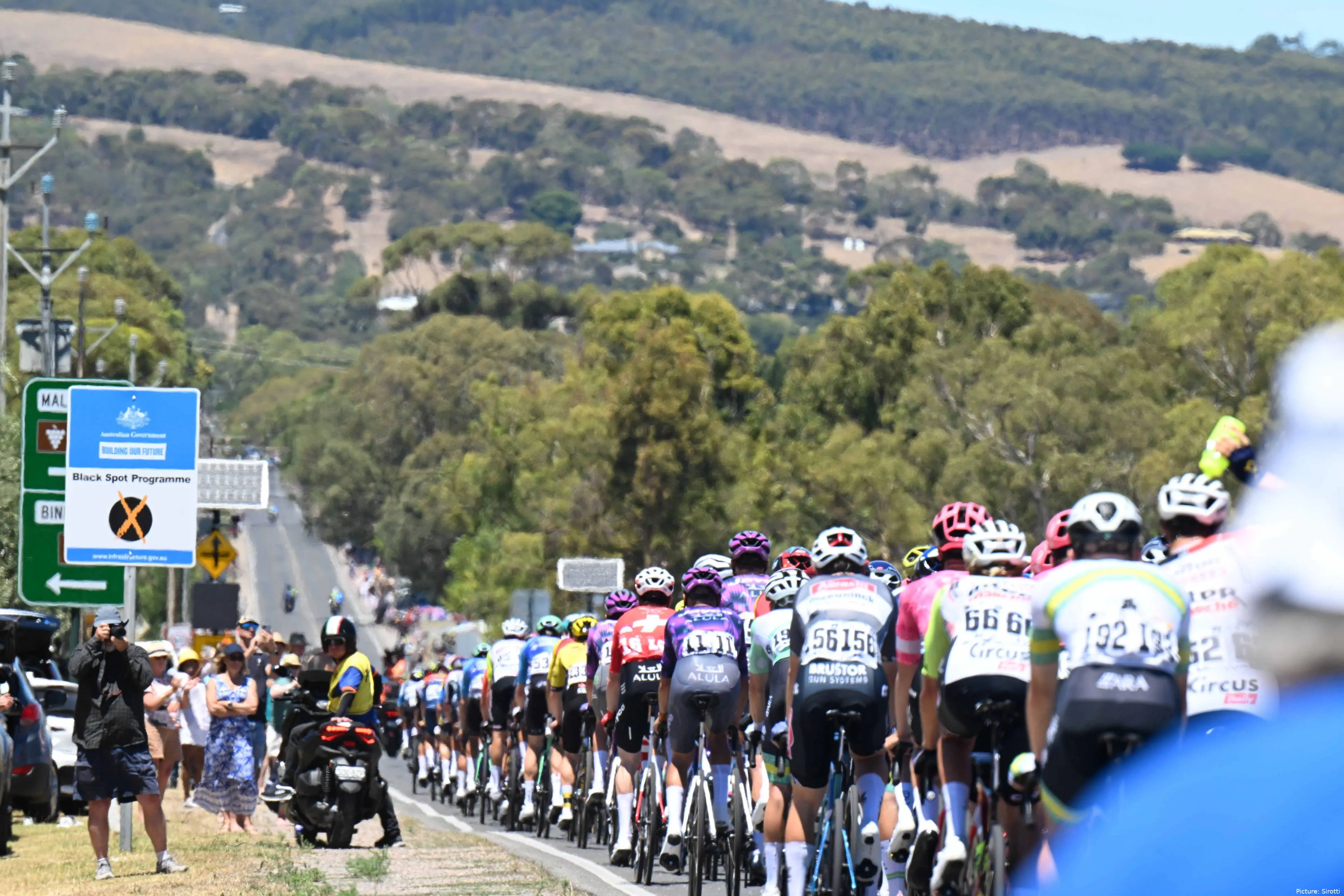
The latest financial figures from the UCI point to a familiar trend. Team budgets continue to rise, and rider salaries are increasing alongside them, further widening the gap between the sport’s biggest operations and teams competing with far more limited resources.
Although the men’s WorldTour officially remains composed of 18 teams, even if the teams are not the same compared to the previous three years, the UCI calculations are based on a group of 20 squads. The study includes two ProTeams that, under current regulations, are guaranteed entry to all WorldTour events, including Grand Tours and the major Classics. Expanding the sample does little to alter the underlying trajectory.
Using the traditional 18-team structure, total budgets increased from €473 million in 2023 to €570 million in 2025. For 2026, with 20 teams included, the combined budget is projected to reach €663 million. This lifts the average team budget from €31.6 million in 2025 to €33.1 million in 2026.
However, averages mask significant internal disparities. According to La Gazzetta dello Sport, UAE Team Emirates - XRG and Visma | Lease a Bike are now operating close to €50 million, while Lidl Trek, Red Bull Bora hansgrohe and INEOS Grenadiers are estimated at around €45 million.
A similar pattern is visible in the women’s WorldTour. Total budgets rose from €46 million in 2023 to €70 million across 15 teams in 2025 and are expected to increase again to €80 million in 2026. This comes despite the women’s top tier shrinking from 15 teams to 14.
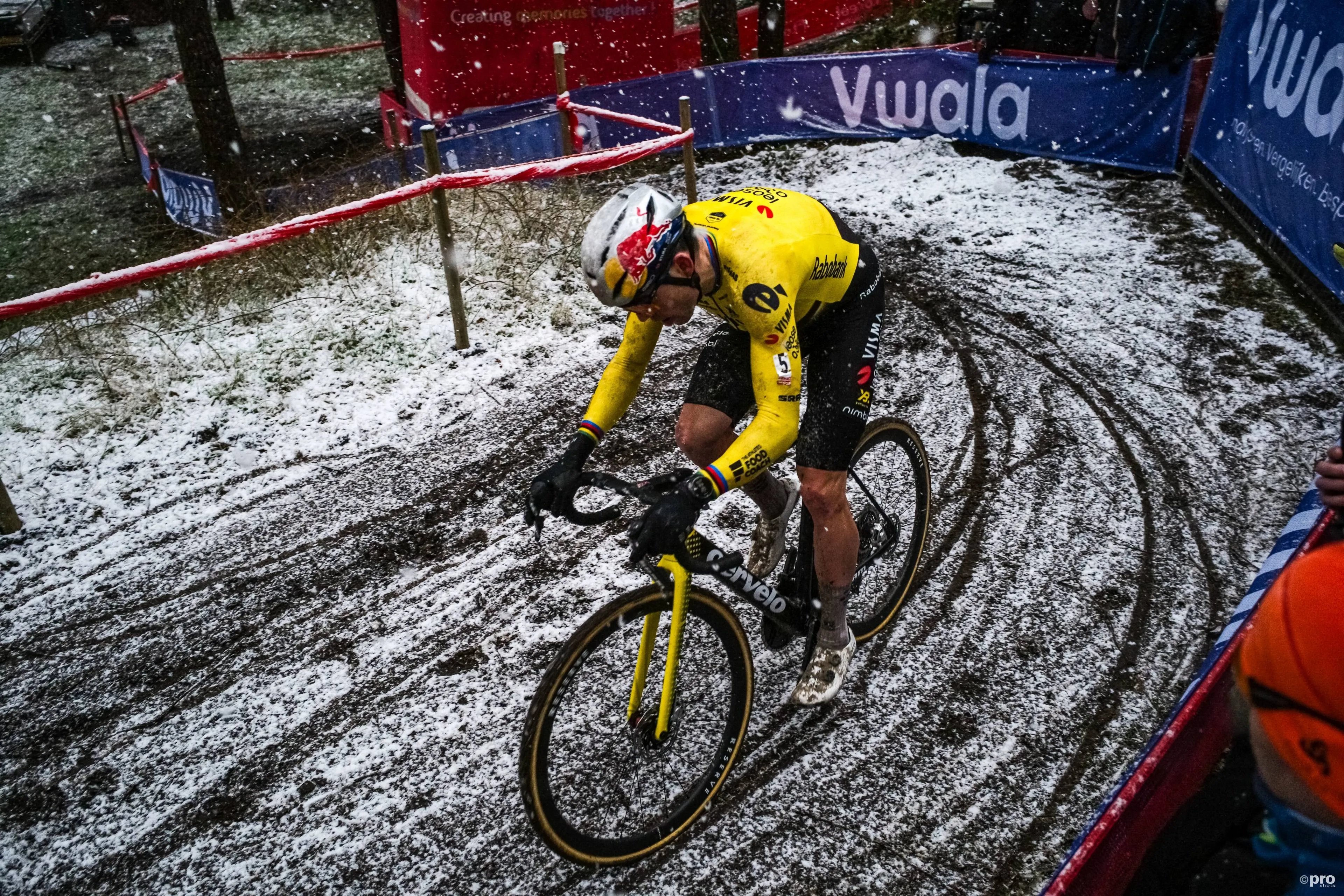
How much money teams spend in salary?
Salaries remain the dominant cost. The UCI figures are gross amounts and distinguish between self-employed and employed riders, with employed riders accounting for 43 percent of the men’s WorldTour peloton.
For 2026, the average salary for self-employed riders is listed at €654,000, up from €636,000 in 2025 and €557,000 in 2023. Employed riders average €384,000, compared with €366,000 last year and €300,000 in 2023. Many self-employed riders are based in Monaco or Andorra and tend to be leading riders within their teams, which helps to explain the higher figures.
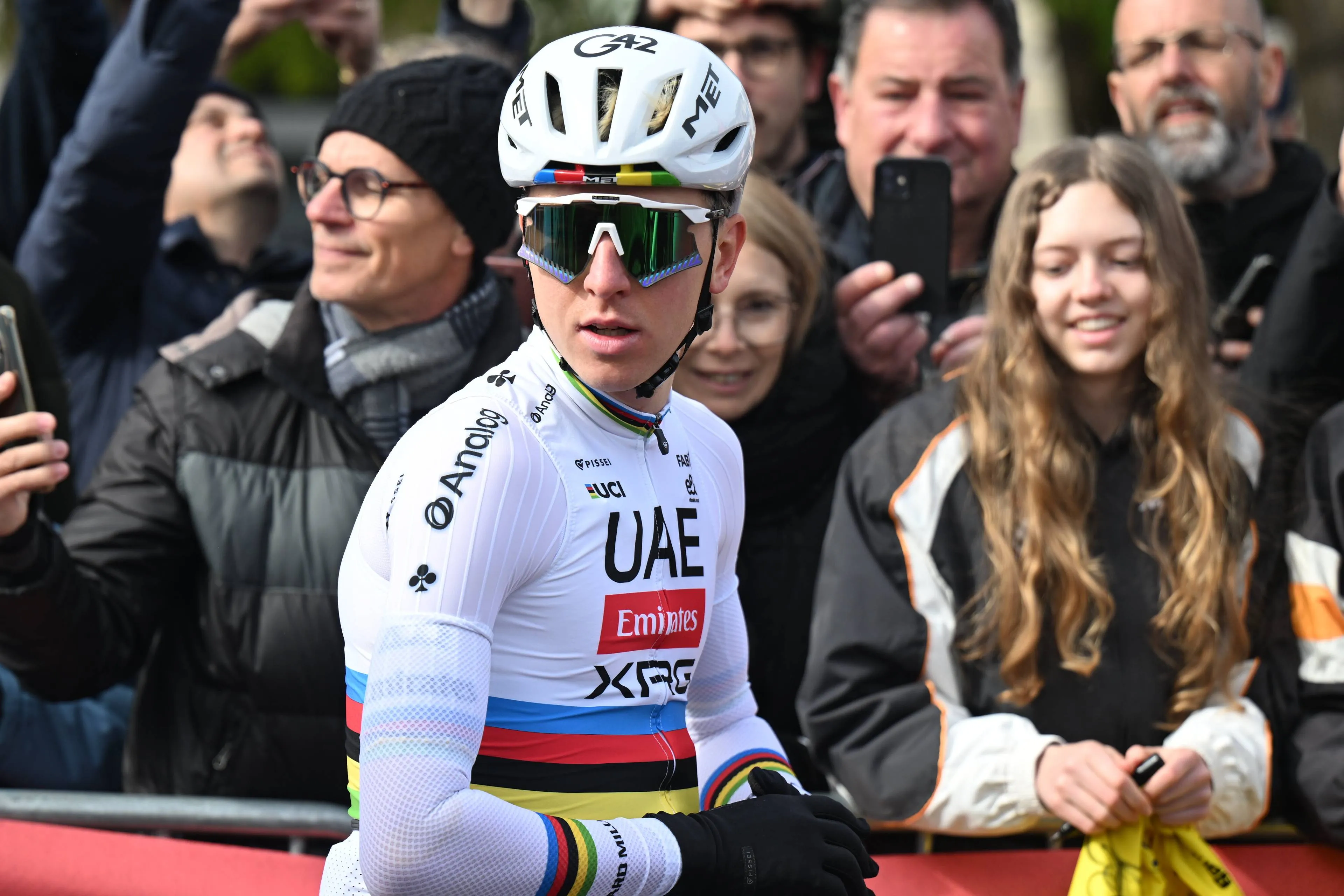
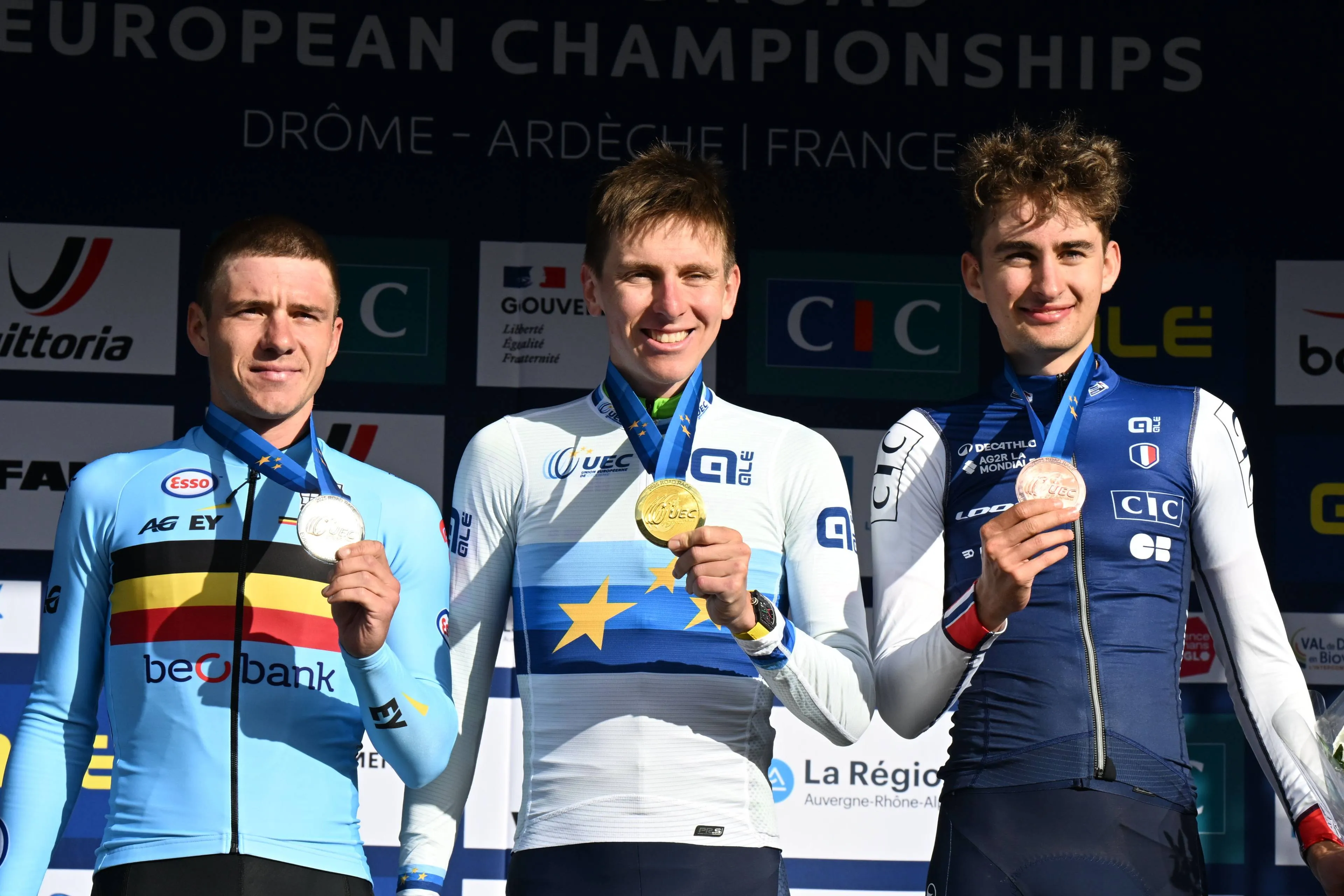
At the top end of the scale, the numbers are obviously far higher. Tadej Pogacar remains the peloton’s highest-paid rider, earning an estimated €8 million per year from UAE Team Emirates, excluding bonuses and personal sponsorships that reportedly lifted his total income to around €12 million this season.
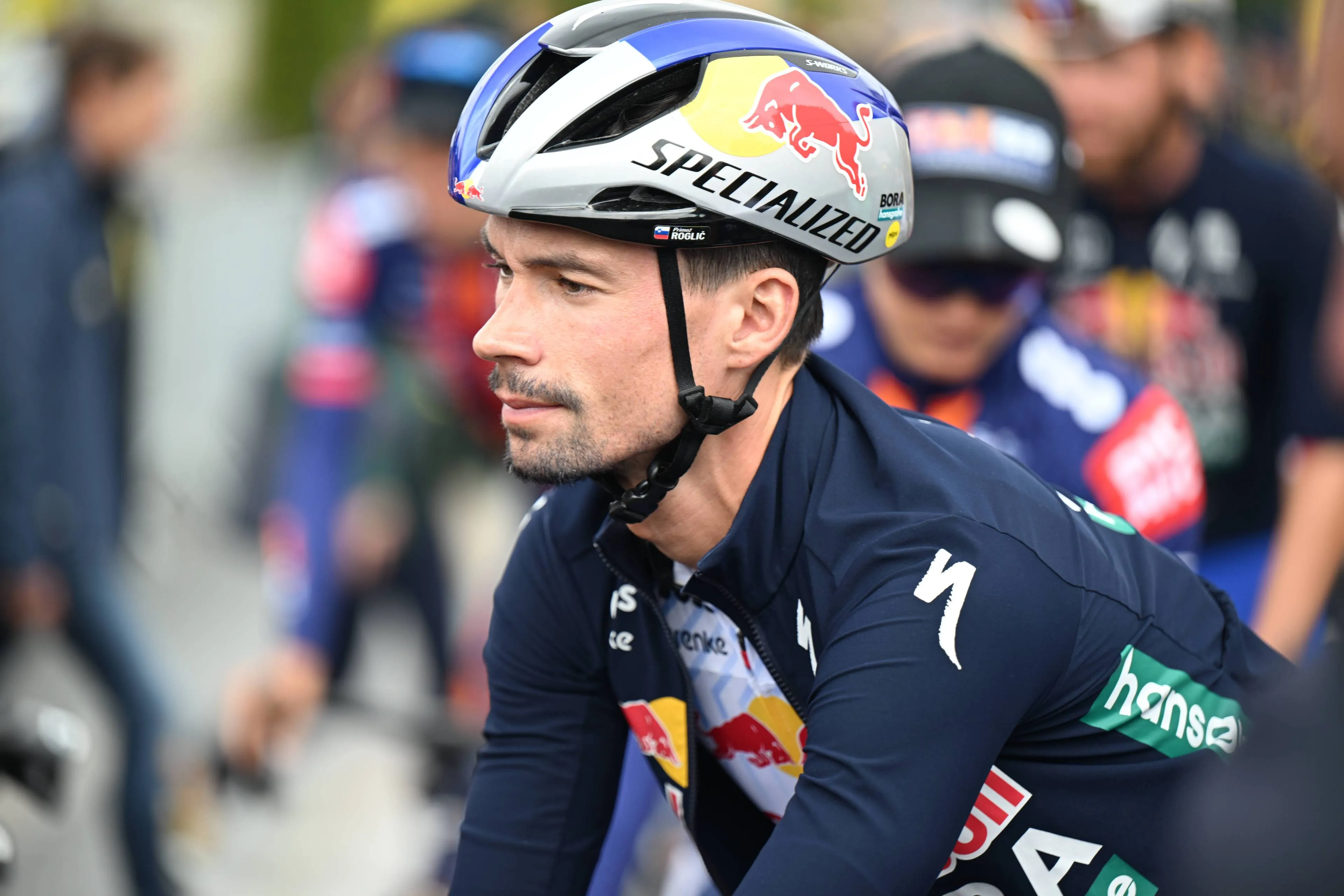
Remco Evenepoel’s early move to Red Bull - BORA - hansgrohe, a year before his contract with Soudal Quick-Step was due to expire, is estimated at around €20 million when the buyout and multi-year deal are combined.

Pogacar is the highest-paid cyclist in the world - and for obvious reasons
Vaughters speaks up
These dynamics raise growing concerns about the sport’s financial structure and its sustainability. On the Domestique Hotseat Podcast, EF Education–EasyPost CEO Jonathan Vaughters warned that cycling is increasingly operating at a cost level that its revenues do not support.
"Certainly the biggest cost increase in cycling is the riders' salaries and then all the peripheral, you know, sports science and whatnot that support that goes around that."
Vaughters also argued that the spending power of the richest teams inevitably affects the wider market. “A team like UAE… we will spend as much as we need to spend to win everything. Well, that’s going to just bleed out into the rest of the marketplace. That’s going to inflate everything.”
He also highlighted cycling’s dependence on sponsorship, a problem that is not new. “We’re trying to float the entire ship on just sponsorship because these other sources of revenue don’t exist,” Vaughters said. “We don’t have collective merchandising. The teams do not receive anything from media rights.”
Read also

claps 0visitors 0
Just in

Popular news
Latest comments
- It looked like a completely normal ceremony. Everyone looked very happy, and appeared to follow the direction of the handlers.
 MarkFour26-04-2026
 - You have the honor of watching Pogi the 🐐 in action again the day after tomorrow. For true sports fans, they can't take that for granted. It's a big privilege. Capish?Cro-Cop-Hr26-04-2026
- well, I guess we now have a more precise answer...hb5012526-04-2026
- You are sounding like a ClimaTard.bike-anarkist26-04-2026
- So, so impressive--physically, but also mentally.MarkFour26-04-2026
- Have the UCI invented a new device that measures illegal font sizes on cycling jerseys? I would not put it past them.
 santiagobenites26-04-2026
 - Hi Mou. I didn't know they let kids your age in hereColdeLaLozeGoneandDead26-04-2026
- I do. How utterly stupid you sound. Can't stop commenting from you mommy's basement, can you?NREsq26-04-2026
- PutzNREsq26-04-2026
- THANK YOU!NREsq26-04-2026
Loading
1 Comments