“I already had a love-hate relationship with the Tour de France” – Mathieu van der Poel reflects on pneumonia ending his strongest Tour in 2025
Cycling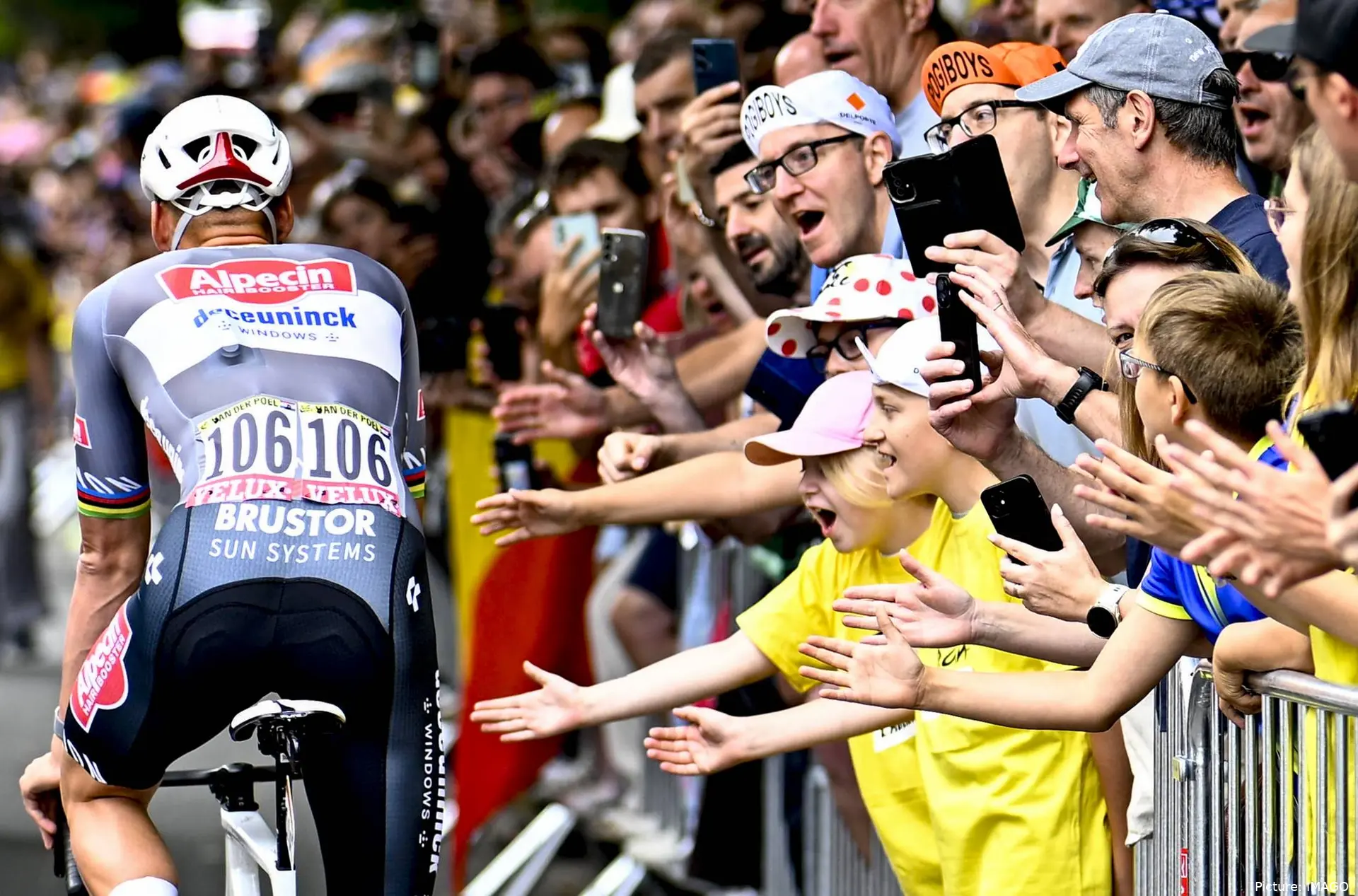
For Mathieu van der Poel, the Tour de France has never been simple. He has worn the yellow jersey. He has won stages. He has animated weeks of racing. But he has also abandoned, recalibrated, and walked away frustrated.
Speaking on the Whoop podcast, the Dutchman offered perhaps his clearest summary yet of that complicated relationship.
“I already had a love-hate relationship with the Tour, it has not always been super successful for me. This year it finally was, but then I got sick, which was difficult,” he reflects honestly.
The “finally” matters.
The Tour that was finally turning
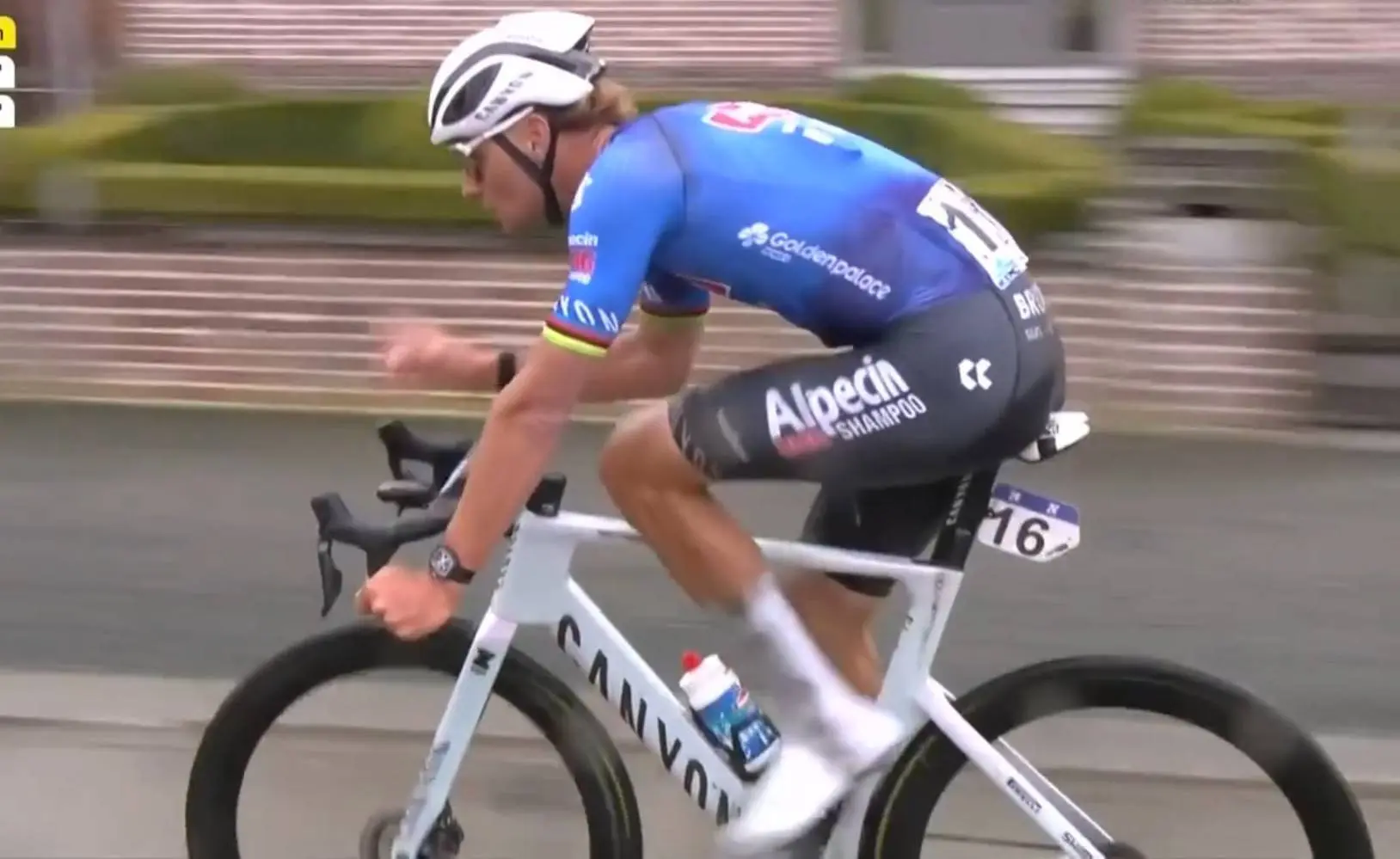
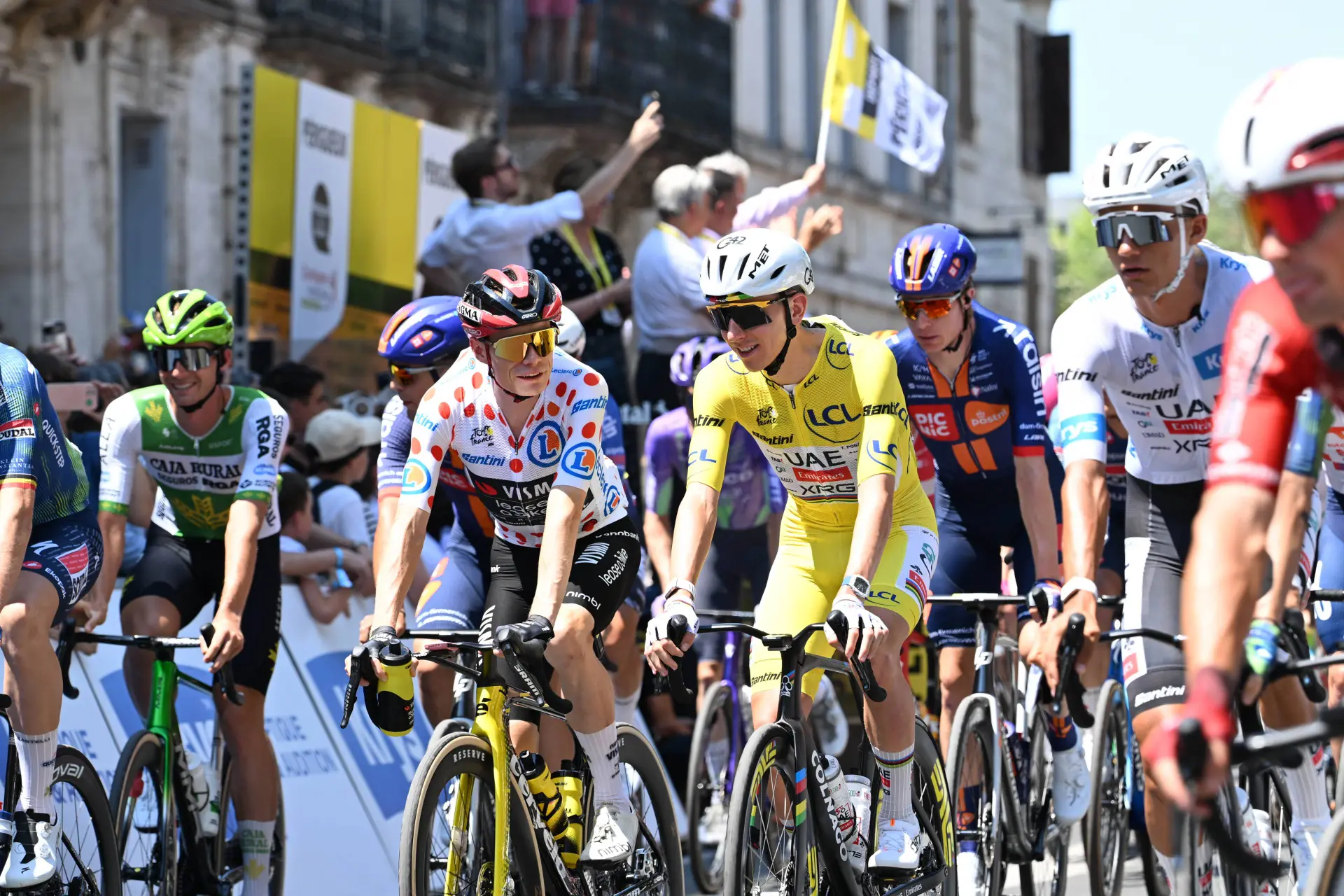
Van der Poel’s 2025 Tour de France began with momentum. He won stage two, pulled on the yellow jersey once again, and spent nearly a week at the centre of the race. Aggressive, visible, and tactically sharp, it was shaping up to be his most complete Tour performance to date.
In 2021, he delivered one of the most emotional moments of the race by winning at Mûr-de-Bretagne and taking yellow in tribute to his grandfather Raymond Poulidor. But that debut Tour ended early.
In 2022, he left again without finding rhythm.
In 2023 and 2024, he completed the race, yet largely in support roles and without the same personal impact.
In 2025, for the first time, the balance seemed right. He was competitive, influential and motivated to see the race through. “I was very motivated to bring the Tour to a good end, especially the final stage was one that suited me very well,” he said.
Then came the interruption no rider can fully control.
The limits of control
Van der Poel was forced to abandon after stage fifteen due to pneumonia, ending a Tour that had finally aligned with his ambitions. “The Tour is a big event. You come into contact with a lot of people, which makes it difficult to trace where you picked it up. You try to manage it as well as possible, but there is always a chance of getting sick.”
There was no tactical error. No misjudged effort. No collapse in form. Just an illness in the middle of cycling’s most intense three weeks.
For a rider who has built a career on instinct, timing and physical explosiveness, the randomness of illness presents a different kind of challenge.
Perspective earned over time
Setbacks are not new in Van der Poel’s career. Crashes, tactical misfires and abandoned Grand Tours have all featured at various points. But age, he suggests, changes how those moments are processed.
“When you are a bit older, it is easier to process something like that. It is part of the sport, you have ups and downs. It makes you appreciate the good moments even more.”
That perspective reflects a rider no longer chasing validation from the Tour, but seeking alignment with it. The love-hate relationship remains, but the frustration now sits alongside acceptance.
The 2025 Tour did not end the way he hoped. Yet for the first time, it showed what his version of a successful Tour could look like.
And that may prove more significant than the abandonment itself.
Kieran WoodDeputy Editor-in-Chief
Kieran Wood is a sports journalist based in Wales and has been active in journalism since 2022. He regularly contributes to DartsNews.com and CyclingUpToDate.com, where he covers professional cycling and darts. In cycling, his work includes liveblogs from major races, including the Tour de France, the Giro d’Italia, and La Vuelta a España, alongside race reports and analysis. He has also conducted interviews with professional riders.
His reporting spans the full racing calendar, from one-day classics to stage races, with a focus on accurate, real-time coverage and clear contextual analysis. For statistics, results, and historical context, he regularly uses resources such as ProCyclingStats. To support reporting on rider activity and training context where relevant, he also references Strava.
In his work, Kieran places strong emphasis on careful sourcing, editorial accuracy, and updating articles as new, verified information becomes available.
claps 1visitors 1
Just in
Popular news
Latest comments
- Jonas is declining now. A podium next year would be a good result for him.Renz16-10-2026
- unpredictability is not an issue. Most riders not named Pogi have that. The excuses are and the blaming teammates and other riders for insufficient support and blocking are. if weight is an issue get a nutritionist. If aircon is not working switch rooms. Position yourself or get your teammates and DS to keep reminding you of basic stuff if it is difficult to remember in a long race. Dont whine about other riders not working with you, use tactics yourself or get your DS to develop the tactics. Dont talk about noballs when you yourself have no ballsabstractengineer16-10-2026
- It’s worth remembering that cycling journalism has entered it’s “Shit-Stirring Hot Takes Winter” now in order to keep the clicks and views trickling in.wrsty16-10-2026
- Well that would be a major disappointment. The last two years are the first times I have bothered watching the last day. Maybe at worst it could be the 2nd last day but two classic finishes and then wompWaranga16-10-2026
- Vingegaard was the one showing signs of weakness. He was looking more likely to lose a podium spot or two than to make inroads on Tadej.Papijan16-10-2026
- Disagree with Ardennes, he has never done well there, not even a top 10. Giro Vuelta, avoid the stacked TDF where crashes can derail the rest of the season and even if he avoid that, at best a top 5 is possible. He is 31, no more time left for testing/trying.abstractengineer16-10-2026
- Respectfully disagree. He and the team will want to qualify the result at the Tour against TP, JV, and the other GT specialists who weren't in Spain. And remember, the team is looking for a new title sponsor. Or, at least a co-sponsor. So a run at the TDF would go a long way in securing that! As a fan of the team dating back to the Indurain days, I would love to see it. But I do not think that he can really take it to them in July. But I do think he will try. I do agree that he can do good rides, if not win, in Belgium.coachjulianx16-10-2026
- Kid, you just had to keep your mouth shut, now you opened it and it's too late, everyone knows you're dumb.elosanjos16-10-2026
- “He looked less than brilliant” then Pogacar attacked and distanced all his rivals, again! I swear these support riders are purely doing pr for their leaders at this point.Pedalmasher16-10-2026
- PogiFanBoy just doesn't like you attacking his Tadej boy ! He's quite protective of him as you may have noticed. No one can say a bad thing about him or fear reprisal.frieders316-10-2026
Loading
Write a comment