"Perhaps that's what makes people lose their minds" - Former World Tour pro Samitier on 'adapt or die' mentality in current pro cycling
Cycling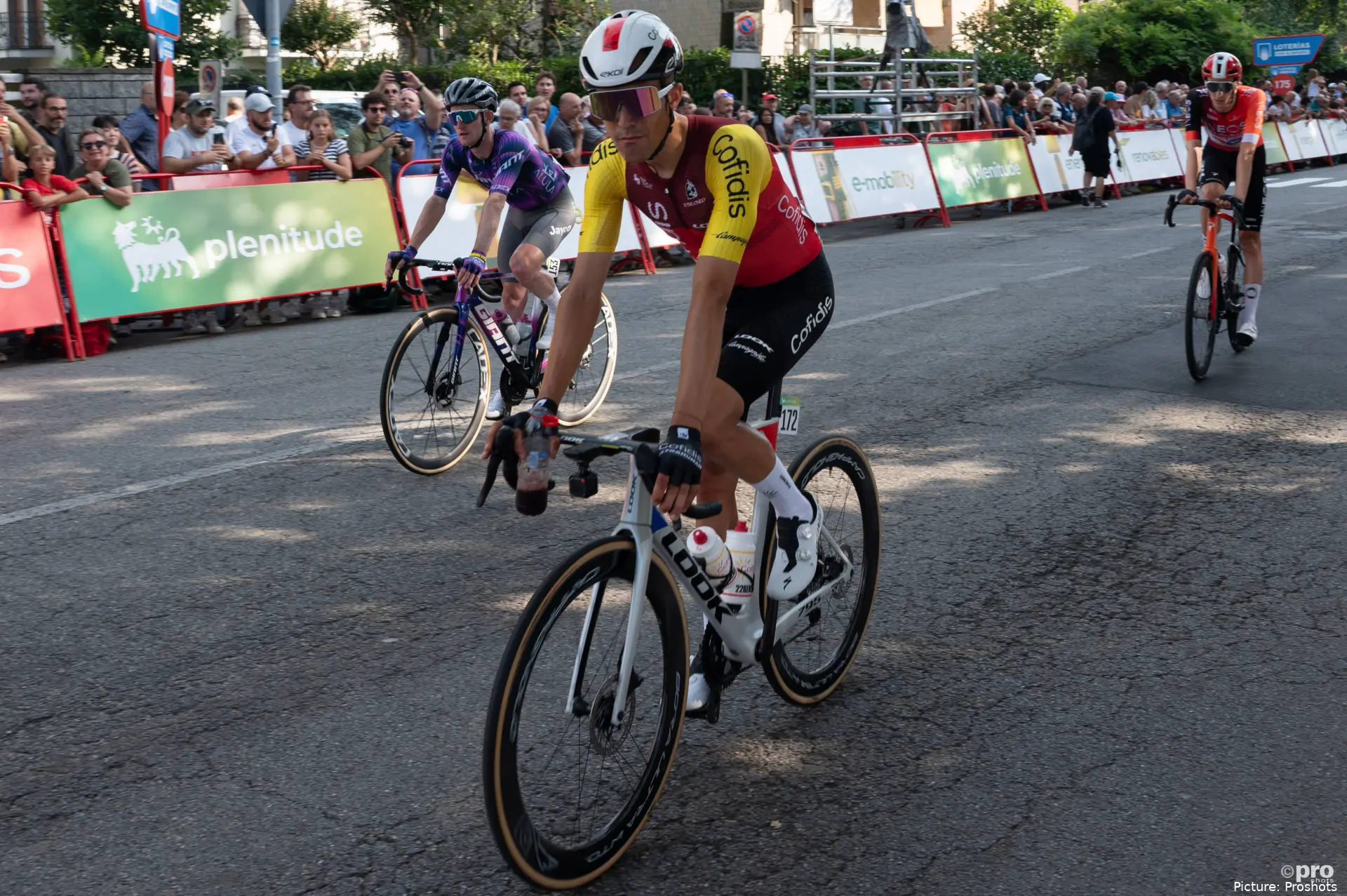
Racing at the top level is harder than ever currently in pro cycling, as said by many riders, including Cofidis' Sergio Samitier - who provides a different point of view when it comes to salary cap, the preparation required just to be part of the peloton, and how teams adapt to the domination of Tadej Pogacar, Remco Evenepoel and the riders alike.
"As for the salary cap, I don't know, I'm not the one to decide that. It's clear that, as in all sports, the bigger the budget, the better the riders, infrastructure, equipment… everything is better. We'll do things with humility with what we have and as far as we can go. I can't commit myself too much, but from my position, I would implement it," Samitier said in an interview with Marca.
Samitier rode from 2020 to 2024 in Movistar and has since 2025 been part of Cofidis. In his first year with the Spanish team he proved himself to be a talented climber with potential to be a Grand Tour specialist, having finished 13th at the Giro d'Italia; however over the years the level has increased exponentially and he hasn't been able to replicate such results.
The 30-year old has raced the Vuelta a España two times in the past, the Giro d'Italia on three occasions; but hasn't made his debut at the Tour de France. That is also not part of the plans this year, even though the now-demoted Cofidis has an automatic wildcard for the race. "I want to be in the Vuelta, because it's a race I really enjoy. We'll leave the Tour to our French friends. I'm sure there will be Spanish representation, and I'm sure they'll do better than me".
Racing against Pogacar
His and the team's focus will rely heavily on the races that don't feature the 'main eventers'. Within Cofidis, there are little hopes of winning races where this generations' best are present, but they are not looking to battle with them.
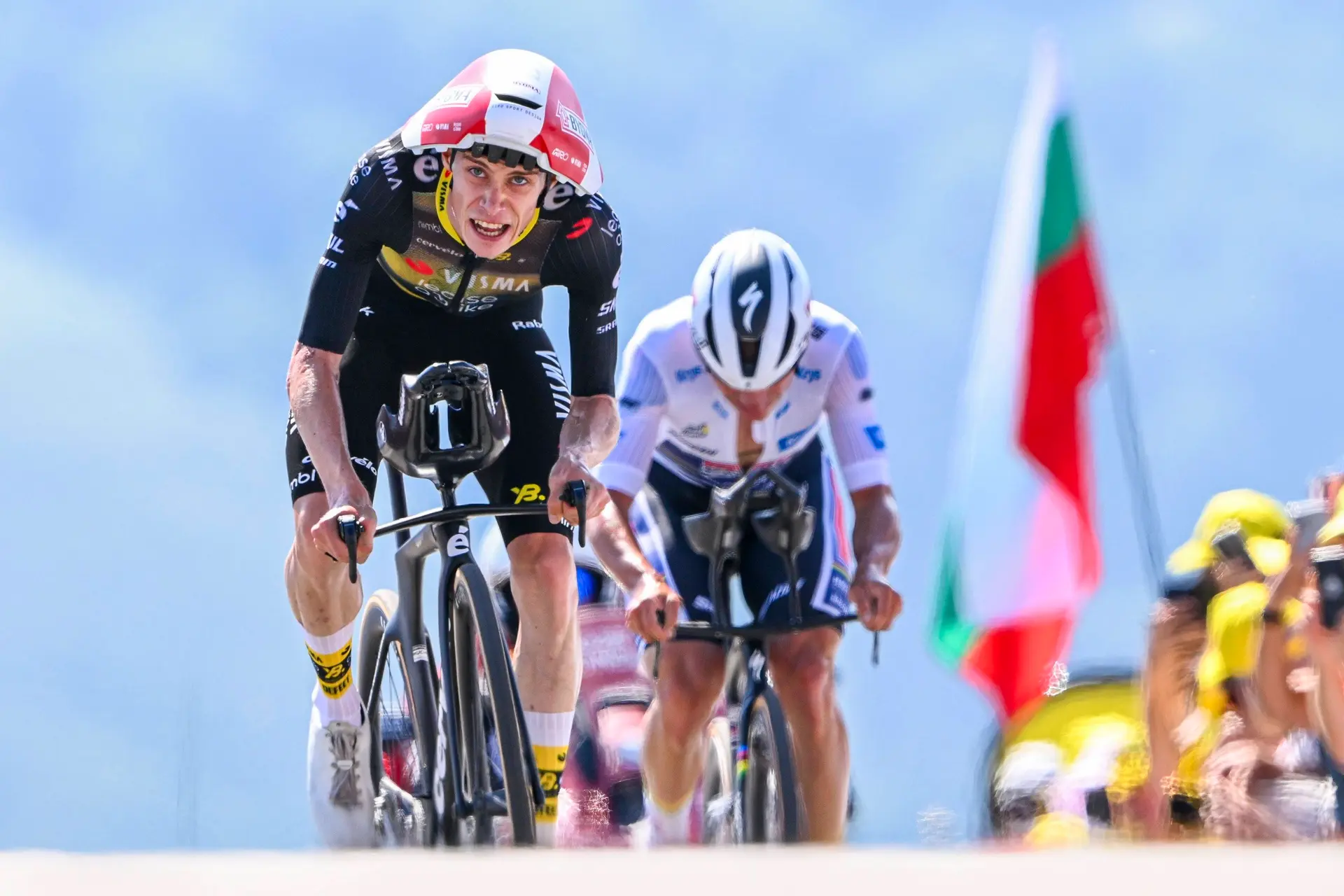
"Well, by creating an alternative schedule to the one Pogacar uses. We know that when he's there, it's very difficult. Pogacar, Evenepoel… but well, we have to do our best," he explains. "And if Pogacar wins, we'll fight for second place".
However, the Spaniard does not see the domination of Pogacar as a bad thing for the sport, but quite the opposite: "I think cycling is booming. The Pogacar effect has brought many more people into the sport. Before, it was the Giro, the Tour, and the Vuelta. Now people follow more events. We need to find a balance".
Demands of being a pro rider
Samitier has a contract until 2027 however he knows that to remain at a high level, he must be able to continuously adapt to the new technology, training methods and nutrition that are constantly developed so as to bring out the best out of the riders.
"Cycling has changed a lot. Now riders climb mountain passes at incredibly high power levels and nobody gets left behind. Everyone trains much harder. The average level is so high that it's very difficult now," he continues. Despite being a second division rider, a modest figure within the French team, he highlights the demands to keep himself competitive in the World Tour peloton.
"Everything is pushed to its limits. You get home and you still have to take care of yourself: hypoxia chamber (to replicate high altitude, ed.), weight, [food] app… Everything is meticulously controlled".
"Perhaps that's what makes people lose their minds," he argues. "It's a combination of factors. Some people know how to handle it and others don't. But it's clear that you either adapt or you die".
Rúben SilvaEditor-in-Chief
A founding contributor to CyclingUpToDate since its launch in January 2022, Ruben Silva has played a central role in shaping the site’s editorial direction and long-term growth. Before joining the project, he built his experience through independent blogging at Echelons Hub and by producing race previews for Ciclismo Internacional, developing a strong analytical voice rooted in daily engagement with professional cycling.
Beyond editorial work, he has been closely involved in the expansion and coordination of CyclingUpToDate’s wider network, helping establish and support sister platforms across multiple languages. This includes ongoing collaboration with CiclismoAlDia (Spanish), CiclismoAtual (Portuguese), WielrennenUpToDate (Dutch), and RadsportAktuell (German), contributing to a shared editorial vision and consistent international coverage.
He also helps oversee editorial governance across the network, setting standards for accuracy and consistency and coordinating updates or corrections when needed.
Originally from the Porto metropolitan area in Portugal, he holds a bachelor’s degree in Geography. His path into cycling journalism was shaped not through formal media training, but through independent reporting, community engagement, and sustained on-the-ground involvement in the sport.
Over the course of his career, he has conducted approximately 100 interviews across road cycling and cyclocross, ranging from one-to-one conversations and online formats to press conferences and on-site pre- and post-race coverage. His interviews include leading riders, team managers, and prominent figures within cycling media: Tadej Pogacar, Jonas Vingegaard, Mathieu van der Poel, Primoz Roglic, Wout van Aert, Joao Almeida and Tom Pidcock; managers like Patrick Lefevere and Joxean Matxin; and YouTube personality Bryan Kennedy (BKXC)...
Within 18 months of launch, he helped grow CyclingUpToDate’s English-language platform into one of the most-read cycling news websites, built entirely from the ground up. As both a professional journalist and lifelong cycling enthusiast, his focus remains on delivering accurate, timely, and well-contextualized coverage.
claps 8visitors 4
Just in
Popular news
Latest comments
- Campenaerts looked like a rolling pumpkin with that all orange leaders skinsuit !frieders318-10-2026
- He can take his dumb a$$ politics somehwere else !frieders318-10-2026
- good to have her back. fingers crossed she‘ll be able to stay!Ketterechts17-10-2026
- A tenner and he wins the Tour next year, too 😂anonymouscyclist17-10-2026
- the answer is either stick to classics or GTs but not bothabstractengineer17-10-2026
- the exodus already stared with Ciccone. Already they were struggling with two sprinters, now there are three. Also Ganna will demand leadership. Gall is the most proven GC, Ayuso has the most potential. GC leadership for everybody will be impossible. Literally a UAE style mess without pogi.abstractengineer17-10-2026
- I raced as an amateur for 12 years, including six years on my country’s national road cycling team. I secured two national titles and competed in three World Championships plus more than 15 international stage races. At 23, we travelled to Italy for a training camp—or so I assumed. On a rest day, we watched a presentation about adopting a more “professional” training approach. It was crystal clear what “professional” meant. That moment first exposed me to this dilemma. After returning from Italy, I left cycling—at least at the competitive level I had known. Over the following two years, the whole team was caught doping. I hold that everyone is innocent until proven guilty. In my view, current stakeholders operate on a different scale, and the sums involved are vast. I am unsure whether any doping would ever be revealed. I try to stay positive and enjoy the show. My 2c.
 vannpelt17-10-2026
 - Fiver he wins 🤣
 leedorney17-10-2026
 - “…measures to reduce speeds.” Might as well shorten the race course to just 50km as well? ASO generates at minimum €300m a year and 30- 40% profit. Maybe stop being greedy and spend more of the profit to protect the riders instead.b3tlla17-10-2026
- he also had quite the life off the bike during his pro years. he used his celebrity status to full affect.mij17-10-2026
Loading
Write a comment