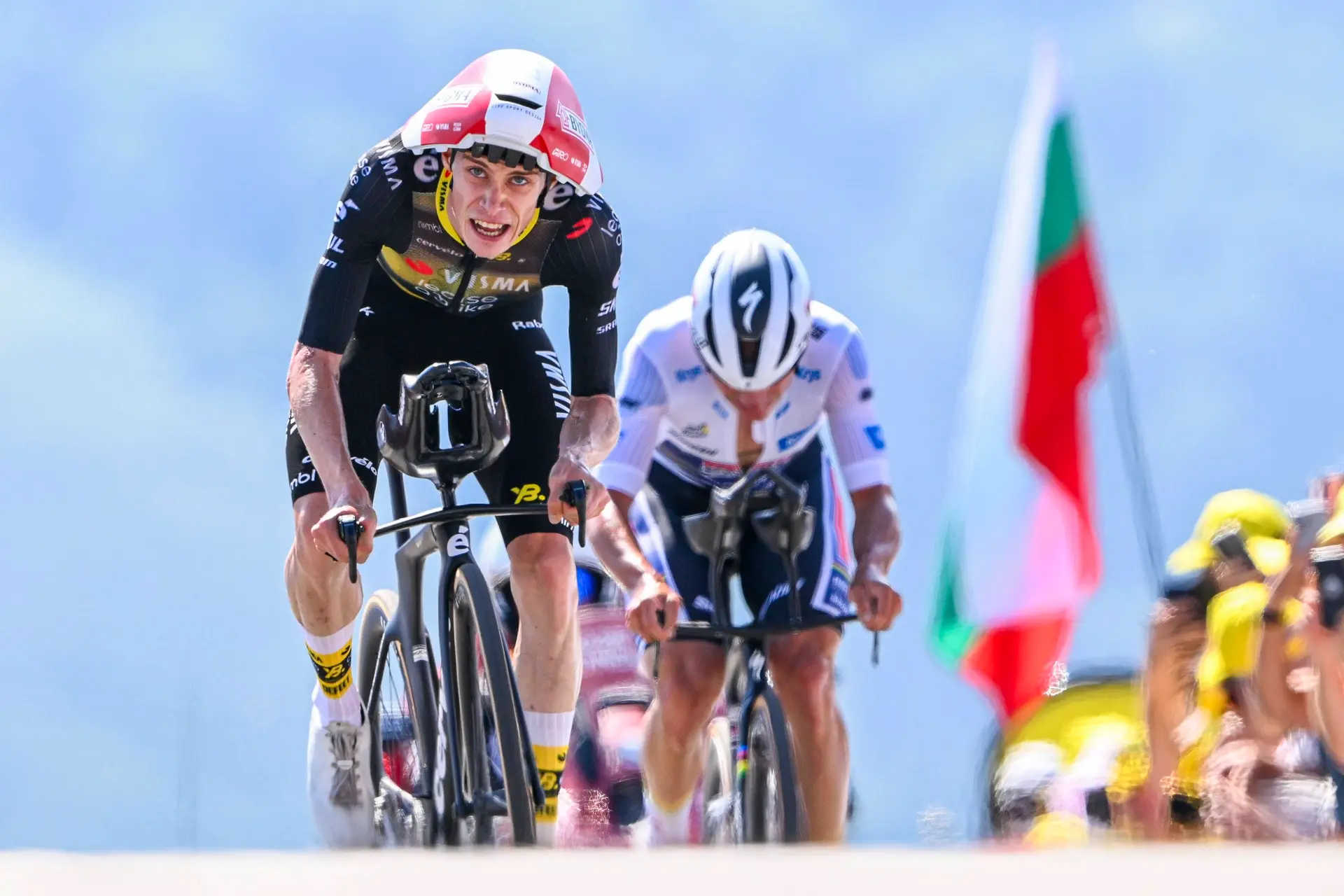
Remco Evenepoel’s first month with Red Bull – Bora – hansgrohe
has produced numbers that demand attention. Eight race days have yielded five
victories, a 62.5 per cent win rate before the middle of February. Ok, so the
level of competition has not mirrored what he will face in July, but the
authority of his performances has stood out. More significantly, the context
around those wins marks a sharp contrast to where he stood just 12 months ago.
Evenepoel has entered 2026 with a full winter behind him and
a new team built with Grand Tour ambitions in mind, and it looks already like
the blockbuster cycling transfer of the 2020s is paying off. A year earlier,
his season had barely begun by this point. In fact, it had not begun at all.
His 2025 campaign was derailed before it properly started when a December
training crash left him with multiple fractures and nerve damage.
Let’s cast our minds back to this time last year, where the
Belgian was in a very different spot.
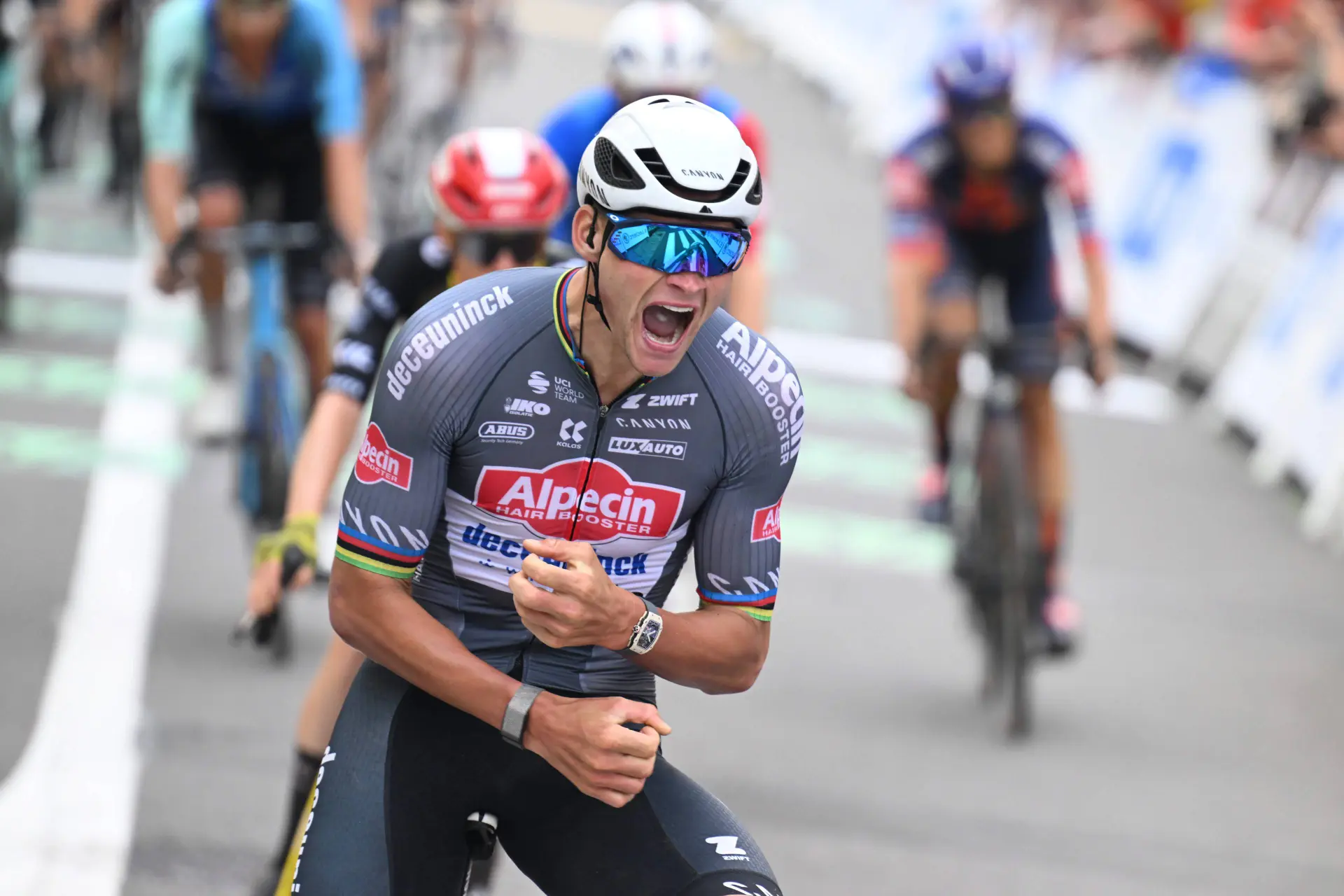
Remco Evenepoel’s injury hit 2025
“After a few weeks with the injury, we discovered a nerve
injury,” Evenepoel said after the crash. “This one has not healed yet. There’s
a part of the shoulder muscle that is not working at all for the moment.” He
later admitted how close the situation felt to something more final: “If I were
a tennis player, or a volleyball player, then my career would have been over.
So luckily, I’m a cyclist.” Reflecting on the incident, he also conceded, “Of
course, the injuries were quite severe.”

Remco Evenepoel is already shining in Red Bull - BORA - hansgrohe
That disrupted winter pushed his 2025 debut back to April.
By mid-February last year, he was still rehabilitating, still rebuilding
strength, still waiting to join the competition. One thing’s for certain, the
absence of a normal base period lingered throughout the season. He was able to
return to racing, but the foundation was compromised, and it showed when the
demands intensified.
The Tour de France exposed that fragility. Evenepoel began well
and picked up a win in the first week, but faded dramatically in the mountains
before abandoning at the end of week 2. “It just wasn’t working, I was empty,”
he said afterwards. He offered further detail on the lead-in to the race:
“After the Dauphiné, I haven’t been able to do a single training session
either.” When pressed on the physical toll, he was blunt, saying “I couldn’t
handle any intensity.”
Those admissions emphasised how much of the damage had been
done months earlier. Grand Tours rarely forgive interrupted preparation.
Evenepoel’s collapse was not simply a matter of bad legs on a single day, it
was the accumulation of a winter without proper conditioning and a spring spent
chasing lost form.
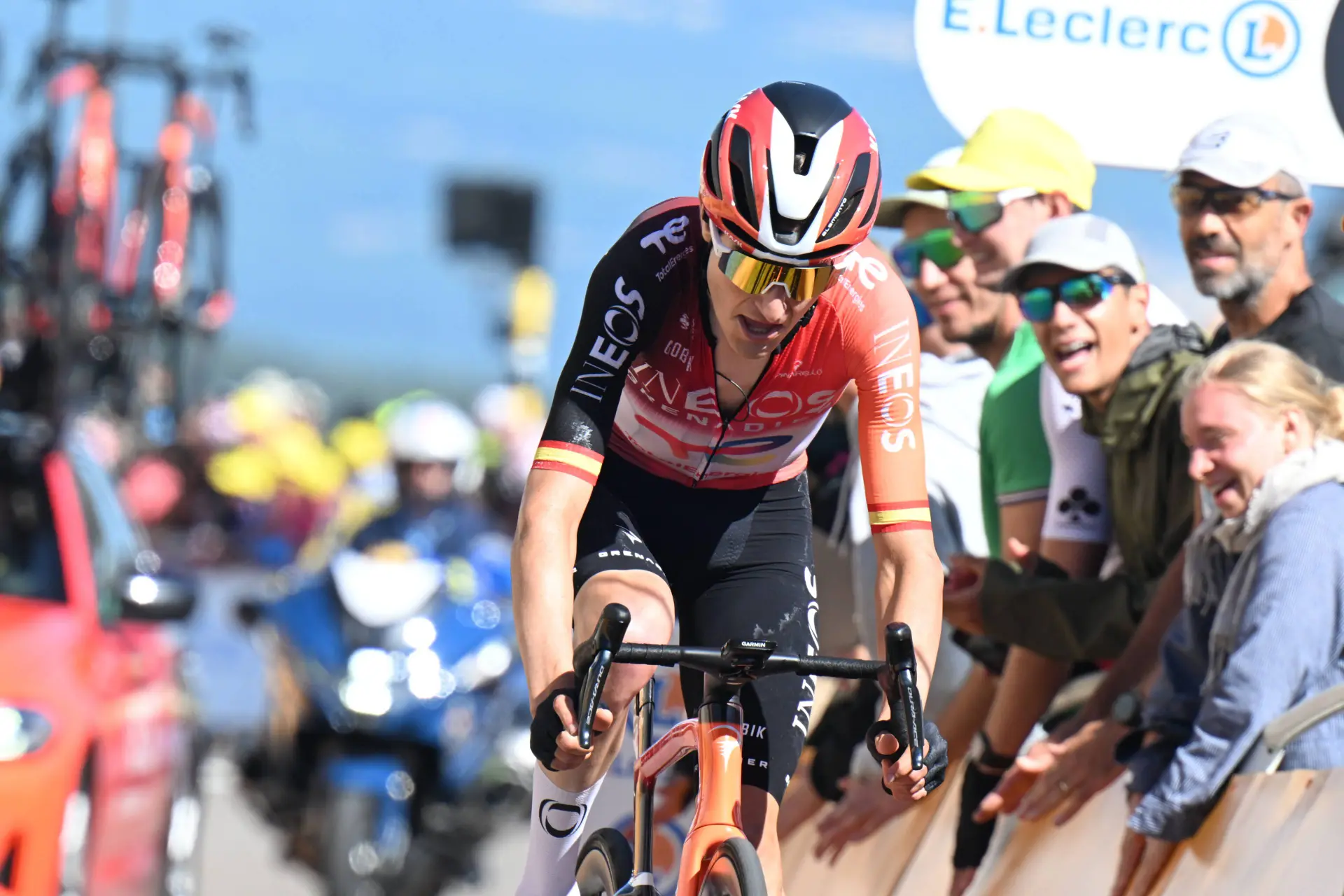
Had Evenepoel outgrown Quick-Step?
There was also the structural issue that followed him during
his years at Soudal – Quick - Step. In the high mountains of the Tour, the
Belgian often found himself isolated earlier than his principal rivals. Teams
such as UAE Team Emirates and Visma Lease a Bike were able to deploy multiple
climbing leaders deep into decisive stages.
Those rivals fielded superstars around Pogacar and
Vingegaard, where Evenepoel was often left to fight on his own. Ilan Van Wilder
defended the team at the time, arguing, “It’s very easy to always compare us
with teams that use captains as domestiques, like UAE. In my opinion, that’s
not a realistic comparison.” The comparison persisted regardless.
Red Bull – Bora – hansgrohe’s recruitment of Evenepoel was
designed to change that dynamic. The project was not about collecting
early-season trophies, it was about building a structure capable of sustaining
him through three weeks in July. Still, the early trophies matter because they
reveal condition and rhythm.

Five wins from eight days is not common in modern WorldTour
racing, even if those races fall outside the sport’s hardest tier. The manner
of the victories has been particularly impressive, as Evenepoel has won from
breakaways and through controlled general classification efforts. His time
trialling remains a weapon, and when the road tilts upward he has shown the
capacity to attack decisively rather than merely follow wheels.
At the Volta a la Comunitat Valenciana, he surged clear on a
brutal ramp on stage 4 to claim what was his fifth victory of the year. The
move was calculated rather than reckless, but he looked the part. Evenepoel’s
public tone has also shifted slightly. Ahead of a possible early-season duel
with Tadej Pogacar, he stated, “We’re not avoiding anyone.”
He’s clearly up for a fight.
There is an obvious caveat: February form does not guarantee
July endurance. The Tour de France is won on repeated Alpine and Pyrenean
climbs where sustained pacing and team depth decide outcomes, and Evenepoel was
destroyed by the Pyrenean phase last year. Evenepoel’s challenge will be to
carry this condition forward without peaking too soon. He has addressed that
concern directly. “There’s still room for improvement,” he said when asked
about the possibility of hitting top form prematurely.
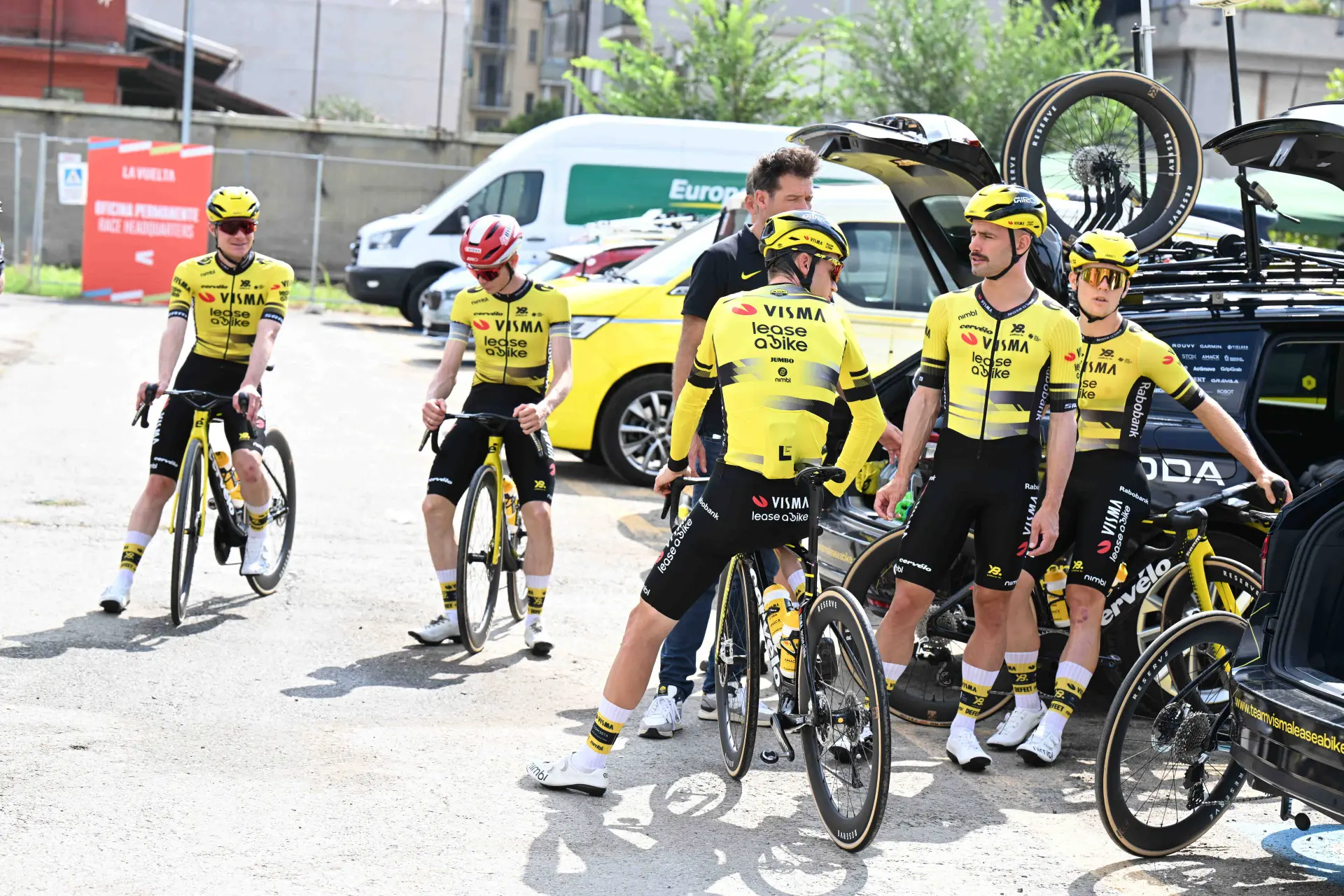
A complete turnaround
The comparison with this time last year remains stark. In
February 2025, he was still two months away from pinning on a race number. Now
he has already accumulated victories and race kilometres in his legs. That
difference alone alters the trajectory of his season, as rather than playing
catch-up, he is building.
One of the questions being whispered amongst fans is whether
this start changes his standing relative to Jonas Vingegaard at the Tour.
Beating Vingegaard over three weeks has proven one of the sport’s most
demanding tasks. The Dane’s combination of climbing depth and team strength has
been decisive in previous editions, although he has lost his coach and Simon
Yates in recent weeks.
Yet preparation is rarely linear. Vingegaard himself has
experienced early-season interruptions this year, postponing his planned debut
due to a crash in training. Such setbacks do not define July, but they
illustrate how quickly margins can shift, and Evenepoel has clearly had a
smoother start to 2026.

Remco Evenepoel was with Soudal Quick-Step for 7 years prior to this winter
I am talking now as if Tadej Pogacar is guaranteed to win
the 2026 Tour de France. He is of course not, and cycling is a sport where we
know anything can happen. At the same time, if 2025 is anything to go by, it is
difficult to imagine anything but a race for second this July.
For Evenepoel to target second place behind Pogacar, or
indeed to challenge higher, several factors must align. First, his time trial
advantage must translate into meaningful gains, which he has managed in many
grand tours before. Second, he must limit losses on the longest summit finishes,
and avoid any collapse. Third, the Red Bull – Bora – hansgrohe mountain group
must remain present deep into decisive stages. The early signs of cohesion are
encouraging, but the Tour’s terrain is unforgiving.
Other riders have demonstrated how a new environment can
produce immediate results. Tom Pidcock’s move to Q36.5 yielded overall victory
at the AlUla Tour in his first race with the team, described as “a perfect
first race.” Pidcock then enjoyed a quieter Giro, before stepping onto his
first grand tour podium at last September’s infamous Vuelta a Espana.

Evenepoel’s case is distinct because of the scale of
expectation. He is not seeking stage wins alone, he is attempting to
recalibrate his Grand Tour ceiling. The collapse of 2025 was shaped by injury
and incomplete preparation. The opening month of 2026 suggests a rider restored
to a normal rhythm.
The statistical headline, five wins in eight race days, is
striking, but the deeper significance lies in what it implies about continuity.
Last year, the season began with recovery and uncertainty. This year, it has
begun with momentum. Whether that momentum carries through the spring and into
the Tour will determine if he can realistically aim to overhaul Vingegaard for
second place.
For now, the contrast is undeniable. Twelve months ago,
Evenepoel was waiting to start. Today, he is already winning.

Remco Evenepoel celebrating a victory for Red Bull - BORA - hansgrohe

Fin MajorCycling Journalist
Fin Major is a UK-based writer at CyclingUpToDate and has been part of the team since 2024. He is the site’s main writer for FAQs and evergreen explainers and has written around 2,000 pieces for the platform. Alongside this work, he focuses on in-depth analysis and covers the biggest races on the calendar, including the Tour de France, the Giro d’Italia, and La Vuelta a España, providing clear context around performance trends, tactics, and key storylines.
In his reporting, Fin uses reputable data sources such as ProCyclingStats for results, statistics, and historical context. He places strong emphasis on careful sourcing, editorial accuracy, and updating articles promptly when new, verified information becomes available. Outside of writing, Fin is an active cyclist, which supports his practical understanding of the sport and its demands.
claps 0visitors 0
Just in
Popular news
Latest comments
- Campenaerts looked like a rolling pumpkin with that all orange leaders skinsuit !frieders318-10-2026
- He can take his dumb a$$ politics somehwere else !frieders318-10-2026
- good to have her back. fingers crossed she‘ll be able to stay!Ketterechts17-10-2026
- A tenner and he wins the Tour next year, too 😂anonymouscyclist17-10-2026
- the answer is either stick to classics or GTs but not bothabstractengineer17-10-2026
- the exodus already stared with Ciccone. Already they were struggling with two sprinters, now there are three. Also Ganna will demand leadership. Gall is the most proven GC, Ayuso has the most potential. GC leadership for everybody will be impossible. Literally a UAE style mess without pogi.abstractengineer17-10-2026
- I raced as an amateur for 12 years, including six years on my country’s national road cycling team. I secured two national titles and competed in three World Championships plus more than 15 international stage races. At 23, we travelled to Italy for a training camp—or so I assumed. On a rest day, we watched a presentation about adopting a more “professional” training approach. It was crystal clear what “professional” meant. That moment first exposed me to this dilemma. After returning from Italy, I left cycling—at least at the competitive level I had known. Over the following two years, the whole team was caught doping. I hold that everyone is innocent until proven guilty. In my view, current stakeholders operate on a different scale, and the sums involved are vast. I am unsure whether any doping would ever be revealed. I try to stay positive and enjoy the show. My 2c.
 vannpelt17-10-2026
 - Fiver he wins 🤣
 leedorney17-10-2026
 - “…measures to reduce speeds.” Might as well shorten the race course to just 50km as well? ASO generates at minimum €300m a year and 30- 40% profit. Maybe stop being greedy and spend more of the profit to protect the riders instead.b3tlla17-10-2026
- he also had quite the life off the bike during his pro years. he used his celebrity status to full affect.mij17-10-2026
Loading
Write a comment