"Not often I get the chance to race without Tadej Pogacar. I'm going to enjoy it" — Matteo Jorgenson relieved by world champion's absence at La Vuelta 2025
Cycling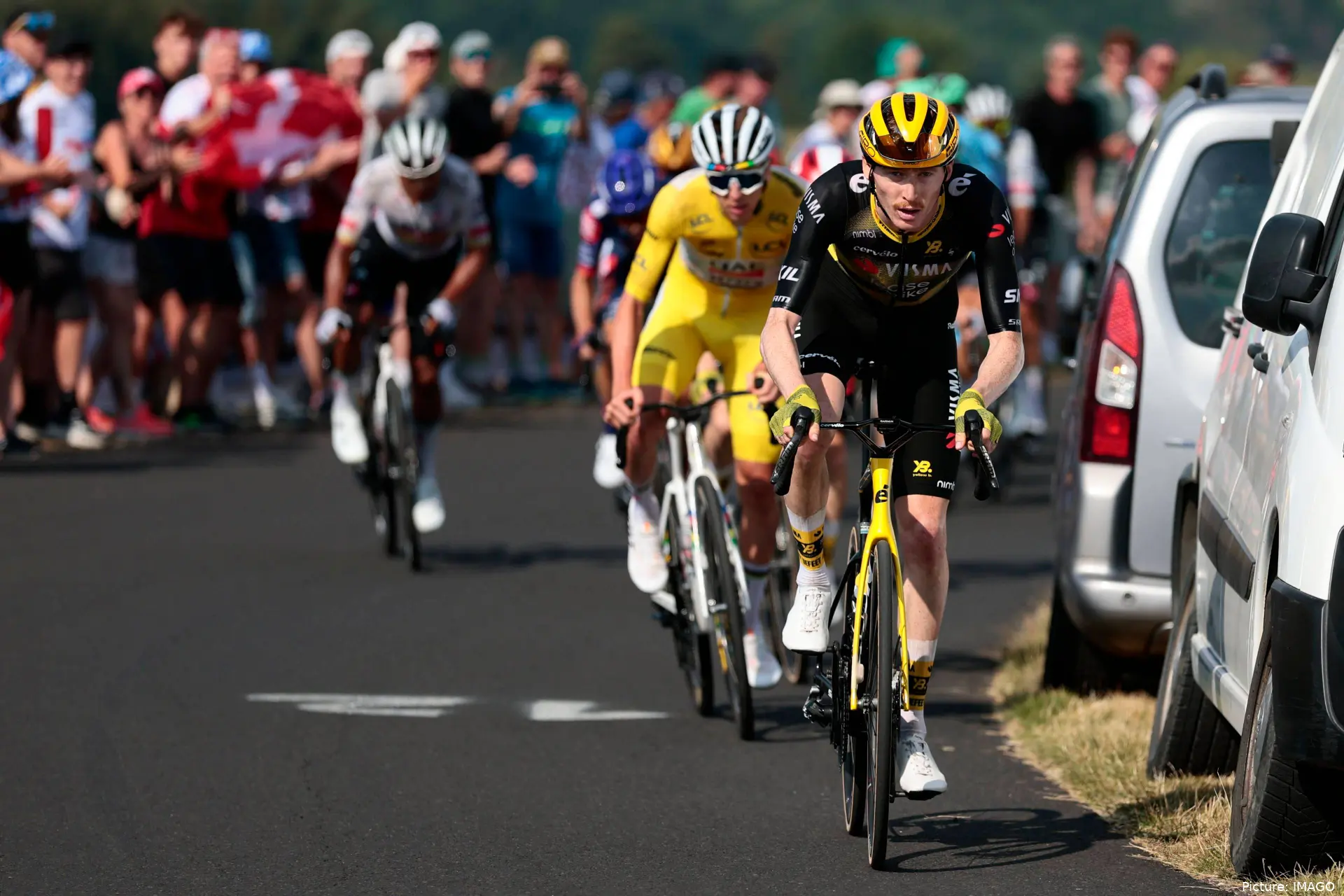
“It's not often I get the chance to race without Tadej Pogacar. I'm going to enjoy it,” Matteo Jorgenson has admitted ahead of the 2025 Vuelta a Espana, capturing the rare freedom that lies before the American.
With Pogacar skipping the final Grand Tour of 2025, the peloton’s dynamics are suddenly open, and Jorgenson — already a two-time Paris–Nice winner and top-ten Tour de France finisher — enters Turin as both a key lieutenant for Jonas Vingegaard and a genuine wildcard for GC ambitions. After a season that has seen him transition from opportunistic attacker to serious Grand Tour contender, the 26-year-old faces a Vuelta that could define the next phase of his career.
Relief and opportunity without Pogacar
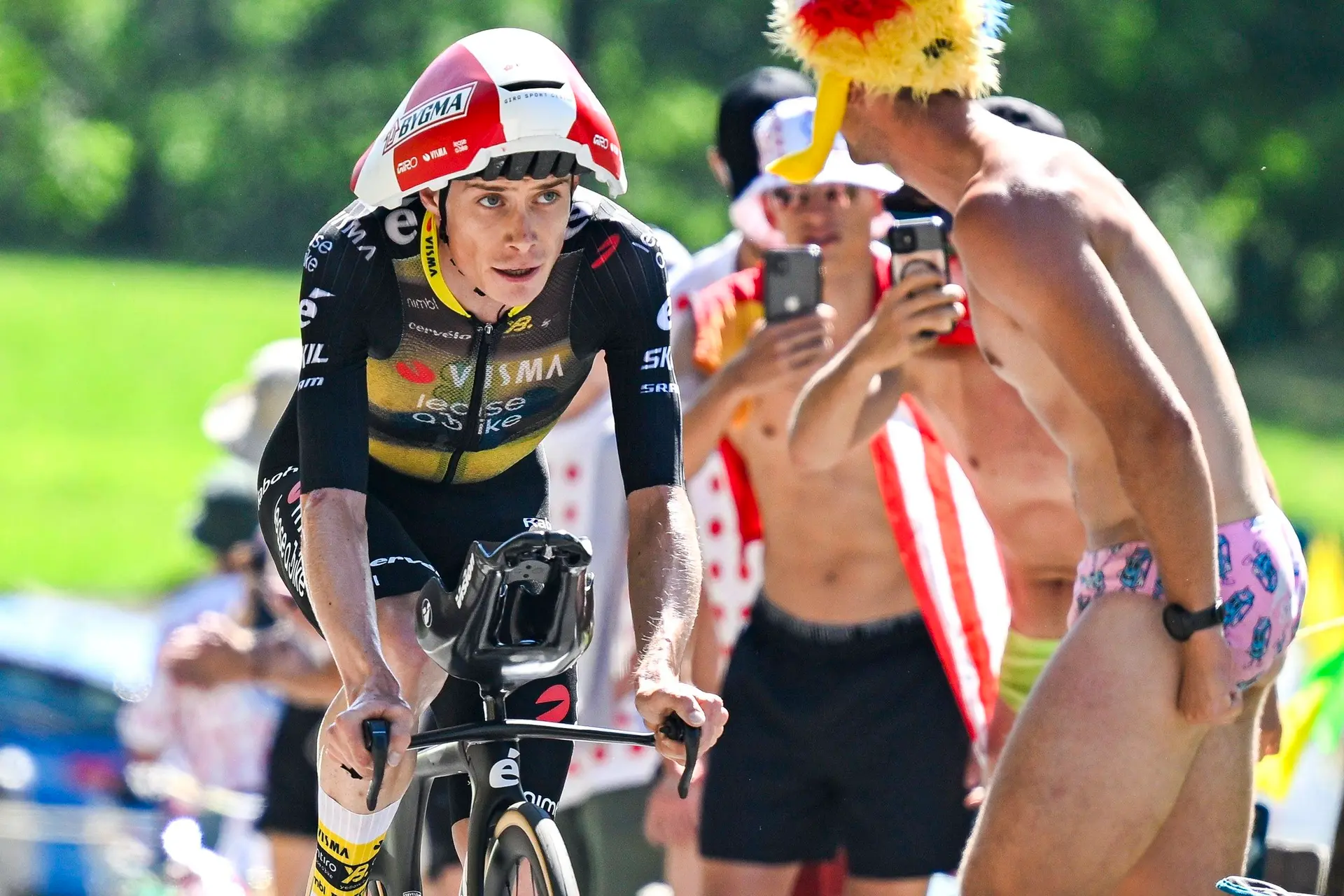
“Um, is it a relief... Yes, actually, yes,” Jorgenson said when asked about the Slovenian world champion’s absence in comments collected by IDL. “The race will be very different without him, because every rider will ride differently now that he's not there. When Pogacar is in the race, he forces others to ride differently, whether you're going for stage wins or the GC. I'm looking forward to it.”
For Team Visma | Lease a Bike, this changes the tactical landscape. Jonas Vingegaard remains the undisputed team leader, with a climbing squad carefully assembled to support his GC bid. But Jorgenson’s presence adds flexibility. He can ride as a mountain lieutenant, chase selective stages, or even emerge as a secondary GC threat if circumstances allow. “I really have to see how it goes, I have no idea how my body will react. Racing for the GC is one of my goals these days, and the team knows that and supports me in that. So this Vuelta could be a good opportunity, but we'll have to see how good I am and how the race unfolds,” he said.

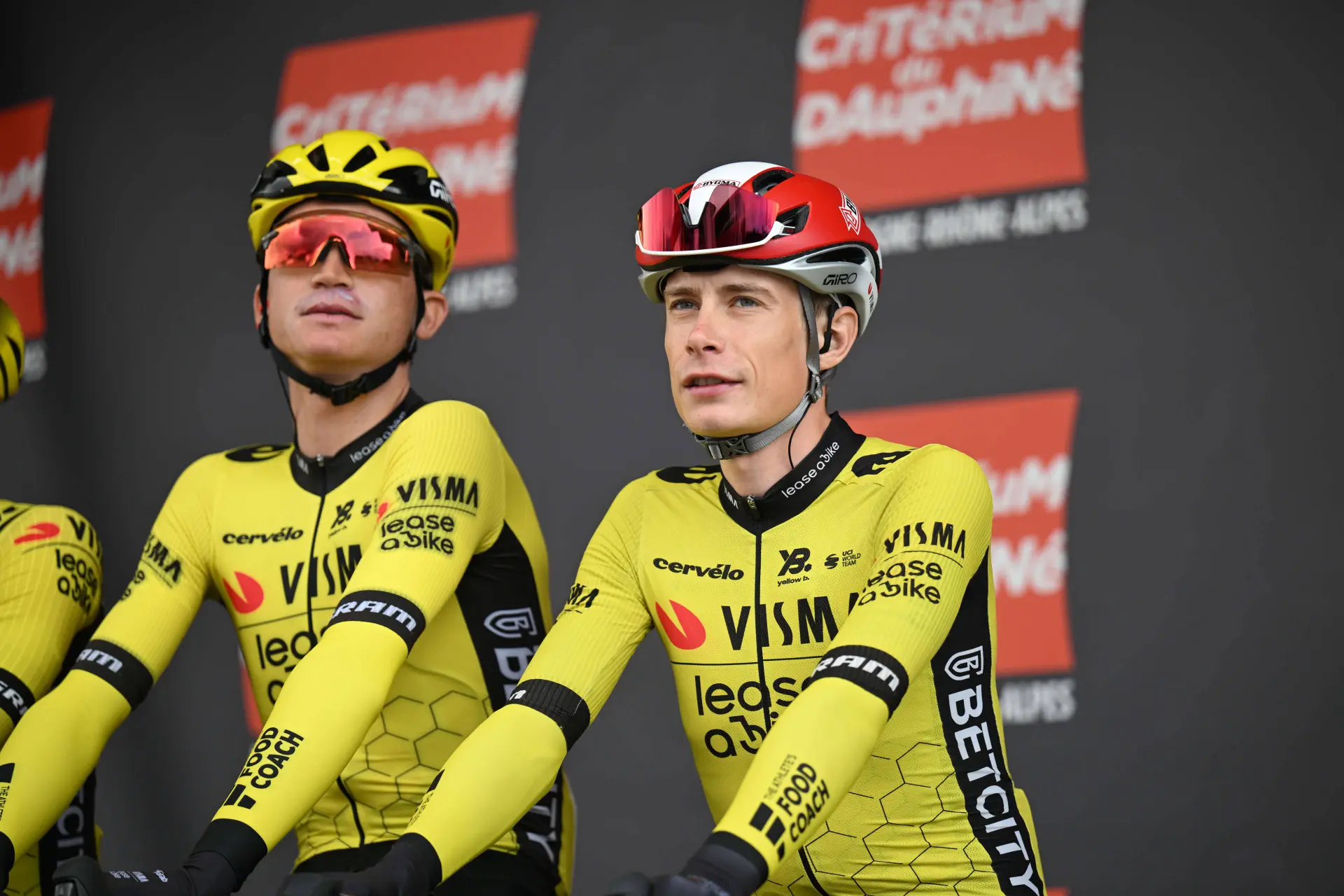
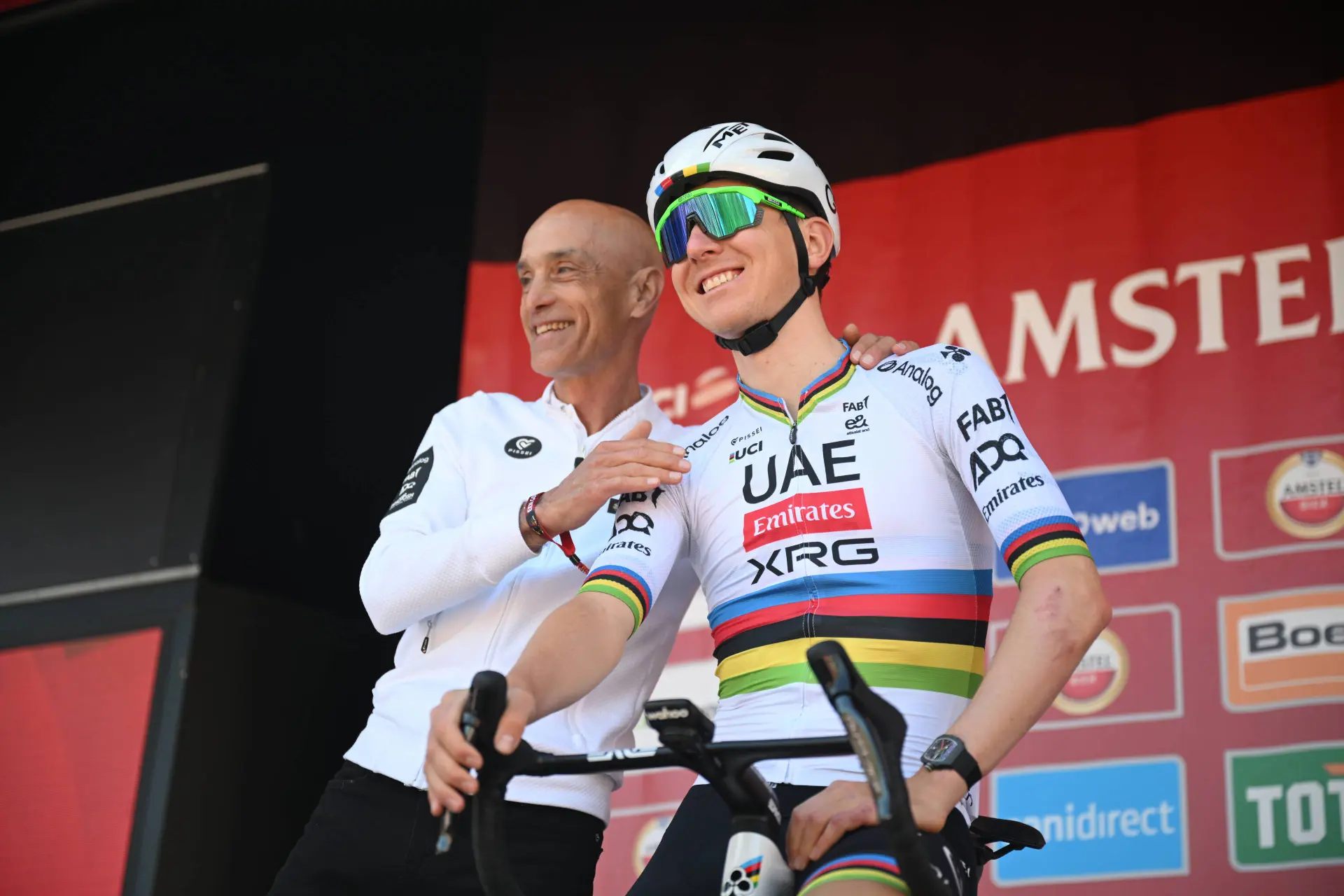
Jorgenson was all smiles ahead of the team presentation
Reinventing himself at Visma
Since joining Visma in 2024, Jorgenson has embraced a new role. “Since joining Visma, I’ve been allowed to reinvent myself as a backup leader,” he said. That reinvention has been reflected in results: a Paris–Nice win in his debut season, an eighth-place finish at the Tour de France, and a repeat Paris–Nice victory this year. The team has backed this evolution with a long-term contract extension through 2029, signalling their belief in his GC potential.
His previous years at Movistar were different. “During my years with Movistar, I rode the Giro d'Italia once and the Tour twice, but always as an attacker,” Jorgenson recalled. At Visma, the focus is broader: he can support Vingegaard while still aiming to grow as a Grand Tour rider in his own right.
Preparing for a second Grand Tour
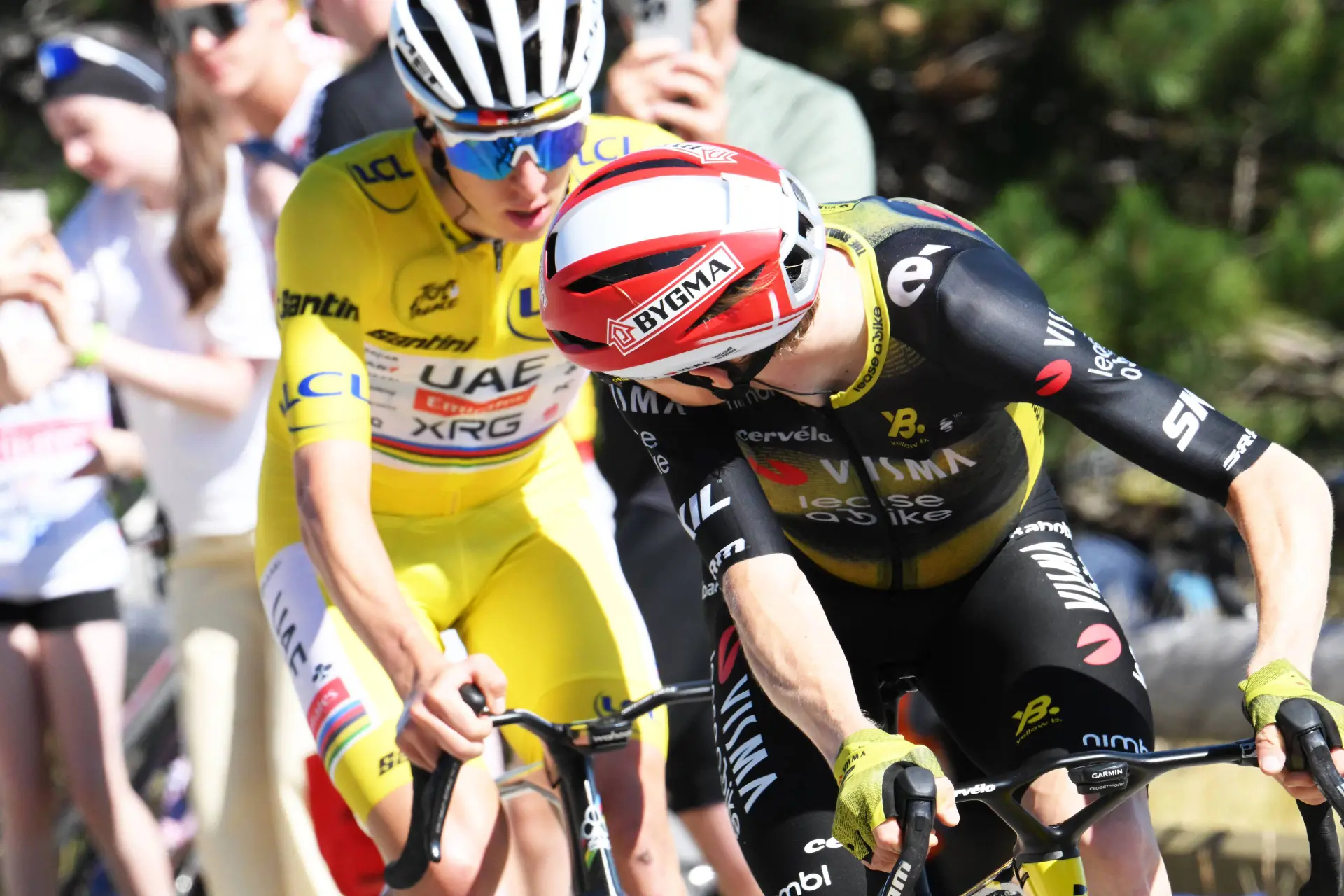
The double Grand Tour schedule is always a delicate balance. “The preparation for the Tour de France is very intense, with several months of training. For the Vuelta, it's very different. I've relied on my Tour preparation being sufficient. I've mainly made sure that my brain and spirit are back at the level I want them to be,” Jorgenson explained.
He outlined a measured approach to his post-Tour training: “I took a few days off and started training again. I did a few three-day blocks and that was it.” By avoiding overtraining, he hopes to maintain the sharpness that allowed him to contest the Tour while entering the Vuelta ready to contribute meaningfully — either in support or, if the opportunity arises, for his own ambitions.

Jorgenson won Paris-Nice for the second time earlier this year
Coordination with Vingegaard
Despite sharing a coach and training philosophy with team leader Vingegaard, Jorgenson emphasised their independent preparations. “Jonas and I do have the same coach, and we will have had a fairly similar preparation, the same block after the Tour de France. We almost always do the same training, except he pedals harder, haha!”
This independence allows Jorgenson to maintain his own race readiness while still being fully available to assist Vingegaard in the mountains or on critical stages. His flexibility is a tactical asset for a team that knows the Vuelta can be unpredictable, especially in the absence of Pogacar.
A Vuelta of possibilities
Jorgenson is candid about the potential scenarios: he could ride strictly in service of Vingegaard, target breakaways for stage wins, or seize an unexpected GC opportunity. “That’s why I was very interested in riding the Vuelta, because I knew it would be easier than if I had taken a break and had to work my way back up again for smaller races,” he said.
For knowledgeable fans, the key storyline will be how Jorgenson balances personal ambition with team duties. His “brain and spirit” may be as decisive as his legs in the coming weeks, shaping whether he simply supports Vingegaard or becomes a headline contender himself.
Ultimately, Jorgenson is embracing the rare chance the race presents. “I'm looking forward to it. It's not often I get the chance to race without him. I'm going to enjoy it,” he repeated. For a rider whose 2025 season has been about evolution, this Vuelta offers both a challenge and an opportunity: a chance to prove that he is more than just a lieutenant, but a rider capable of shaping a Grand Tour in his own right.

Kieran WoodDeputy Editor-in-Chief
Kieran Wood is a sports journalist based in Wales and has been active in journalism since 2022. He regularly contributes to DartsNews.com and CyclingUpToDate.com, where he covers professional cycling and darts. In cycling, his work includes liveblogs from major races, including the Tour de France, the Giro d’Italia, and La Vuelta a España, alongside race reports and analysis. He has also conducted interviews with professional riders.
His reporting spans the full racing calendar, from one-day classics to stage races, with a focus on accurate, real-time coverage and clear contextual analysis. For statistics, results, and historical context, he regularly uses resources such as ProCyclingStats. To support reporting on rider activity and training context where relevant, he also references Strava.
In his work, Kieran places strong emphasis on careful sourcing, editorial accuracy, and updating articles as new, verified information becomes available.
claps 0visitors 0
Just in
Popular news
Latest comments
- Nothing. Against Pogi nothingabstractengineer18-10-2026
- He didn't even try to sprint all outvappaxbipmv18-10-2026
- Campenaerts looked like a rolling pumpkin with that all orange leaders skinsuit !frieders318-10-2026
- He can take his dumb a$$ politics somehwere else !frieders318-10-2026
- good to have her back. fingers crossed she‘ll be able to stay!Ketterechts17-10-2026
- A tenner and he wins the Tour next year, too 😂anonymouscyclist17-10-2026
- the answer is either stick to classics or GTs but not bothabstractengineer17-10-2026
- the exodus already stared with Ciccone. Already they were struggling with two sprinters, now there are three. Also Ganna will demand leadership. Gall is the most proven GC, Ayuso has the most potential. GC leadership for everybody will be impossible. Literally a UAE style mess without pogi.abstractengineer17-10-2026
- I raced as an amateur for 12 years, including six years on my country’s national road cycling team. I secured two national titles and competed in three World Championships plus more than 15 international stage races. At 23, we travelled to Italy for a training camp—or so I assumed. On a rest day, we watched a presentation about adopting a more “professional” training approach. It was crystal clear what “professional” meant. That moment first exposed me to this dilemma. After returning from Italy, I left cycling—at least at the competitive level I had known. Over the following two years, the whole team was caught doping. I hold that everyone is innocent until proven guilty. In my view, current stakeholders operate on a different scale, and the sums involved are vast. I am unsure whether any doping would ever be revealed. I try to stay positive and enjoy the show. My 2c.
 vannpelt17-10-2026
 - Fiver he wins 🤣
 leedorney17-10-2026
Loading
Write a comment