“Maybe at the Giro d’Italia we’ll see a more open battle” – Mikel Landa questions expectation Jonas Vingegaard will romp to Maglia Rosa
CyclingTuesday, 24 March 2026 at 11:15
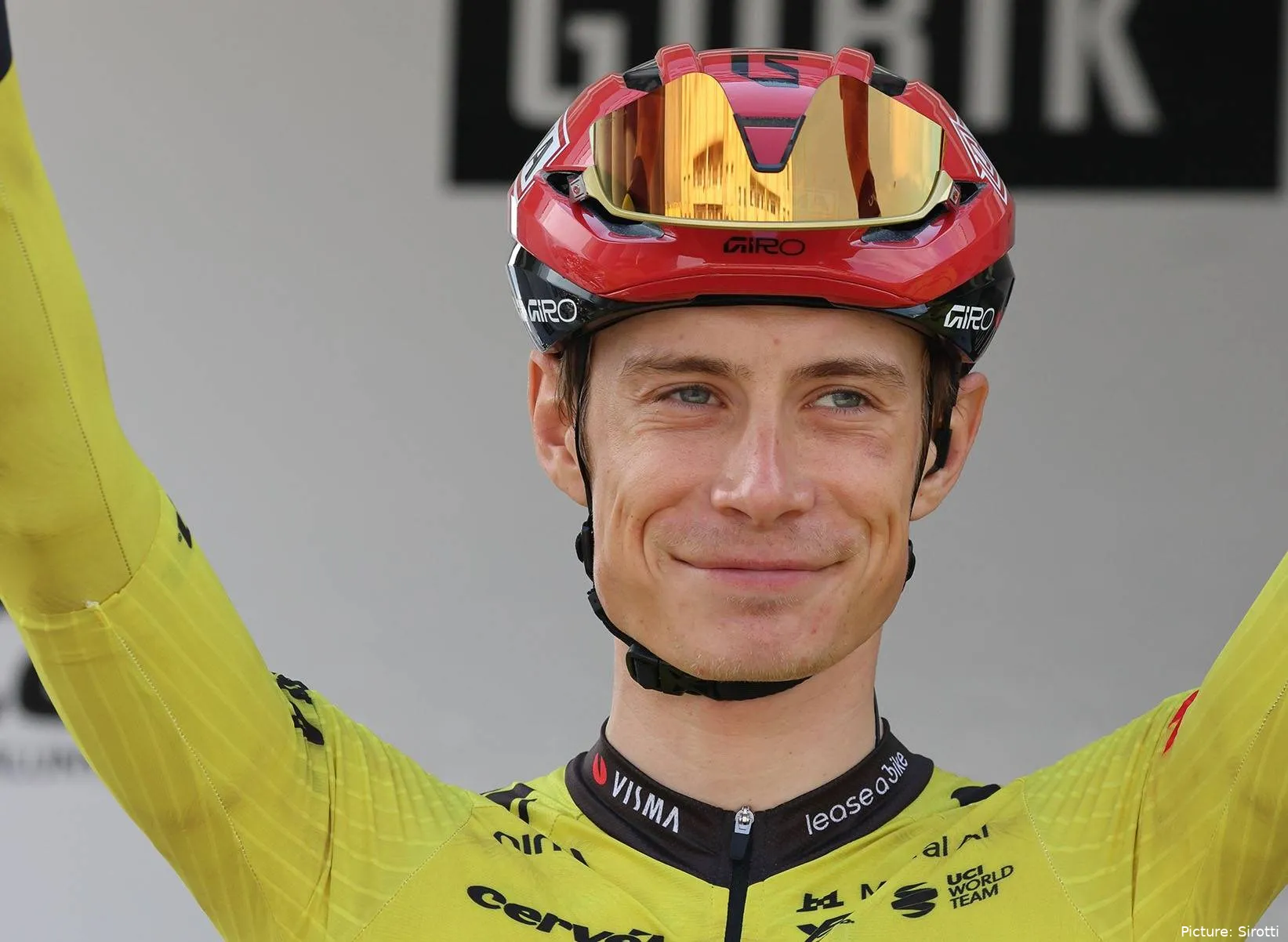
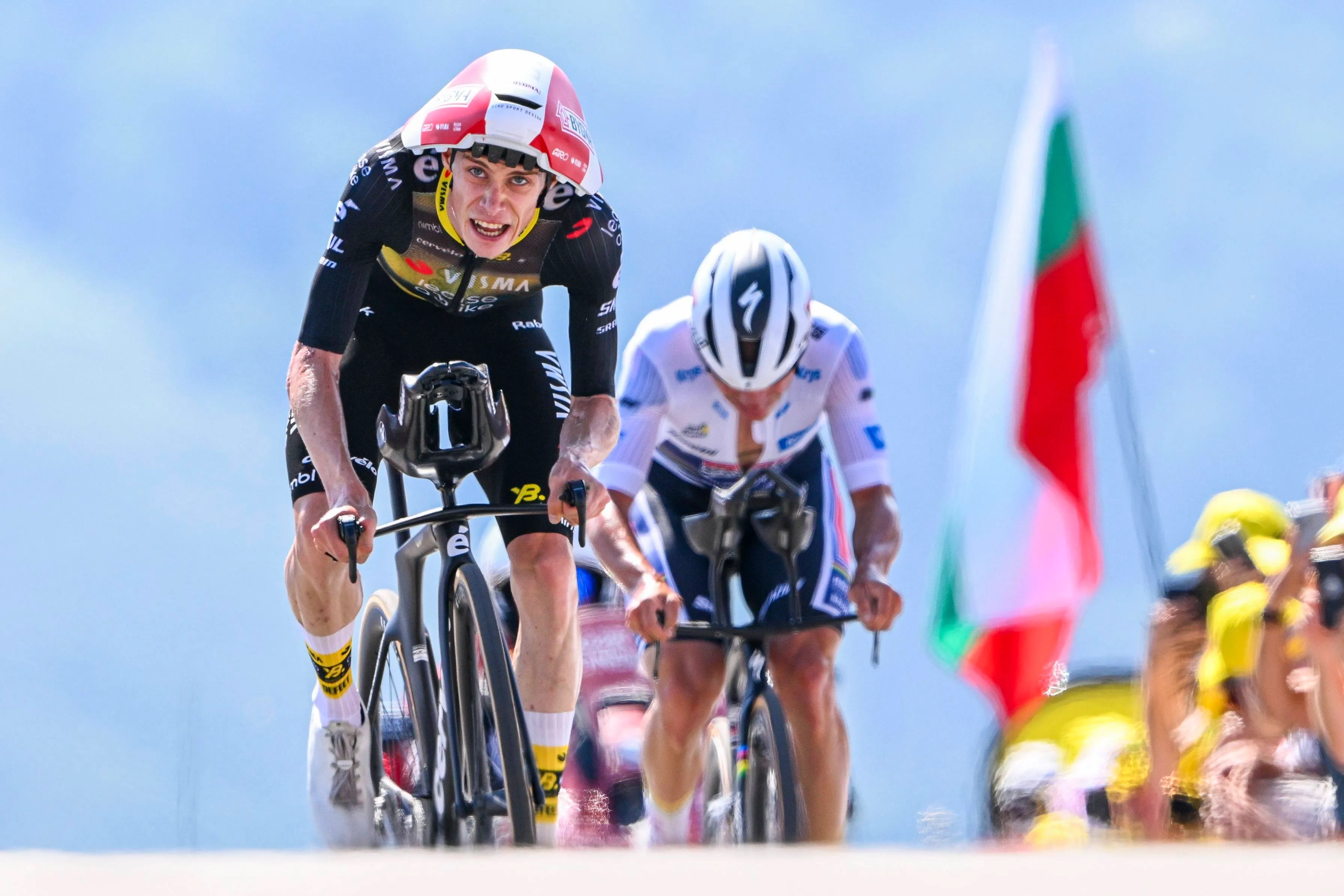
The assumption heading into the 2026 Giro d’Italia is clear. Jonas Vingegaard arrives as the standout favourite, with Joao Almeida widely seen as his closest challenger. But Mikel Landa is not entirely convinced the script will play out so cleanly.
Reflecting on how the Vingegaard-Almeida dynamic unfolded at the 2025 Vuelta a Espana, Landa pointed to a race shaped as much by fatigue and design as by rivalry itself.
“I think at La Vuelta, between the fatigue from the Tour and the extreme difficulty they added day after day, it limited the spectacle a bit. In the end, their duel was a bit restricted in the last edition, so maybe at the Giro we’ll see a more open battle than what we saw,” Landa says in conversation with Marca.
That subtle pushback matters. While the wider expectation is that Vingegaard could control the race in the absence of Tadej Pogacar, Landa instead leaves the door open to a less predictable contest when the Giro begins.

A different fight for Landa himself
If the headline names are shaping the race at the very front, Landa’s own outlook is notably more measured. The Spaniard is no longer framing his ambitions around outright podium contention, instead shifting towards a more opportunistic approach.
“It’s getting more difficult, so I’d rather be a bit more focused on fighting for a stage, while still being there in the general classification, but maybe without that obsession of being on the podium.”
That realism carries directly into his expectations for the Volta a Catalunya, where he lines up against many of the same riders expected to define the Giro. “A bit of everything. It’s not enough anymore just to get into rhythm; we’re already in March. You also have to take the opportunities that come. I’ll probably be lacking some race rhythm, and there are very strong rivals, so it will be difficult to win, but we’ll have to try to show ourselves.”
Rather than chasing a single outcome, Landa positions himself as a rider ready to react, whether that means targeting stages or simply staying present in the race as it develops.

Mikel Landa in action
A shifting role at Soudal - Quick-Step
That change in outlook is also reflected in his evolving place within Soudal - Quick-Step. No longer the central GC figure, Landa now finds himself balancing competitiveness with experience, guiding a younger group while still contributing on the road.
“We spoke a bit in the winter about what my role could be, where I saw myself. Guiding this new generation a bit, helping them, bringing some experience and being one more within the group. This team has always been about going for stages and being aggressive, and that’s what they want again: to fight for stages. Now that Remco isn’t here, to focus more on stage wins.”
It is a subtle but significant shift. The team identity leans back towards aggression and opportunism, and Landa’s role mirrors that direction.
Longevity, adaptation and what comes next
Even as his role evolves, Landa’s ability to remain competitive at the top level continues to rest on adaptation and routine. “For example, watts have been part of my career since I turned professional, so I’m used to that. But some newer trends, like heat training, are harder for me. Nutrition as well, but in general, I’ve adapted as much as possible.”
That experience also shapes his view of what it takes to endure in modern cycling. “A lot of sacrifice and the ability to recover. Our success, our performance, is based on daily recovery, whether it’s to reach peak form or recover from injuries. So in our heads it’s always about continuing, recovering and getting back on the bike.”
As for how much longer that process continues, even Landa is keeping his options open. “I don’t know. In my head, I want to continue. We’ll see during the year if it’s here or somewhere else, and under what conditions, but right now my idea is to keep going.”
For now, though, the immediate focus sits on Catalunya and what it reveals ahead of the Giro. And if Landa is right, the race for the Maglia Rosa may not be as straightforward as many expect.
claps 0visitors 0
Just in
Popular news
Latest comments
- The Emiratis and their Slovenian guinea pig are carrying out the most complex cycling fraud in history. Even worse, it's celebrated. It's just sad...
 vannpelt24-03-2026
 - What is it you are trying so say about Vin? He is a cowered or what? Say it outright don't infer it. That's just sleazy.Cyclingsbestfan24-03-2026
- We are discussing Vin. but Vin isn't looking to do that is he? That fortune thing may be true mij for Pog, but If that frame had collapsed where would fortune have got brave Pogacar?Cyclingsbestfan24-03-2026
- No don't go. Your posts make us smile at times..Cyclingsbestfan24-03-2026
- I don't think Tadej would have known about the cracked frame during the race. He wouldn't have taken the risk if he knew the condition of the bike.PogiFan2Day24-03-2026
- The phrase “To take into account” means to deal with factual information. What you mean is “let’s imagine,” because the things you say all didn’t happen. Your favorite rider won, and you still engage in fantasy. Why is that?RidesHills24-03-2026
- you're right, I'm stupid. No more.
 maria2024202424-03-2026
 - Unless you’ve won all the GTs you’ve raced so far and were going for immortality with a monument sweep. Fortune favors the bold.mij24-03-2026
- A sensible approach I would have thought mij with more important three week races in front of him. Pog was very brave the way he raced. Foolhardy some might say?Cyclingsbestfan24-03-2026
- There's all the stuff going on with Soler, while Gianetti and Matxín don't exactly have the cleanest pasts [whether they'd make the same mistakes again is debatable, but you can say that once a liar always a liar]. But I don't see anything suspicious about Pogacar's Milano-Sanremo - he's struggled so much with it. If there is anything suspicious it's what he does in the mountains and hills, not in Milano-Sanremo. If Pogacar was not so dominant in the mountains this would not be a discussion. This Erwann chap is just bitter that he got caught.
 Rafionain-Glas24-03-2026
Loading
Write a comment