“I expect him to be stronger than ever at the Tour de France” - Italian coach predicts Giro win to unlock new level from Jonas Vingegaard
Cycling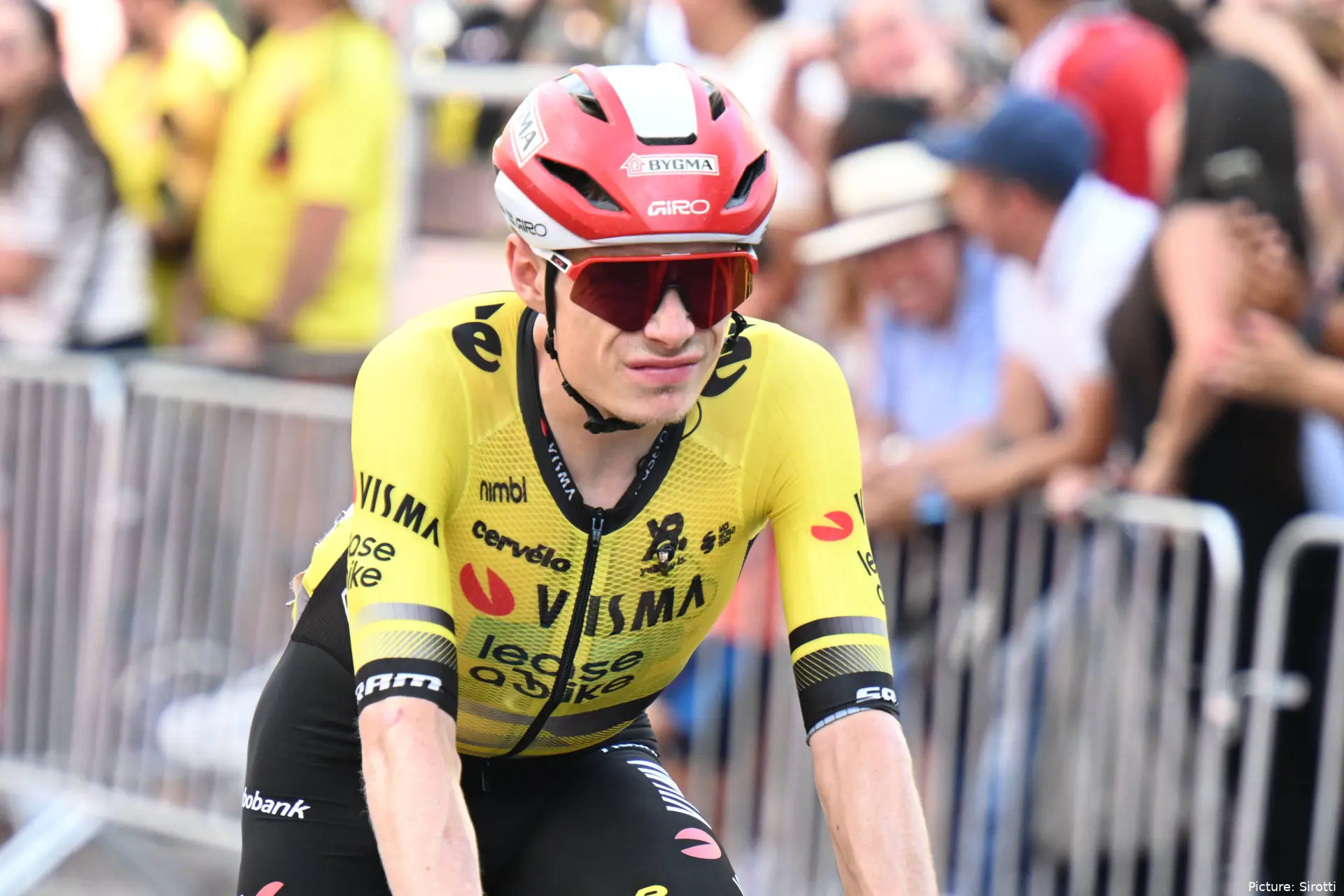
Jonas Vingegaard’s dominant victory at Paris-Nice may have answered early-season questions, but it has also raised a bigger one heading into the summer: Can the Dane take another step by attempting the Giro d’Italia before the Tour de France?
According to Italian coach Paolo Artuso, the answer is clear. Speaking to Bici.Pro, the experienced trainer believes the Team Visma | Lease a Bike leader is not only capable of winning the Giro, but that doing so could elevate him even further ahead of July.
“For me, he will take another step,” Artuso said. “After Paris-Nice he will do another altitude training block before the Giro d’Italia, and that will help him improve further. If he has no setbacks in the Giro and recovers well, he will take another step again ahead of the Tour de France.”
Paris-Nice dominance sets the platform
Vingegaard’s performance in France provided the foundation for that belief. The Dane controlled the race across the decisive stages, winning twice and building a commanding overall advantage of more than four minutes.
For Artuso, however, that dominance was not just about individual strength. “I saw a very strong Vingegaard, in form and supported excellently by his team. Those two elements together allowed him to dominate,” he explained.
Crucially, he also pointed to where that advantage was built. “The support of the team was fundamental in that stage, and what he gained there was important in creating that superiority.”
That observation speaks directly to the decisive crosswinds stage, where positioning and team strength shaped the race. It also underlines a broader point: while Vingegaard’s level was high, the structure around him amplified that advantage.
Not the only rider at a high level
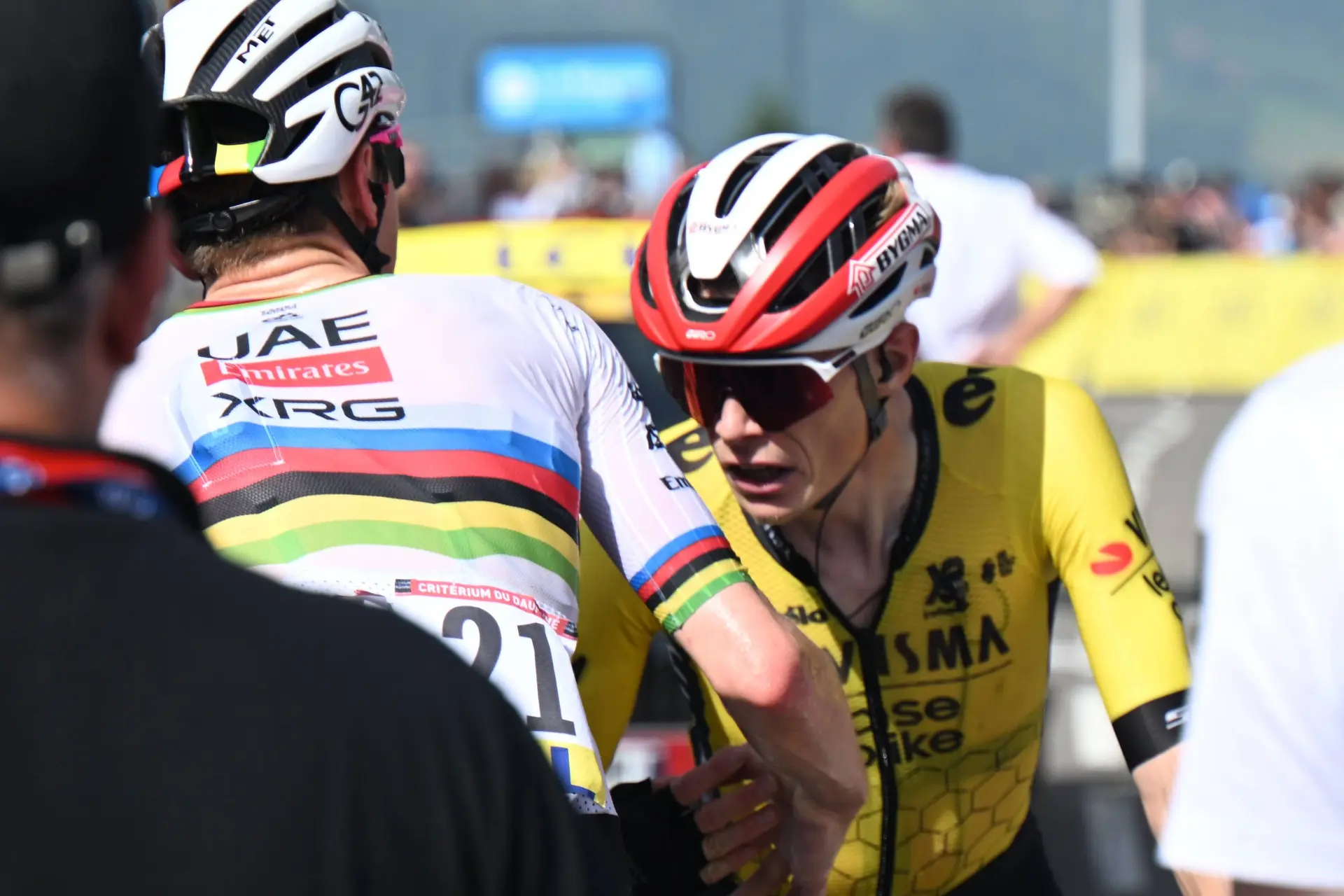
Artuso was also keen to stress that the gap on the general classification does not fully reflect the level of the competition behind. “In my opinion, he wasn’t the only one climbing strongly,” he said. “The two Martinez riders were also very strong, especially Lenny.”
That nuance adds context to the four-minute winning margin. While Vingegaard proved clearly superior across the week, several of his rivals still showed a level that could become more significant in different circumstances. “Even if the gap is big, I think it is slightly smaller than the actual time differences suggest,” Artuso added.
Giro as a springboard, not a risk
The decision to race both the Giro and Tour in the same season has long been viewed as one of the most difficult challenges in modern cycling. In an era of increasingly specialised preparation, the conventional approach has been to build an entire season around peaking for July.
Artuso’s analysis cuts against that thinking. “For me, he can win the Giro d’Italia,” he said. “Even without holding back. At his level, doing a race like the Giro can still give him something extra.”
Rather than seeing the Giro as a drain on Vingegaard’s Tour chances, the Italian coach frames it as a potential advantage, provided recovery is managed correctly.
That perspective runs counter to the long-standing debate within the sport, where the physical cost of racing two Grand Tours in quick succession is often viewed as a limiting factor when it comes to competing for the Maillot Jaune.
A different type of Giro battle
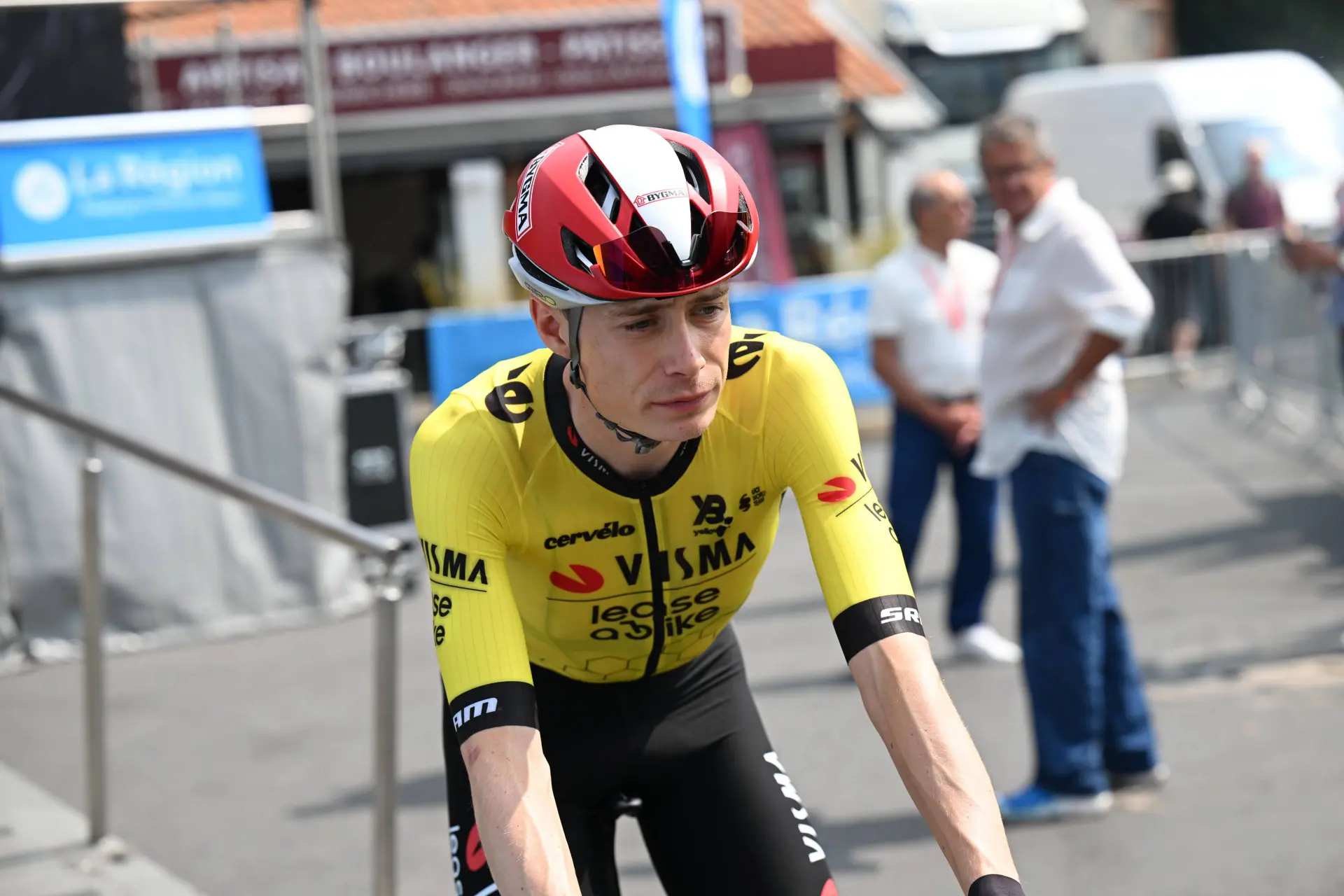
If Vingegaard does line up in Italy, the competitive landscape will also differ significantly from what he faces at the Tour de France. Tadej Pogacar is not expected to be present, while several of the sport’s biggest general classification names are likely to follow alternative programmes. Instead, the Giro field is shaping around a different group of contenders.
Riders such as Joao Almeida, Richard Carapaz, Giulio Pellizzari, Jai Hindley and Ben O’Connor are among those expected to target the race, alongside potential challenges from INEOS Grenadiers and emerging climbers looking to establish themselves at Grand Tour level.
Artuso’s earlier point about team strength may prove just as relevant in that context. On the hardest days at Paris-Nice, he noted a clear pattern in who was able to compete at the front. “On the coldest and toughest day, only the top teams and top riders were at the front,” he said.
It is a dynamic that could shape the Giro in a similar way, particularly if Vingegaard arrives with the same level of collective support that proved decisive in France.
Building towards July
For Vingegaard, the broader context remains clear. After being beaten by Pogacar at the last two editions of the Tour de France, the 2026 season represents an opportunity to reset the balance at the very top of the sport.
Paris-Nice has already shown that the Dane is capable of returning at a high level despite a disrupted start to the year. The next question is whether adding the Giro to his programme will sharpen that level further or risk taking something away.
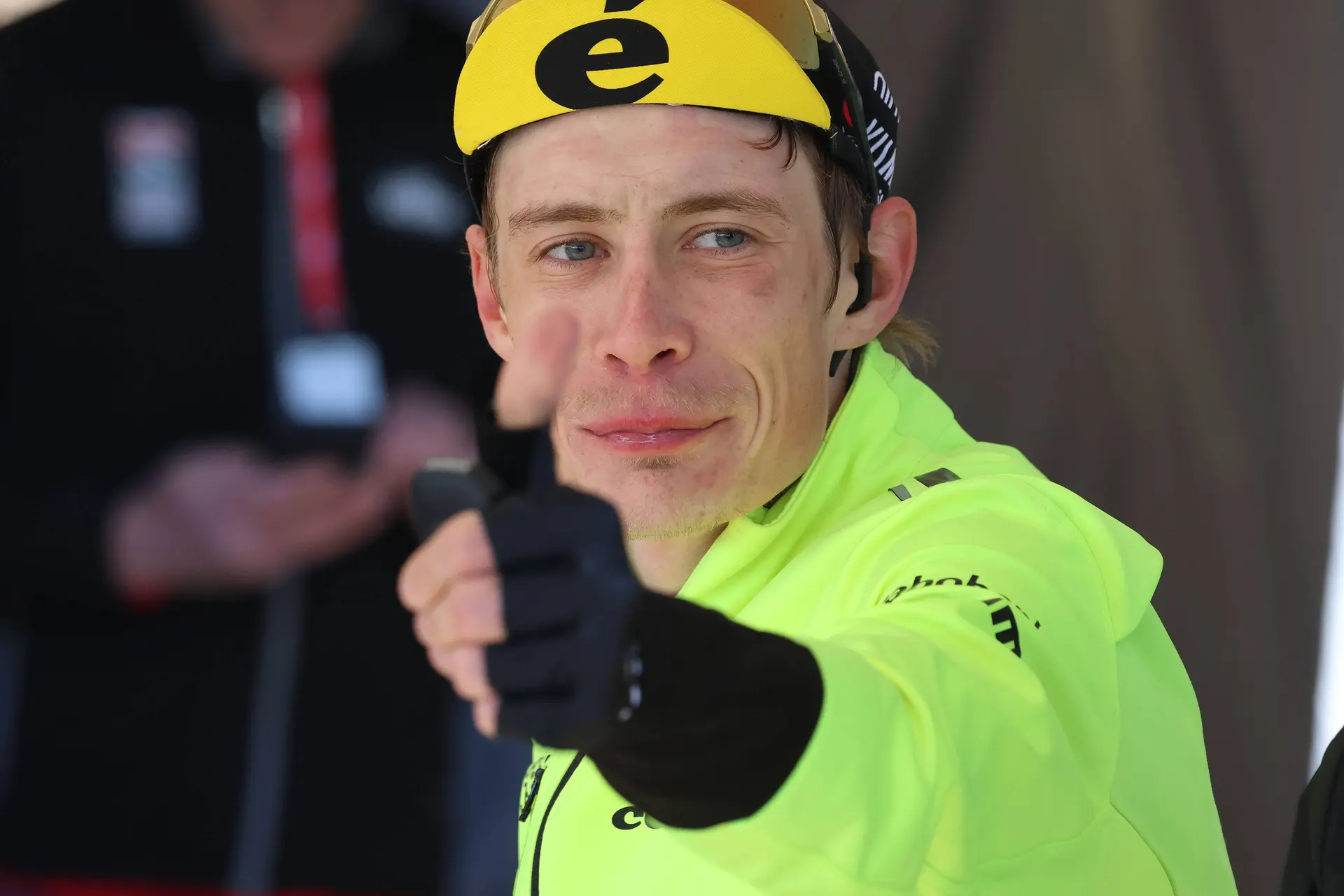
Artuso is firmly in the former camp. “If he has no problems and recovers well, I expect him to be stronger than ever at the Tour de France,” he concluded.
Whether that prediction holds true will only be answered in July. But after his display at Paris-Nice, Vingegaard has already made one thing clear: the path back to the Maillot Jaune is being built long before the Tour itself begins.

Kieran WoodDeputy Editor-in-Chief
Kieran Wood is a sports journalist based in Wales and has been active in journalism since 2022. He regularly contributes to DartsNews.com and CyclingUpToDate.com, where he covers professional cycling and darts. In cycling, his work includes liveblogs from major races, including the Tour de France, the Giro d’Italia, and La Vuelta a España, alongside race reports and analysis. He has also conducted interviews with professional riders.
His reporting spans the full racing calendar, from one-day classics to stage races, with a focus on accurate, real-time coverage and clear contextual analysis. For statistics, results, and historical context, he regularly uses resources such as ProCyclingStats. To support reporting on rider activity and training context where relevant, he also references Strava.
In his work, Kieran places strong emphasis on careful sourcing, editorial accuracy, and updating articles as new, verified information becomes available.
claps 0visitors 0
Just in
Popular news
Latest comments
- problem is they are not stacked at all with most of their stars declining. Behind jonas they basically have zero climbers of top tier quality its insanely bad.miguel14-10-2026
- Did you not read my post? Reading comprehension when you are going to be commenting on said post, is important. Read it again and then apologize to me.awp14-10-2026
- "few years" Not now, not last Saturday, not next year... Few years!!!MajorPayne14-10-2026
- Of course not. That said, had my speculation and opinion been true, I'm not sure Tadej could have beaten him last Saturday. But with his experience he may have been able to. Tadej is nearing thirty and will start to slow down as compared to the young guns like Paul in a few years.awp14-10-2026
- Well said @RideHills 👏🏼anonymouscyclist14-10-2026
- OMG!!! As I wrote in the post below the other article, Paul is incredibly good, but he isn't quite at Tadej's level yet.MajorPayne14-10-2026
- The season is over, so there has to be something to write about. No one disputes that Paul is a top-tier young cyclist. But in the absence of other news, comparing him to Tadej is utter nonsense. He still has a lot of developing to do before he can win Grand Tours or Monuments that Tadej also competes in.MajorPayne14-10-2026
- It is easy to celebrate those who won the grand tours and the monuments. and the world championships. What I notice more are the ones who were at the world tour and kept going on the pro tour level for that little bit longer, still wanting to ride after their bodies had aged, after their teams no longer needed them. It is good to see the domestiques. as well. Congratulations to all these folks on an impressive career, no matter the wins. Cycling is a team sport, and it’s the ones we don’t see much of that allow the leaders to stand out and win the accolades.RidesHills14-10-2026
- Biestrebos is a real sprinting talent. Initially it was thought that he'd be a classics domestíque but his sprinting has improved dramatically over the course of the year. He's the only thing going well with Picnic now and for that reason it is likely that he'll leave
 Rafionain-Glas14-10-2026
 - well this one definitely makes my STUPIDEST ARTICLES OF 2026 list. chapeau…OCexile14-10-2026
Loading
Write a comment