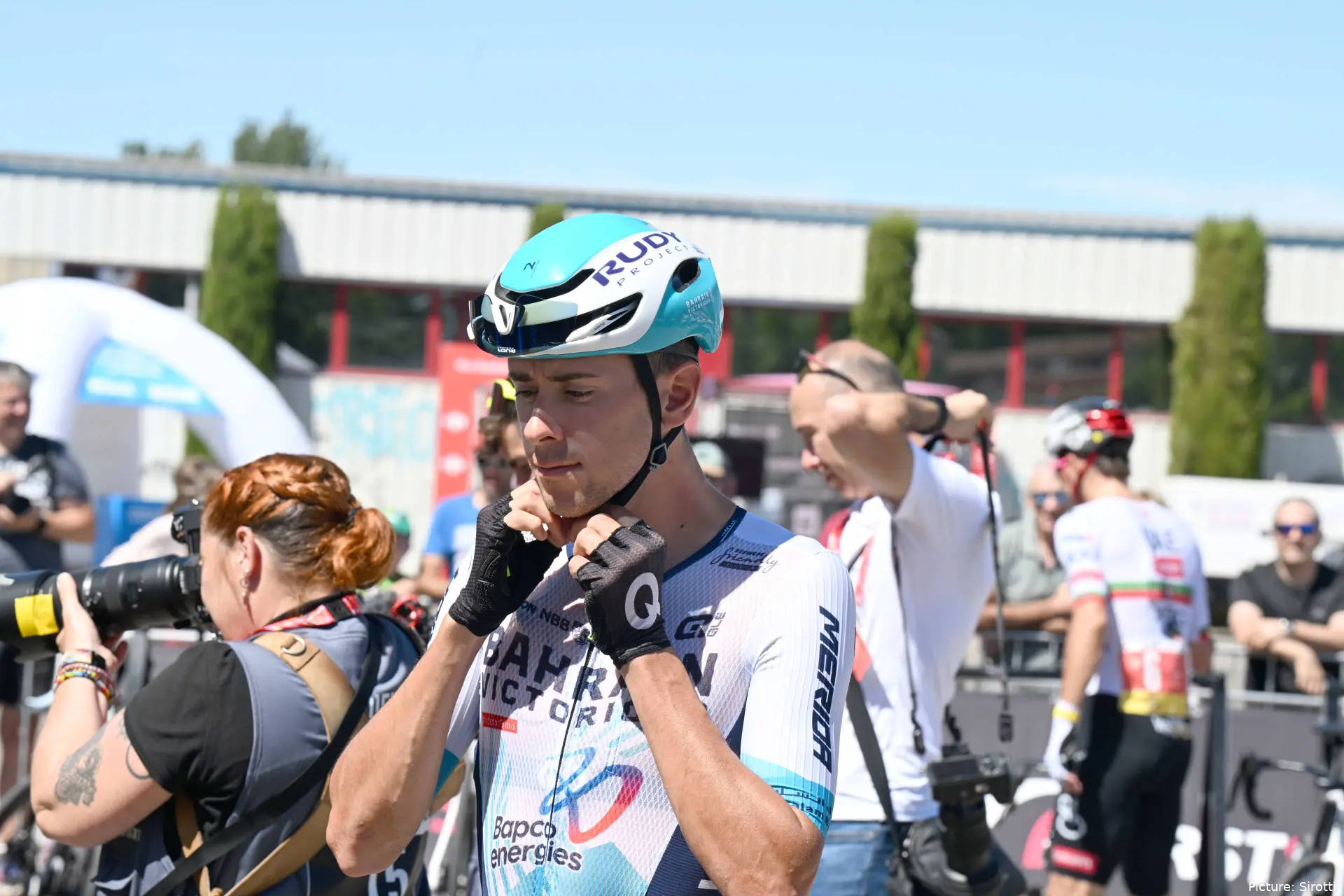
Antonio Tiberi’s 2025 Vuelta a España has not gone how
many would have expected. After eleven stages, he is 43rd overall, more than 47
minutes behind race leader Jonas Vingegaard. The Italian admitted he had
started the race aiming for the general classification, but his form and
circumstances have left him far from contention. Speaking to Marca, he
reflected on his struggles, the dominance of Vingegaard, and the future of
professional cycling.
“I'm already feeling quite tired, but I must say
that's normal for a Grand Tour, especially when it's the second one in a single
year,” Tiberi said. “I lost a very important teammate, Damiano (Caruso), who
injured his hand before the start and couldn't start. His absence was felt
because he also contributed a lot to the group mentally and was a role model
for everyone. Even so, we've managed to maintain a very united and solid squad.
We've had La Roja for several days, and I think we're working very well together.”
The Italian explained that he arrived at the Vuelta
unsure of his form after racing the Giro earlier in the season. “When I came
here, I intended to go for the overall, but I wasn't 100% sure what my
condition was. I spent two or three days not feeling well, and I needed to
confirm how I was feeling. Plus, I'd already had a big turn in my legs from the
Giro d'Italia, so I could imagine I'd struggle a little more than usual for
that race.”
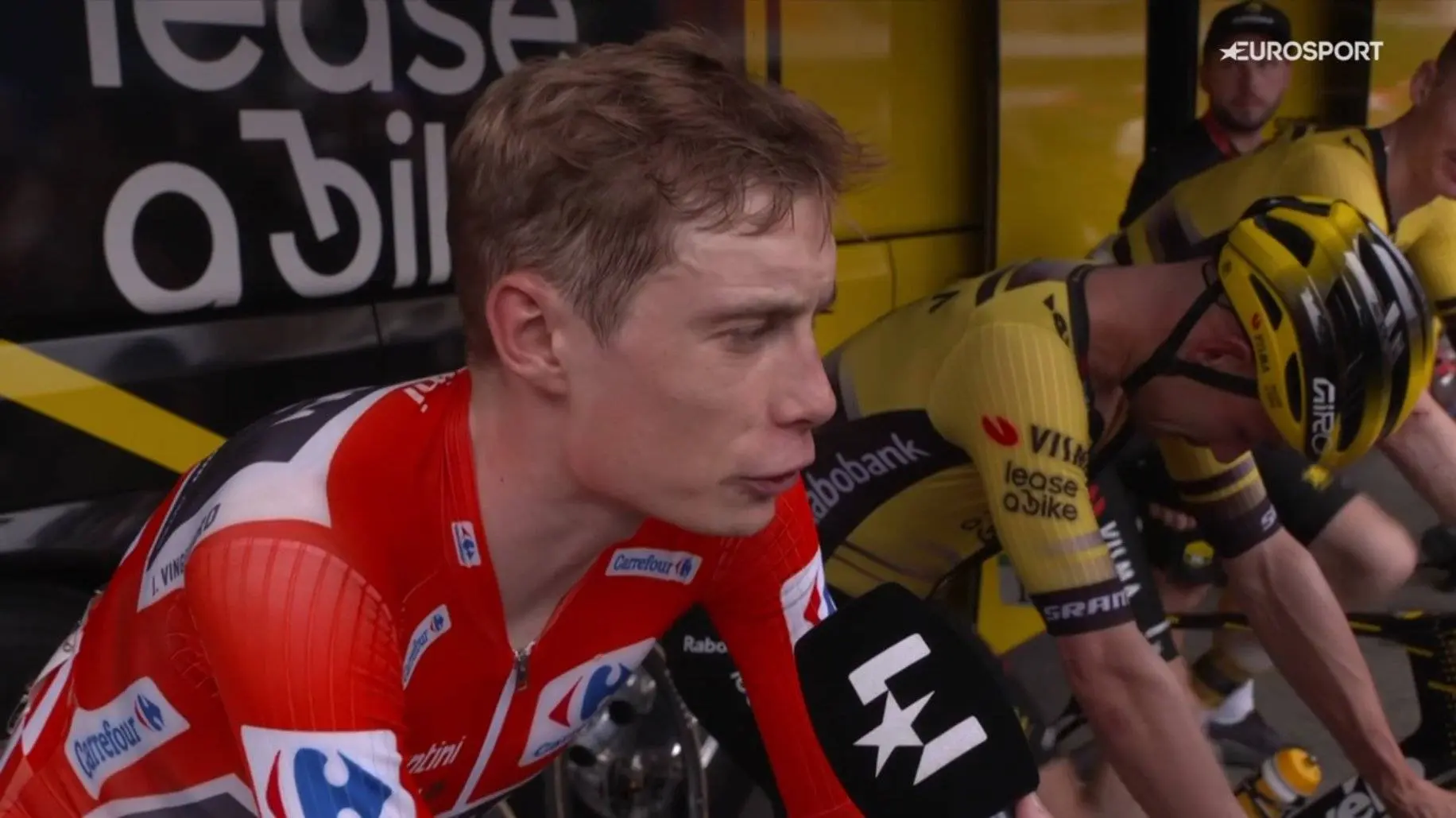
So far in the Vuelta, Team Visma | Lease a Bike rider Jonas Vingegaard has been in control, leading the race with 2 stage wins. Tom Pidcock and Joao Almeida appear to be his closest rivals, and Tiberi has not been able to compete with the GC men.
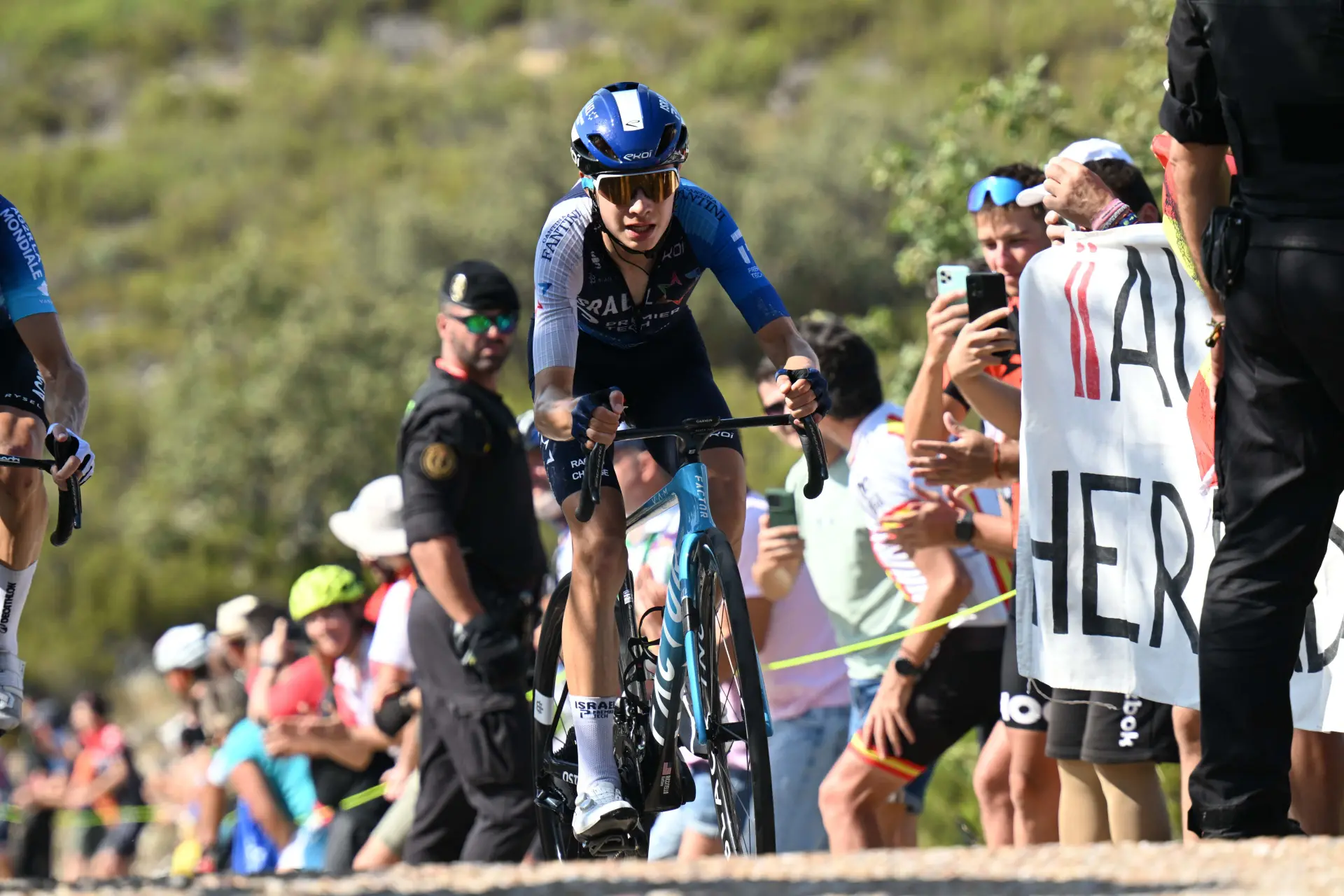
He was clear about who holds the advantage in the
current race. “The race is going as we expected. Vingegaard seems very calm and
doesn't seem to have wanted to take the red jersey early so as not to force his
team to work too hard. He seems in control, relaxed even in the toughest
moments. He showed that on Sunday, attacking with ten kilometers remaining and
managing himself without any problems. It will be very difficult to take this
La Vuelta away from him.”
Beyond the immediate race, Tiberi also reflected on
the demands of modern cycling when asked about Tadej Pogacar’s absence from the
Vuelta and his comments about retirement. Until this year, the Slovenian's appetite for success seemed to be never-ending, and he has already won countless monuments, 4 yellow jersey's, a Giro, and the world championships. But, after a long spring fighting Mathieu van der Poel, and another gruelling Tour de France win, he arrived in Paris with a lack of hunger and signs of mental fatigue like we have never seen before.
Read also
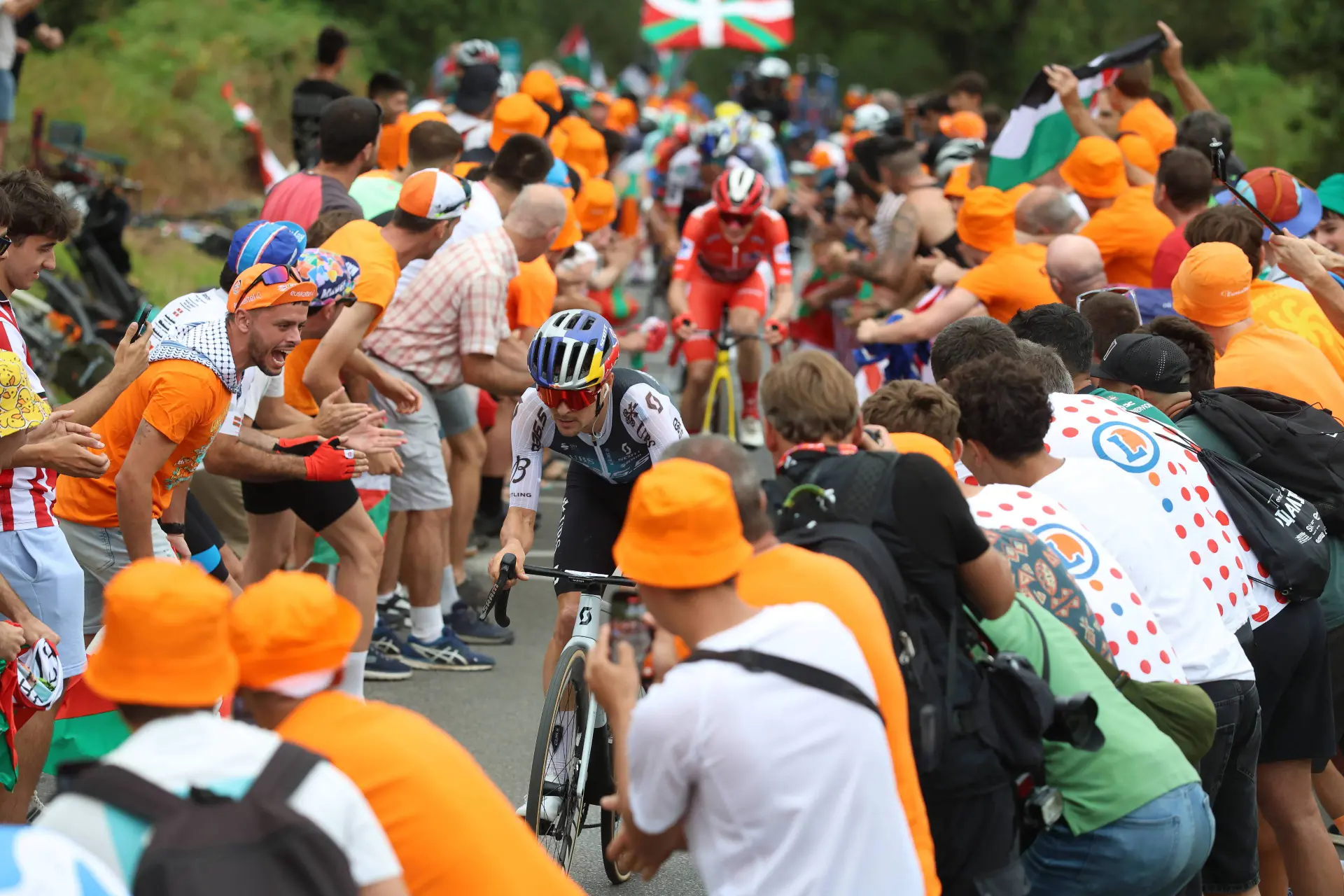
“I can understand that. In recent
years, the life of a professional cyclist has been taken to the extreme: you
have to take care of even the smallest details if you want to be among the
best. This means you reach your physical and mental limits sooner. It's not
like it used to be, when you could compete until you were 40 with a certain degree
of ease. Today, you can continue racing, but you can't aspire to great goals at
that age.”
He added that careers may become shorter as the sport
evolves. “With modern cycling, I think the retirement age will come earlier.
Before, the normal age was between 35 and 40, but now I think it'll be more
like 30 or 35, especially for the new generations who are starting so young,
already 19 or 20 years old as professionals.”


Fin MajorCycling Journalist
Fin Major is a UK-based writer at CyclingUpToDate and has been part of the team since 2024. He is the site’s main writer for FAQs and evergreen explainers and has written around 2,000 pieces for the platform. Alongside this work, he focuses on in-depth analysis and covers the biggest races on the calendar, including the Tour de France, the Giro d’Italia, and La Vuelta a España, providing clear context around performance trends, tactics, and key storylines.
In his reporting, Fin uses reputable data sources such as ProCyclingStats for results, statistics, and historical context. He places strong emphasis on careful sourcing, editorial accuracy, and updating articles promptly when new, verified information becomes available. Outside of writing, Fin is an active cyclist, which supports his practical understanding of the sport and its demands.
claps 10visitors 8
Just in

Popular news
Latest comments
- If I were Visma I would take a bunch of money, buy out the Seixas contract and get him on that team. He is the next star after Tadej starts to slow down in two or three years.awp21-10-2026
- If the UAE follows Saudi fortunes, a lot of this might actually happen.Jumpyjohn21-10-2026
- Really? And you know this from who?Jumpyjohn21-10-2026
- Obviously speeds have gone up ( partially because only 20y ago, the peleton was often not interested in keeping speed high which nowadays they’re almost forced to accept) but using stage 11 as proof is ridiculous, the wind was a huge factor.Jumpyjohn21-10-2026
- The truth is: "We’ll avoid rushing from race to race" - Remco Evenepoel reveals 2027 focus and what he'll change from this season to avoid the races where Pogi will be.PogiSloFans21-10-2026
- while goofing off with stats, looked at all riders with more than 100 wins. Of these, Delio Rodríguez (1935-1948) won an astonishing 43% of the races he entered, 117 wins in just 271 race days. Never really heard of the guy, beyond lists of Vuelta winners, but nobody else comes close. Maertens and Merckx are around 32%, Poblet and Pogačar at 29%, and that makes for only 5 riders who have won more than 1/4 of the races that they entered.RidesHills21-10-2026
- lackluster transfer market - because they retained all of their best riders.mij21-10-2026
- Saying that the "only thing" he got was the World TT and the Euro championship is amusing - plenty of riders would define their career by just one of those wins. At 26, after 8 seasons, Evenepoel has 81 wins, 13 of which are Olympics (TT/RR), Worlds (4 TT/RR), Euros (TT/RR), Monuments (2 LBL), and a Grand Tour (Vuelta). To pick a non-random comparison, at age 26, Sagan (10 years and a day older than Evenepoel) had 89 of his 121 wins, with 2 Worlds RR and Flanders. If you prefer to compare seasons on the World Tour, after 8 seasons, he had 3 Worlds and a Monument. Yet somehow Evenepoel only wins when the field is weak? Either that's not true, or he has impeccable timing that somehow others aren't able to copy. I am making a statistical point here, and can bring in other riders as well. Using Procyclingstats, Evenpoel has won about 19% of the races he enters. In comparison, Sagan won 11%, Kelly 12%, Van Aert 13%, van der Poel 18%, Hinault 22%, Pogačar 29%, and Merckx 32%. Everyone loses far more than they win, no surprise, and Evenepoel wins a lot.RidesHills21-10-2026
- hah, neat!wrsty21-10-2026
- He also had more than two months away from racing between Liege and the Tour, tho he did start his season in January.Lozza21-10-2026
Loading
Write a comment