“It was unlosable” – Robbie McEwen stunned by Cian Uijtdebroeks’ dramatic explosion in Czech Tour 2025 finale
Cycling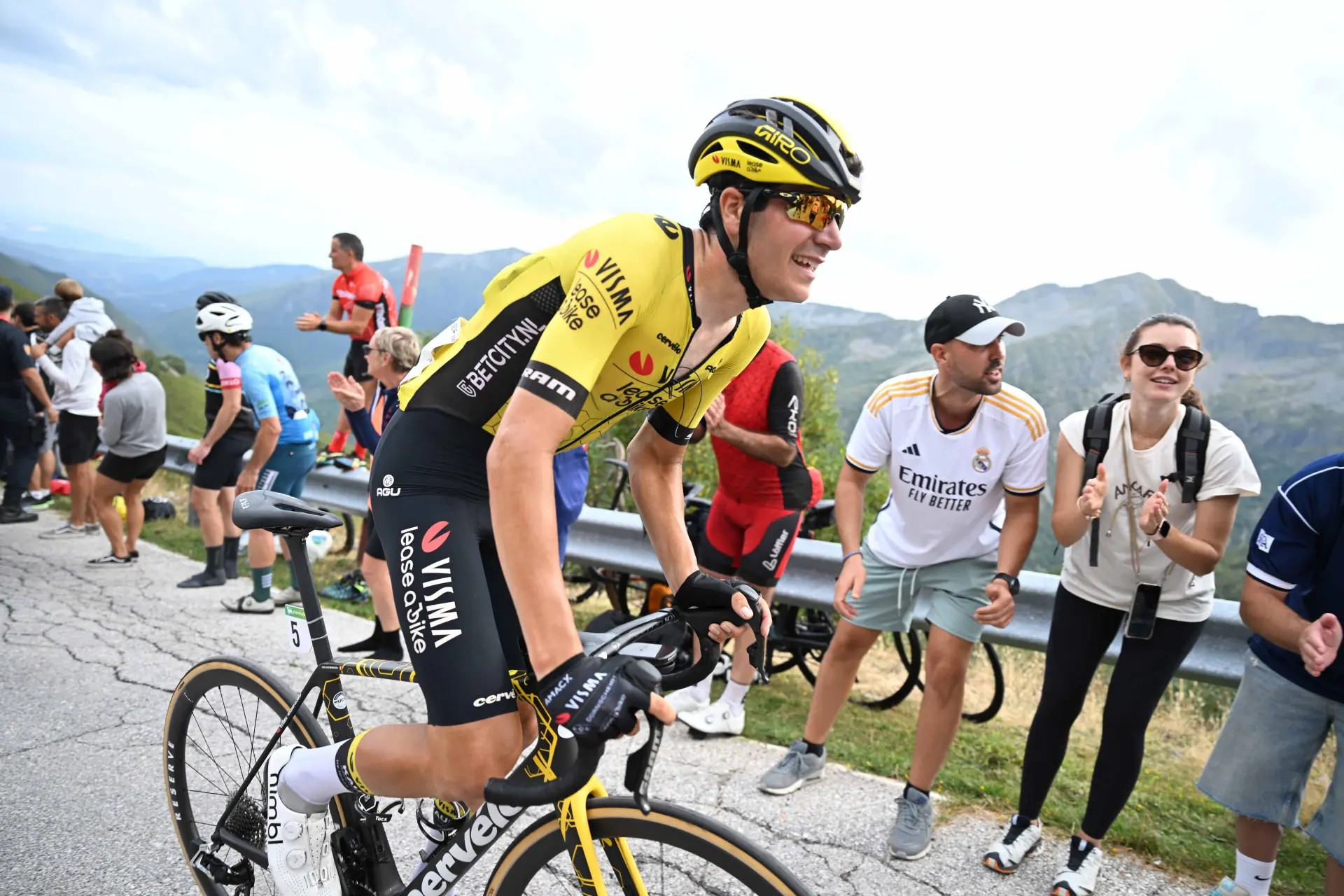
Robbie McEwen’s voice cut through the tension on TNT Sports as cycling fans around the world witnessed a brutal twist in the closing metres of the 2025 Czech Tour. What had seemed a done deal for Team Visma | Lease a Bike’s Cian Uijtdebroeks spectacularly unravelled in the final kilometre — a dramatic implosion that left seasoned commentators and fans alike in disbelief.
For much of the final climb, Uijtdebroeks looked every bit the dominant GC rider many expected when his signed for Team Visma | Lease a Bike. With 4km to go, he made what appeared to be the decisive move, detonating the group of favourites and dropping both race leader William Junior Lecerf and second-placed Alessandro Fancellu in quick succession.
By the 2.5km mark, the Belgian had a gap of nearly 20 seconds and was holding steady. The virtual GC had him in yellow. The cadence was smooth, the face stoic. Victory looked sewn up.
But as McEwen would go on to narrate live, things began to unravel in a way few could have predicted. "Uijtdebroeks has blown, Uijtdebroeks will not win…" the Aussie sprint legend said in stunned disbelief on commentary. "It was unlosable and Cian Uijtdebroeks has been caught within sight of the line."
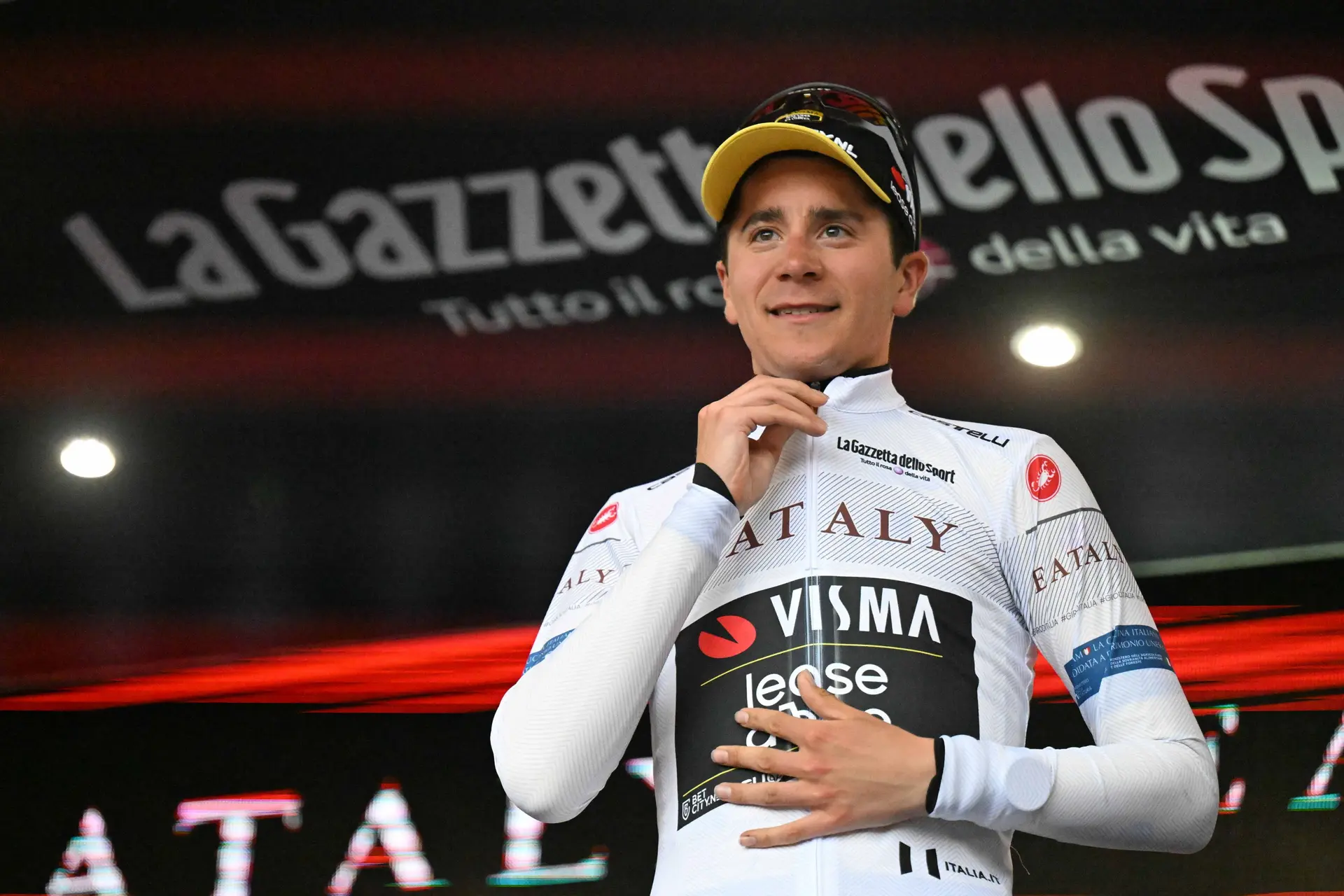
Inside the final kilometre, Uijtdebroeks' pace faltered. His upper body began to rock. The crisp pedal strokes turned laboured. Behind, the remnants of the GC group smelled blood. Lecerf meanwhile, was clawing back time with a second wind.
Then came the sting — with the line agonisingly close, Uijtdebroeks cracked. Visibly empty, he was reeled in and passed. Jannis Peter surged through for the stage win. Lecerf, crucially, held on to his slender GC lead, salvaging the yellow jersey in dramatic fashion.
“I didn’t look back once; I wanted to ride as hard as possible to the finish,” Uijtdebroeks said after the stage. “At the end, my legs got heavy, and suddenly they came very fast from behind.”
It was a collapse as brutal as it was sudden, and it left McEwen – himself a master of timing and intensity in his racing days – visibly stunned in commentary. His reaction, raw and unscripted, perfectly captured the collective shock: “It was unlosable.”
Uijtdebroeks’ Lesson
For Uijtdebroeks, this was a hard-earned lesson in race management — not in tactics, but in physiological pacing. In modern GC racing, 20-second gaps can vanish in the blink of an eye when a rider hits the wall. And on a climb that didn’t quite tip into the red zone of sustained steepness, that final kilometre proved one too many.
“This was the maximum we could get out of today,” he added. “We should be very proud of each other. We shaped the race and rode offensively in the mountain stages. Unfortunately, the course was just not tough enough for me.”
Cycling, in all its cruelty, never fails to deliver drama.
Kieran WoodDeputy Editor-in-Chief
Kieran Wood is a sports journalist based in Wales and has been active in journalism since 2022. He regularly contributes to DartsNews.com and CyclingUpToDate.com, where he covers professional cycling and darts. In cycling, his work includes liveblogs from major races, including the Tour de France, the Giro d’Italia, and La Vuelta a España, alongside race reports and analysis. He has also conducted interviews with professional riders.
His reporting spans the full racing calendar, from one-day classics to stage races, with a focus on accurate, real-time coverage and clear contextual analysis. For statistics, results, and historical context, he regularly uses resources such as ProCyclingStats. To support reporting on rider activity and training context where relevant, he also references Strava.
In his work, Kieran places strong emphasis on careful sourcing, editorial accuracy, and updating articles as new, verified information becomes available.
claps 6visitors 6
Just in
Popular news
Latest comments
- You could also look at it another way. How many riders have had better or more consistent results since the Tour?Jumpyjohn19-10-2026
- Whilst I love Tadej (and Remco, who deserves to be mentioned here, too), @JumpyJohn makes a valid point, and he isn’t wrong @MajorPayne. It is a fact that today’s official broadcasters of cycling struggle to keep our attention once the likes of Tadej (or Remco) attacks at ~80km or so. In the 142nd issue of Rouleur, Ned Boulting reflects on the often stressful paradox of commentating on a race that is effectively over before the broadcast window even hits its stride. In this edition, he centres on Remco’s 1hr solo at the Challenge Mallorca this year, and captures the panic and dread shared by the commentators when a dominant rider kills off the racing tension early. I recommend you read it, it’s a fascinating insight into the world of commentary, and the true viewing figures of today’s cycling. I must add here, I love Tadej and Remco, but I would be lying if my heart rate wasn’t higher when watching the World Championships this year. And I’m sure Rob Hatch would say something akin regarding his commentary!anonymouscyclist19-10-2026
- The shattered women’s marathon record was clean and highly surprising and then a few months later the athlete was very positive in another test for something not taken by mistake when recording far less impressive results. Sounds to me like the problem is still the age old one, detection is often way behind. Just like with crime, it’s not because you can’t catch the criminals that you aren’t aware of the crime.Jumpyjohn19-10-2026
- Listen, you have a point but on the other hand in cycling, once some of the riders go solo and build a minute’s gap, there’s hardly any action left to watch. Cycling is definitely not for today’s generations of accelerated viewing. Other people find skydiving or chess exciting but you can’t force everyone to feel the same.Jumpyjohn19-10-2026
- That’s a funny one. Yeah obviously he’s more aero than some but most of the aero effect at elite level is the bike. Now you have me starting to feel sorry for the guy behind him when he pulls a groupetto.Jumpyjohn19-10-2026
- Knew a World Tour promotion was coming for Ben this season. Thrilled for him, and can't wait to see what he can do at this level. Another one to watch at the TTs.anonymouscyclist19-10-2026
- It honestly breaks my heart to see this. I had a feeling this might happen over the last few years, but I kept praying it wouldn't, and that Joey would find his niche, especially back racing alongside his brother. After growing up racing alongside PH-MAS, the Pidcock brothers have always felt like one of our own, as we’ve watched them grow from Club level all the way up to PC and WT. I wish Joey nothing but the best of luck in whatever he does next, but selfishly… I do wish for him to move into the role of Q36.5 team staff.anonymouscyclist19-10-2026
- Predictable, sure! But boring??? OMG! Was Mike Tyson predictable and boring in his prime? Air Jordan? Schumacher or Senna? OMG!!!MajorPayne19-10-2026
- how it is "We’ve taken another big step forward for next year" he just lost in lombardia to a 20 year old, and two 30+ year olds. and not even top 10 for WCRR.abstractengineer19-10-2026
- This is similar to Lebron. first he said i need to consult my family , my daughter, need respectable money blah blah blah and then dont care about family , dont care about money, only onion rings, am off to Philly, very very far from family. Off season should be with family more, no?abstractengineer19-10-2026
Loading
4 Comments