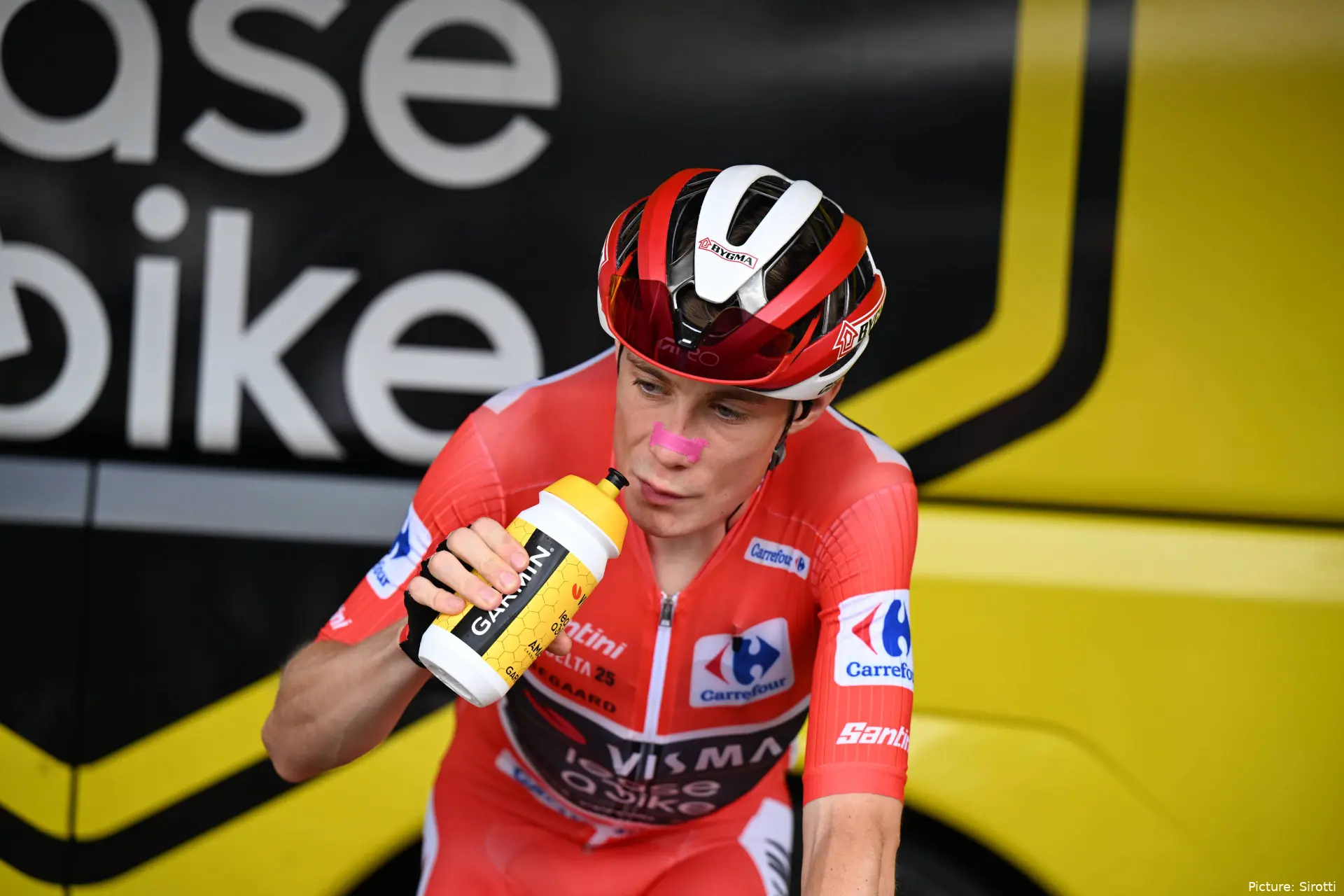
Stage 13 of the Vuelta a España brings the peloton
face-to-face with the climb that strikes fear into even the best riders in the
world: the Alto de l’Angliru. At 202 kilometers, the stage is long and
bruising, but it is the final 12.4 kilometres of road, averaging nearly 10
percent with ramps that lurch toward 25 percent, that will define the day.
Jonas Vingegaard, already in the red jersey and winner of two stages in this
year’s race, approaches it with one thing on his mind: victory.
"I would love to win for my son and daughter," he
told Sporza. "It's the race I really want to win. It's not that I have to
win, but I would love it to honor my son and daughter."
The Dane has been in formidable form throughout the Vuelta.
His consistency has allowed him to take command of the general classification, but
he has yet to truly test his legs like he will have to today. The Angliru is
unlike any other climb in professional cycling, a place where records are few
and time gaps can balloon beyond expectation. Roberto Heras’s ascent in 2000,
completed in 41 minutes 55 seconds, still stands as the fastest ever, a mark
that remains untouched after a quarter of a century. Can the Dane beat that
mark today?
Vingegaard himself knows exactly what to expect, having last
raced up the mountain in 2023 alongside his then teammate Primoz Roglic. That
edition ended with Roglič taking the stage victory, while Vingegaard finished just
behind him as the duo dropped their Visma teammate and eventual GC winner Sepp
Kuss. Now, two years later, with the red jersey on his shoulders, the challenge
comes with added weight.
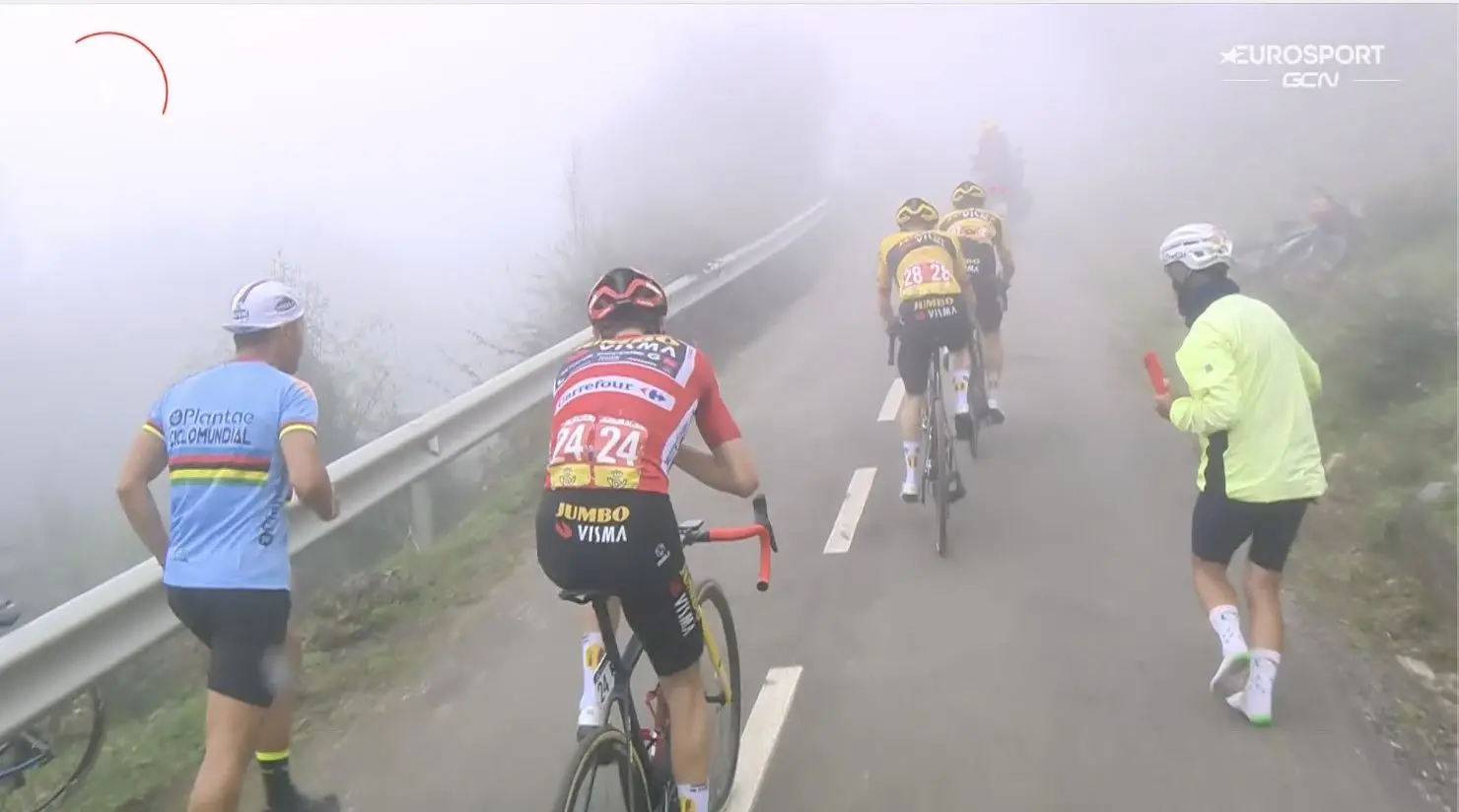
"It's a special climb, and I love special climbs. But
it's also tough, so it's a love-hate relationship. It's going to be difficult,
all-in for everyone," he admitted. For Vingegaard, the key lies in
balancing control and instinct, knowing when to hold back and when to launch.
"I'm focusing on myself and trying to deliver the best possible
performance on the climb. Then we'll see what happens."
Rivals know that overcoming him will take something
extraordinary. João Almeida, sitting second overall, was candid about his
chances. "Win? You'll have to beat Jonas," he said. "That will
be a tough task. Hopefully, I have good legs."
Tom Pidcock, currently in third, is another threat. The
Briton has already shown flashes of strength, even managing to distance
Vingegaard two days ago on a climb. For him, the Angliru may present the best
opportunity yet. "It's not fun to climb, but I think it suits me,"
Pidcock said. "The steep sections will suit me more than the moderate
climbs we've already had. It will be very tough, but it's also a matter of
timing."
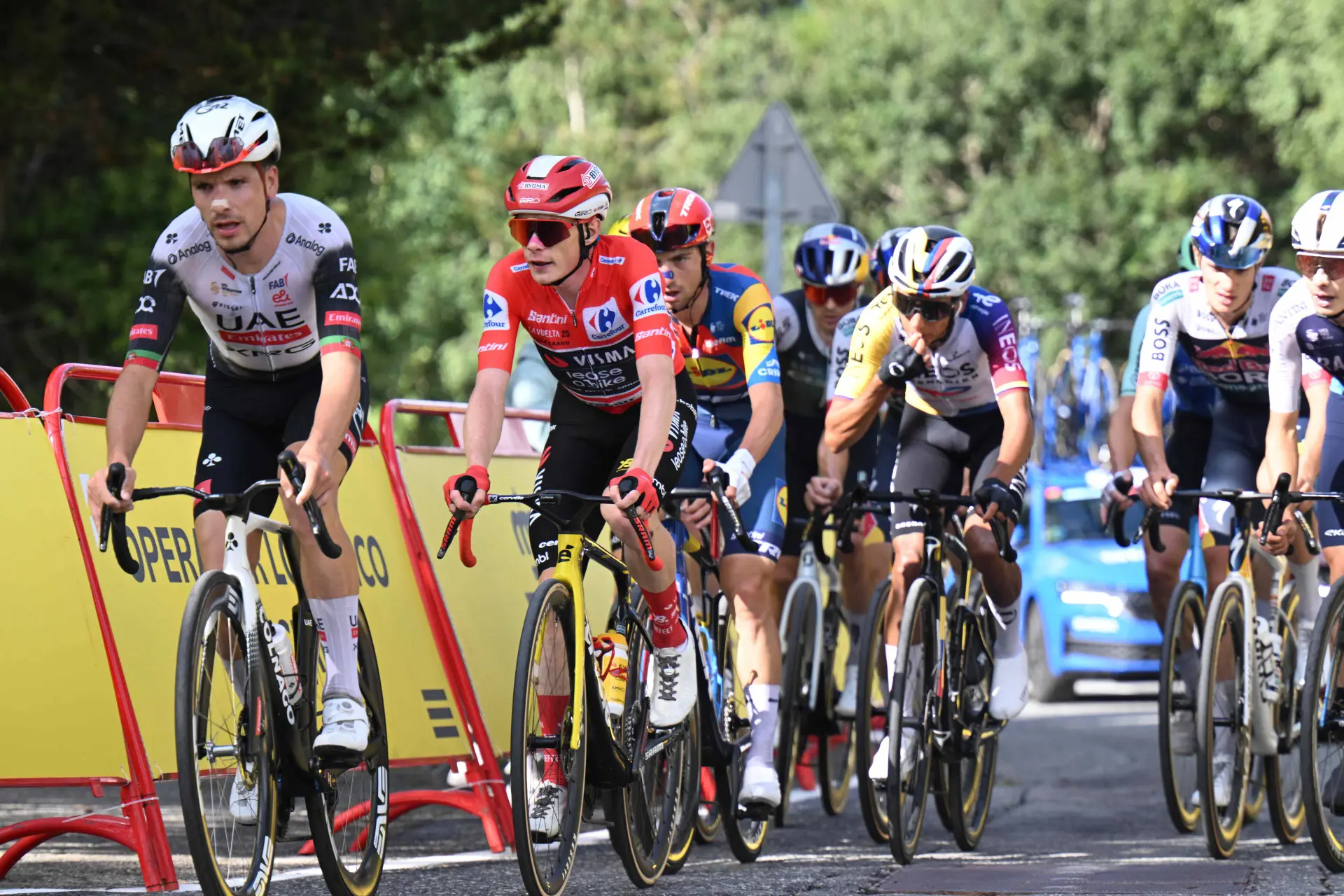
The Angliru has long been a kingmaker in the Vuelta. José
María “Chava” Jiménez claimed its first stage win in 1999, Roberto Heras set
his unmatched record the following year, and Alberto Contador sealed his
farewell victory on its brutal slopes in 2017. Many pundits, former and
currents riders have all described this climb as one of the most brutal in the
sport, perhaps worse than the likes of Alpe d’Huez and Mont Ventoux. The climb
is both legend and torment, a place where riders cannot hide and where even the
strongest are humbled. Even some of the biggest names could crack today.
For Vingegaard, winning atop the Angliru would not only
reinforce his control of the red jersey but also be one of the most important
victories of career. Can anyone challenge the favourite?

Fin MajorCycling Journalist
Fin Major is a UK-based writer at CyclingUpToDate and has been part of the team since 2024. He is the site’s main writer for FAQs and evergreen explainers and has written around 2,000 pieces for the platform. Alongside this work, he focuses on in-depth analysis and covers the biggest races on the calendar, including the Tour de France, the Giro d’Italia, and La Vuelta a España, providing clear context around performance trends, tactics, and key storylines.
In his reporting, Fin uses reputable data sources such as ProCyclingStats for results, statistics, and historical context. He places strong emphasis on careful sourcing, editorial accuracy, and updating articles promptly when new, verified information becomes available. Outside of writing, Fin is an active cyclist, which supports his practical understanding of the sport and its demands.
claps 0visitors 0
Just in

Popular news
Latest comments
- What a cheater Jay Vine is. Remco gained on everyone else pretty much evenly. But Vine? After he was caught, the gap grew at a suspiciously slow rate. Typical UAE
 Rafionain-Glas18-10-2026
 - Strade? Never saw him as a gravel rider that can handle it.mij18-10-2026
- It surprises me that anyone still believes any professional (or amateur!) sport is clean--much less wants it to be. The best you can hope for is a reasonably level playing field that doesn't expose young, ambitious athletes to health risks they don't understand. In that regard, World Tour cycling appears to do a better job than almost any sport with independent, random testing. There are certainly fewer mysterious midnight "heart attacks" these days. If you want to see what an uneven playing field looks like, show up to masters nationals. It is also certainly the case that no major pharmaceutical corporation has developed a multi-billion dollar miracle drug just to give it only to one or two anointed ectomorphs in a minor non-revenue sport. If you don't like that all sports run on PEDs these days and you can't be bothered to contribute as a tester, a federation official, or pharmaceutical representative, then just turn off the TV and play outside.
 MarkFour18-10-2026
 - Good grief, who proofreads this stuff? Errors abound.wrsty18-10-2026
- You can add weight to a bike and limit gears or make it single speed if you like. I doubt that would reduce crashes. It would just add another dymanique. All good and well, but It wont stop cars getting on to the course.Cyclingsbestfan18-10-2026
- Seixas is probably second best in the World on short climbs. But that hasn't translated as well to long climbsRafionain-Glas18-10-2026
- Idiotic fellaRafionain-Glas18-10-2026
- Nothing. Against Pogi nothingabstractengineer18-10-2026
- He didn't even try to sprint all outvappaxbipmv18-10-2026
- Campenaerts looked like a rolling pumpkin with that all orange leaders skinsuit !frieders318-10-2026
Loading
1 Comments