“By winning the Giro he moves ahead even of Pogacar” – Italian media frame Jonas Vingegaard’s 2026 decision as calculated legacy play
CyclingTuesday, 24 February 2026 at 12:30
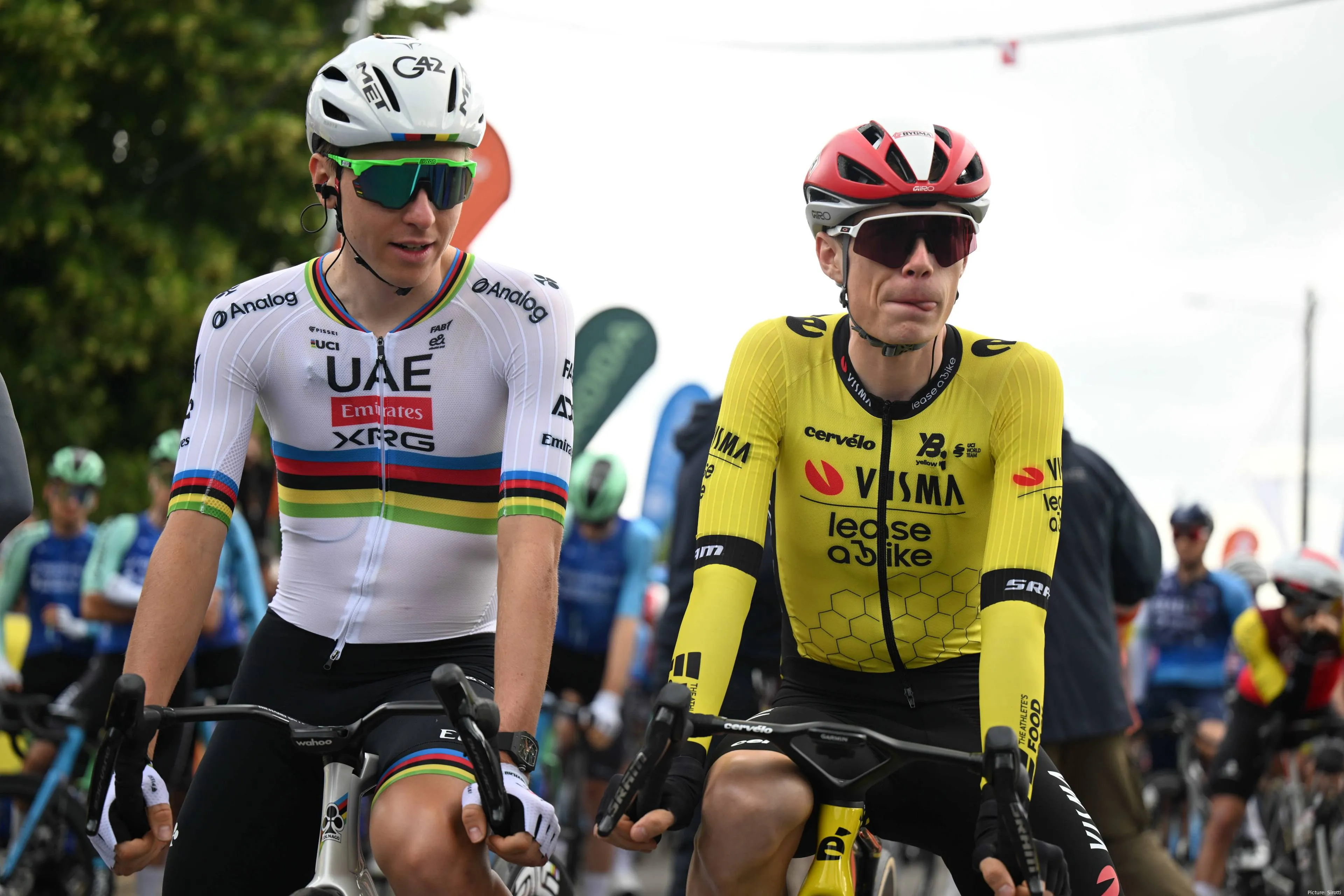
In Italy, Jonas Vingegaard’s Giro d’Italia debut is not being treated as a scheduling tweak. It is being framed as a legacy move.
Writing for Tutto Bici Web, respected journalist Cristiano Gatti argues that the Dane has “already won the prologue of the 2026 Giro. Simply by deciding to come.” The reasoning goes beyond spectacle.
For Gatti, the decision reflects “a virtue unfortunately ever less common in a world that calculates everything in bank transfers: wisdom.”
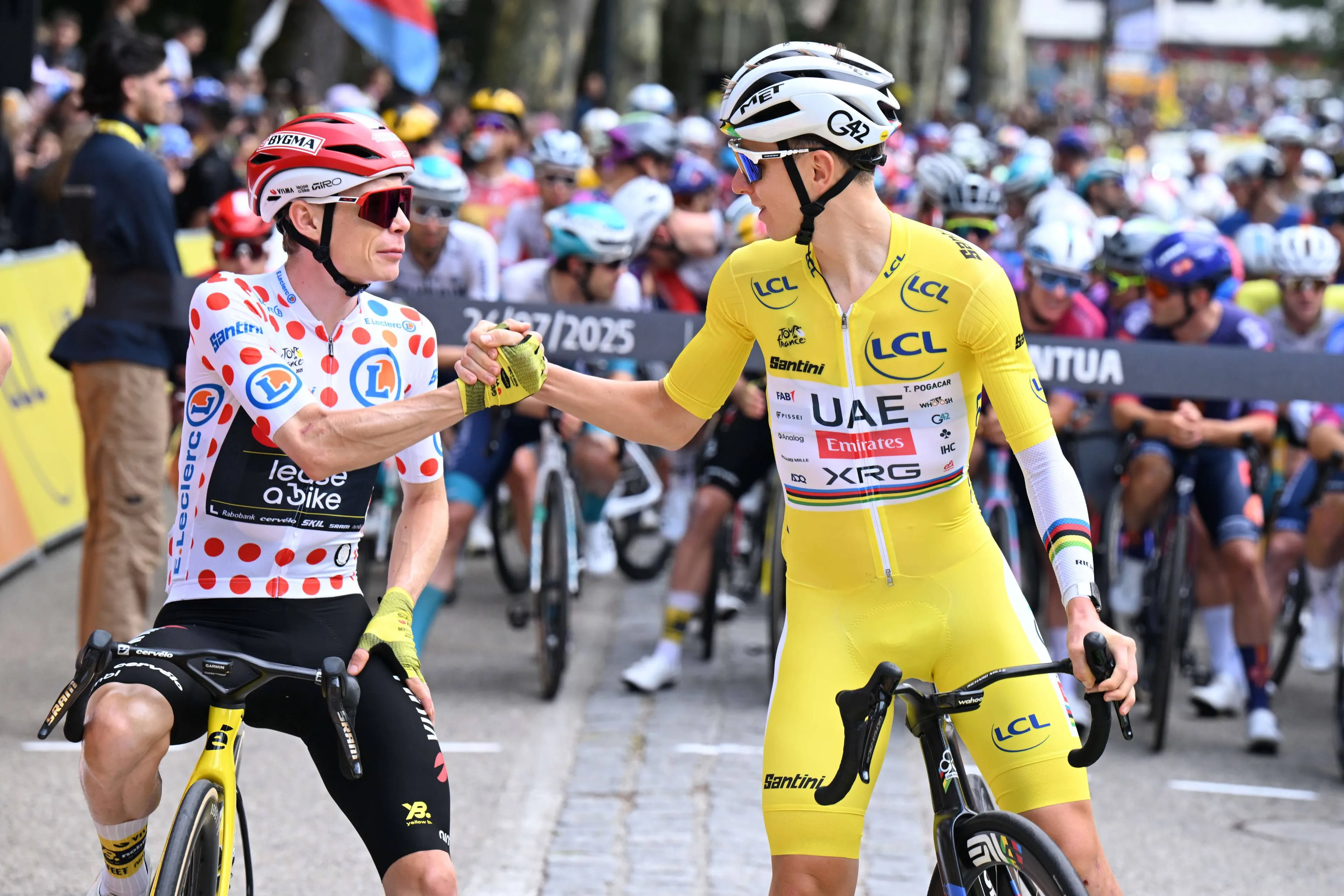
At the heart of that argument is the rivalry with Tadej Pogacar. “By winning the Giro, he moves ahead even of Pogacar,” Gatti writes, suggesting that adding the Italian Grand Tour to his palmarès would elevate Vingegaard into an even rarer historical bracket of stage race champions.
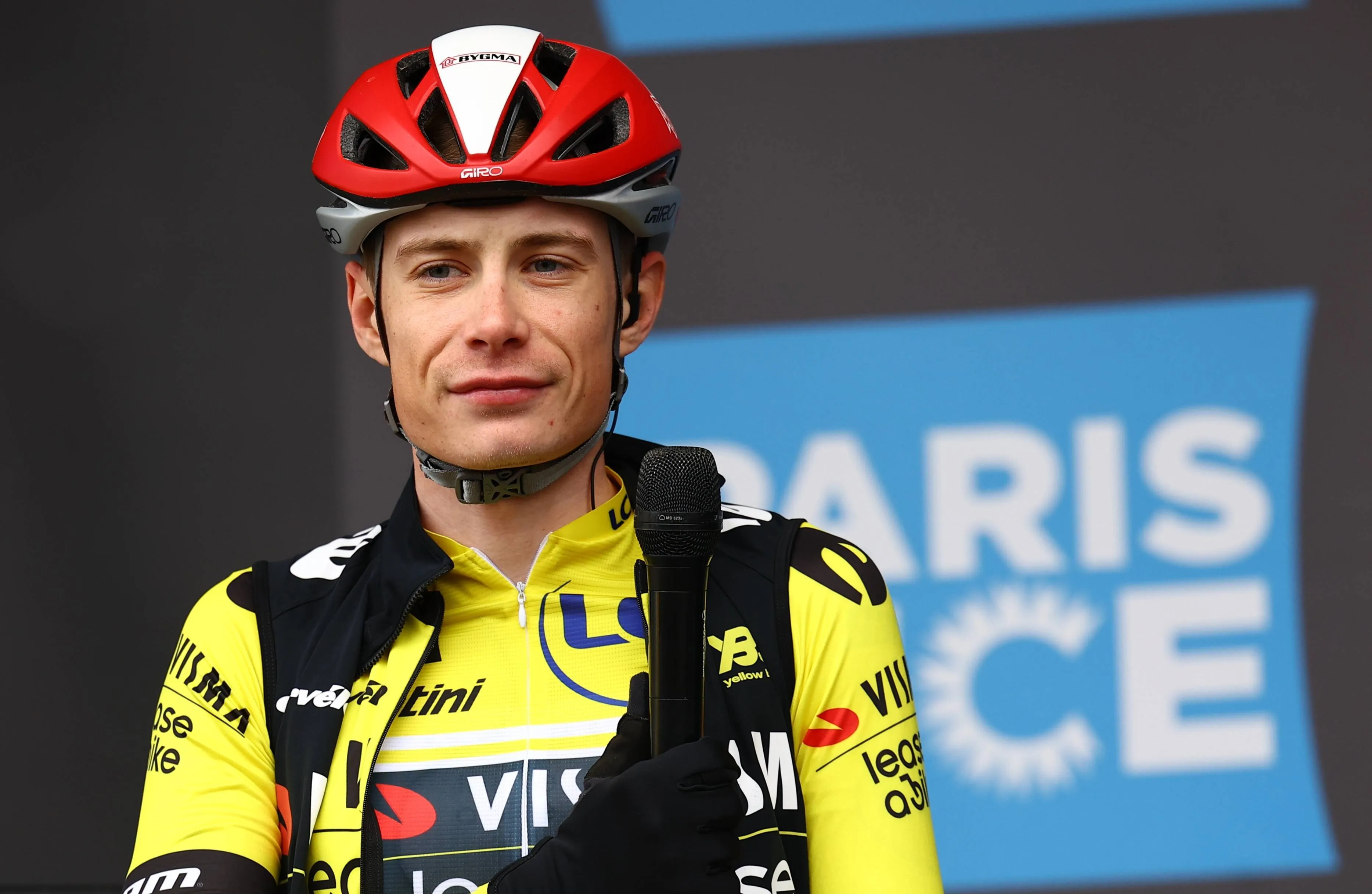
Wisdom over obsession
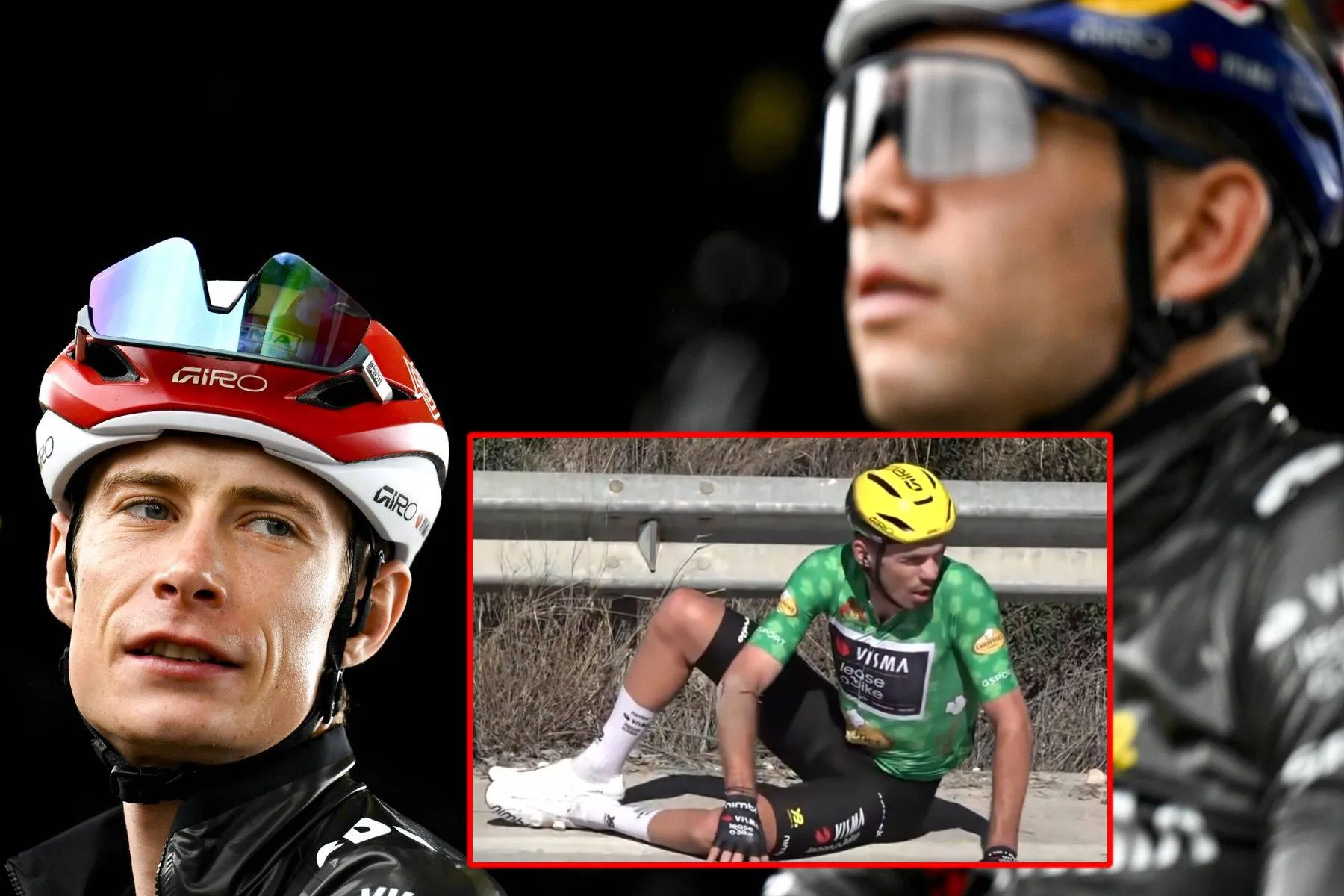
Vingegaard’s 2026 season had already been reshaped before the Giro announcement. A winter training crash in Spain, subsequent illness and a late withdrawal from the UAE Tour disrupted his planned build-up. His return has since been recalibrated through Paris-Nice, while questions have swirled around early-season stability inside Team Visma | Lease a Bike following the departure of long-time coach Tim Heemskerk.
Against that backdrop, Gatti sees the Giro choice as strategic rather than reactive. Concentrating everything on the Tour de France alone, he argues, would be “too great a risk, especially with Pogacar around.”
Winning the Giro first would “immediately put the 2026 balance sheet into profit,” because “whatever one may say about the Giro d’Italia, winning it remains an achievement that defines a season.”
The psychological element is central to the column. Gatti contends that going to the Tour having already secured a Grand Tour would allow Vingegaard to race “with a lighter heart, more serene, with a clear conscience and the freedom to challenge Tadej without obsession.” In that reading, the Giro becomes both a sporting opportunity and a pressure management tool.
The risk of obligation
There is, however, a clear warning embedded in the praise. By arriving in Italy as what Gatti calls “the second force in world cycling,” Vingegaard places himself in a position of expectation.
“He can only win,” the columnist writes, cautioning that defeat would inevitably trigger comparisons: if he were to lose the Giro, questions would follow about how he intends to beat Pogacar at the Tour.
It is a framing that raises the stakes rather than lowers them. A champion, Gatti insists, “does not come to the Giro to train.” He may not need to dominate every day, but he comes to win.
For Vingegaard, the decision therefore carries dual meaning. It widens his calendar in a season already marked by adjustment, yet in Italy it is being interpreted as deliberate escalation. Not a hedge against pressure, but a redefinition of it.
Whether the gamble pays off will be decided on the road to Rome and, later, in France. For now, the reaction from Italian media is clear: this is not a cameo appearance. It is a calculated move in the ongoing battle at the summit of men’s cycling.
claps 0visitors 0
Just in

Popular news
Latest comments
- Sorry, I disagree, and this is the great thing about the comments section. I think there's everything wrong with Jonas avoiding Pogi, because we don't get to see the 2 best GC riders of their generation going mano a mano. Instead, we get 2 nailed on favourites, baring injury or bad luck, riding 2 separate races. I wonder how much influence Jonas actually had over the decision? I suspect that his team are largely responsible for planning the race calendar. I doubt they give 2 figs about a rider's legacy, unless it means a win for the team and lots of publicity for the sponsor. So, as I mentioned in the last comment, Visma probably realise that their best chance of success comes in any race that doesn't have the Slovenian alien on the start listPogthegoat24-02-2026
- It's a great opportunity for Vingegaard to win another GT and complete all three grand tours. However, he's not moving ahead of Pogacar, that's just delusional...Knickout24-02-2026
- I agree Jonas IS 'avoiding' Pogačar in 2026, and there is nothing wrong with that, just like with Pogačar in 2024. It's a repeated pattern that we always see. Roglič finished 4th at the 2018 Tour de France and then pivoted to the Giro-Vuelta double the next year. Bernal won the 2019 Tour but struggled in 2020 against Roglič and Pogačar, so he pivoted to the Giro-Vuelta double in 2021. Roglič, after finishing 2nd at the 2020 Tour but struggling in 2021 and 2022, pivoted to the Giro-Vuelta double in 2023. Pogačar won two editions of the Tour de France but then lost two to Jonas, so he pivoted to the Giro-Tour double to avoid him and get success elsewhere. Jonas is doing the same and it's as simple as that. If Remco has a rubbish 2026 Tour, he'll pivot to the Giro-Vuelta or Giro-Tour in 2027 (or he'll blame Red Bull-BORA-hansgrohe and'll move to Movistar).
 Rafionain-Glas24-02-2026
 - Jonas is at the Giro because he knows that Pogi won't be there, end of story, no need to over-analyse it. Personally, I think his team knows it as well, so it's their best chance of winning a Grand Tour. Having said that, even though some would argue that the Giro is slightly less prestigious than the Tour, there is no guarantee that Jonas walks away with the win, as the weather and luck often play a big part in the battle for GC. Let's hope Simon Yates gives him a run for his money. Oh, wait, no, hang on a minute....Isaac Del Toro thenPogthegoat24-02-2026
- Sorry but Cian Uijtdebroeks is not one of the "most anticipated stars of the 2026 classics"mobk24-02-2026
- Agreed. Jonas is awesome, but he isn't moving ahead of Pogi on the list of greats any time soonmobk24-02-2026
- You have no idea when the next will arrive, it has nothing to do with logic and order. You can have another in 2 years, 200 or maybe never again. What’s more, Pog hasn’t actually set any comparable benchmarks (and unfortunately there are very few in road cycling), he’s just winning far more and easier against the competition than usual, that also depends on competition, era, race choices and outside factors. He’s just an incredibly broad rider, as far as road cycling can be considered to span a broad range which it actually doesn’t.Mistermaumau24-02-2026
- Lol delulu ItaliansAyrton24-02-2026
- Nobody is going to move ahead of Pogi even if he stops nowabstractengineer24-02-2026
- The next Pogacar or Merkcx will not arrive for the next 25 years. When you treat an outlier of an outlier as a normal this is bound to happen. Low weight, high training volume, high intensity, focused diet means they are going to burn out faster have disorders and discarded when not usefulabstractengineer24-02-2026
Loading
9 Comments