“The same stupid mistakes keep being made… it feels like a lost cause” – Matteo Trentin blasts cycling’s repeated safety failings
Cycling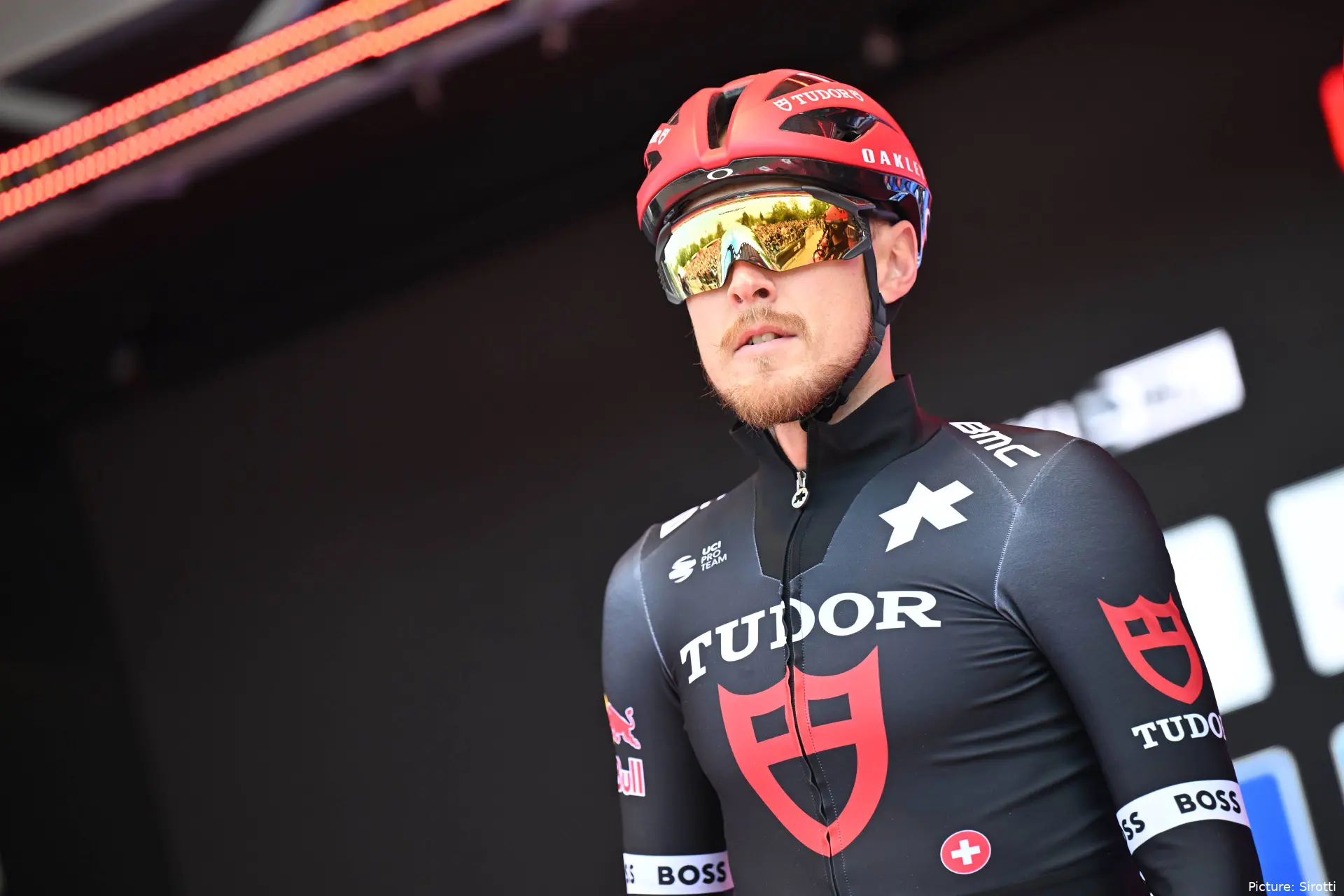
For all the rule changes, working groups and technology trials introduced in recent years, professional cycling is still making what Matteo Trentin describes as the same basic errors.
Speaking on the Bici Sport Podcast, the experienced Tudor Pro Cycling Team rider did not hide his frustration when asked about safety in the modern peloton.
“The situation has changed compared to years ago, but the same stupid mistakes keep being made, like in Andalucia a few days ago with a speed bump 50 metres from the finish,” Trentin said. “It feels like a lost cause.”
His reference was to a recent incident in Spain where a late course feature close to the line reignited debate about route design and risk management in sprint finishes. For Trentin, the issue is not theoretical. It is structural.
Organisers and riders both under scrutiny
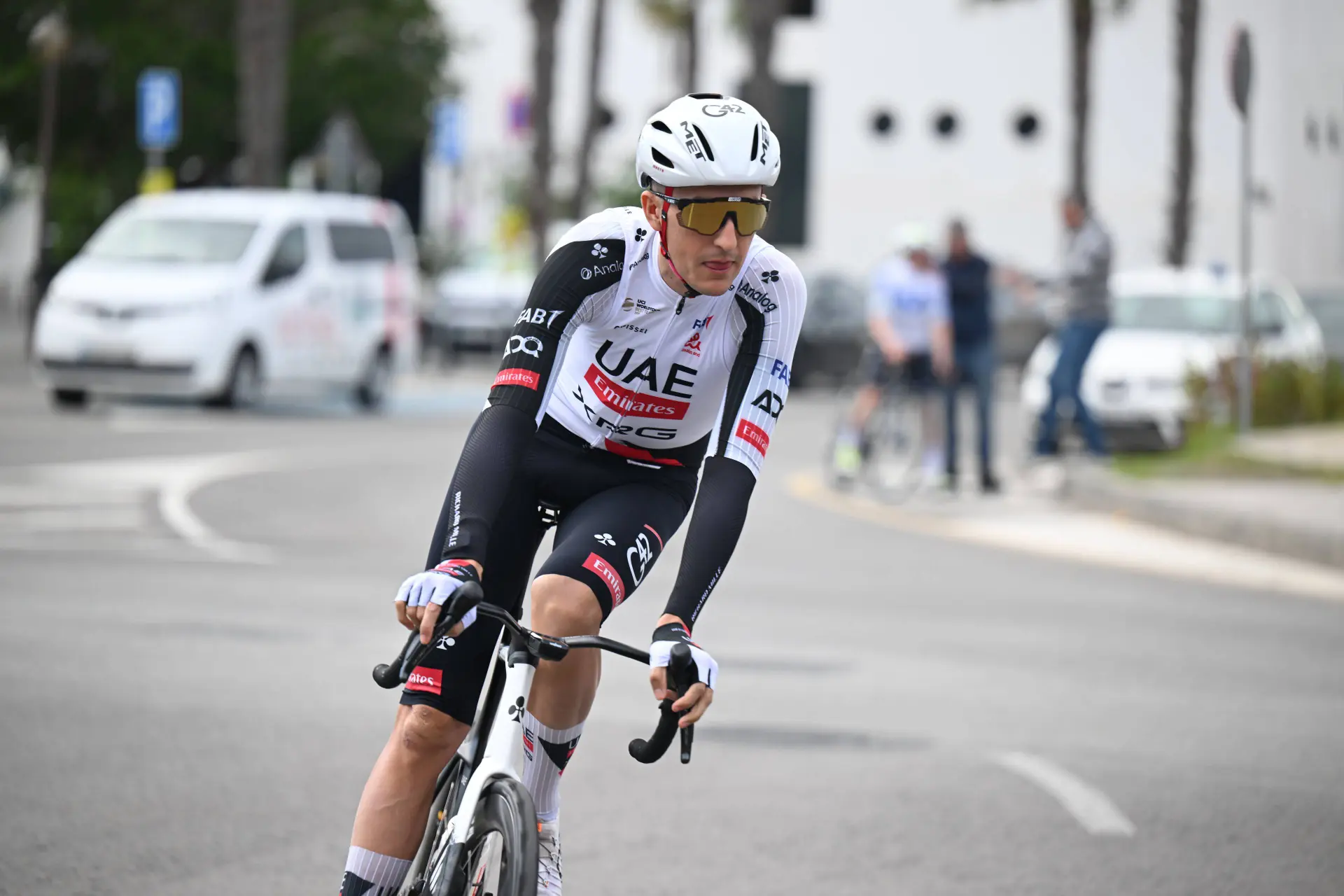
“Who has to change? The organisers? Yes, but also the riders with their sports directors, because sometimes risks are taken when there is absolutely no need,” Trentin continues.
That shared responsibility is central to his argument. While course design and finish layouts sit with organisers, Trentin also points to the culture inside the bunch. Aggressive positioning battles, marginal gambles and split-second decisions amplify whatever hazards are placed on the road.
In recent seasons, the UCI has introduced a series of safety measures through its SafeR programme, while governing bodies have increased scrutiny on barriers, run-ins and technical finishes. Yet high-speed finales continue to produce flashpoints.
Trentin’s frustration is rooted in repetition. The tools and discussions may evolve, but the mistakes feel familiar.
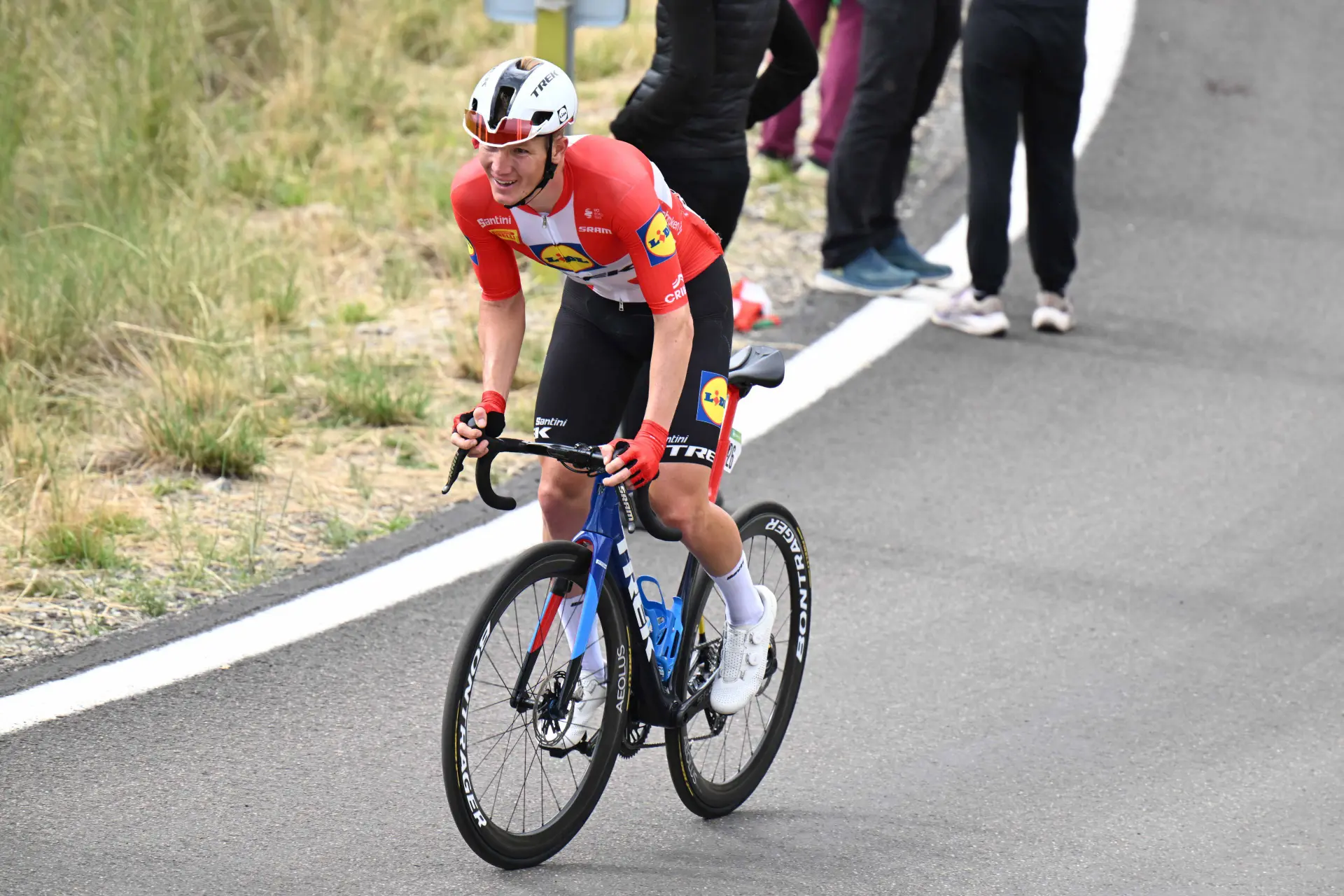
Trentin debuted in the World Tour peloton in 2011
The radio debate and the “real problems”
“And then people drag in the issue of race radios, which, in my opinion, is only talked about to hide from the real problems.”
The race radio debate has resurfaced repeatedly in recent years, with trials and proposals exploring restrictions as part of broader safety reforms. Advocates argue that radios allow teams to warn riders of hazards. Critics suggest they shape racing dynamics in ways that can increase speed and control rather than reduce danger.
For Trentin, however, that conversation risks becoming a distraction. Debating communication technology does not remove a speed bump 50 metres from the finish. It does not redesign a narrow run-in or eliminate poorly placed street furniture.
His position shifts the focus back to fundamentals.
Technology, tracking and the wider safety debate
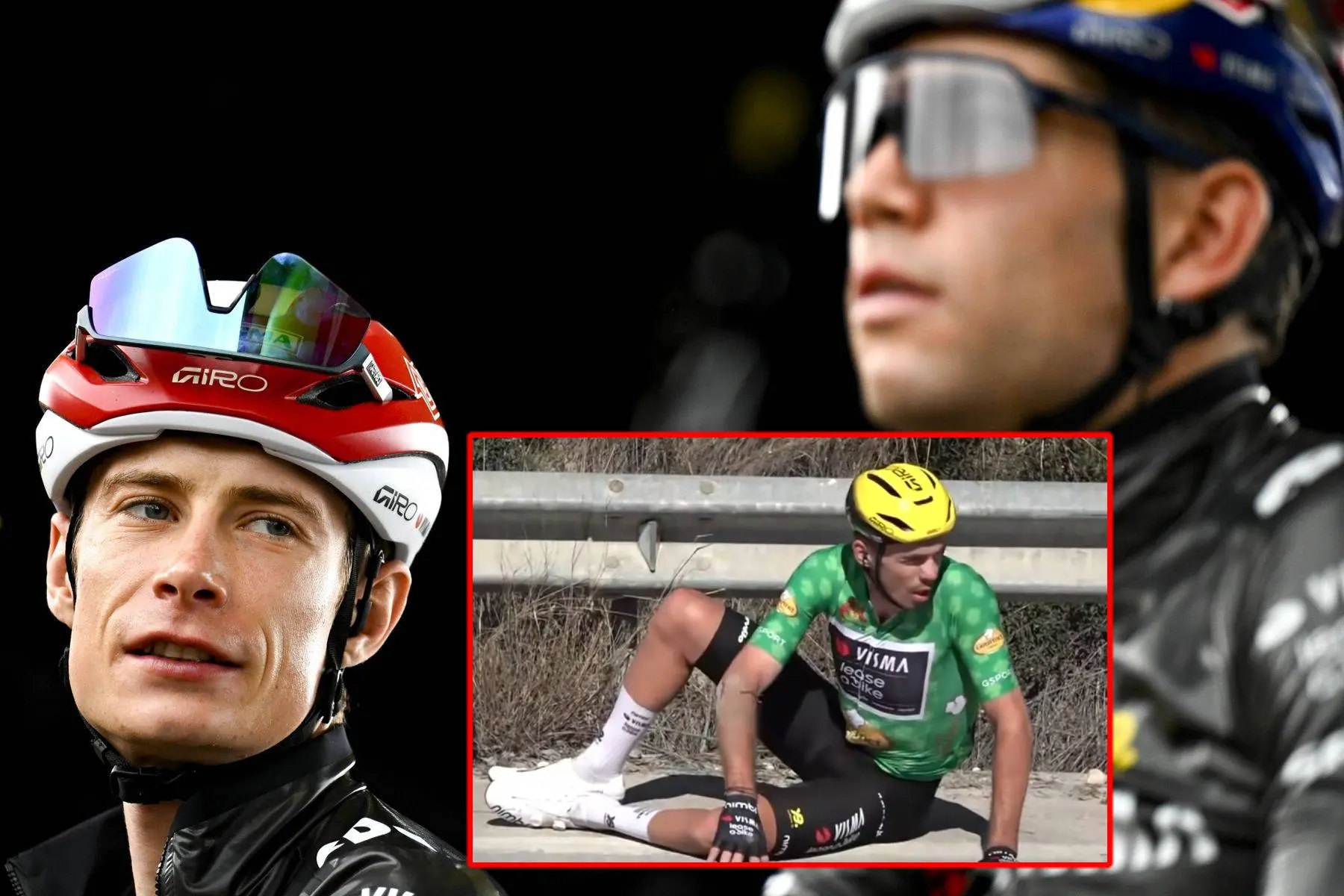
The tension between prevention and response has been visible elsewhere this season. Almost two years after the tragic death of Muriel Furrer at the 2024 Road World Championships, a scare at the 2026 Tour de la Provence involving Soren Kragh Andersen reignited discussion around mandatory GPS tracking devices and incident detection systems.
That debate centred on how quickly a rider can be located after leaving the road. Trentin’s comments address an earlier point in the chain: why obvious risks are still being created in the first place.
Cycling has invested heavily in monitoring, barrier standards and regulatory frameworks. Yet when a veteran of more than a decade in the peloton describes safety reform as feeling “like a lost cause”, it underlines how fragile confidence remains inside the bunch.
For Trentin, the problem is not the absence of discussion. It is the persistence of preventable error. “The same stupid mistakes keep being made,” he said.
Until that changes, the wider debate around radios, tracking and protocols may continue to circle without resolution.

Kieran WoodDeputy Editor-in-Chief
Kieran Wood is a sports journalist based in Wales and has been active in journalism since 2022. He regularly contributes to DartsNews.com and CyclingUpToDate.com, where he covers professional cycling and darts. In cycling, his work includes liveblogs from major races, including the Tour de France, the Giro d’Italia, and La Vuelta a España, alongside race reports and analysis. He has also conducted interviews with professional riders.
His reporting spans the full racing calendar, from one-day classics to stage races, with a focus on accurate, real-time coverage and clear contextual analysis. For statistics, results, and historical context, he regularly uses resources such as ProCyclingStats. To support reporting on rider activity and training context where relevant, he also references Strava.
In his work, Kieran places strong emphasis on careful sourcing, editorial accuracy, and updating articles as new, verified information becomes available.
claps 4visitors 4
Just in

Popular news
Latest comments
- My thinking is that Pog's experience and strength would have outweighed any fatigue in Il Lombardia. But the sad thing is, we'll never see peak Pog (call it Pog 2) go head to head with Seixas. However well he recovers from his crash, he'll return as Pog 3, with the shadow of severe concussion always there.Hills3313-10-2026
- Some speculation and opinion. Had Tadej not crashed out of the Vuelta he would have been less fresh and I'm not sure he would have beaten Seixas in this race. Maybe he would have been able to contest the race in a sprint and maybe not. Believe me when I say I keep up with many of Tadej's climbing feats and records and I understand how great he is but the Paul we just saw at Il Lombardia was not that far behind Tadej.awp13-10-2026
- Firstly, someone who says parenting is babysitting is delusional and shouldn't be taken seriously. Secondly, with pro athletes it is not the same as a normal worker. They are being rewarded for doing something for which they have a talent which doesn't actually help people (besides inspiration). It's quite a different dynamic
 Rafionain-Glas12-10-2026
 - only way for him to effectively learn to microdose is to go to uae. other than that there is no reason for him to go to uae.whkman12-10-2026
- that was a great win, and quite a surprise at the time. That was a loaded field, and he held of Valverde for the win. Still shocking that Valverde never won Lombardia. He seemed perfect for it. Mollema just went to work every day.mij12-10-2026
- I hope he races Volta a Majorca. We'll really be able to see if he can do one-day-races (but do they count?)Rafionain-Glas12-10-2026
- See, you can write a sensible comment without just slagging off everyone else! Well done!👏😆 🫣Lozza12-10-2026
- Seixas best chance is obviously UAE. They are the best team in history of the sport and they developed pogacar into the goat. They also developed Del Toro to be nr 2 in world. Seixas would become unstoppable at UAE. Lets see if Seixas stays at decathlon but if UAE comes knocking its impossible to say no. Barcelone and real madrid combined into one team, thats UAE in cycling it feels like..miguel12-10-2026
- I think he does or goes to whichever team gives him the scope to become the rider everyone thinks he'll be when Tadej stops.. that simpleslappers6612-10-2026
- I remember at one time he was mentioned in the same breath as Seixas. no more. Onley has a lot of work to do to be deserving of that.mij12-10-2026
Loading
1 Comments