
The duel between Remco Evenepoel and Tadej Pogacar at this
Sunday’s world championships time trial could be one of the stories of the
season. Both are already serial champions, Pogacar with four Tours de France, a
Giro, a world title, and countless classics, Evenepoel with a Vuelta, rainbow
jerseys and Olympic golds, but when they meet against the clock, the numbers
tilt heavily toward the Belgian. In ten direct contests, Evenepoel has beaten
Pogacar eight times. And yet, those two defeats tell a different story: both
came on climbing-heavy routes, the exact terrain that awaits them in Kigali
this Sunday at the World Championships.
Their rivalry in time trials is not simply about seconds on
a results sheet. It is a clash of styles. Evenepoel is the perfect time
triallist: outrageously aerodynamic, relentless, and almost always flawless on
flat or rolling roads. Pogacar, by contrast, is a rider who thrives when the
road rises, able to turn a time trial into a climbing race where his explosive
acceleration and pacing instincts give him an edge. Kigali’s 40.6-kilometre
course, with 680 metres of elevation and a cobbled climb to finish, sits
exactly between those worlds. To understand why this matters, it is worth
tracing their history head-to-head, race by race.
Head-to-head
The first time they lined up together in a major TT was the
European Championships in 2021. The course in Trentino was short and flat, just
22.4 kilometres. Stefan Küng took the title ahead of Filippo Ganna, while
Evenepoel rode to third. Pogacar finished twelfth, almost a minute behind his
Belgian rival. The gap was large and established an early pattern: on
pancake-flat terrain, Evenepoel’s engine was simply superior.
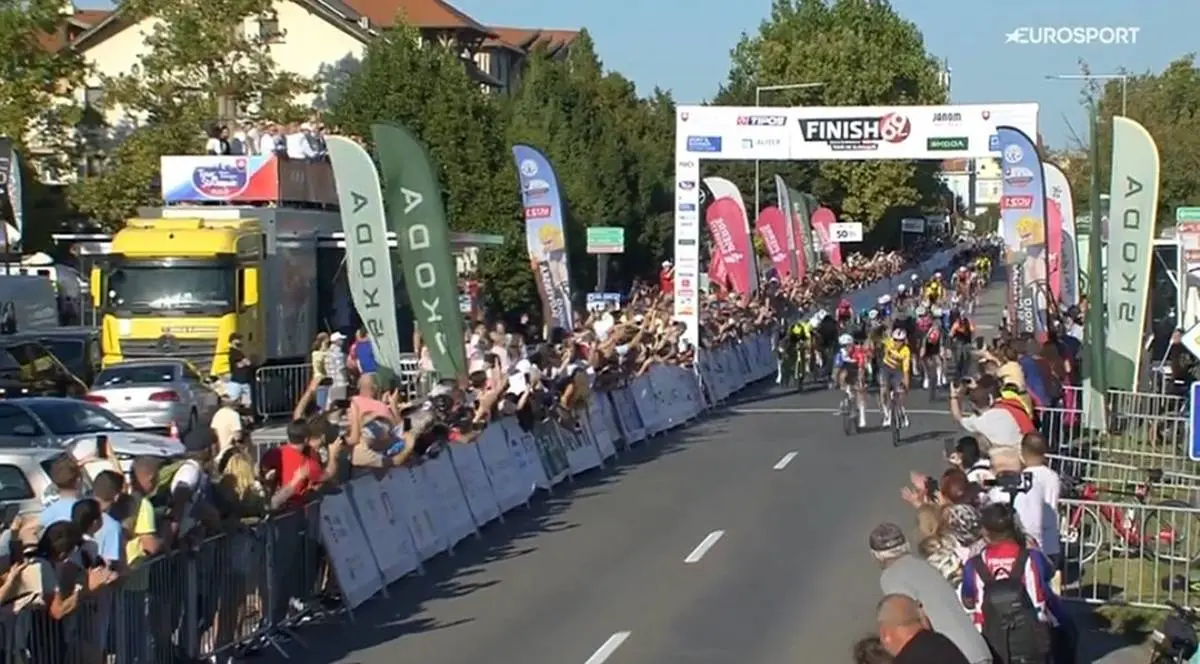
That same season, at the World Championships in Flanders,
the story repeated. Over 43.3 kilometres of near-perfect flat roads, Ganna won
ahead of Wout van Aert, with Evenepoel again taking third. Pogacar was down in
tenth, more than a minute adrift. Two races in, the score stood at 2–0 to
Evenepoel, both by wide margins.
Tirreno-Adriatico 2022 offered the first hint of a closer
battle. The opening stage, a 13.9-kilometre flat test, was once more won by
Ganna, but Evenepoel finished second and Pogacar third. The gap between them
was just seven seconds, the closest it had ever been. Evenepoel still had the
upper hand, but Pogacar was improving, and crucially, this time trial contained
small rises that narrowed the margins.
Later that season came the World Championships in
Wollongong, Australia. The course was lumpy but not mountainous, and Tobias
Foss stunned the field to win. Evenepoel took third, less than a minute from
gold, while Pogacar finished sixth, 40 seconds behind his Belgian rival.
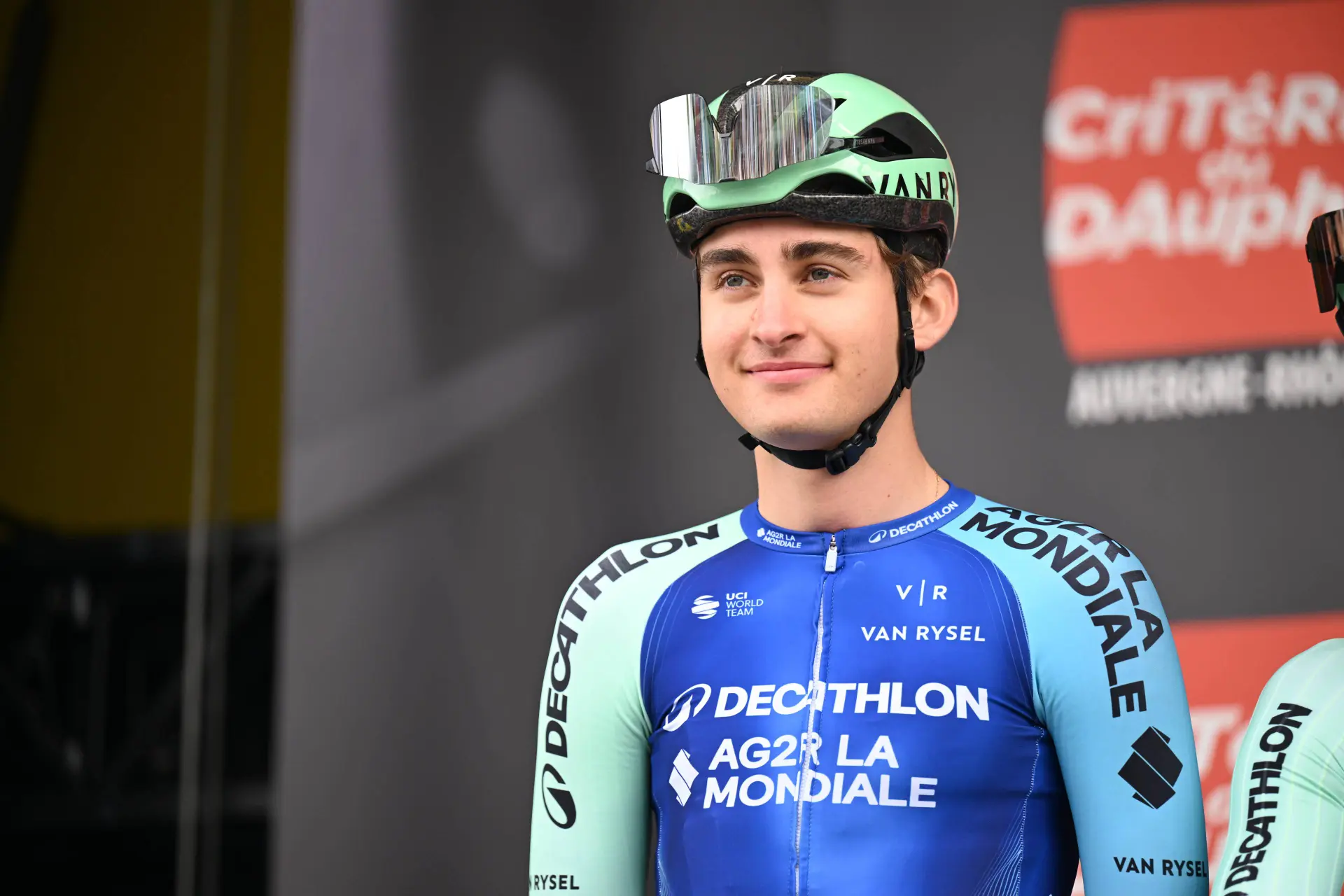
It was in 2023 that the gap widened again. The World
Championships in Stirling provided Evenepoel with his first rainbow jersey in
the time trial, a performance that underlined his supremacy on technical,
power-based routes. The 47.8-kilometre course contained 280 vertical metres and
a final kilometre at nearly 5%. Evenepoel thrived, beating Ganna by 12 seconds
and leaving Josh Tarling in third. Pogacar, meanwhile, finished 21st, more than
three minutes down. It was their most lopsided time trial to date, proof that
when Evenepoel is at his best, Pogacar struggles to keep pace on courses with
long sections of sustained power and aerodynamic benefits.
Then came the Tour de France 2024, and with it a new
chapter. Stage 7, Evenepoel’s debut time trial in the race, stretched over 25
kilometres with 283 vertical metres. It was a day when he announced himself on
the Tour in the most emphatic way possible. The Belgian took his first Tour
stage win, but it was close. Pogacar, who would go on to win the yellow jersey,
finished second, just 12 seconds behind. Evenepoel had looked secure throughout
most of the ride, but in the final kilometres he suffered a scare with a
mechanical issued which quickly resolved itself. Still, the victory belonged to
him, and it marked his arrival as a genuine Tour contender. Primoz Roglic was
third, more than half a minute behind.
Stage 21 of the same Tour brought the first crack in the
record. Pogacar produced a masterpiece on the final time trial from Monaco to
Nice, a 35-kilometre course packed with climbing. The route included the ascent
of La Turbie, 8.1 kilometres at 6.5%, and the steep Col d’Èze, 1.6 kilometres
at 8.1%, before a plunge into Nice. It was a proper climber’s time trial, and
Pogacar made it his own, sealing his third Tour de France title with a dominant
ride and 6th stage win of last year’s Tour. He finished over a
minute ahead of Evenepoel, who placed third behind Jonas Vingegaard.
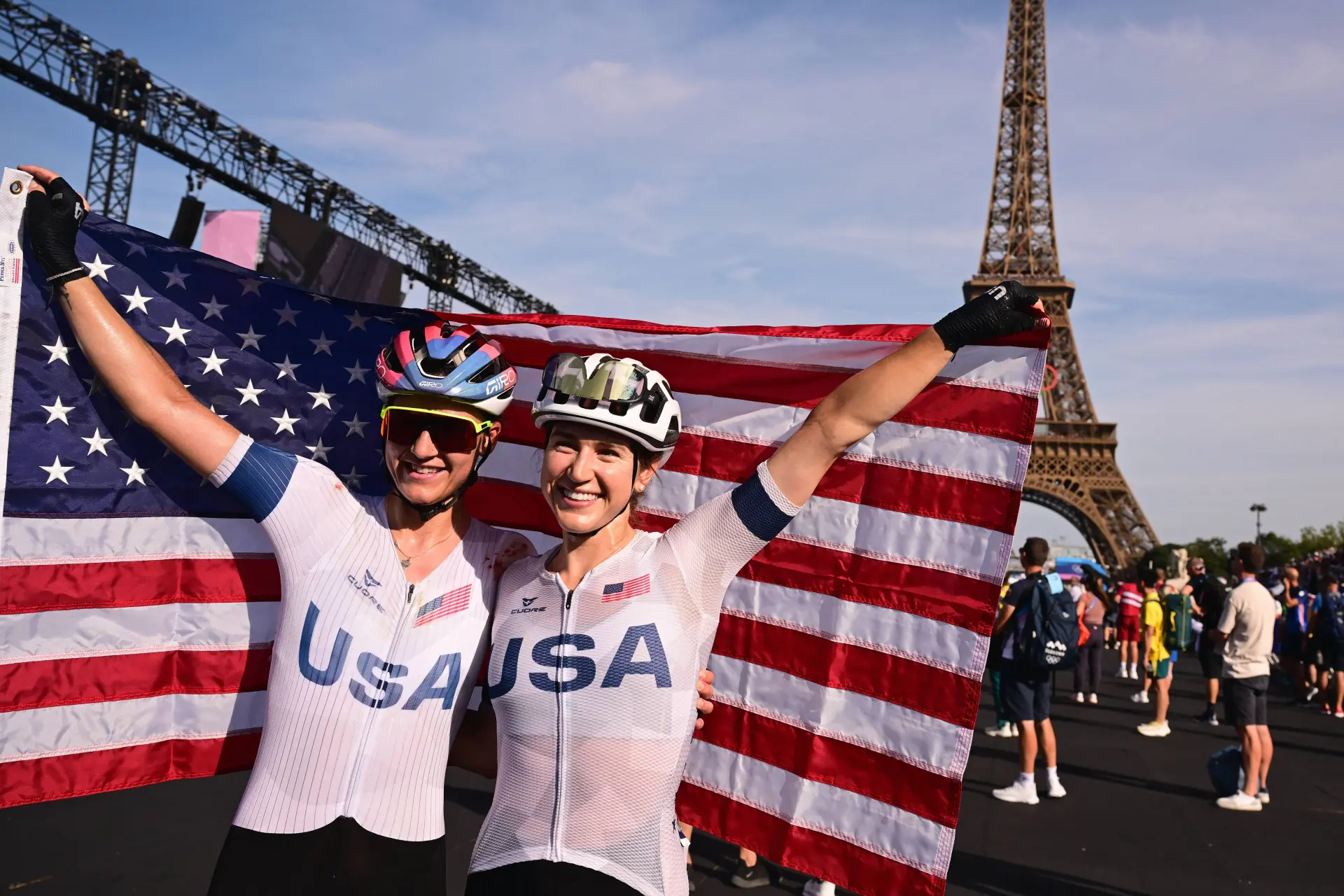
For the first time, Pogacar had beaten Evenepoel on a time
trial bike, and he had done it comprehensively on terrain that suited him
perfectly. Evenepoel, however, still left the Tour with the white jersey and a
podium place in his debut, underscoring that his progress in stage racing was
intact.
The duel rolled into 2025, beginning at the Critérium du
Dauphiné. Stage 4 was a 17.4-kilometre test with 214 metres of elevation.
Evenepoel was irresistible, winning by 20 seconds over Vingegaard, with Matteo
Jorgenson third. Pogacar, on the other hand, had one of his rare off-days,
finishing nearly 50 seconds down. The victory reaffirmed Evenepoel’s
consistency on medium courses, the sort of profile where pacing and raw power
still outweigh climbing fireworks.
At the 2025 Tour de France, their rivalry intensified again.
Stage 5 offered another flat-to-rolling time trial, 33 kilometres with just 191
metres of climbing. Evenepoel delivered his second Tour stage win, 16 seconds
ahead of Pogacar. It was classic Remco: steady, aerodynamic, controlled. Even
though injuries in the winter had disrupted his season, his time trialling
remained unshaken.
But the pendulum swung violently back on Stage 13. This was
the Peyragudes mountain time trial, 10.9 kilometres in length but with a savage
645 metres of vertical elevation, finishing on the airstrip where the James
Bond film Tomorrow Never Dies was shot. The final ramp hit 13%, a wall that
broke rhythm and broke Evenepoel.
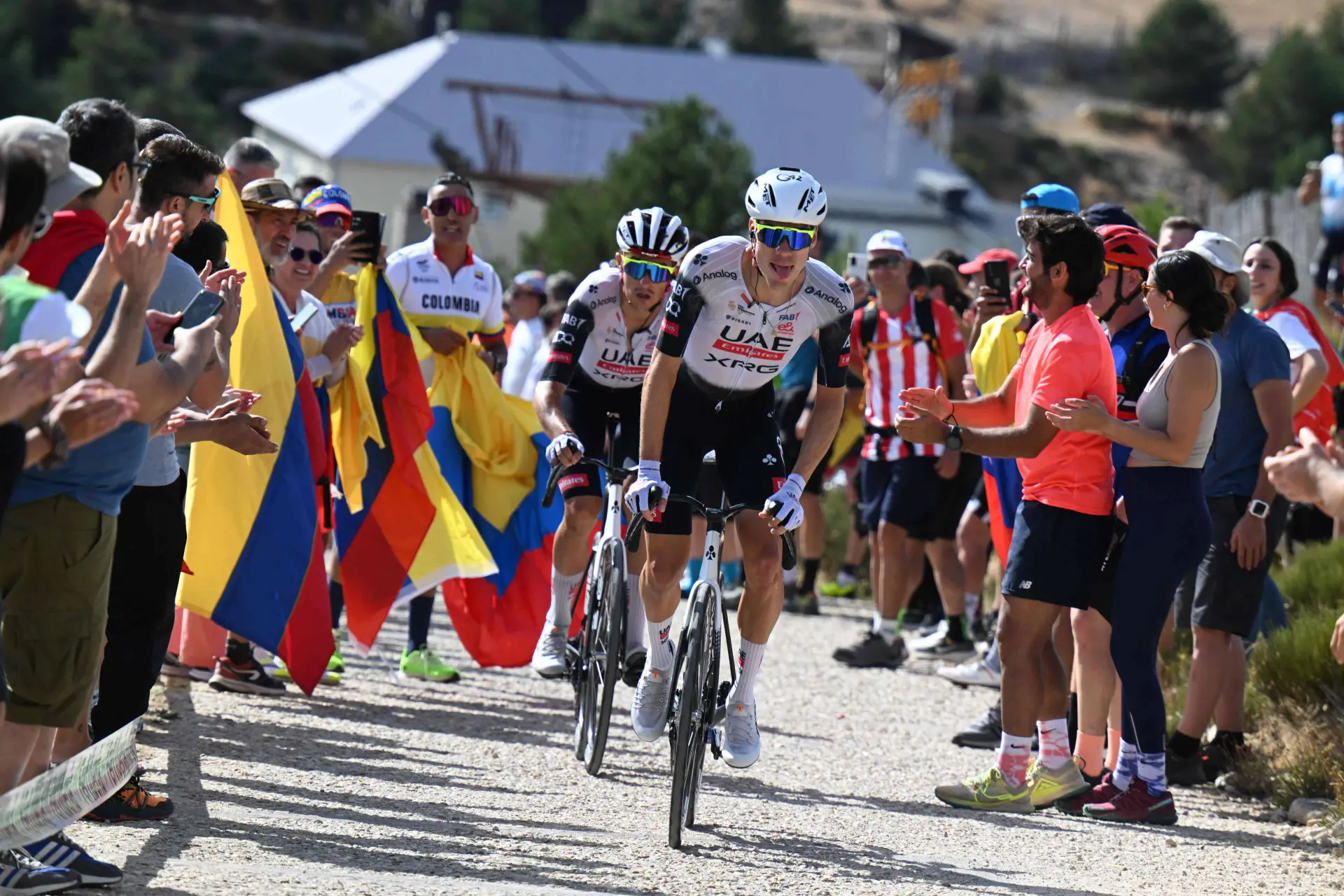
Pogacar soared to victory in exactly 23 minutes, Vingegaard
finished 36 seconds slower, and Evenepoel imploded. He finished twelfth, 2
minutes and 39 seconds behind Pogacar, passed on the road and visibly
suffering. It was, by his own admission, his worst day on a bike. The contrast
was bleak: Pogacar was untouchable on the climb, Evenepoel exposed as mortal
when the time trial became a pure uphill effort.
Those ten races give us a clear pattern. On flat or rolling
courses, Evenepoel holds an overwhelming advantage. The record is 8–2 in his
favour, and most of his wins came by significant margins. Pogacar, by contrast,
has only beaten Evenepoel on climbing-heavy time trials: the 2024 Stage 21
Monaco–Nice TT and the 2025 Peyragudes mountain TT. Both involved steep
gradients, both required the sort of sustained uphill effort that neutralises
pure aero power, and both brought out Pogacar’s climbing brilliance.
Now they arrive in Kigali. The course is 40.6 kilometres
long, with 680 metres of climbing. It is not flat, and it is not a pure
mountain TT either. It begins with eight kilometres of calm, then slams into
the Côte de Nyanza, 2.5 kilometres at nearly 6%. A descent follows, then a
return ascent of the same hill from the gentler side, 6.6 kilometres at 3.5%.

By the time they descend again and reach 31.6 kilometres,
the Côte de Péage awaits, two kilometres at 6%, before the brutal Côte de
Kimihurura, 1.3 kilometres at 6.3% over cobblestones. The finish rises all the
way to the Kigali Convention Centre at 4% for the final kilometre. It is a
course designed to punish mistakes and amplify strengths.
When compared to their past encounters, Kigali sits closer
to Pogacar’s two victories than to Evenepoel’s flat-road dominations. The
elevation gain of 680 metres is far greater than the Dauphiné’s 214 or the Tour
de France Stage 5’s 191, where Evenepoel won. It is also much longer than the
Peyragudes TT, which was just 10.9 kilometres, but it contains more overall
climbing than Nice in 2024.
The difference is that Kigali mixes climbs with long
descents and technical sections. It isn’t a straight mountain climb like
Peyragudes, but it isn’t a flat drag like Zurich last year either. It demands
balance: pace the climbs without blowing, recover on the descents without
losing speed, and attack the cobbled ramp without cracking before the line.
For Evenepoel, Kigali is a test of adaptation. He cannot
simply rely on his aerodynamic position and steady wattage; he must climb
efficiently and survive the repeated accelerations. His track record shows he
can handle rolling courses, but on steep uphill finishes he has cracked, and he
will need to be in 2024 climbing form this Sunday.
For Pogacar, Kigali is an opportunity, his best opportunity
in fact. His two victories over Evenepoel have both come on similar profiles,
and the cobbles of Kimihurura may well suit his punchy acceleration. If he
stays close on the flatter sections, he will back himself to deliver on the
climbs.
The rivalry stands at 8–2, but the scoreline disguises the
nuance. Kigali is a course that blurs the line between power and climbing, a
hybrid that neither rider can claim as their pure territory. For Pogacar, it is
a chance to prove that when the road rises, he is superior. For Evenepoel, it
is a chance to silence the ghosts of Peyragudes and reassert his supremacy.
Time Trial course recon 😎
— UCI (@UCI_cycling) September 20, 2025
Training completed. Tomorrow, the action begins 🙌
Bring on #Kigali2025! 🌈
📸 SWpix pic.twitter.com/HlJh5LDpVl

Fin MajorCycling Journalist
Fin Major is a UK-based writer at CyclingUpToDate and has been part of the team since 2024. He is the site’s main writer for FAQs and evergreen explainers and has written around 2,000 pieces for the platform. Alongside this work, he focuses on in-depth analysis and covers the biggest races on the calendar, including the Tour de France, the Giro d’Italia, and La Vuelta a España, providing clear context around performance trends, tactics, and key storylines.
In his reporting, Fin uses reputable data sources such as ProCyclingStats for results, statistics, and historical context. He places strong emphasis on careful sourcing, editorial accuracy, and updating articles promptly when new, verified information becomes available. Outside of writing, Fin is an active cyclist, which supports his practical understanding of the sport and its demands.
claps 1visitors 1
Just in

Popular news
Latest comments
- The article makes it sound like a great thing and something to be applauded. The reality is is gives the Americans another 6 years to fleece European cycling fans or force them to hunt around Europe with VPN’s for free feeds. Not something to be celebrated in my book. Before someone points out that coverage of this depth costs money, yes, I agree but not £30+ per month a fee I will wager will gradually increase now this deal has been cemented.Paul53119-10-2026
- Great. Thrilled. (Satire) Oh, how I miss the days of GCN. Still wear my GCN hoodie with pride.anonymouscyclist19-10-2026
- You could also look at it another way. How many riders have had better or more consistent results since the Tour?Jumpyjohn19-10-2026
- Whilst I love Tadej (and Remco, who deserves to be mentioned here, too), @JumpyJohn makes a valid point, and he isn’t wrong @MajorPayne. It is a fact that today’s official broadcasters of cycling struggle to keep our attention once the likes of Tadej (or Remco) attacks at ~80km or so. In the 142nd issue of Rouleur, Ned Boulting reflects on the often stressful paradox of commentating on a race that is effectively over before the broadcast window even hits its stride. In this edition, he centres on Remco’s 1hr solo at the Challenge Mallorca this year, and captures the panic and dread shared by the commentators when a dominant rider kills off the racing tension early. I recommend you read it, it’s a fascinating insight into the world of commentary, and the true viewing figures of today’s cycling. I must add here, I love Tadej and Remco, but I would be lying if my heart rate wasn’t higher when watching the World Championships this year. And I’m sure Rob Hatch would say something akin regarding his commentary!anonymouscyclist19-10-2026
- The shattered women’s marathon record was clean and highly surprising and then a few months later the athlete was very positive in another test for something not taken by mistake when recording far less impressive results. Sounds to me like the problem is still the age old one, detection is often way behind. Just like with crime, it’s not because you can’t catch the criminals that you aren’t aware of the crime.Jumpyjohn19-10-2026
- Listen, you have a point but on the other hand in cycling, once some of the riders go solo and build a minute’s gap, there’s hardly any action left to watch. Cycling is definitely not for today’s generations of accelerated viewing. Other people find skydiving or chess exciting but you can’t force everyone to feel the same.Jumpyjohn19-10-2026
- That’s a funny one. Yeah obviously he’s more aero than some but most of the aero effect at elite level is the bike. Now you have me starting to feel sorry for the guy behind him when he pulls a groupetto.Jumpyjohn19-10-2026
- Knew a World Tour promotion was coming for Ben this season. Thrilled for him, and can't wait to see what he can do at this level. Another one to watch at the TTs.anonymouscyclist19-10-2026
- It honestly breaks my heart to see this. I had a feeling this might happen over the last few years, but I kept praying it wouldn't, and that Joey would find his niche, especially back racing alongside his brother. After growing up racing alongside PH-MAS, the Pidcock brothers have always felt like one of our own, as we’ve watched them grow from Club level all the way up to PC and WT. I wish Joey nothing but the best of luck in whatever he does next, but selfishly… I do wish for him to move into the role of Q36.5 team staff.anonymouscyclist19-10-2026
- Predictable, sure! But boring??? OMG! Was Mike Tyson predictable and boring in his prime? Air Jordan? Schumacher or Senna? OMG!!!MajorPayne19-10-2026
Loading
Write a comment