ANALYSIS: Michael Matthews closes in on history! GP Castellon win brings landmark record of Valverde, Cipollini and Cavendish within touching distance
Cycling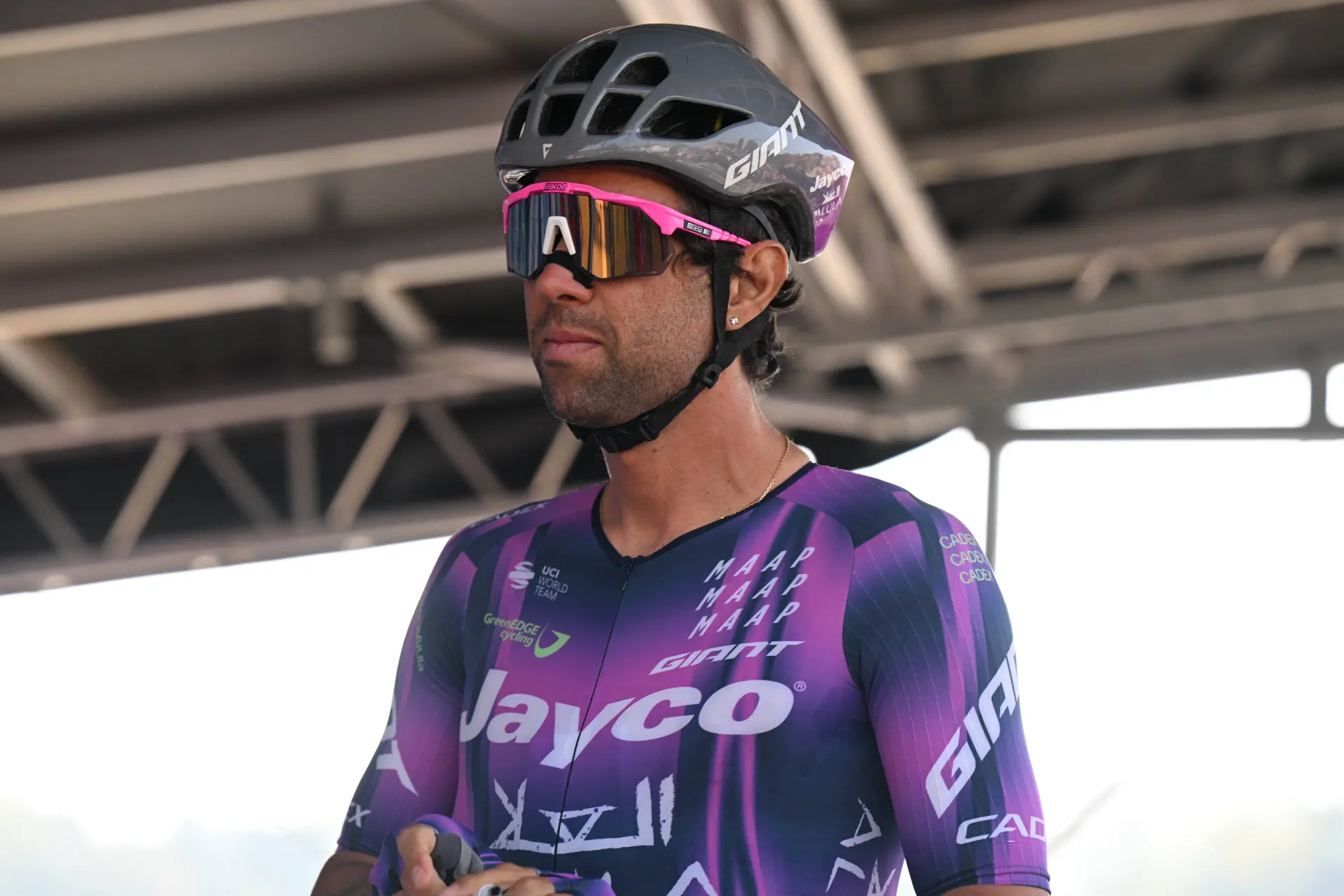
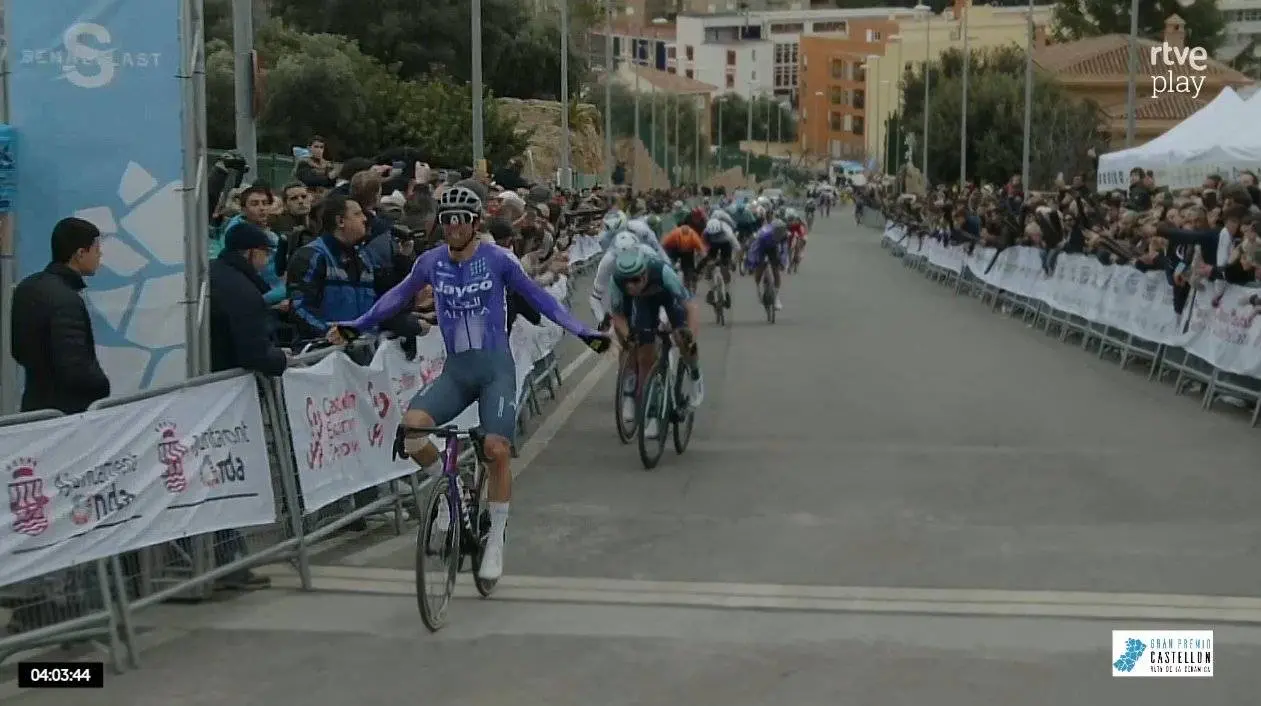
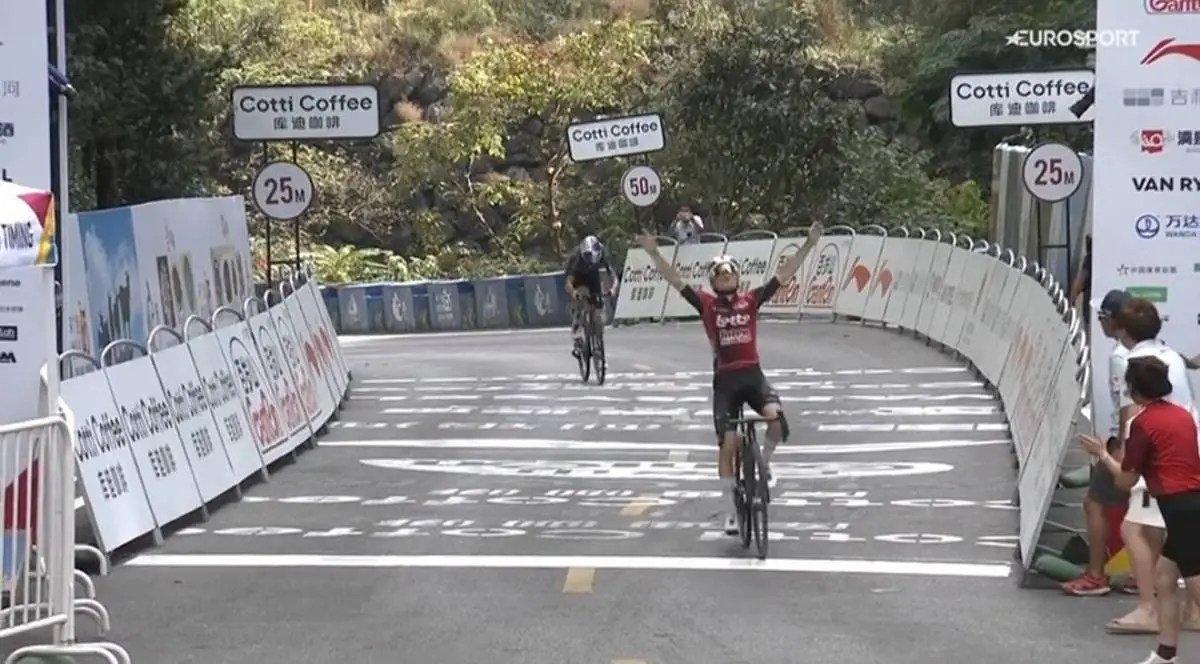
Michael Matthews’ victory at the Gran Premio Castellon carried significance well beyond the result itself. By winning again in 2026, the Australian has now recorded at least one professional victory in 16 different seasons, placing him firmly in pursuit of one of professional cycling’s most exclusive longevity benchmarks.
Only a handful of riders in the modern era have managed to win across so many separate seasons at the top level. Matthews now sits one season short of Mario Cipollini and Mark Cavendish, both on 17, and two away from the benchmark set by Alejandro Valverde, who stands alone on 18.
How Matthews stacks up against cycling’s longevity greats
The headline totals only become meaningful once the seasonal spread behind them is examined.
Read also
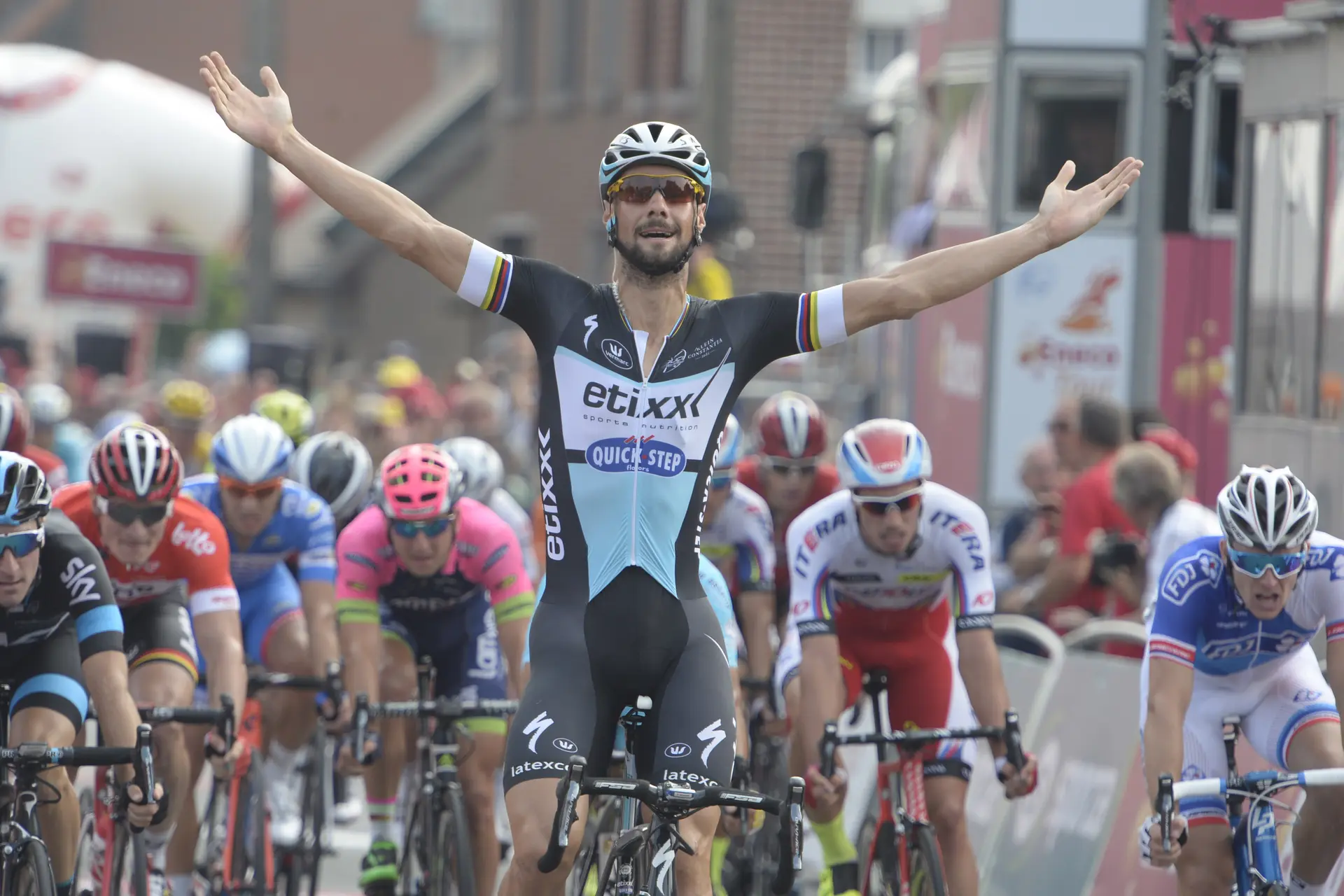
Valverde recorded professional victories across three distinct phases of his career. His winning seasons span 2003–2010, then 2012–2019, and finally 2021–2022. When counted as distinct seasons with at least one professional win, that produces a total of 18 separate winning seasons. Those seasons were not consecutive, but they were distributed across an unusually long competitive lifespan, built not on a single uninterrupted peak but on repeated returns to winning form across different stages of his career.
Cipollini reached 17 winning seasons through a more concentrated model. His victories span 1989–2005, forming a long and highly productive sprint-driven prime. Once established at the top level, he added winning seasons consistently, with very few interruptions. His total reflects sustained dominance rather than extended late-career resurgence.
Cavendish also stands on 17, but through a different distribution. His winning seasons stretch from 2006–2018, before resuming again in 2021–2024. That spread includes clear gaps where victories did not arrive, followed by successful returns to winning later in his career. His tally is therefore built on both early dominance and the ability to re-establish himself after periods without wins.
Matthews now sits on 16 winning seasons, and crucially, his sequence remains active. His Castellon victory extends a career that has already spanned multiple competitive eras, placing him directly in the same statistical conversation as riders whose longevity has defined entire generations.

Can Matthews extend his career a few more years to beat Valverde's record?
Why Matthews’ case is different
Matthews’ route to longevity does not mirror any of those examples precisely.
He has not relied on sustained bunch sprint dominance in the way Cipollini or Cavendish did, nor has he extended his relevance through broad stage race leadership in the manner that underpinned Valverde’s long span of winning seasons. Instead, Matthews has consistently won from selective scenarios, particularly uphill sprints and reduced group finishes where fatigue resistance, positioning and timing matter as much as outright speed.
That profile is significant in the context of this chase. It suggests Matthews’ ability to add further winning seasons is not dependent on a single race type or sprint environment, but on remaining competitive in races that naturally thin the field before the finish. His longevity has therefore been built through adaptability across terrains, teams and evolving race dynamics rather than through one dominant formula.
What comes next
The arithmetic is now clear. Matthews requires one more winning season to draw level with Cipollini and Cavendish on 17, and two further seasons with at least one victory to match Valverde’s benchmark of 18. There are no guarantees that he will reach either mark, but the pathway is clearly defined. Castellon moved Matthews closer to the top of cycling’s longevity table, and each additional season in which he finds a way to win will sharpen that pursuit further.

Kieran WoodDeputy Editor-in-Chief
Kieran Wood is a sports journalist based in Wales and has been active in journalism since 2022. He regularly contributes to DartsNews.com and CyclingUpToDate.com, where he covers professional cycling and darts. In cycling, his work includes liveblogs from major races, including the Tour de France, the Giro d’Italia, and La Vuelta a España, alongside race reports and analysis. He has also conducted interviews with professional riders.
His reporting spans the full racing calendar, from one-day classics to stage races, with a focus on accurate, real-time coverage and clear contextual analysis. For statistics, results, and historical context, he regularly uses resources such as ProCyclingStats. To support reporting on rider activity and training context where relevant, he also references Strava.
In his work, Kieran places strong emphasis on careful sourcing, editorial accuracy, and updating articles as new, verified information becomes available.
claps 3visitors 3
Just in

Popular news
Latest comments
- He didn't even try to sprint all outvappaxbipmv18-10-2026
- Campenaerts looked like a rolling pumpkin with that all orange leaders skinsuit !frieders318-10-2026
- He can take his dumb a$$ politics somehwere else !frieders318-10-2026
- good to have her back. fingers crossed she‘ll be able to stay!Ketterechts17-10-2026
- A tenner and he wins the Tour next year, too 😂anonymouscyclist17-10-2026
- the answer is either stick to classics or GTs but not bothabstractengineer17-10-2026
- the exodus already stared with Ciccone. Already they were struggling with two sprinters, now there are three. Also Ganna will demand leadership. Gall is the most proven GC, Ayuso has the most potential. GC leadership for everybody will be impossible. Literally a UAE style mess without pogi.abstractengineer17-10-2026
- I raced as an amateur for 12 years, including six years on my country’s national road cycling team. I secured two national titles and competed in three World Championships plus more than 15 international stage races. At 23, we travelled to Italy for a training camp—or so I assumed. On a rest day, we watched a presentation about adopting a more “professional” training approach. It was crystal clear what “professional” meant. That moment first exposed me to this dilemma. After returning from Italy, I left cycling—at least at the competitive level I had known. Over the following two years, the whole team was caught doping. I hold that everyone is innocent until proven guilty. In my view, current stakeholders operate on a different scale, and the sums involved are vast. I am unsure whether any doping would ever be revealed. I try to stay positive and enjoy the show. My 2c.
 vannpelt17-10-2026
 - Fiver he wins 🤣
 leedorney17-10-2026
 - “…measures to reduce speeds.” Might as well shorten the race course to just 50km as well? ASO generates at minimum €300m a year and 30- 40% profit. Maybe stop being greedy and spend more of the profit to protect the riders instead.b3tlla17-10-2026
Loading

#Replay 🎥 / #GPCastellon 🇪🇸 Quelle belle nouvelle de voir 🇦🇺 Michael Matthews (JAY) lever les bras ! Il revient de loin après sa saison 2025 difficile. Il devance 🇪🇸 Pau Miquel (TBV) et 🇸🇰 Lukas Kubis (URR).
2 Comments