ANALYSIS: Is Primoz Roglic ready to dethrone Roberto Heras as the king of the Vuelta in 2026?
Cycling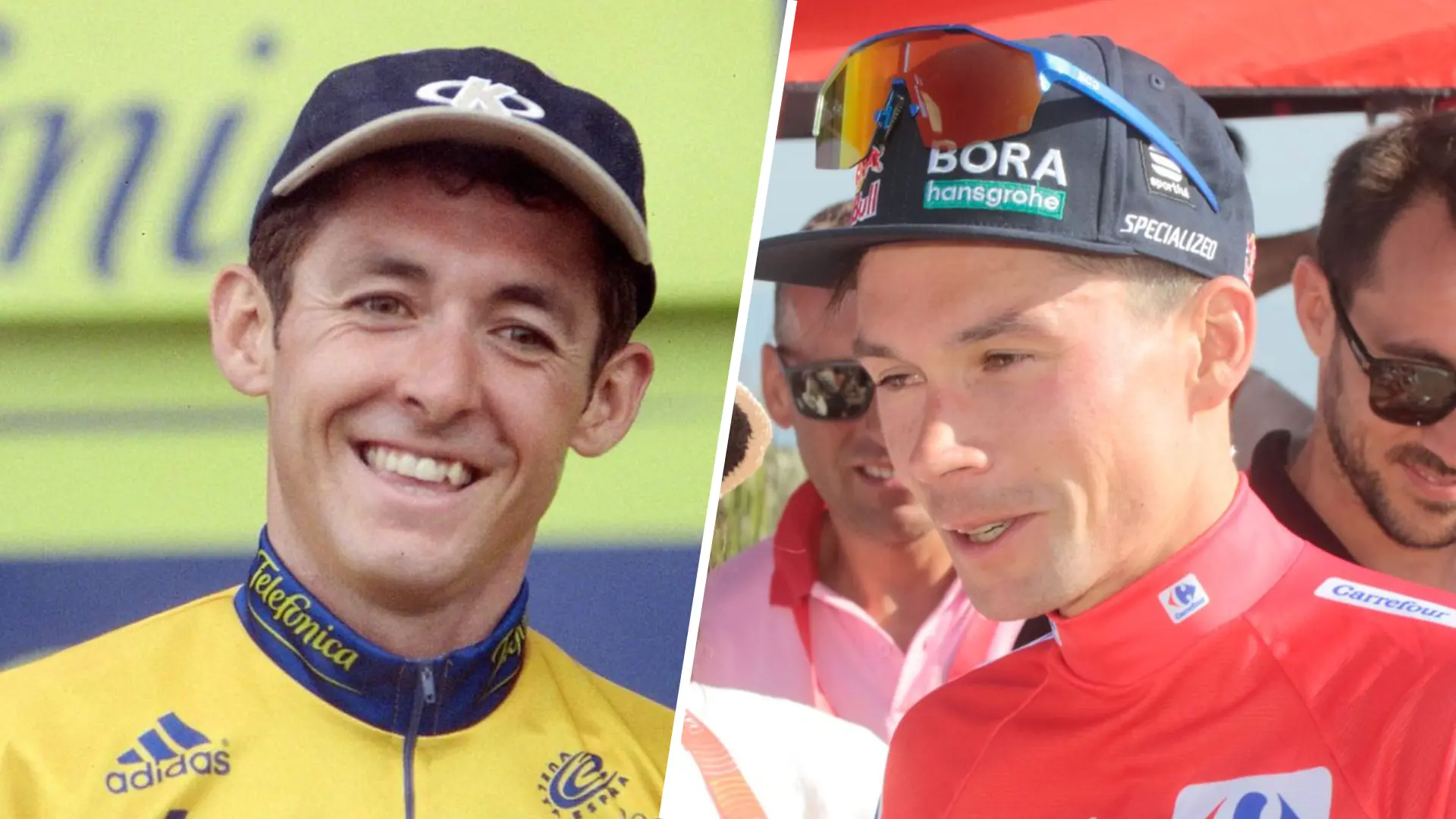
The Vuelta a Espana is one of cycling’s three Grand Tours and one of the most important and prestigious races in the sport’s history. Like many people, we enjoy comparing eras and riders. That is why we are going to look back at the careers of the two greatest riders this three week race has ever seen: Roberto Heras and Primoz Roglic.
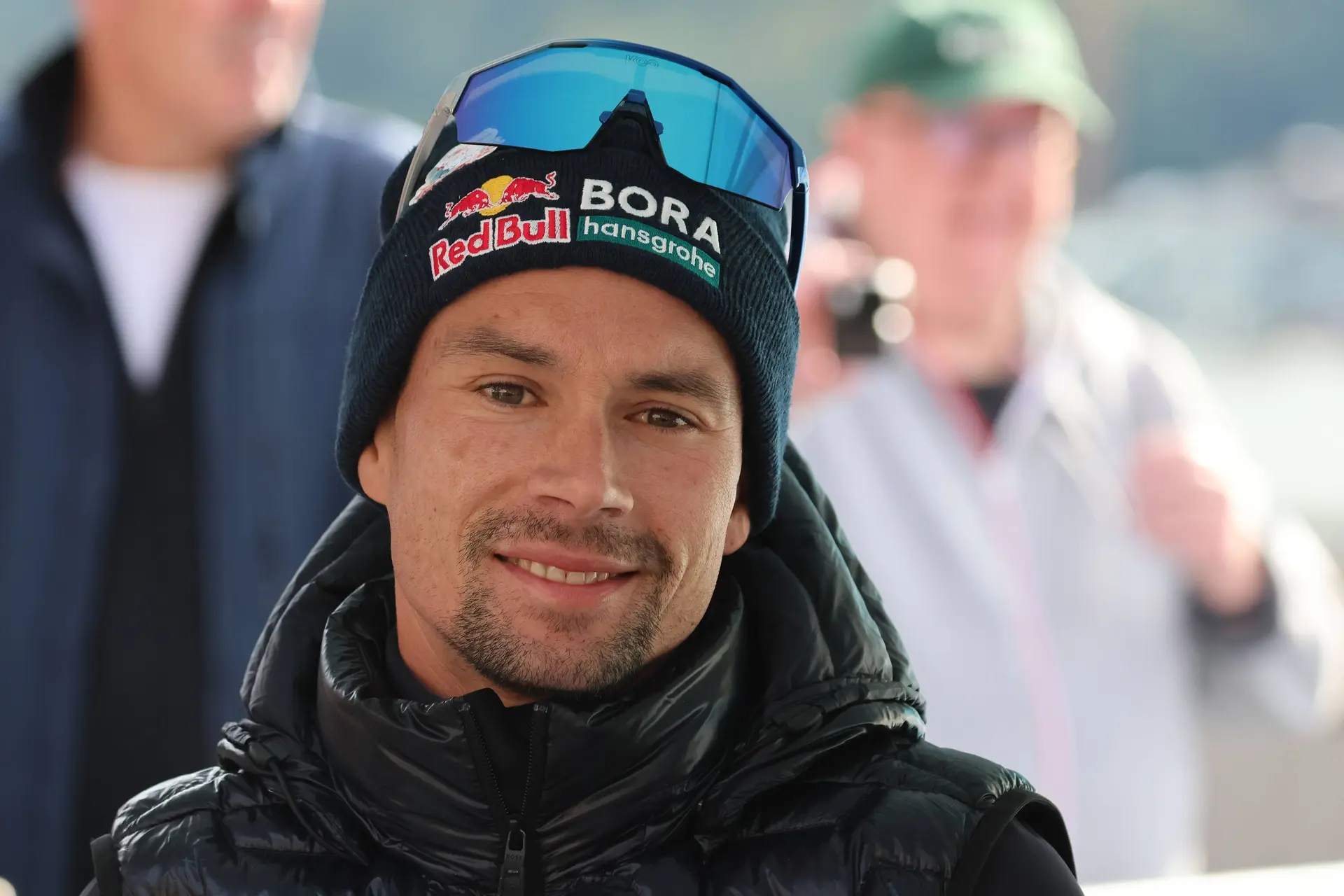
They are the only riders who have won the final general classification on four occasions. The Slovenian will even try to add a fifth, which will be the only Grand Tour he rides in 2026. He will do so as leader of a powerful team in Red Bull - BORA - hansgrohe. That is why we think this is the perfect moment to compare what both riders have achieved in the Spanish Grand Tour.
Roberto Heras
We will go in chronological order and begin with the home rider. Roberto Heras took part in the Vuelta a Espana nine times and his worst result was sixth place. His debut came in 1997. He grew stronger as the race went on and won stage 12 on the Alto del Morredero in Ponferrada, ahead of major stars of the time such as Chava Jimenez, Pascal Richard, Pavel Tonkov, Alex Zulle, Fernando Escartin, Enrico Zaina and Laurent Dufaux.
After other strong rides, including finishing third in Los Angeles de San Rafael on the antepenultimate day, only behind Jimenez and Daniel Clavero, he ended the race in fifth place overall. Only Zulle, Escartin, Dufaux and Zaina finished ahead of him.
Until his retirement in 2005, he raced the Vuelta every year. His second appearance came in 1998 and that also produced his worst result, with another sixth place. He was consistent in the stages, taking second in Xorret de Cati behind Chava Jimenez, third at the Estacio de Pal behind Jimenez and Fernando Escartin, and second in Cerler in another stage won by Jimenez.
He crossed the line in ninth place on the Lagunas de Neila, behind riders such as Jimenez, Laurent Jalabert, Richard Virenque, Triki Beltran, Abraham Olano and the Colombian Jose Joaquin Castelblanco. In Segovia he took his only win of that edition, was second on Navacerrada behind Andrei Zintchenko and sixth in the points classification. In the overall standings he was beaten by Olano, Escartin, Jimenez, Lance Armstrong (later stripped of that fourth place) and Jalabert.
In 1999 he was sixth in Ciudad Rodrigo behind Jan Ullrich, Abraham Olano, Frank Vandenbroucke, Davide Rebellin and Angel Luis Casero, third on the Angliru behind Chava Jimenez and Pavel Tonkov, second in Arcalis behind Igor Gonzalez de Galdeano, sixth in Castellar del Riu behind Alex Zulle, Nicola Miceli, Chava Jimenez, Leonardo Piepoli and Ullrich, fourth on the Alto de Abantos behind Roberto Laiseka, Vandenbroucke and Jimenez, third in Avila behind Vandenbroucke and Mikel Zarrabeitia, and sixth in the penultimate stage time trial behind Ullrich, Zulle, Vandenbroucke, Melchor Mauri and Inigo Cuesta.
He finished fifth in the points classification behind Vandenbroucke, Robert Hunter, Gonzalez de Galdeano and Ullrich, third in the mountains behind Chava Jimenez and Vandenbroucke, and third overall behind Ullrich and Gonzalez de Galdeano.

Roberto Heras is, alongside Roglic, one of the two most successful riders in Vuelta a Espana history
In 2000 he was second in Xorret de Cati behind Eladio Jimenez, won the stage to Morella, was fourth in Arcalis behind Roberto Laiseka, Carlos Sastre and Santiago Blanco, third on the Lagos de Covadonga behind Andrei Zintchenko and Igor Pugaci, third on the Angliru behind Gilberto Simoni and Jan Hruska, and won on the Alto de Abantos.
He placed second in the mountains classification behind Carlos Sastre, won the points classification and also won the general classification. The 2000 edition was the first of his four overall victories in the Vuelta a Espana.
In 2001 he produced one of his quieter Vueltas. He did not win a stage and only managed fourth in Pal behind Jimenez, Escartin and Juan Miguel Mercado, and fourth again on the Alto de Aitana behind Claus Michael Moller, Gilberto Simoni and Carlos Sastre. He finished seventh in the mountains, 12th in the points and fourth overall behind Angel Luis Casero, Oscar Sevilla and his then team mate Levi Leipheimer.
In 2002 he won the stage to the Sierra de la Pandera, was seventh in the time trial in Cordoba behind Aitor Gonzalez, Oscar Sevilla, David Millar, Joseba Beloki, Toni Tauler and Iban Mayo, raised his arms on the Alto de l’Angliru, was second on La Covatilla behind Santiago Blanco and fifth in Avila behind Chente Garcia Acosta, Aitor Gonzalez, Miguel Angel Martin Perdiguero and Oscar Sevilla.
He finished second in the mountains classification behind Aitor Osa, fifth in the points behind Erik Zabel, Alessandro Petacchi, Aitor Gonzalez and Angelo Furlan, and second overall behind Aitor Gonzalez.
In 2003 he won his second Vuelta a Espana and the first of the three in a row he would take before retiring. He was second in the opening team time trial in Gijon with US Postal, only beaten by ONCE, third on La Pandera behind a young Alejandro Valverde and the Colombian Felix Rafael Cardenas, and won the mountain time trial on the Alto de Abantos to take the leader’s jersey. He was sixth in the mountains and seventh in the points.
In 2004 he was fifth in Soria behind Valverde, Stuart O’Grady, Denis Menchov and Oscar Freire, second on the Alto de Aitana behind Leonardo Piepoli, won in Calar Alto, was seventh in Granada, third in the Sierra Nevada time trial behind Santiago Perez and Valverde, third on La Covatilla behind Felix Rafael Cardenas and Santiago Perez, sixth on the Puerto de Navacerrada and fourth in the final time trial in Madrid behind Perez, Paco Mancebo and Carlos Sastre.
This allowed him to finish second in the mountains behind Cardenas, third in the points behind Zabel and Valverde, and first overall.
In 2005 the Vuelta was the final race of his career. He went out in style by winning it. He was seventh in the opening time trial in Granada, won on Valdelinares, was fifth in the Lloret del Mar time trial behind Denis Menchov, Ruben Plaza, Paco Mancebo and Carlos Sastre, second in Arcalis behind Mancebo, third in Cerler behind Laiseka and Sastre, sixth on the Lagos de Covadonga, won on Valgrande Pajares and was second in the Alcala de Henares time trial behind Ruben Plaza.
He ended the race third in the mountains behind Joaquin Purito Rodriguez and Eladio Jimenez, second in the points behind Alessandro Petacchi, and first in the overall. He closed out his career with distinction and with a total of ten stage wins.
Primoz Roglic
The Slovenian has a better success rate, as he has only ridden the race six times. He won the first three, was forced to abandon the fourth, finished third in the fifth and equalled the record in the most recent he has completed.
In 2019 he was third in Calpe behind Nairo Quintana and Nicolas Roche, sixth on Javalambre, second on Mas de la Costa behind Alejandro Valverde, third on Cortals d’Encamp behind Tadej Pogacar and Quintana, won the time trial in Pau, was second on La Vaca Pasiega behind Pogacar, eighth on the Santuario del Acebo, second on Becerril de la Sierra behind Sergio Higuita and fifth on Gredos behind Pogacar, Valverde, Rafal Majka and Hermann Pernsteiner. As well as the general classification he also won the points classification.
In 2020 he started strongly with victory on Arrate, second in Lekunberri behind Marc Soler and second again on La Laguna Negra de Vinuesa behind Dan Martin. On stage five in Sabinanigo he was fourth behind Tim Wellens, Guillaume Martin and Thymen Arensman. He added two more wins on the Alto de Moncalvillo and in Suances, was fifth on the Angliru behind Hugh Carthy, Aleksandr Vlasov, Enric Mas and Richard Carapaz, and took his fourth win in the time trial on the Ezaro.
He was second in Ciudad Rodrigo behind Magnus Cort and finished sixth in the mountains behind Guillaume Martin, Tim Wellens, Richard Carapaz, David Gaudu and Sepp Kuss, once again taking the points classification and the final general classification.
In 2021 he again won the opening stage, this time a time trial in Burgos. He was seventh on the Picon Blanco, second on the Alto de la Montana de Cullera behind Magnus Cort, and second again on the Alto de Velefique behind Damiano Caruso. He won in Valdepenas de Jaen and the Lagos de Covadonga before finishing second on the Gamoniteiru behind Miguel Angel Lopez and second in Castro de Herville behind Clement Champoussin.
He won for the fourth time, as in the previous year, in the final time trial in Santiago de Compostela and once again took the overall. He was third in the mountains behind Michael Storer and Romain Bardet and second in the points behind Fabio Jakobsen.
In 2022 he won the opening team time trial in Utrecht with Jumbo-Visma and took the stage to Laguardia. He was fifth on San Miguel de Aguayo behind Jay Vine, Remco Evenepoel, Enric Mas and Juan Ayuso, seventh on the Collau Fancuaya, second in the Alicante time trial behind Evenepoel, ninth in Montilla, second on La Pandera behind Richard Carapaz and fourth on Sierra Nevada behind Thymen Arensman, Enric Mas and Jay Vine.
On those last two stages Miguel Angel Lopez also finished ahead of him but his disqualification removed him from the standings and the others moved up. While sitting second overall behind Evenepoel, Roglic could not start stage 17 and was forced to abandon.
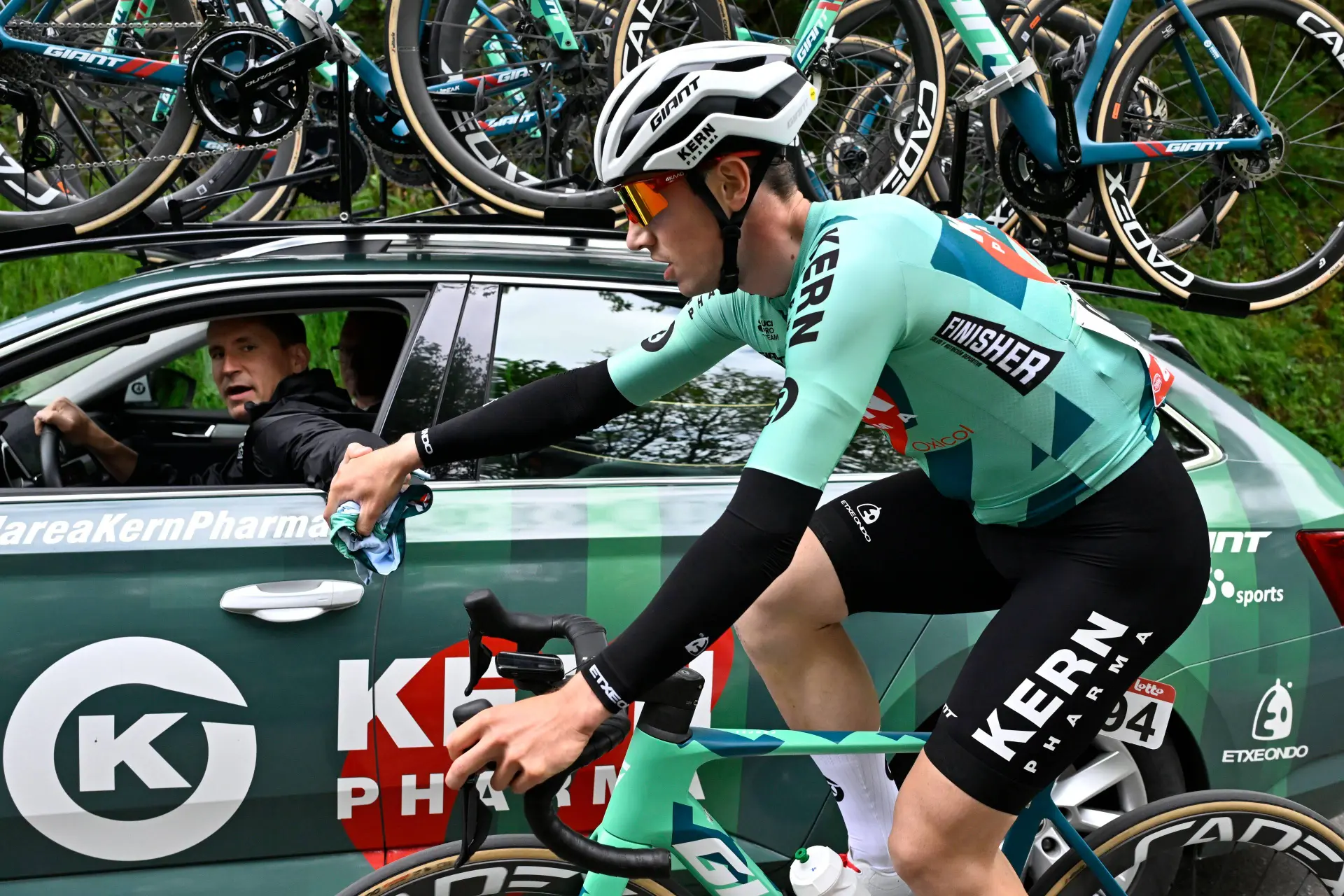
In 2023 he was fourth in Arinsal behind Remco Evenepoel, Jonas Vingegaard and Juan Ayuso, won on Xorret de Cati, was third in the Valladolid time trial behind Filippo Ganna and Evenepoel, third on the Tourmalet behind Vingegaard and Sepp Kuss, eighth in Bejes and won on the Angliru.
He was fifth in the mountains behind Evenepoel, Vingegaard, Storer and Bardet, seventh in the points behind Kaden Groves, Evenepoel, Andreas Kron, Marc Soler, Vingegaard and Ganna, and third overall in Jumbo-Visma’s historic clean sweep behind his team mates Sepp Kuss and Jonas Vingegaard, which is his worst finish in any Vuelta he has completed.
In 2024 he won it again, this time in the colours of Red Bull - BORA - hansgrohe in his first season with the team. He was eighth in the opening time trial in Oieras, won on Pico Villuercas and Cazorla, was eighth again in Granada, fifth on the Cuitu Negru behind Pablo Castrillo, Aleksandr Vlasov, Pavel Sivakov and Enric Mas, won on Moncalvillo, was third on the Picon Blanco behind Eddie Dunbar and Mas, and second in the final time trial in Madrid behind Stefan Kung.
He finished fourth in the mountains behind Jay Vine, Marc Soler and Pablo Castrillo, second in the points behind Kaden Groves, and won the overall for the fourth time. His tally of stage wins reached 15, five more than Roberto Heras. The major advantage for Primoz Roglic is that he has not retired, is still in good shape, and can continue adding both stage victories and overall triumphs.

Kieran WoodDeputy Editor-in-Chief
Kieran Wood is a sports journalist based in Wales and has been active in journalism since 2022. He regularly contributes to DartsNews.com and CyclingUpToDate.com, where he covers professional cycling and darts. In cycling, his work includes liveblogs from major races, including the Tour de France, the Giro d’Italia, and La Vuelta a España, alongside race reports and analysis. He has also conducted interviews with professional riders.
His reporting spans the full racing calendar, from one-day classics to stage races, with a focus on accurate, real-time coverage and clear contextual analysis. For statistics, results, and historical context, he regularly uses resources such as ProCyclingStats. To support reporting on rider activity and training context where relevant, he also references Strava.
In his work, Kieran places strong emphasis on careful sourcing, editorial accuracy, and updating articles as new, verified information becomes available.
claps 0visitors 0
Just in

Popular news
Latest comments
- TT But he won by a minute so he could have cut down on some of it
 Rafionain-Glas13-10-2026
 - weight is measurable. power is measurable. So why didn't he prepare that way from the TDF if he wanted to beat Pogi and after Pogi wasn't going to be there, to win.abstractengineer13-10-2026
- I hope Thibau and Tibor don't do the sameRafionain-Glas13-10-2026
- Seixas is exactly what I would like Pogi to be mentally and in his statements. Both come across as shy and who don't talk much but with Seixas, you can see that he enjoys success, that it boosts his ego, unlike Pogačar who seems to feel increasingly uncomfortable the more he wins. He's won so many times, people are saying he's boring. The french media hate him for winning so much, the french cycling fans are booing him... etc. etc. But remember one thing, Seixas will never physically reach Pogi's level. He's excellent, but he isn't at that level nor will ever be. His talking to the media, his relationship with people is already at a high level.PogiSloFans13-10-2026
- Paul Seixas is now the second-best rider in the world.megasmacky13-10-2026
- When will they start dropping Pogi? Oh yeah, when Pogi reaches 40+ years, that's when young cyclists will start dropping him. But until then... eat your hearts out and cry. Pogi will remain the G.O.A.T. for years to come. Capish?PogiSloFans13-10-2026
- I figure he would have found out how to outsprint Paul and take the win, maybe. He's 28 now but I would say he's right at the peak of his powers. It was great race though, Paul showed me something different about himself.awp13-10-2026
- Slowly, very slowly... 5-7 yrs. ;)MajorPayne13-10-2026
- Up to this point: "It is just not yet at the level of Vingegaard and Pogacar." First Jonas, and then level of Tadej. Period!MajorPayne13-10-2026
- The sport has long had a divide between the more diesel-like riders and the more explosive riders. Where does Pogačar fit? His explosive attacks are followed by a high speed diesel climb and he's rarely been caught in the past 5 years (people can name the moments, it's so rare). Seixas is young and we have no idea where his body will end up on this spectrum (just like we didn't with Pogačar when he was 20 and being a diesel up the Vuelta mountains of 2019). Speculation is fun, being a fan while it unfolds is going to be more fun.RidesHills13-10-2026
Loading
Write a comment