"A shocking one because of the brutality of the crash" - Spanish commentator Javier Ares worries for Giro d'Italia safety after stage 2 incident
Cycling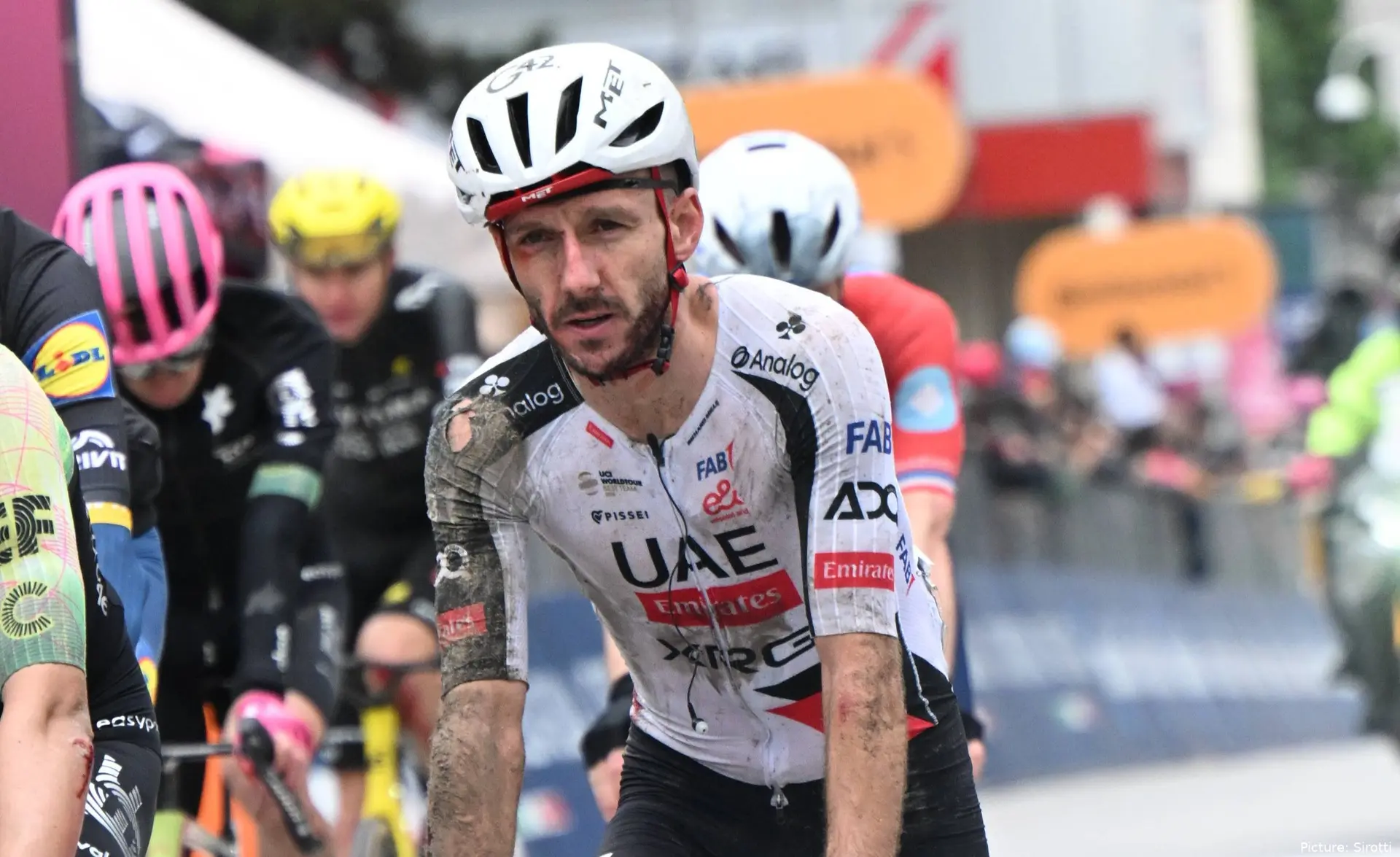
Stage 3 of the Giro d’Italia again looked calm on the surface but offered plenty to unpack for Eurosport commentator Javier Ares, who broke it all down on his YouTube channel after the Bulgarian opening ahead of the transfer to southern Italy.
The day’s standout was once more the Frenchman Paul Magnier, who took another sprint win and confirmed his spectacular start to the Giro. Ares underlined the young sprinter’s level, capable of beating Jonathan Milan again in an explosive finale.
“He has beaten Jonathan Milan on his own terrain again,” the commentator stressed, impressed by the French rider’s power in the final metres.
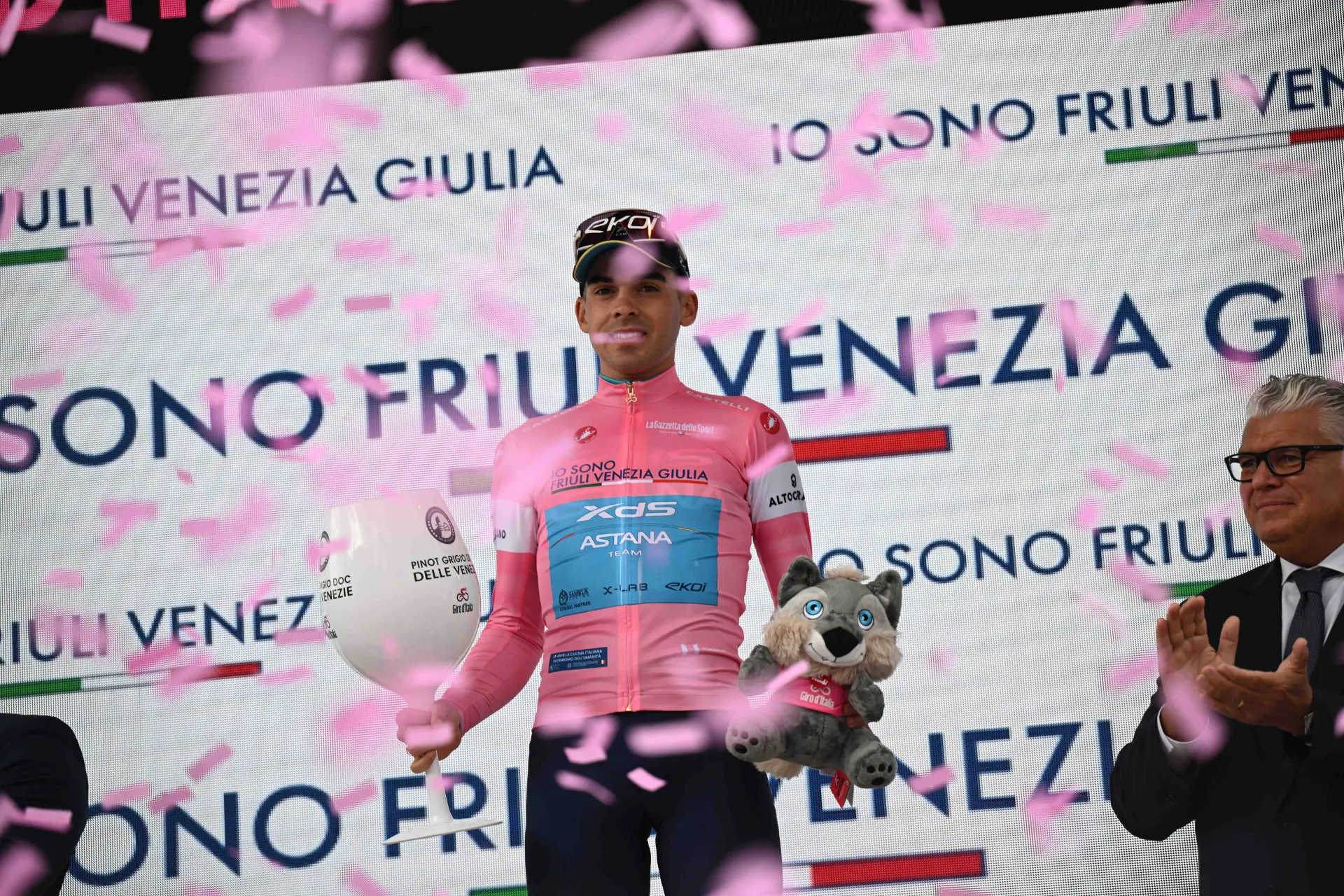
The journalist also highlighted the surprising overall lead of Uruguayan Tomás Silva, who will keep the maglia rosa after the first three days in Bulgaria. For Ares, one of the major positives of this Italian Grand Tour starting abroad has been the emergence of riders and nationalities less common at the forefront of world cycling.

Guillermo Thomas Silva, Giro d’Italia leader
“In Uruguay, let’s not talk only about Fede Valverde or Luis Suárez and company—let’s talk about cycling too. That’s fantastic news,” he said.
Ares argued that these international starts can help grow the sport and inspire new cycling vocations in countries without tradition. He pointed to the strong local crowds at the finishes and the interest sparked during the three Bulgarian stages.
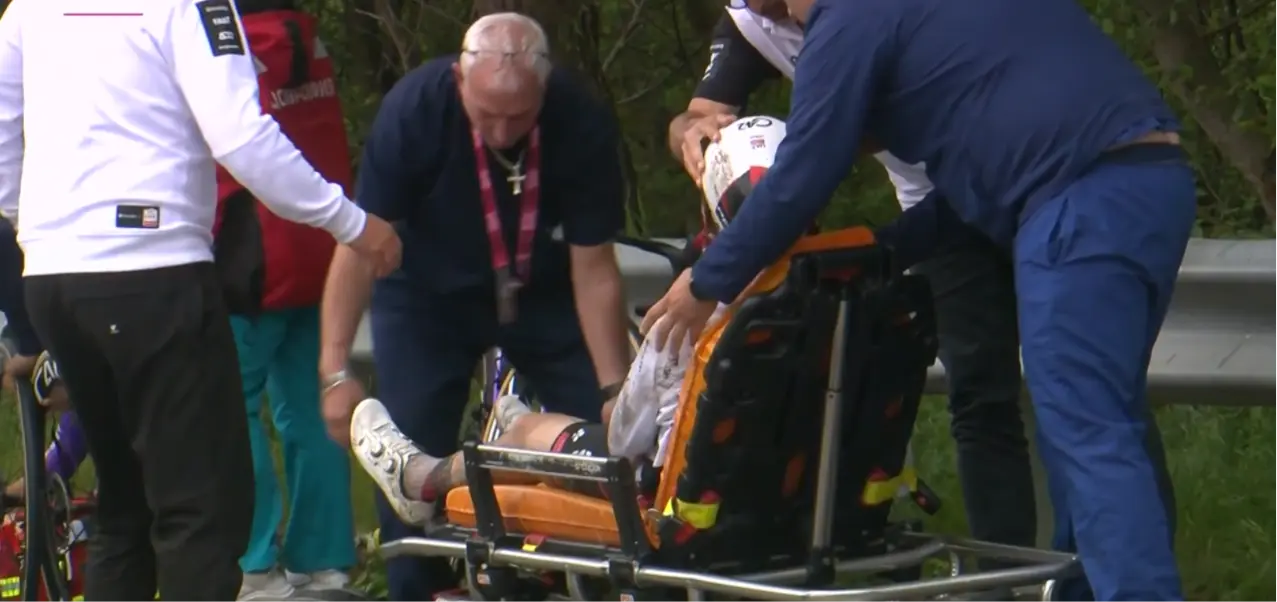
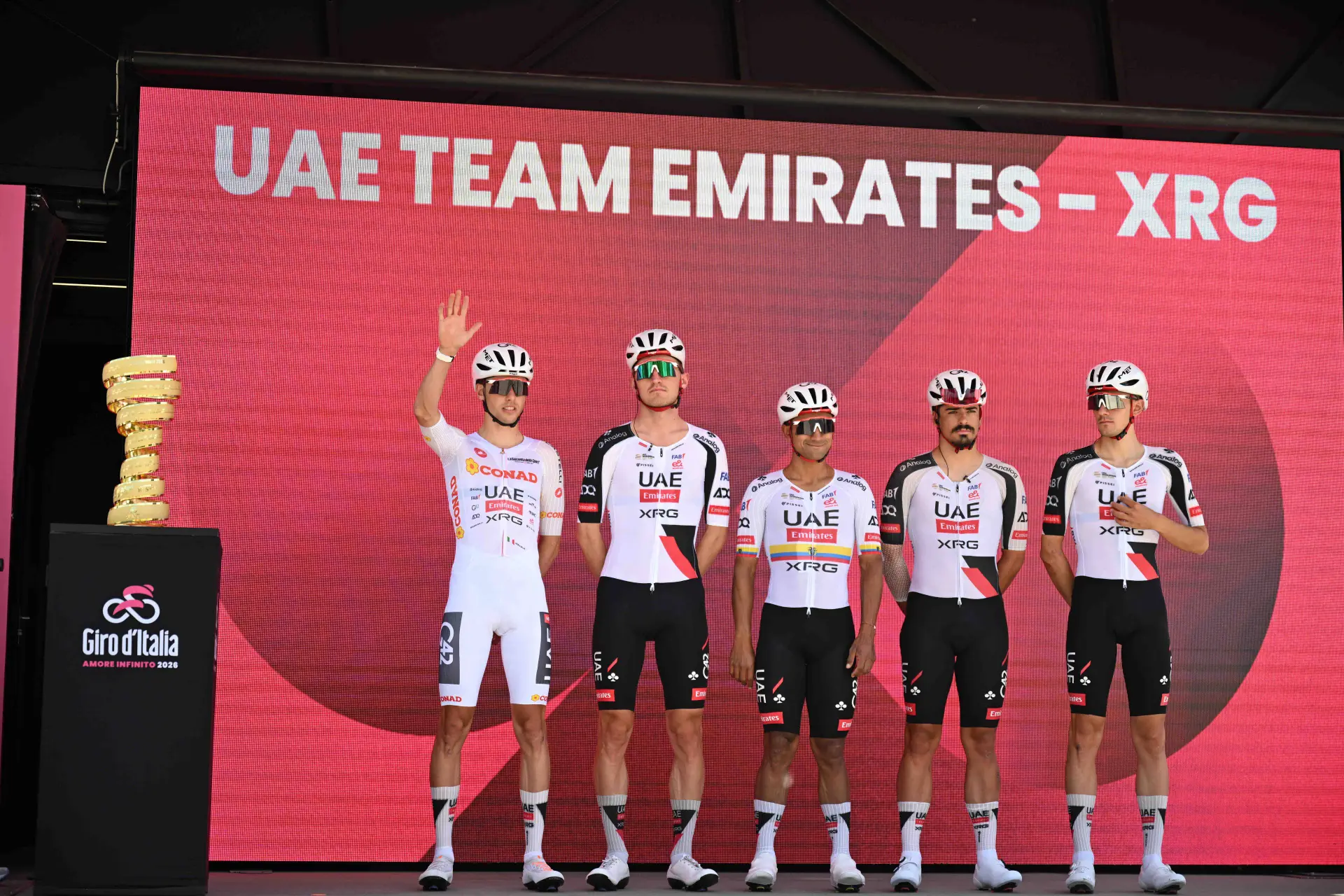
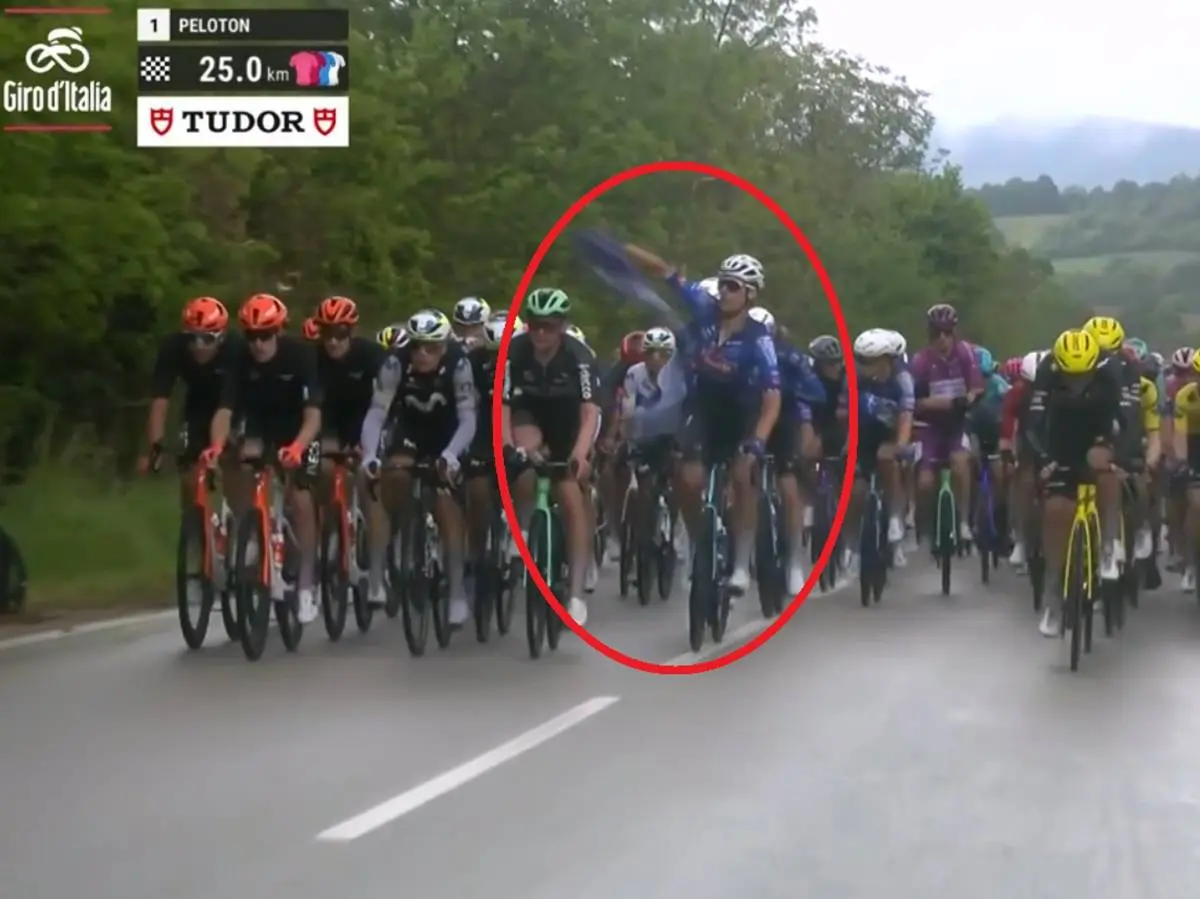
Not everything was positive, however. The commentator expressed concern about the numerous crashes and withdrawals the race has already suffered, especially at UAE Team Emirates - XRG, which lost key riders in Adam Yates, Jay Vine and Marc Soler in a single crash.
Crashes demand change
“We’ve already had quite a negative balance and, above all, a shocking one because of the brutality of the crash,” he lamented.
That situation led Ares to open a debate on possible regulatory changes in modern cycling. He even floated the idea of introducing new formats to enliven flat stages and avoid days that are too tightly controlled by the peloton.
“We need to rethink it,” he insisted, arguing for alternatives that boost the spectacle and provide greater advertising return for sponsors. Among the ideas he raised was the possibility of counting intermediate time gaps towards the general classification beyond the finish line, to encourage attacking during the stage.
“If time bonuses aren’t doing the job, let’s find other incentives,” he reflected.
Peloton keeps its powder dry
Ares also analysed the day’s tactics, shaped by a controlled break of three riders that came close to pulling it off. Spaniard Diego Pablo Sevilla was active again at the head of the race and consolidated his mountains lead after another long escape.
According to the journalist, the peloton rode with a clearly conservative mindset, mindful of the demanding logistical transfer to Italy. “It was a siesta day—we’re travelling tonight,” he summed up.
In the end, another bunch sprint decided the stage, although Magnier surprised with a powerful kick on cobbles to overhaul Milan again and strengthen his bid for the maglia ciclamino.
“Milan’s final acceleration looked like it would practically tear the bike apart, but Magnier’s response shows a rider we’ll be talking about a lot,” Ares noted.
After three stages in Bulgaria, the Giro now takes a rest day before returning to Italy, where the race will progressively move into more selective terrain for the general classification.
Read also
Rúben SilvaEditor-in-Chief
A founding contributor to CyclingUpToDate since its launch in January 2022, Ruben Silva has played a central role in shaping the site’s editorial direction and long-term growth. Before joining the project, he built his experience through independent blogging at Echelons Hub and by producing race previews for Ciclismo Internacional, developing a strong analytical voice rooted in daily engagement with professional cycling.
Beyond editorial work, he has been closely involved in the expansion and coordination of CyclingUpToDate’s wider network, helping establish and support sister platforms across multiple languages. This includes ongoing collaboration with CiclismoAlDia (Spanish), CiclismoAtual (Portuguese), WielrennenUpToDate (Dutch), and RadsportAktuell (German), contributing to a shared editorial vision and consistent international coverage.
He also helps oversee editorial governance across the network, setting standards for accuracy and consistency and coordinating updates or corrections when needed.
Originally from the Porto metropolitan area in Portugal, he holds a bachelor’s degree in Geography. His path into cycling journalism was shaped not through formal media training, but through independent reporting, community engagement, and sustained on-the-ground involvement in the sport.
Over the course of his career, he has conducted approximately 100 interviews across road cycling and cyclocross, ranging from one-to-one conversations and online formats to press conferences and on-site pre- and post-race coverage. His interviews include leading riders, team managers, and prominent figures within cycling media: Tadej Pogacar, Jonas Vingegaard, Mathieu van der Poel, Primoz Roglic, Wout van Aert, Joao Almeida and Tom Pidcock; managers like Patrick Lefevere and Joxean Matxin; and YouTube personality Bryan Kennedy (BKXC)...
Within 18 months of launch, he helped grow CyclingUpToDate’s English-language platform into one of the most-read cycling news websites, built entirely from the ground up. As both a professional journalist and lifelong cycling enthusiast, his focus remains on delivering accurate, timely, and well-contextualized coverage.
claps 0visitors 0
Just in

Popular news
Latest comments
- We also don't know how much Pog was really putting into gaining time. Feels like watching Usain Bolt, where you can only wonder how much faster he'd have gone if he was sprinting 100% to the line, instead of being two feet ahead and starting to pull up with ten yards to go. If any of the other riders really started to close in on Pog, I do think he'd simply have gone even deeper and crushed them. I would really like that kind of race though, none of this "4 minutes lead by the first rest day" trouncing. So if introducing more TT and less summit finish makes the race go more to the wire, I'm all for that. I don't think it'll change the outcome necessarily, but it'll make the whole thing less of a foregone conclusion by week 2.wrsty23-10-2026
- That nearly is 7 mins and you win GTs comfortably by 2 mins. Remco fans - he almost won the TDF, He beat Pogi twice in the mountains this year.abstractengineer23-10-2026
- What would be your preferred Tour design then? Just out of interestwrsty23-10-2026
- I like Remco but even I'll admit he didn't get anywhere close to Pogacar, just like everyone else.megasmacky23-10-2026
- That's what y'all said this year, "remco will come fifth"bruins3022-10-2026
- That used to be the norm, 100 kms of TTs. Now look at the '87 route...acem8222-10-2026
- Well, crashes can happen, so it's not impossible...acem8222-10-2026
- that would be kinda cool. there is a lot of untapped potential. which I'm sure the UCI will overlook. in order to get sock length correct.mij22-10-2026
- Nice! Now Remco can finally show that he cannot win the Tour!!! 😂😂😂PogiSloFans22-10-2026
- Nice! Now Remco can finally show that he cannot win the Tour. 😂PogiSloFans22-10-2026
Loading
Write a comment