53 protesters given financial penalties and bans after clashes with Spanish police during La Vuelta 2025
Cycling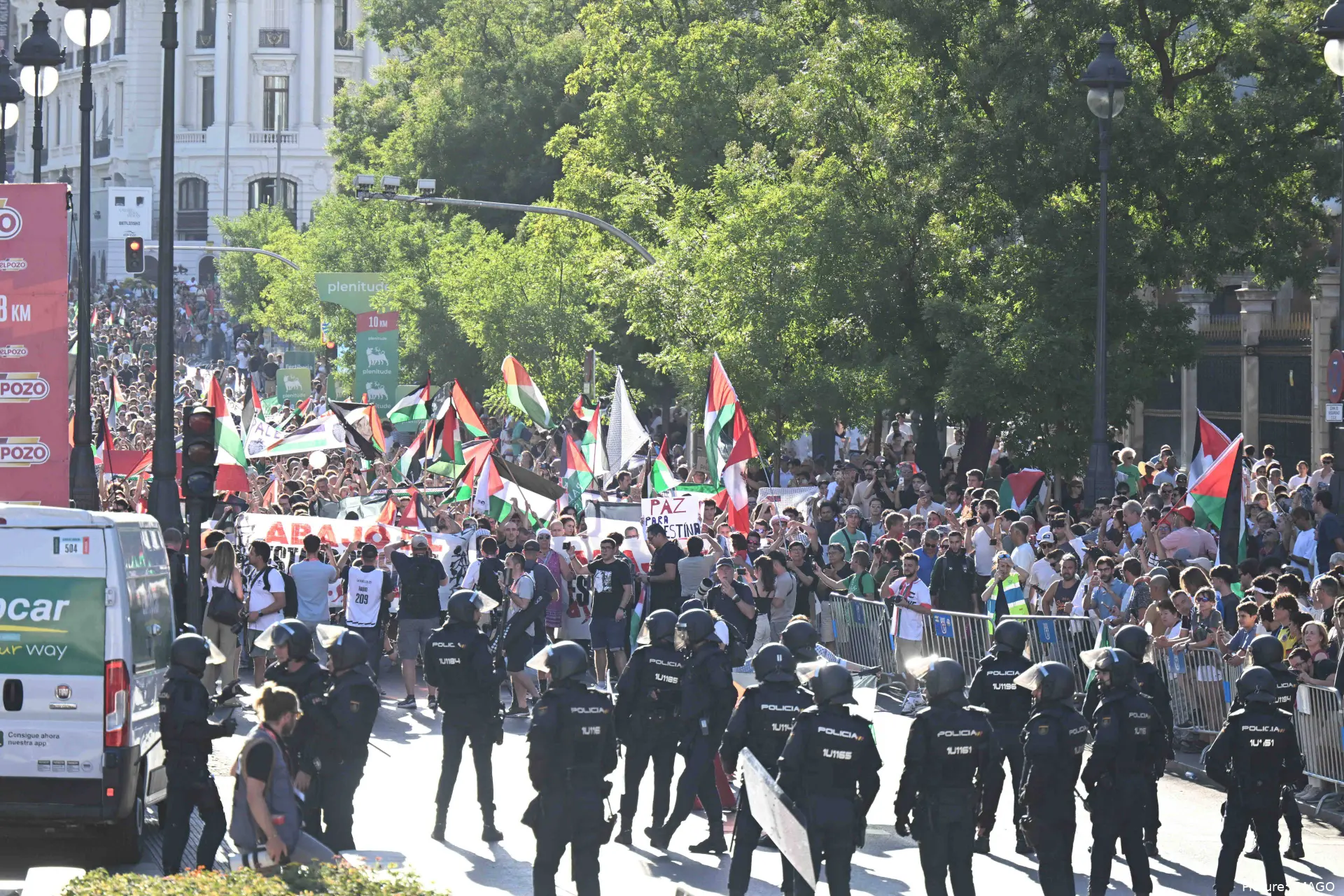
The Spanish Anti-Violence Commission has announced proposed sanctions for 53 protesters involved in a series of high-profile demonstrations during the 2025 Vuelta a Espana earlier this year, escalating the post-race fallout from what became one of the most politically charged editions of a Grand Tour in recent memory.
According to the Ministry of the Interior, the protesters face fines ranging from €1,500 to €5,000 and bans on entering sports venues for between three and twelve months. The measures are in response to incidents across three stages of the race, during which demonstrators invaded the road and clashed with law enforcement officers.
Demonstrations in the Basque Country and northern Spain
The protests were concentrated during the opening and middle weeks of the race. The Ertzaintza handled incidents in the Basque Country, notably during the stage through Bilbao, where 14 protesters were fined and four arrested following direct confrontations with police.
Meanwhile, the Guardia Civil proposed sanctions against 39 individuals in Asturias and Pontevedra, including 12 who were detained for attempting to block the road and chain themselves to crash barriers during the thirteenth stage.
The scenes caused significant disruption at the time, with race organisers forced to neutralise sections of the peloton’s progress and increase security around team buses and key points of the course. Riders and team staff later described the atmosphere as unlike anything experienced at a Grand Tour in recent years.

Protests marred the 2025 Vuelta a Espana
A political storm that reshaped the Vuelta
The 2025 Vuelta became a lightning rod for political activism surrounding the war in Gaza, with demonstrators using the race’s global visibility to target Israel - Premier Tech in particular. Though the team insisted it should not be used as a political symbol, its presence at the race became a focal point for both protesters and media coverage.
IPT’s experience prompted a wider debate inside the sport over how major races should handle politically charged demonstrations. Organisers, the UCI, and teams have since been engaged in quiet but pointed discussions about protocols for future Grand Tours, particularly in volatile political contexts.

Long-term repercussions
In the aftermath, IPT announced plans to drop “Israel” from its team name for 2026 in a move framed as a commercial rebrand but widely seen as an attempt to lower the political temperature. Sylvan Adams also stepped back from the team’s day-to-day operations.
This week’s sanctions mark the first concrete legal outcome from the Vuelta protests, but they are unlikely to be the last. Spanish authorities have indicated that additional cases remain under review.
With Grand Tours now increasingly at the intersection of sport and politics, the cycling world faces a growing challenge: how to protect the integrity of races without ignoring the global events that surround them.

Kieran WoodDeputy Editor-in-Chief
Kieran Wood is a sports journalist based in Wales and has been active in journalism since 2022. He regularly contributes to DartsNews.com and CyclingUpToDate.com, where he covers professional cycling and darts. In cycling, his work includes liveblogs from major races, including the Tour de France, the Giro d’Italia, and La Vuelta a España, alongside race reports and analysis. He has also conducted interviews with professional riders.
His reporting spans the full racing calendar, from one-day classics to stage races, with a focus on accurate, real-time coverage and clear contextual analysis. For statistics, results, and historical context, he regularly uses resources such as ProCyclingStats. To support reporting on rider activity and training context where relevant, he also references Strava.
In his work, Kieran places strong emphasis on careful sourcing, editorial accuracy, and updating articles as new, verified information becomes available.
claps 2visitors 2
Just in

Popular news
Latest comments
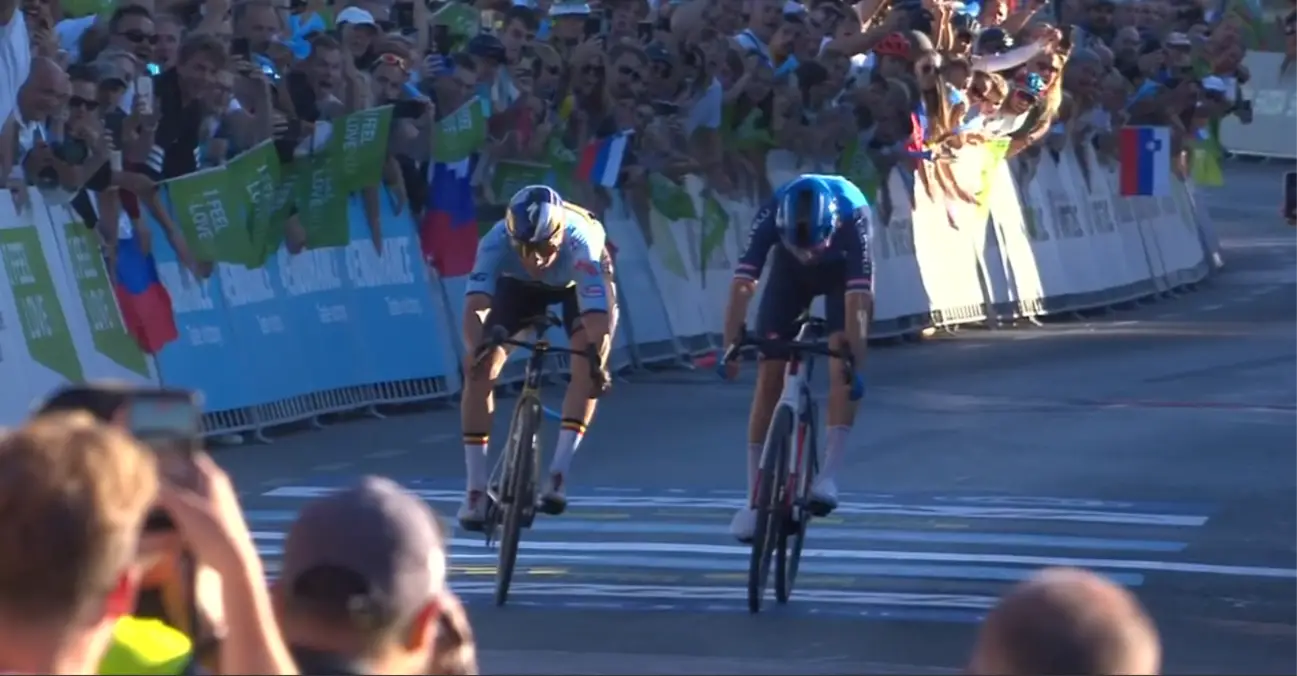
- That was a close finish!awp06-10-2026
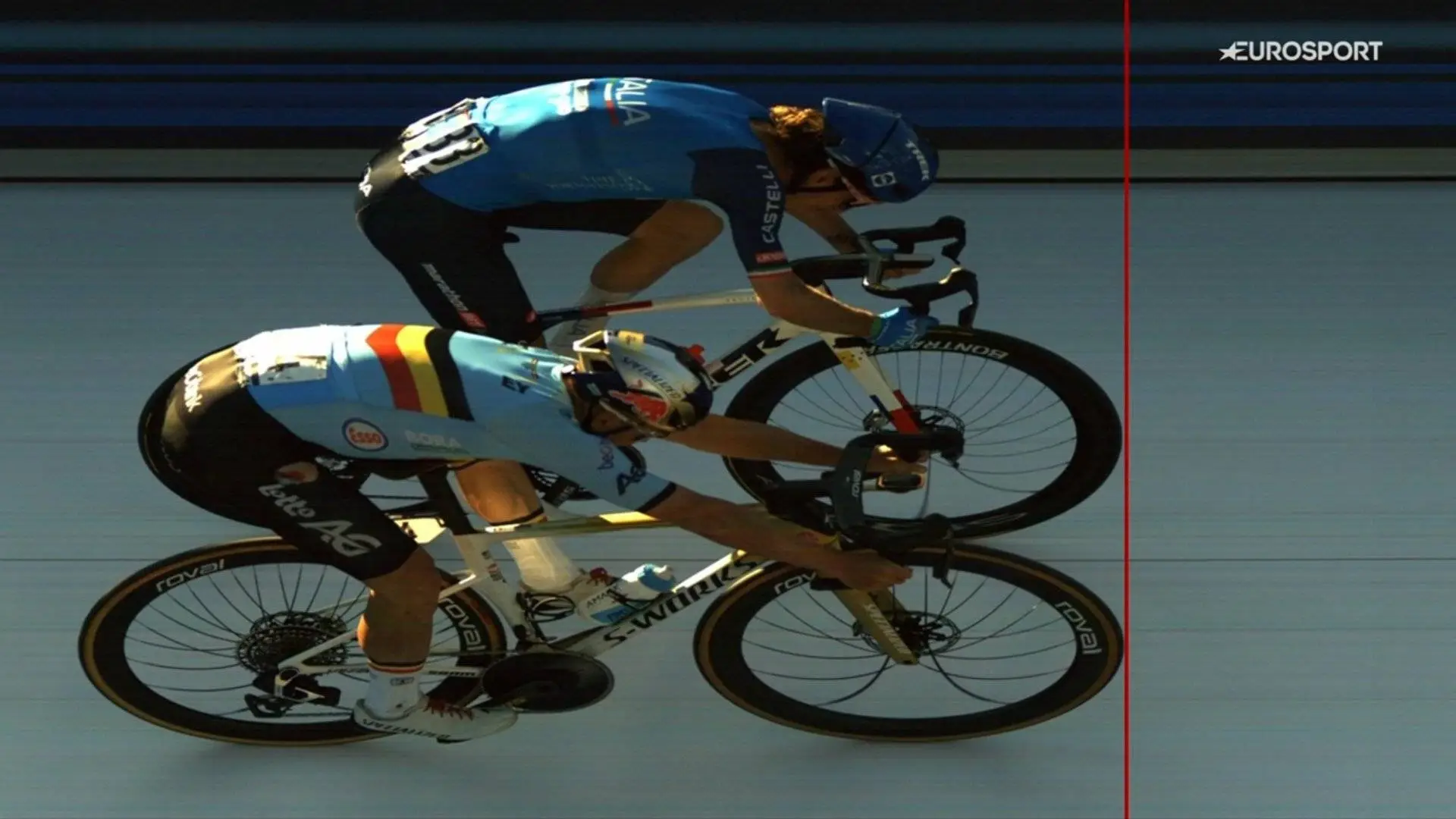
- I’d like to see the actual photo finish with the black (not white) line which they use to determine the winner. Ciccone’s photo sure does make it look questionable, but it doesn’t show the following… Which, from what I understand, it is the ‘9 o’clock’ of the wheel, crossing the black line first, which is used to determine the winner.anonymouscyclist05-10-2026
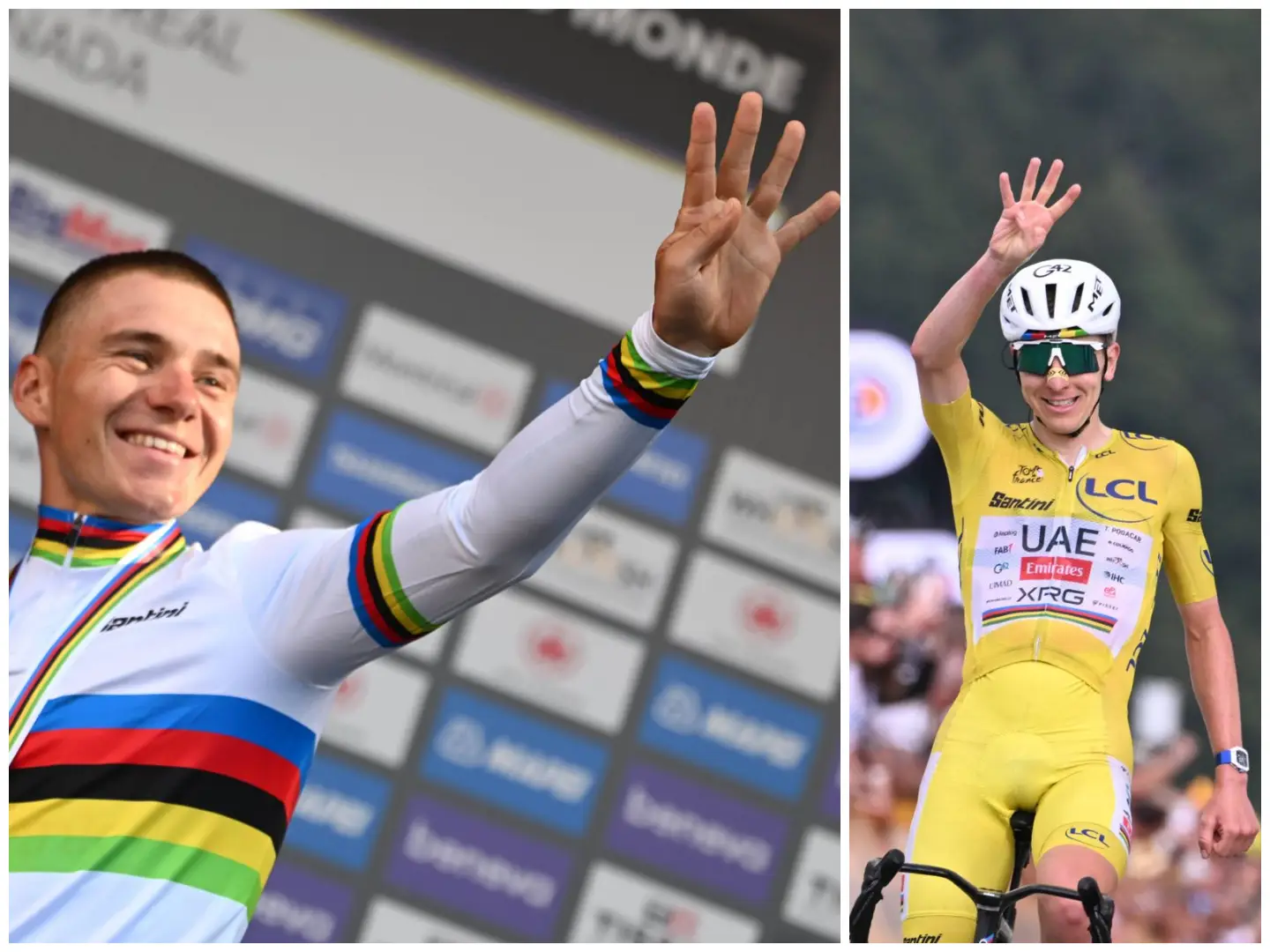
- I think Pogačar is going to have a really hard time becoming Belgian road champion. I mean, nothing seems impossible with the guy, but still. Kidding aside, this is honestly an incredible set of achievements. It's not the usual set of cycling achievements in terms of specific races, but seriously, all the championships he can, in road and TT?! And he's how young? That's really remarkable. Congratulations, Remco Evenepoel!RidesHills05-10-2026
- if you consult the second picture in ciccone's instagram post, which seems to show the actual finish line in top view, it rather looks like a ciccone win! if they do not retract their decision pro remco only, they loose the least bit of credibility they still have. you can argue about how to make racing safer, but you can't argue about a decision that completely lacks proof. they don't even share how far away from the real finish the image was taken. if they would, every 2nd semester physics bsc student would be able to simulate how many cm the delayed bike throw of ciccone would have resulted in. and we are not even talking cm or mm here! shame on the uci (is it uci or a europe specific association?) for their lack of transparancy!Ketterechts05-10-2026
- Interesting you claim Visma isn't a top 3 team anyomore yet their UCI rank is ...#3. Lidl Trek is only #5. Visma has 2 riders in the top 10, Lidl Treks top rider, Pederson is 16th. Their big Grand Tour signing, Ayuso is ranked 38th and has been a bust so far.GB05-10-2026
- Yes, it's fairer that way. A bit like Adam Bradać and Dušan Rajović in Poreć the other day, when they both were declared winners. As I said on the other thread, the uncertainty of the finish line - and the red line may not be on the right part finish line - is much more than that non-existent winning margin. But if they show the finish line here, they have to fo it everywhere and we know the problem there
 Rafionain-Glas05-10-2026
 - I truly appreciate the way that Ciccone in no way takes away from Evenepoel, praises him throughout, and casts no doubt on his fellow rider. That’s character. Also, he has every right to make these demands. I thought yesterday that the photo finish was clearer than it turned out to be, and now I’m amazed that they called it when there is enough doubt. Back in the day they had ties at moments like this. I wouldn’t mind seeing two European champions in the coming year, after a race that good.RidesHills05-10-2026
- From the photo it's literally a millimetre difference. The uncertainty of the finish line is considerably moreRafionain-Glas05-10-2026
- I wasn't trying to be too critical of Remco and said he just wins and is amazing - so compliments thrown in for sure too. just speaking out loud with my other comment on his demonstrations and vocalizations. yeah, don't change for sure Remco! because he is a winner. anyone that says otherwise is sorely mistaken. the first rider to win on all continents. the double olympic gold. monuments. grand tours. the first rider to have a championship at national, euro, world and olympics in TT and road. plus how many one day races, one week races, and more. he just makes me laugh - you KNOW there is always going to be something from Remco either before or after a race. many times both. and as I'm laughing and loving the drama, I have to shake my head and think put all of that into the pedals. his Jonas critique of no balls was not only funny, but IMO true of at least that stage. if Jonas had ridden, they basically would have solidified a top 3 for each of them. then it is just who is on one step. and this years tour was beyond impressive. so many times that guy was dropped, and there he is finishing top 3 for the stage. he does not give up, he is a fighter. cycling would suck without some Remcos thrown into the mix.mij05-10-2026
- All jokes aside, I agree. But being completely honest, I love Remco and the sheer chaos he brings. He totally lights up a race. His complaints over the Vuelta Stage 1 TT lighting? Electric. His anger towards Jonas’ lack of b*lls? Hilarious. Whining about a rider’s lack of support? Pure entertainment. Some of his complaints are totally fair, others are straight-up tantrums, but either way, cycling is so much more fun with him in it. You can't deny the spark he brings. It’s personalities like his that draw us to our sport. Never change, Remco.anonymouscyclist05-10-2026
Loading
Write a comment