Latest comments
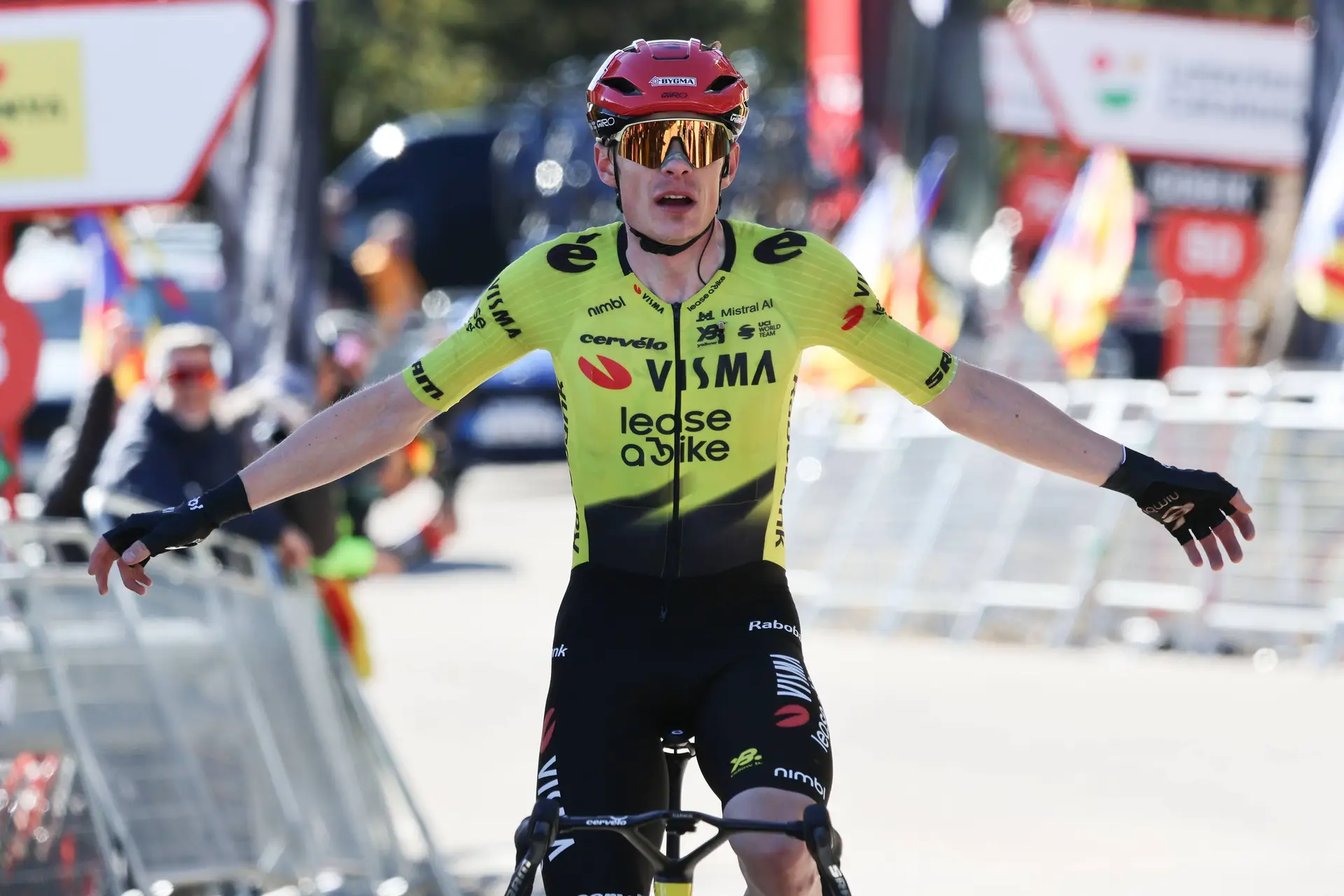
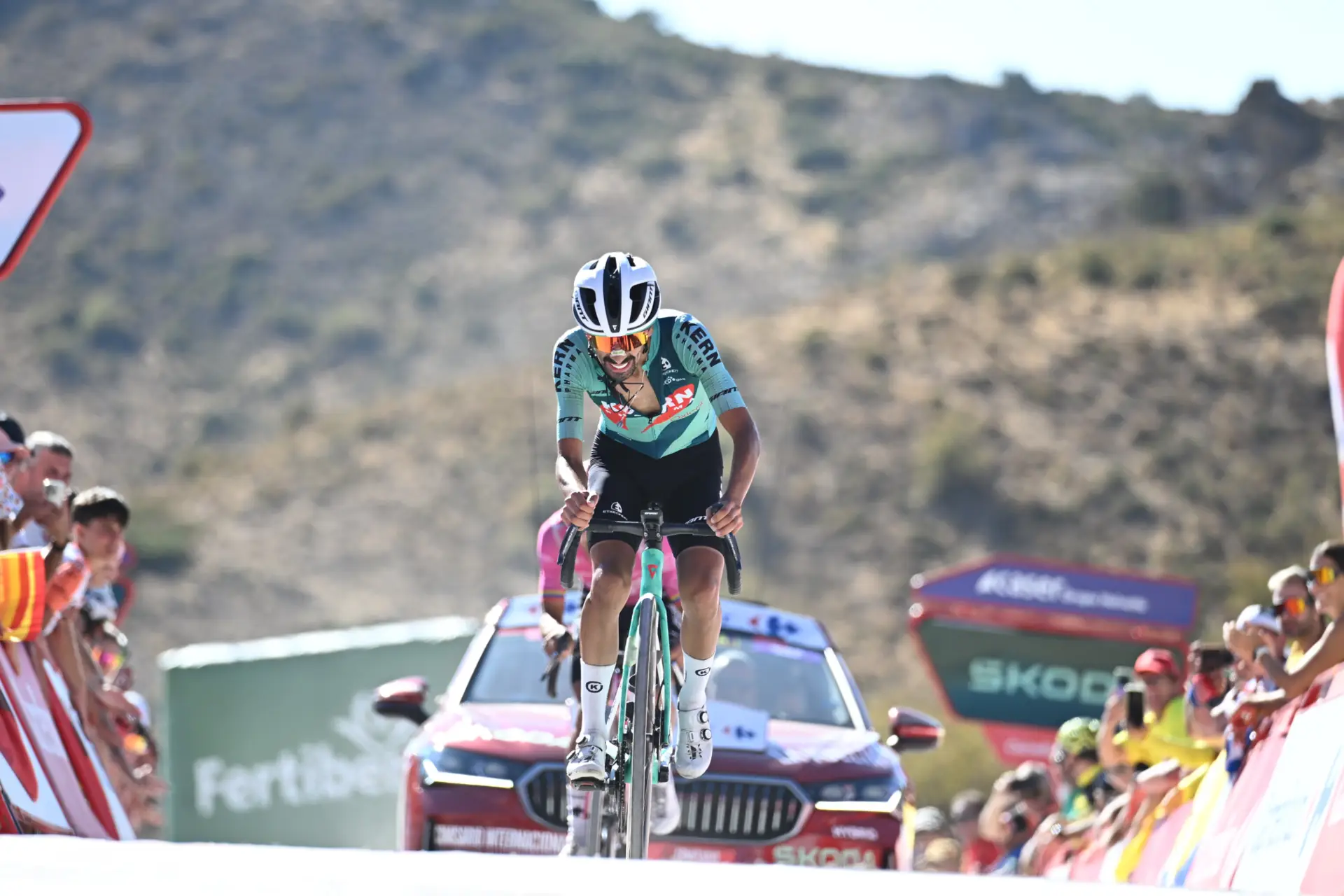
- A great win by Dunbar. I thought he was done when they caught him after his first solo attempt. To climb like that and so visibly break Buitrago’s mental efforts was amazing to watch. Both of them clearly went beyond what their bodies wanted them to do, with Dunbar coming out on top. Fabulous racing in the breakaway group.
- He was almost never one to attack from far away. Back in the day his wins came from sprints near the end of stages, where he could count on getting a time gap and time bonuses. Enough of those and they added up to a solid win. He’s never been one to solo away. Most people don’t. That’s why Pogačar, who can also sprint at the end of a stage like Roglič, is so rare.
- This is why Pogi solo wins are still better. You need ~ 2 minutes to win, you dont attack in the last 2 k, you attack at least 10k to go or the previous mountain with satellite riders. Dont make token attacks just for the sake of showing. Roglic has now lost a Giro, TDF and now a Vuelta because he was too conservative
- there is a certain risk level in cycling that cannot be avoided, but racing reckless and risking other riders' life (health at the least) can certainly be considered mentally ill!
- The most brutal sports are unpaid amateur endurance endeavours you usually pay to participate in, almost nobody will watch, few people know about and no pro is likely to try or win. Once you get used to being paid for something you quickly give up other ways of proving yourself.
- Mental illness is a medical condition that tells us how a person thinks, feels, acts, or relates to others, causing ongoing distress or trouble handling in daily life. It's also happening on this site. Clinical surveys show that there are most mental illnesses in the USA. For example... Trump has clinical significant disturbance in emotion, thought regulation, and behavior. But the saddest thing is, that more than a half of Americans voted for him. So, what does that tell us about Americans? Let's not be too harsh.
PS: Cyclists aren't mentally ill, but many times they do unintentional crazy-stupid things in the heat of competition and high adrenaline.
- What’s your take on boxing?
- It’s no way as simple as supply and demand either. Every sport has its own financial ecosystem with different rewarding mechanisms.
Tennis is a certain mix of quantity and performance, athletics is a different mix of both, in neither do salaries come into play. In cycling and football, salary is determinant with the difference that athletes have enormous resale value in one and almost never any in the other.
Tadej had nowhere near the demand, popularity, attractiveness or other marketable values of Bolt and yet he earns way more despite being known and followed by probably less than 10% of Bolts’ audience numbers ( who also paid to see him).
Many of Bolt’s appearances were free, his revenues related to appearances rarely topped $1m/y, most revenues came from endorsements.
For a sport nobody pays for, I think cyclists do very well these days. They’re lucky there’s still a lot of easy money floating around (in certain circles). Josh Kerr (don’t worry if you’ve never heard of him, not worth digging) recently started advocating for allowing betting in athletics, obviously desperate, just when football is having its conscience crisis about banning advertisement and sponsorship by non recognised betting companies.
- He only did what Pog did to him. Thomas got his the easy way, Prim lost his the hard way. Mas had plenty of chances to get his, he probably finally will but if he doesn’t it’s unlikely to be through Prim as there are no more TTs, if Mas loses now, it most likely will be due to his own management and why should Prim take that into consideration?
- If you ride a bike and consider the behaviour of some in cars you can quite easily stretch your imagination a bit to see some part of their brain isn’t functioning properly.
In fact, you also notice it quite often in amateur racing.
It may be attitude towards risk and respect have changed over the generations so different generations may have problems agreeing what is normal today.
Taking huge risks when it concerns only your life is poor judgement when it goes wrong, doing it when it affects others signals something went permanently wrong with judgement along the way, it’s less poor judgement than a complete inability or disregard for judgement or understanding of consequences.
Shall we take Groenewegen as a case study?
Loading