In our series of 2025 reviews so far, it feels as if many
have been negative. Unfortunately, today won’t be the day that that changes. The
2025 season was a turbulent one for Cofidis. As a French UCI WorldTour squad
with decades of history, the team entered the year hoping to solidify top-tier
status, only to find itself drawn into a late relegation fight. There were
sparks of hope early on in January and February, a handful of
confidence-boosting wins, and the odd headline that hinted at brighter days.
But as the year wore on, the gap between ambition and output widened, and the
final reckoning left Cofidis with hard questions and a ProTeam license for
2026.
Cofidis is a pillar of French cycling, 2025 marked its 29th
season overall and sixth straight at the WorldTour level. The team has long
mixed experience and ambition, developing homegrown riders while fighting above
its weight. This year’s roster included Bryan Coquard, Jesús Herrada, and Alex
Aranburu, with veterans Ion Izagirre and Dylan Teuns providing leadership. Manager
Cédric Vasseur, who has since exited the squad, assembled a squad built around
sprinters and stage hunters. The blueprint was clear: Coquard’s finishing
speed, Herrada’s hilly punch, and Aranburu’s versatility would drive results. The
aim? Survive.
By season’s end, that plan had unraveled. Cofidis recorded
nine wins, a modest return by WorldTour standards and mostly in smaller races.
None came in cycling’s biggest events. The team ended the year 20th,
second last among WorldTour teams, and a few hundred points short of safety.
After a respectable 2023, the team’s trajectory has since tilted downward,
culminating in relegation for the next license cycle. The numbers made it
plain: fewer wins, fewer points, fewer reasons for optimism.
Spring Campaign
Ironically, the year began as if Cofidis were ready to
surprise everyone. In January, Coquard sprinted to a victory on Stage 4 of the
Tour Down Under, ending a long WorldTour drought and lifting morale
immediately. February brought more: Valentin Ferron won GP La Marseillaise,
Milan Fretin took the Clásica de Almería, then doubled up with a stage win at
the Volta ao Algarve. By mid-February, four wins were on the board, a strong
return that hinted at a renaissance. In April, Fretin added another success at
the Ronde van Limburg, further validating the team’s early form.
But when the marquee Classics rolled around, Cofidis
struggled to keep pace. In the Monuments, and there were no top-tens in any
Monument, no podiums in WorldTour one-days, and Coquard’s sprinting speed
failed to translate into a serious Classics result. The team lacked a true
leader for these races, and despite solid participation, they were rarely visible
in finales.
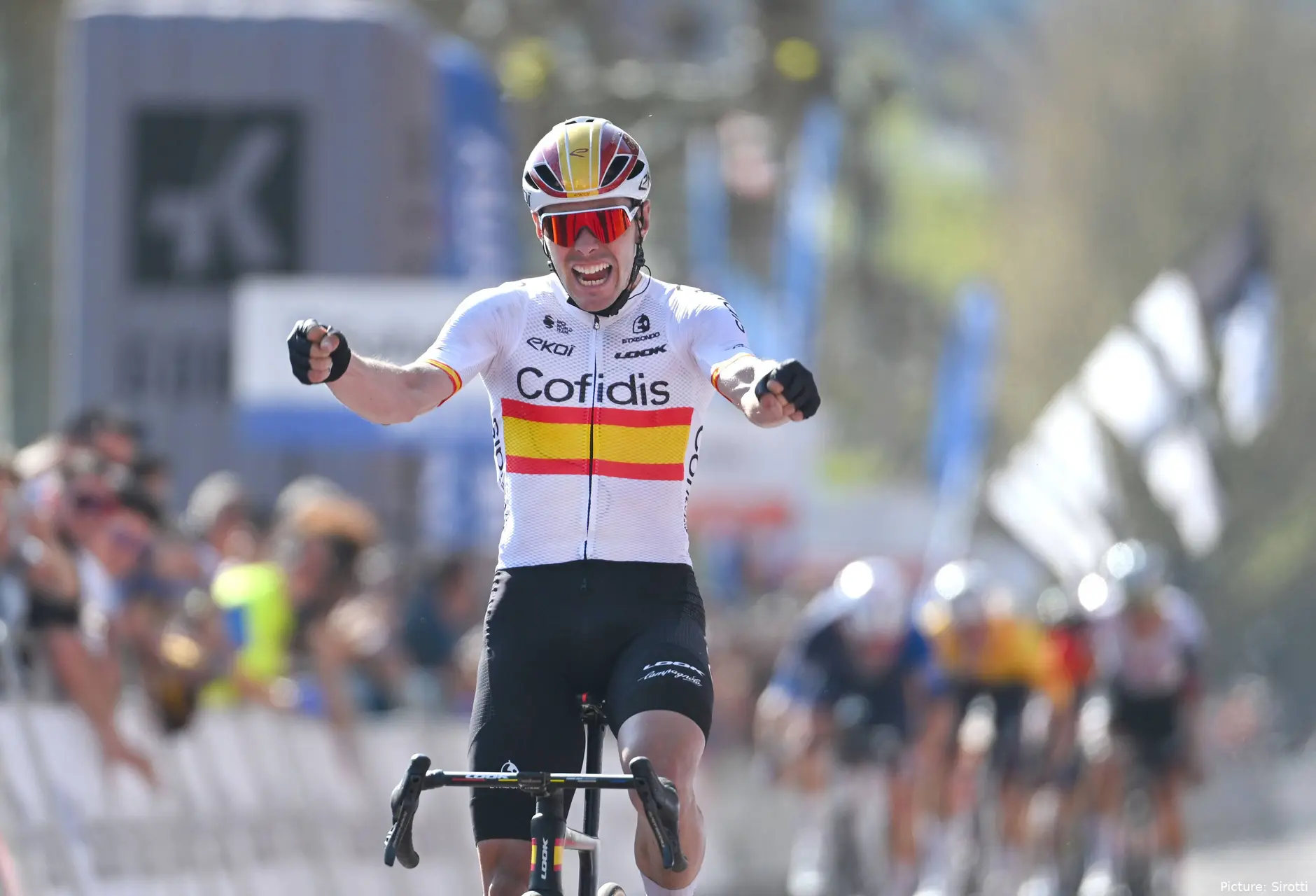
Still, there were flashes of class. Aranburu’s victory on
Stage 3 of Itzulia Basque Country was one of the team’s finest wins of the
year. Initially relegated for a supposed route infringement, he was reinstated
after review confirmed his line was legal. That moment proved Cofidis could
still punch above their weight. Yet aside from that and February’s hot streak,
their spring campaign fell flat. Against deeper squads, Cofidis looked
underpowered and overworked, a team with effort but not execution.

Alex Aranburu was one of the standout riders for Cofidis during the spring, but little more. @Sirotti
Grand Tour season
The Grand Tours exposed the full scale of Cofidis’s decline.
Across the Giro, Tour, and Vuelta, they failed to win a stage or place a rider
in the top 20 overall. Their combined points haul from all three races was less
than some rivals earned in a single Tour.
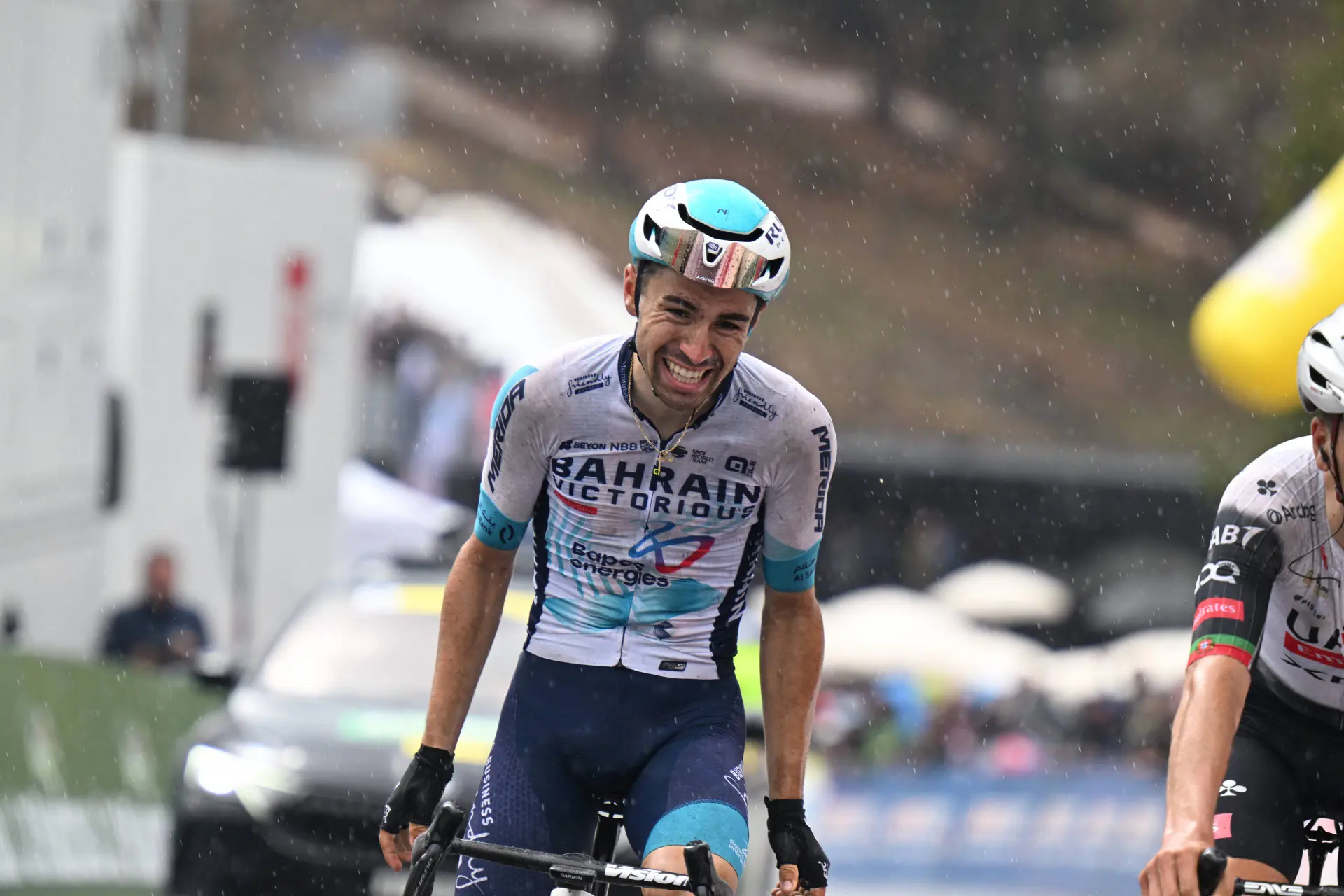
At the Giro d’Italia, without a GC captain, the team focused
on opportunistic racing. The Giro brought little. Sergio Samitier’s 52nd overall
was the team’s top GC result, and most stage efforts ended short of contention.
The Tour de France, though, offered no such consolation.
Coming off their stage wins in 2022 and 2023, Cofidis entered confident but
left empty-handed. Emanuel Buchmann was tasked with leading the GC effort; his
30th-place finish summed up the campaign, consistent, but never close. Coquard
battled among the sprinters, managing a seventh place on one flat stage, which
would stand as their best Tour result. Team insiders called the Tour “dramatic,”
not for fireworks, but for the lack of them. A total of around 150 UCI points
from the race underscored the drought, and they were largely invisible.

The Vuelta a España completed the trilogy of disappointment.
Herrada, a past stage winner, entered with hopes of redeeming the season, but
lingering injuries kept him below his usual level. Coquard opened with a
seventh on Stage 1 and never factored again. Samitier finished 31st overall,
and no Cofidis rider reached a stage top-five. The team’s entire Vuelta haul
was just 112 UCI points, and for the first time in years, they left Spain
without a win or serious headline.
Cofidis’s issues in the three-week races were structural.
Losing Guillaume Martin meant losing a reliable GC engine, and the replacements
couldn’t fill that void. Coquard’s speed wasn’t enough to outgun the elite
sprinters, and their breakaway artists lacked the finishing touch. Injuries further
eroded depth. In the end, the Grand Tours exposed everything that went wrong in
2025: no leadership clarity, no decisive punch, and no luck when it mattered.
Invisible is once again the best way to describe this sorry
display for Cofidis in the grand tours.
Transfers (2025–2026)
After such a bruising year, Cofidis opted for a major
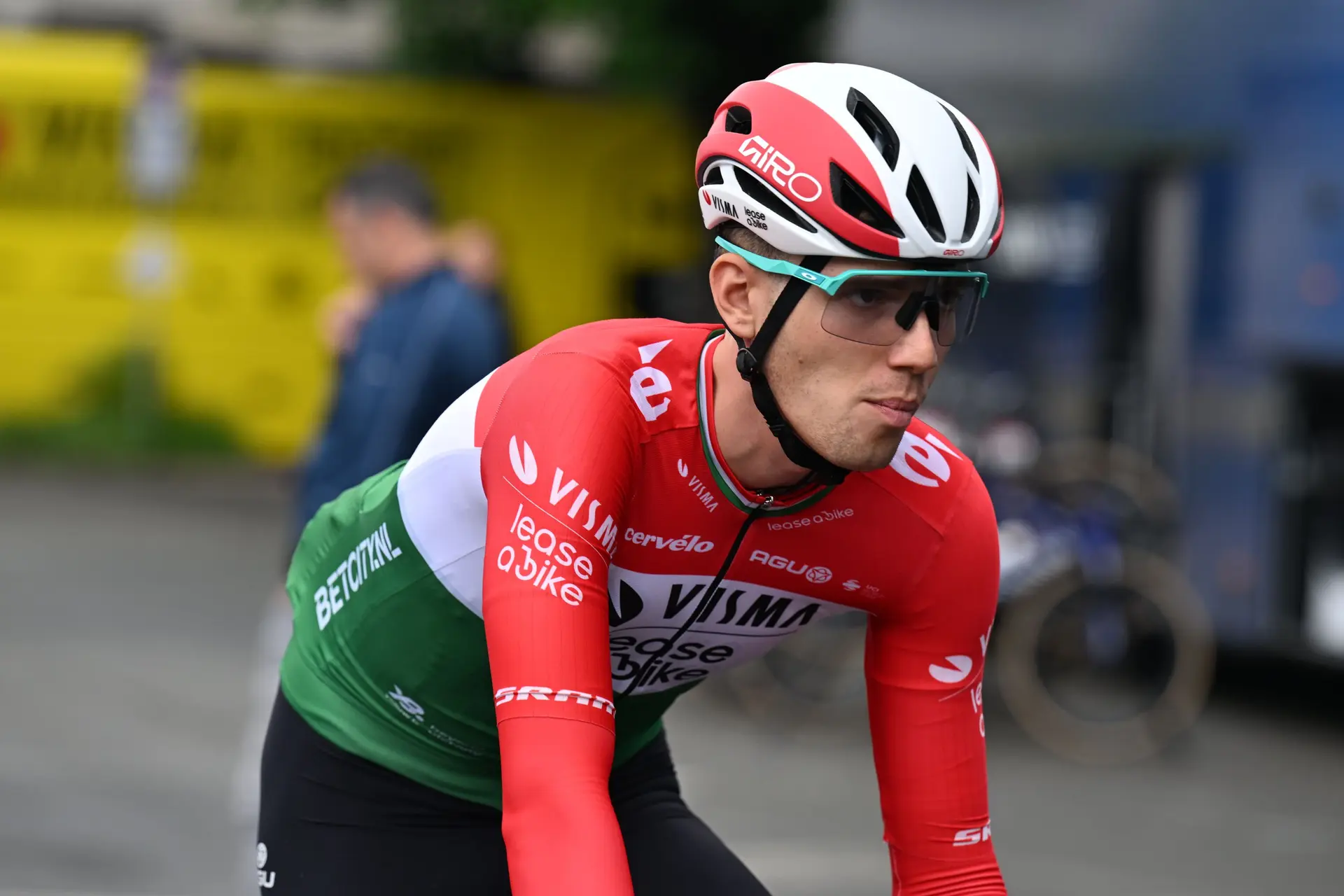
reshuffle heading into 2026. Key signings include Alex Kirsch from Lidl–Trek,
whose strength as a rouleur and lead-out man should help both the sprint and
classics units. From the dissolved Arkéa team come Jenthe Biermans, a versatile
Belgian, and French climber Camille Charret, joined by U23 prospect Louis
Rouland. The marquee new face is Italian U23 champion Edoardo Zamperini, a
22-year-old puncheur signed as a cornerstone of what the team calls a “new
era.”
Departures were just as significant. Jesús Herrada, a
stalwart and three-time Vuelta stage winner, leaves after seven seasons.
Anthony Perez, long a breakaway regular, is also out. Stefano Oldani departs
after a quiet year, while Aimé De Gendt joins Q36.5 and Jonathan Lastra moves
to Euskaltel-Euskadi.
The management structure also changed. With the relegation
confirmed, Cofidis parted ways with Cédric Vasseur, signaling a broader reset. As
a ProTeam, Cofidis will still receive automatic wildcards to major races in
2026, ensuring continued exposure at cycling’s highest level.

Jesús Herrada is leaving Cofidis at the end of this season. @Imago
Final Verdict: 4/10
There’s no sugarcoating it, 2025 was rough. The team began
brightly, banked early wins, but the
season’s second half was defined by missed chances and mounting pressure. Grand
Tours yielded zero victories and no GC relevance, and by autumn the points
deficit had become irreversible.
A fair score for the year is 4 out of 10: credit for early
successes and isolated highlights, but marked down for Grand Tour anonymity and
an overall lack of punch. The mission for 2026 is straightforward. Reinforce
the team’s structure, protect key riders deeper into races, and develop the new
generation quickly. With automatic wildcards guaranteeing big-race access,
Cofidis has the platform to rebound. Whether they can turn that into results
depends on how fast the new signings settle and whether veterans like Coquard
and Aranburu can anchor the next chapter.
Discussion
Fin Major (CyclingUpToDate)
Looking back, I can’t help but feel Cofidis’ 2025 season was
a harsh but necessary wake-up call. They started fast, looked sharp, and then
watched it all unravel once the real tests arrived. The early wins and
Moniquet’s Giro jersey reminded me there’s still fight in this team, but the
Grand Tours exposed how far behind we’d fallen. Losing WorldTour status will
really damage them, there’s no way around that. But, if Cofidis learns from
this year, 2025’s struggles might just be the foundation for something better.
Rúben Silva (CyclingUpToDate)
I am not going to go in on Cofidis, because it is a French team, one that I assume keeps the same budget year after year in a peloton that on average increases every year. In a way a team stuck in time, but no longer able to compete at this level, it simply doesn't fit in the World Tour anymore and the relegation is logical. As pointed out, its 2023 season was quite decent and Victor Lafay was an absolute eye-catching breakthrough. 2025, I have one memory of Cofidis riding great and winning which was Aranburu's victory at Itzulia. Nothing else, nada, the team was by far the most absent from the action this year, not only lacking the results but also any big name that would capture attention.
If the context were to be ignored, you would have plenty to criticize. The team signed 13 riders, almost half of the entire team, and Aranburu is the only one who delivered. Emanuel Buchmann is no longer the same, Dylan Teuns was nowhere to be seen, and everyone else are riders who can perform in a more modest calendar, not in the same one as UAE and Visma. The money was invested in the wrong riders, and its lack of competitivness in the market seems apparent.
Grand Tours, nothing to point out at all, none of the team's climbers performed; in the sprinter field both Milan Fretin and Bryan Coquard had good starts to the season but after February they had 1 win in total; and there simply weren't memorable moments. Little exposure, little results, the lack of UCI points was so severe that even with Arkéa disbanding and Intermarché disappearing from the scene (meaning two extra spots in the World Tour) the team didn't make it. It was overtaken by Uno-X Mobility in the end, which until this year there probably wasn't almost any focus or chances it would succeed. The team will go back to ProTeam level where it belongs (this isn't criticism) and perhaps 2026 will be a better year. A Tour de France wildcard is virtually assured, and financial necessities perhaps smaller due to the lower division, so there won't be too many issues with that.

Fin MajorCycling Journalist
Fin Major is a UK-based writer at CyclingUpToDate and has been part of the team since 2024. He is the site’s main writer for FAQs and evergreen explainers and has written around 2,000 pieces for the platform. Alongside this work, he focuses on in-depth analysis and covers the biggest races on the calendar, including the Tour de France, the Giro d’Italia, and La Vuelta a España, providing clear context around performance trends, tactics, and key storylines.
In his reporting, Fin uses reputable data sources such as ProCyclingStats for results, statistics, and historical context. He places strong emphasis on careful sourcing, editorial accuracy, and updating articles promptly when new, verified information becomes available. Outside of writing, Fin is an active cyclist, which supports his practical understanding of the sport and its demands.
claps 1visitors 1
Just in

Popular news
Latest comments
- Nothing. Against Pogi nothingabstractengineer18-10-2026
- He didn't even try to sprint all outvappaxbipmv18-10-2026
- Campenaerts looked like a rolling pumpkin with that all orange leaders skinsuit !frieders318-10-2026
- He can take his dumb a$$ politics somehwere else !frieders318-10-2026
- good to have her back. fingers crossed she‘ll be able to stay!Ketterechts17-10-2026
- A tenner and he wins the Tour next year, too 😂anonymouscyclist17-10-2026
- the answer is either stick to classics or GTs but not bothabstractengineer17-10-2026
- the exodus already stared with Ciccone. Already they were struggling with two sprinters, now there are three. Also Ganna will demand leadership. Gall is the most proven GC, Ayuso has the most potential. GC leadership for everybody will be impossible. Literally a UAE style mess without pogi.abstractengineer17-10-2026
- I raced as an amateur for 12 years, including six years on my country’s national road cycling team. I secured two national titles and competed in three World Championships plus more than 15 international stage races. At 23, we travelled to Italy for a training camp—or so I assumed. On a rest day, we watched a presentation about adopting a more “professional” training approach. It was crystal clear what “professional” meant. That moment first exposed me to this dilemma. After returning from Italy, I left cycling—at least at the competitive level I had known. Over the following two years, the whole team was caught doping. I hold that everyone is innocent until proven guilty. In my view, current stakeholders operate on a different scale, and the sums involved are vast. I am unsure whether any doping would ever be revealed. I try to stay positive and enjoy the show. My 2c.
 vannpelt17-10-2026
 - Fiver he wins 🤣
 leedorney17-10-2026
Loading
Write a comment