"With all due respect to Vingegaard, it’s the first Giro he’s ever done" - Giro d'Italia veteran warns Dane over the race's many traps
Cycling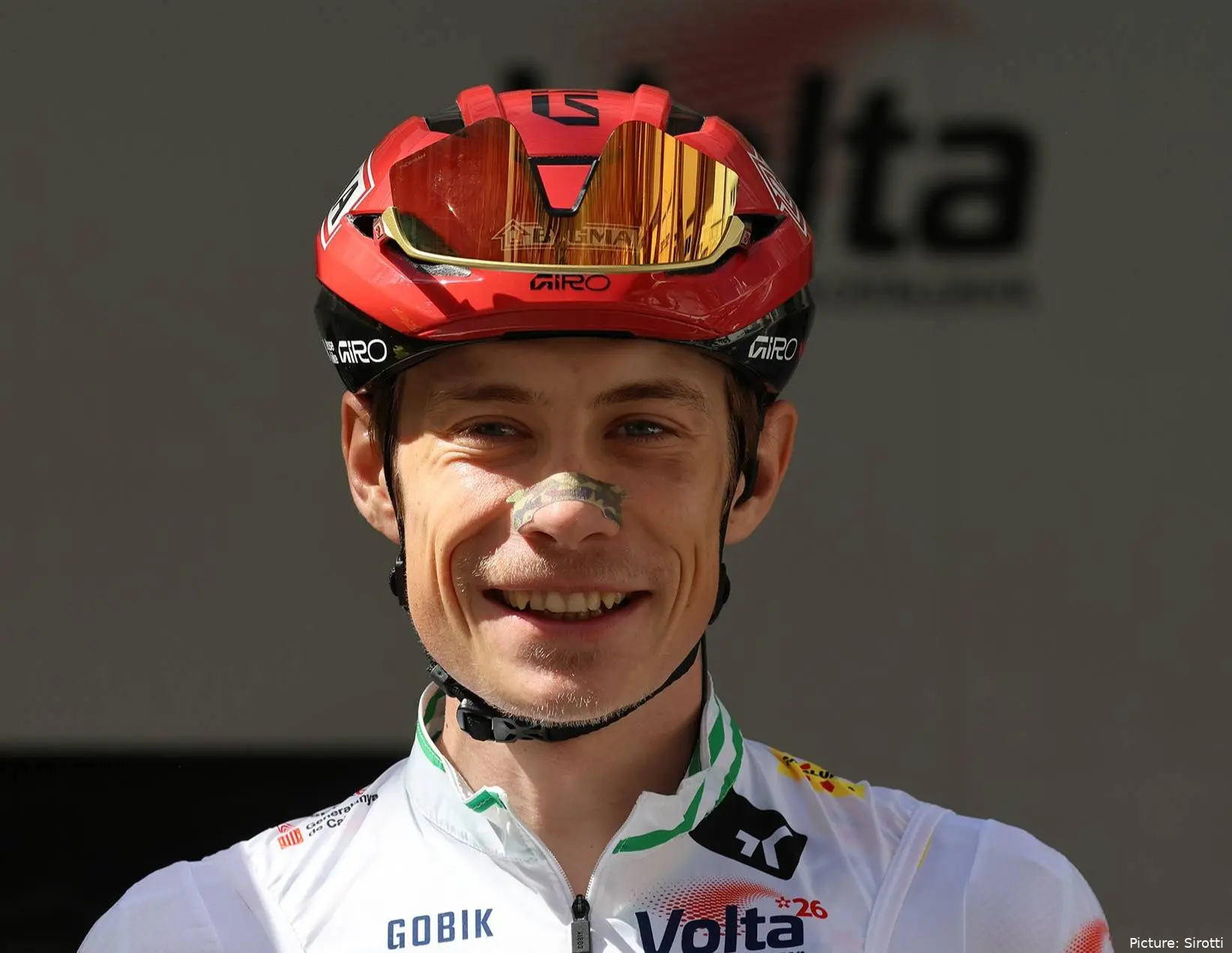
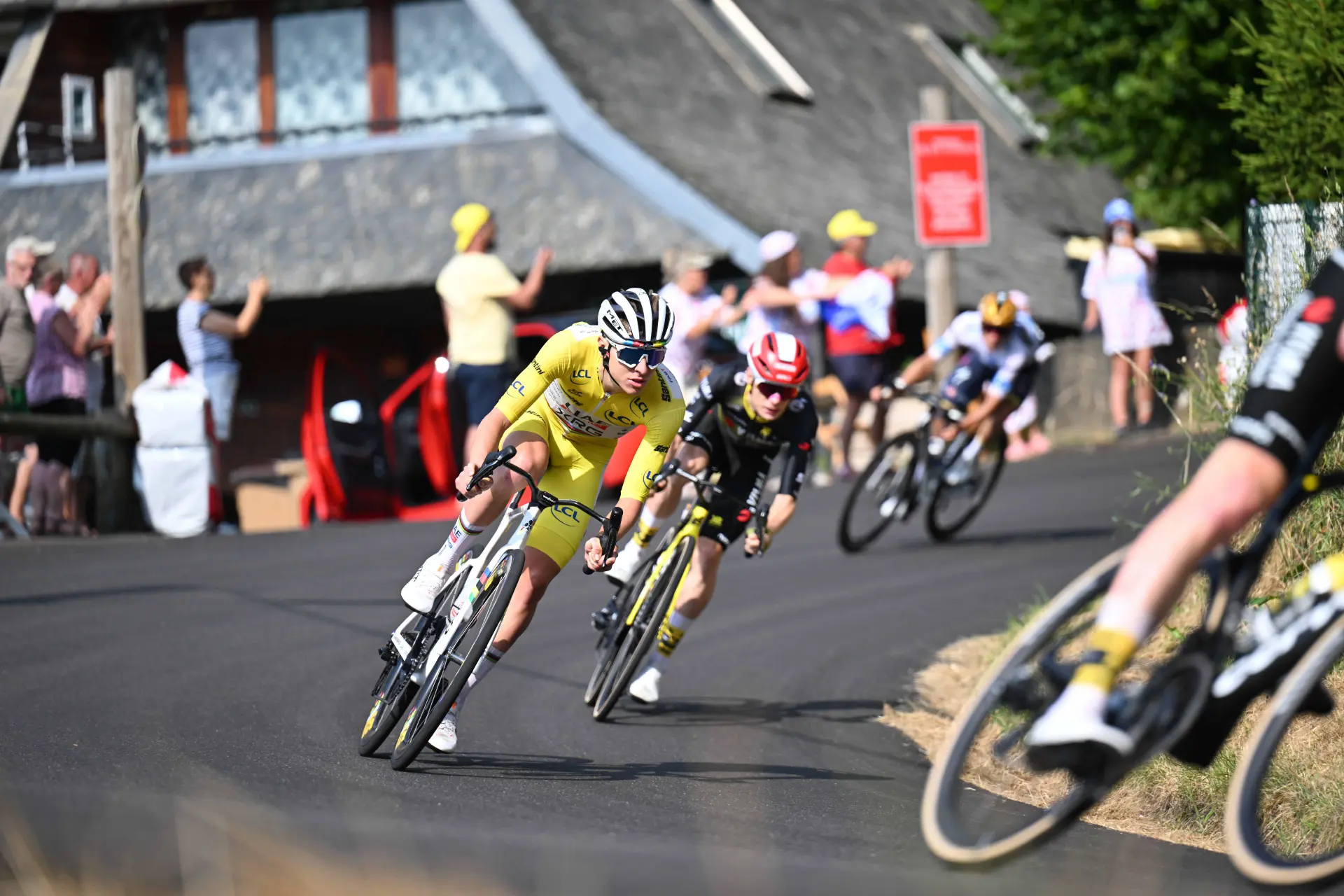
The Giro d'Italia starts next week in Bulgaria and whilst the riders will not spend the entire race in Italy, it won't remove the dangers it presents. The first Grand Tour of the season has plenty pitfalls in it and whilst Jonas Vingegaard will be the undisputed man to beat, there is much more to it than just climbing performances.
“The Giro is a gruelling, hard race, but everyone sends the best of the best to the Tour. So even if a team has one of the best riders, they might still keep some of the best support riders in reserves for the Tour, so that leaves it a bit more open for breakaways," former American pro Tejay van Garderen said in words to Domestique.
In Visma's case this will be happening, with the likes of Sepp Kuss, Victor Campenaerts joining him in the Corsa Rosa, but otherwise a lineup that doesn't have several of the riders who have supported the Dane the best over the past few years - including Wout Van Aert and Matteo Jorgenson. Hence, the different priorities that teams give to the Giro and their lineup selection brings in further elements of unknown into the race.
“We always joke around that the Giro is a gift shop for the break, apart from when Tadej Pogacar was there with UAE and they steamrolled every breakaway and he won 10 stages or whatever (correction: six stages, ed.). But typically, in the Giro, teams have to be more conservative, because they don’t have the same depth. You see a lot more riders going up the road and having their chance at a stage victory, as opposed to the Tour where everything is so locked down.”
Vingegaard needs to perform everywhere, like Pogacar
The route is made out of several high mountain stages and a 40-kilometer long time trial where the biggest gaps can be expected, however it is also a race with several hilly days - whilst even the mountainous stages have different formats. However aside from the race's difficulty and variety of stages, it is the weather that often spells disaster for others.
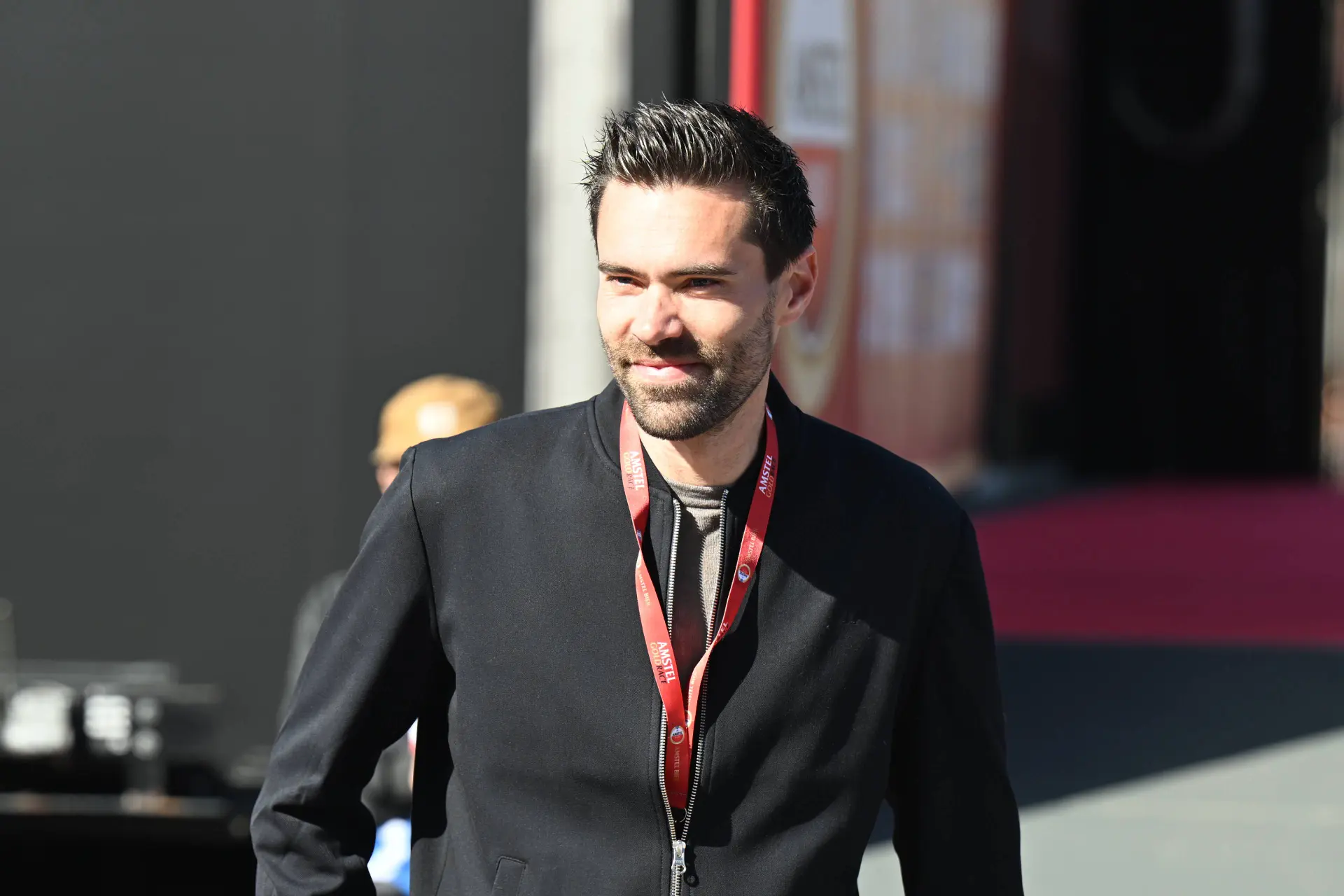
“Vingegaard is certainly the favourite, he’s the star name of the Giro. But whether he’s going to win it or not, well, we’ll see after the first two weeks," former winner Gilberto Simoni added. “In Italy in the month of May, your first opponent is the weather. Then there are some very specific kinds of climbs and descents and routes and landscapes. Italy isn’t the same from north to south, the roads change, the difficulties change, and above all, the weather changes. In May, the weather is a real rival.”
In 2025, both main favourites to the Giro Primoz Roglic and Juan Ayuso crashed on stage 9 which features plenty gravel sectors. On week 2, the rainy stage into Nova Gorica saw plenty crashes leading to withdrawals of GC contenders and massive splits. Outside of the 'decisive terrain', the race was decided for many.
Aside from last year's features, the Giro has often had stages in the past cut or cancelled due to the snowfall or heavy rain. In May, specially in northern Italy in the Alps, the weather is unstable and much colder than what the riders face in the other two Grand Tours. This makes clothing choices extra important and feeding much more difficult; adding more variables to an already complex equation of managing a Grand Tour. This weather also leads to more tension and fights for positioning, which as a result increase the risk of crashes.
Whilst Vingegaard can be termed the best climber in the race heading into it, he needs to perform throughout the whole three weeks. “They’re two different riders. Pogacar is a much more proactive rider, whereas Vingegaard is a rider who is very good on certain types of courses, but not on all of them. And in Italy, you need to be good everywhere," Simoni warns.
Experience is key at the Giro d'Italia
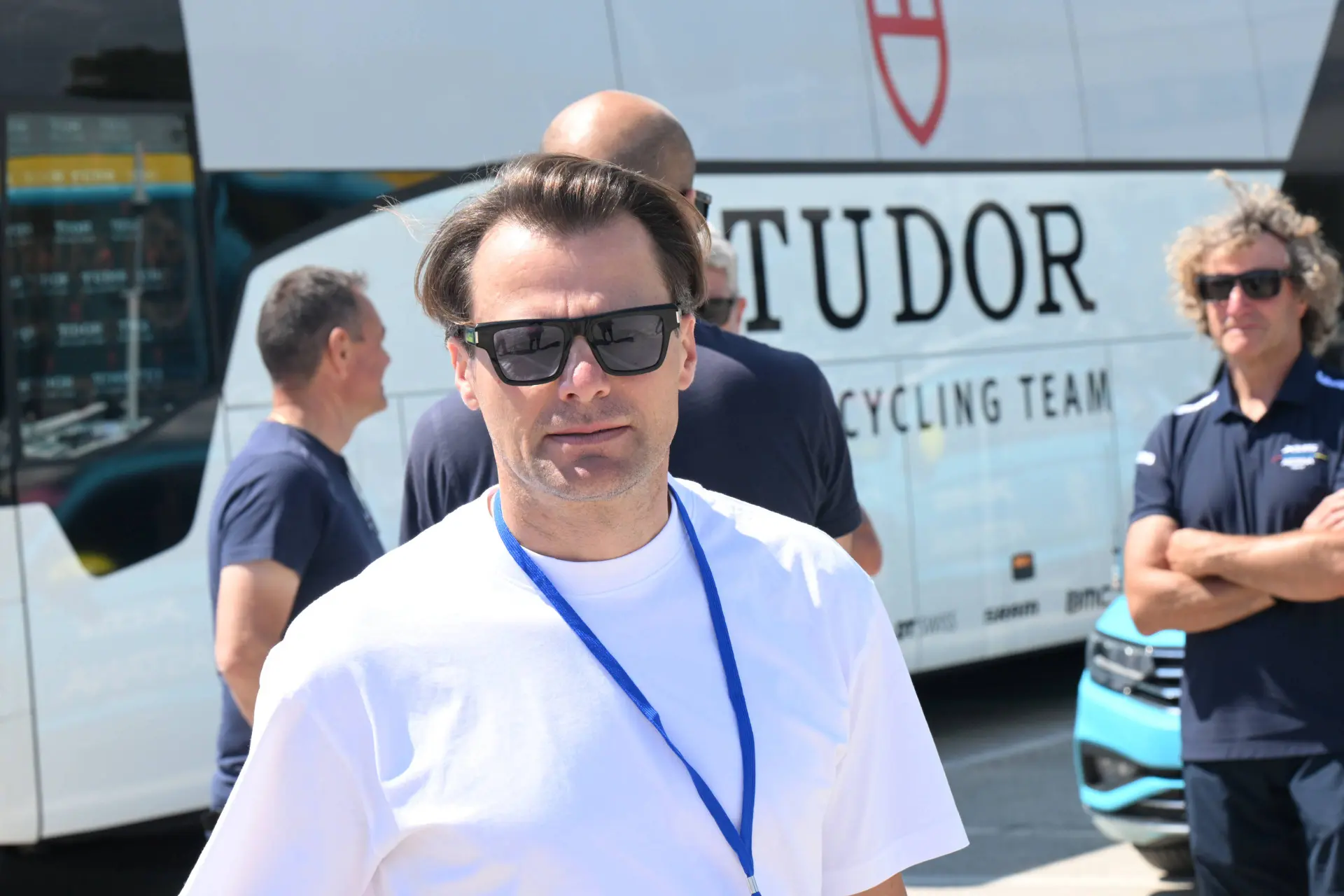
Matteo Tosatto, a 13-time Giro starter and current DS with Tudor Pro Cycling Team, further points out how at the Corsa Rosa, it is mandatory to expect the unexpected. “In a lot of races these days, when riders like Pogacar, Van der Poel, Evenepoel or Seixas are on the start line, you might say you’re racing for second place from the off, but you’d never say that at the Giro d’Italia. Never,” the Italian argued.
“With all due respect to Vingegaard, it’s the first Giro he’s ever done, and it’s not the Tour or the Vuelta, so there is a bit of the unknown for him. He’ll come up against teams that are well prepared. Anything can happen.”
Rúben SilvaEditor-in-Chief
A founding contributor to CyclingUpToDate since its launch in January 2022, Ruben Silva has played a central role in shaping the site’s editorial direction and long-term growth. Before joining the project, he built his experience through independent blogging at Echelons Hub and by producing race previews for Ciclismo Internacional, developing a strong analytical voice rooted in daily engagement with professional cycling.
Beyond editorial work, he has been closely involved in the expansion and coordination of CyclingUpToDate’s wider network, helping establish and support sister platforms across multiple languages. This includes ongoing collaboration with CiclismoAlDia (Spanish), CiclismoAtual (Portuguese), WielrennenUpToDate (Dutch), and RadsportAktuell (German), contributing to a shared editorial vision and consistent international coverage.
He also helps oversee editorial governance across the network, setting standards for accuracy and consistency and coordinating updates or corrections when needed.
Originally from the Porto metropolitan area in Portugal, he holds a bachelor’s degree in Geography. His path into cycling journalism was shaped not through formal media training, but through independent reporting, community engagement, and sustained on-the-ground involvement in the sport.
Over the course of his career, he has conducted approximately 100 interviews across road cycling and cyclocross, ranging from one-to-one conversations and online formats to press conferences and on-site pre- and post-race coverage. His interviews include leading riders, team managers, and prominent figures within cycling media: Tadej Pogacar, Jonas Vingegaard, Mathieu van der Poel, Primoz Roglic, Wout van Aert, Joao Almeida and Tom Pidcock; managers like Patrick Lefevere and Joxean Matxin; and YouTube personality Bryan Kennedy (BKXC)...
Within 18 months of launch, he helped grow CyclingUpToDate’s English-language platform into one of the most-read cycling news websites, built entirely from the ground up. As both a professional journalist and lifelong cycling enthusiast, his focus remains on delivering accurate, timely, and well-contextualized coverage.
claps 0visitors 0
Just in
Popular news
Latest comments
- Rather than me describing the technology at length on here, If you google. Line-scan cameras. They are also sometimes called Slit-Scan cameras. Either search will fill you in. You can read all about how they. work. Enjoy! Just to be clear the cyclist is saying he wants to see exactly where the digital finish line is in relation to the actual physical finish. At this point we only have the word of the authority that the digital line corresponds to the exact starting edge of the physical finish line. That seems like a reasonable request to me.Prorodsandstuff11-10-2026
- 100% @Jumpyjohn, good point well raised.anonymouscyclist11-10-2026
- The media keep stirring the soup.. or spitting in it
 leedorney11-10-2026
 - Yes, he has won many races... second class races. He isn't the real deal... Seixas is the real deal. Capish?PogiSloFans11-10-2026
- What are you talking about? I'm not the one you guys are spitting on. I'm a Slovenian Pogi fan, that's all... the guy you're talking about is a Croation Ustasha. Capish?PogiSloFans11-10-2026
- It would be epic if Seixas came to UAE. 3/4 of the commentators on this site would stop watching cycling... ha ha ha ha ha ha...PogiSloFans11-10-2026
- UAE's problem is Seixas wants to beat Tadej.Renz11-10-2026
- You are blinded by your infatuation with Pogi. IdT has done crazy good stuff. One of the strongest ever first three years in the peloton. poor showing in his last couple of races btu I don't think he is quite washed up yetmobk11-10-2026
- Absolutely not. The guy has finished so many races 2nd to Pogi so absolutely not a shocker that when Pogi isn't there he wins a fewmobk11-10-2026
- GOATmij11-10-2026
Loading
Write a comment