Who is paying? Teams and Giro d'Italia organizer in dispute over costs of 2026 Bulgarian start
Cycling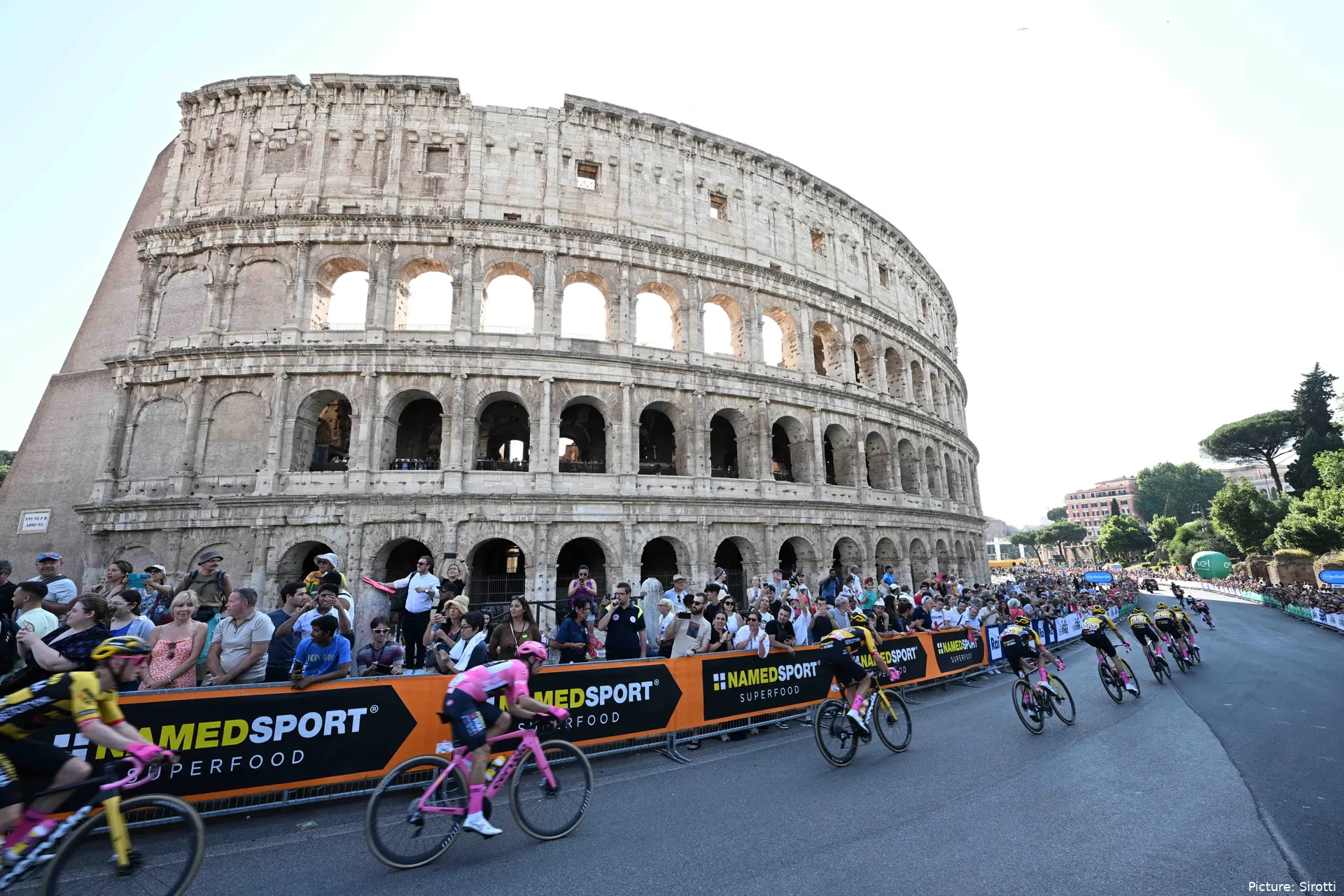
The Giro d’Italia is set to start abroad for the second consecutive year in 2026, specifically in Bulgaria, which will mark the Giro’s third foreign start in five editions, following departures from Hungary in 2022 and Albania in 2025.
The race will begin in the Bulgarian city of Nessebar on May 8. As in 2025, the Giro has received permission from the UCI to start one day earlier than usual in order to accommodate the long transfer back to Italy ahead of stage 4.
Who is paying?
That long transfer will obviously bring big travel and logistical costs, and the main question is: who will pay all those expenses? As of today, that answer is far from clear.
According to reports in early December by Il Giornale, RCS Sport (the Giro d'Italia organizer) entered a phase of “diplomacy” with teams in an effort to resolve a standoff over who should cover those expenses.
Escape Collective later reported that RCS Sport proposed a contribution of €115,000 per team, along with €5,000 in airline vouchers. This offer was rejected by the teams’ representative body, the AIGCP. A subsequent counteroffer of €125,000 per team was also turned down, considered insufficient.

Will Vingegaard ride the Giro for the first time in his career?
Teams are reportedly seeking €160,000 each to offset the additional costs, a figure that would amount to a total of €3.68 million across the Giro peloton. Bulgarian media have estimated that RCS Sport will receive approximately €12.5 million for staging the Grande Partenza in Bulgaria, so giving €160,000 to every team would still guarantee a big profit.
It is unclear whether negotiations are progressing or not. In case a solution is not found, the dispute could ultimately be referred to the Professional Cycling Council for arbitration.
The riders confirmed to start the Giro
The 2026 Giro route is believed to have been designed to encourage top riders to attempt both the Giro and the Tour de France. However, the plan has not proven to be too successful yet, as both Tadej Pogacar and Remco Evenepoel have ruled out participating, while Jonas Vingegaard has not officially confirmed his plans for 2026.
João Almeida will be UAE Team Emirates-XRG’s leader for the race, and he will be surrounded by the likes of Adam Yates and Jan Christen (with whom he had a heavy clash at the Tour de Suisse), amongst others.
Other potential GC contenders that have been confirmed to ride the Giro are Mikel Landa, Jai Hindley, Giulio Ciccone, Enric Mas, Felix Gall, Ben o'Connor and Santiago Buitrago.


Félix SernaCycling Journalist
Félix Serna is a writer at CyclingUpToDate and has been part of the team since 2025. He covers professional cycling across both the men’s and women’s calendars, with a focus on UCI rankings, race developments, and rider performance. His work includes interview-based reports, liveblogs, and tournament coverage designed to provide clear, accurate context throughout the season.
In his reporting, Félix regularly uses ProCyclingStats for results, statistics, and historical reference. He places strong emphasis on careful sourcing, editorial accuracy, and updating articles promptly when new, verified information becomes available. He holds a bachelor’s degree in International Studies.
claps 1visitors 1
Just in

Popular news

Latest comments
- 100% @Jumpyjohn, good point well raised.anonymouscyclist11-10-2026
- The media keep stirring the soup.. or spitting in it
 leedorney11-10-2026
 - Yes, he has won many races... second class races. He isn't the real deal... Sixas is the real deal. Capish?PogiSloFans11-10-2026
- What are you talking about? I'm not the one you guys are spitting on. I'm a Slovenian Pogi fan, that's all... the guy you're talking about is a Croation Ustasha. Capish?PogiSloFans11-10-2026
- It would be epic if Seixas came to UAE. 3/4 of the commentators on this site would stop watching cycling... ha ha ha ha ha ha...PogiSloFans11-10-2026
- UAE's problem is Seixas wants to beat Tadej.Renz11-10-2026
- You are blinded by your infatuation with Pogi. IdT has done crazy good stuff. One of the strongest ever first three years in the peloton. poor showing in his last couple of races btu I don't think he is quite washed up yetmobk11-10-2026
- Absolutely not. The guy has finished so many races 2nd to Pogi so absolutely not a shocker that when Pogi isn't there he wins a fewmobk11-10-2026
- GOATmij11-10-2026
- ugh god just leave the rest of the peloton with some riders heywrsty11-10-2026
Loading
Write a comment