“We will see riders burned out younger and younger” – Simon Yates’ former boss warns cycling must change in wake of Giro winner's surprise retirement
Cycling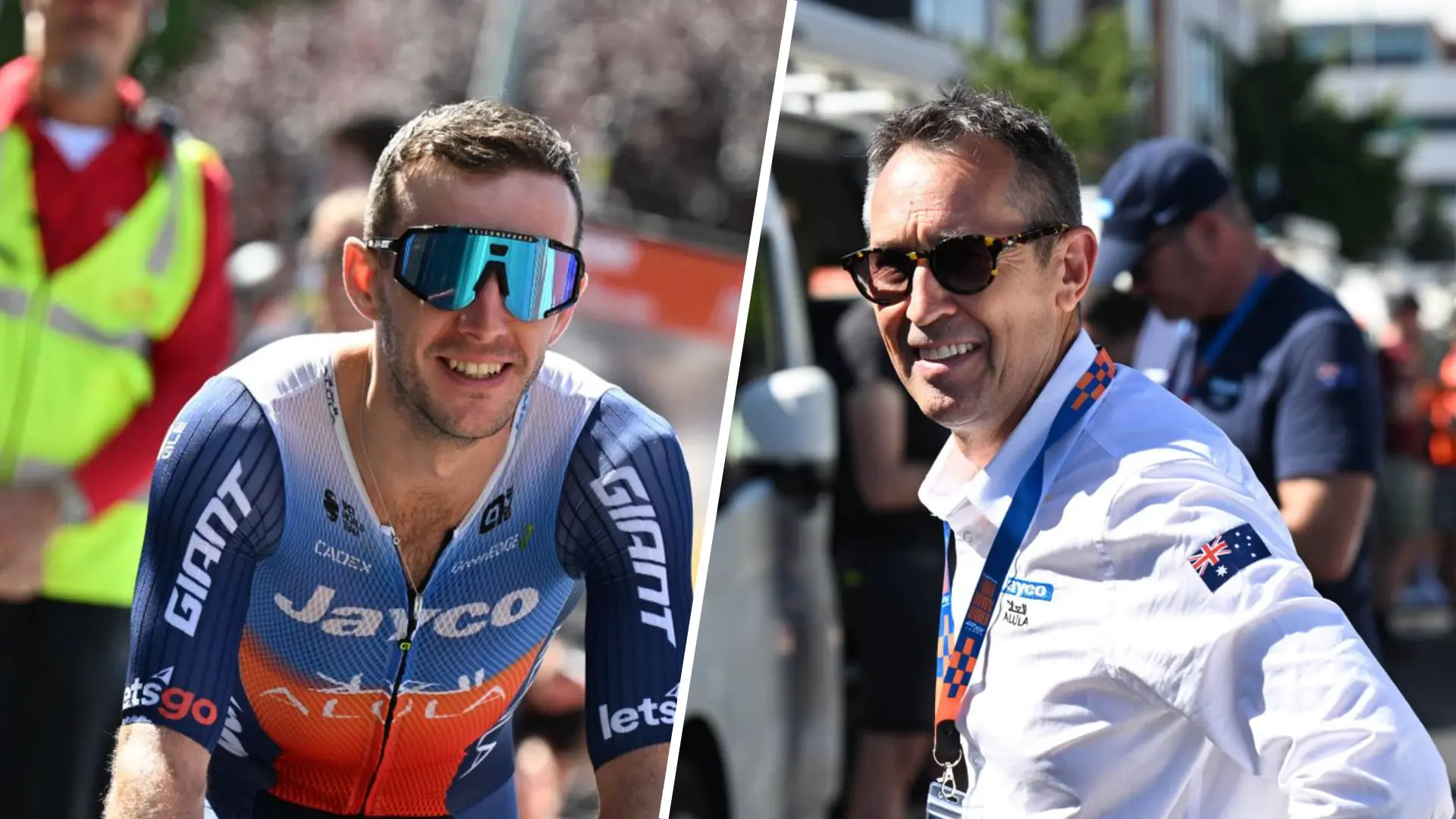
The shock retirement of Simon Yates continues to echo through the professional peloton, and now one of the men who knows him best from inside a team environment has used it as a warning sign for the entire sport.
Speaking to Tutto Bici Web at the AlUla Tour, Brent Copeland did not talk about Yates in emotional terms or personal speculation. Instead, the Team Jayco AlUla manager and AIGCP president spoke about structures, pressure, workload, and an environment that he believes is quietly pushing riders closer to burnout than ever before.
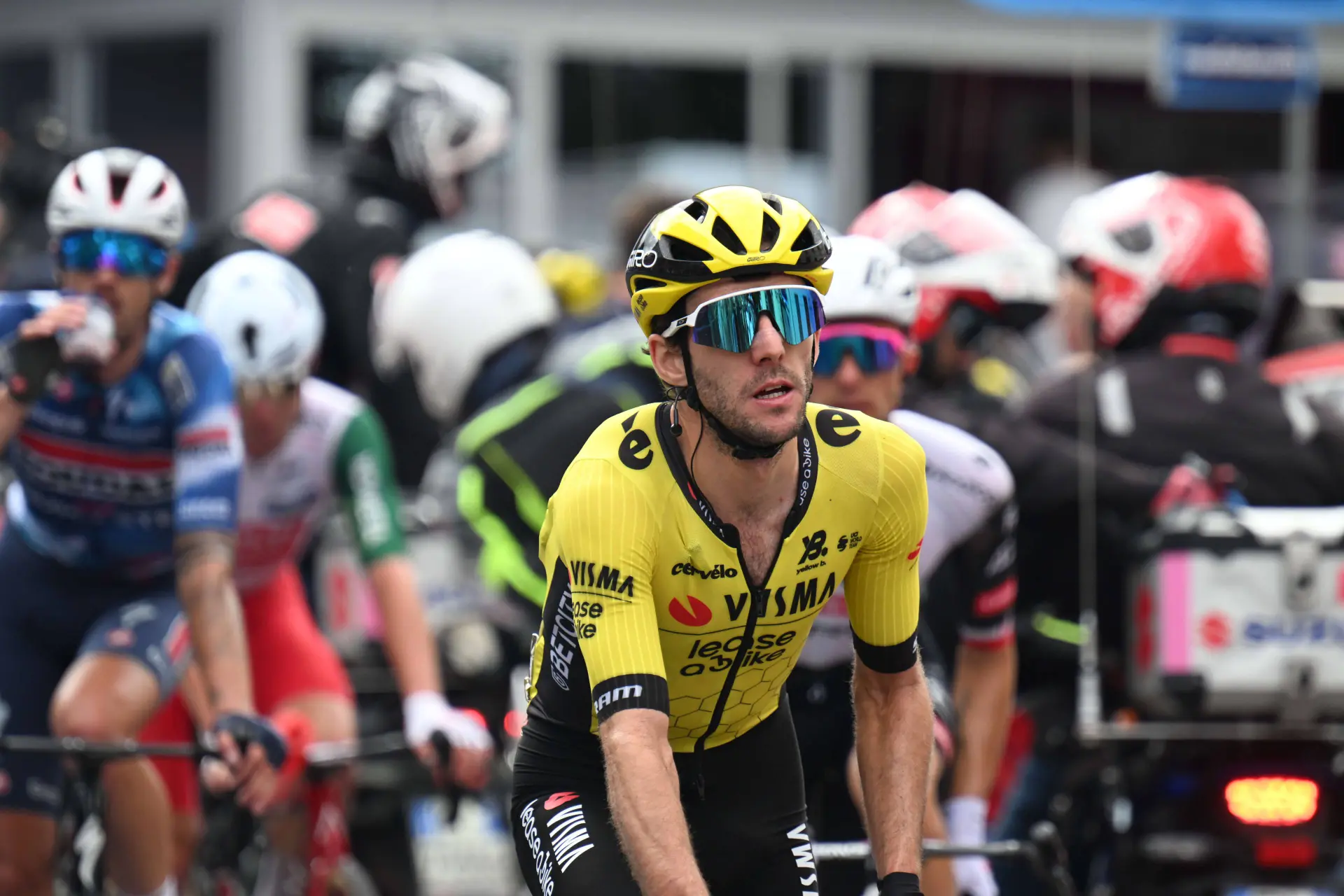
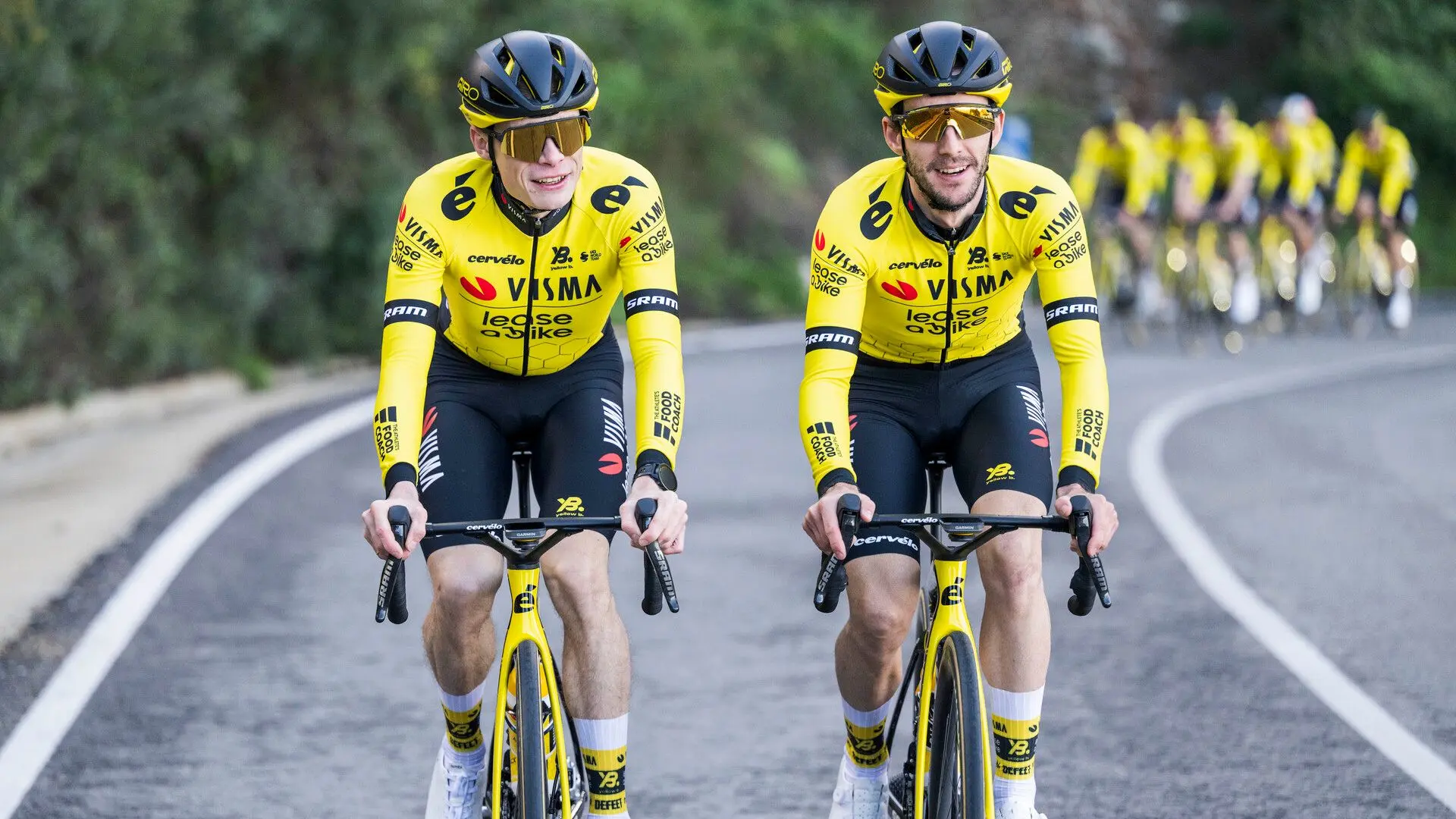
Yates spent years racing under Copeland’s management at Team Jayco AlUla before moving to Team Visma | Lease a Bike ahead of the 2025 season. That long working relationship gives extra weight to Copeland’s words when he links the current climate in cycling to the kind of situation that saw the defending Giro d’Italia champion step away from the sport without warning in January.
“Cycling must react as soon as possible, otherwise we will see riders burned out younger and younger.”
Copeland was careful not to claim he knew the exact reasons behind Yates’ decision, but he made it clear that, in his view, the conditions for something like this are now built into modern professional cycling. “I do not know if this was the case for Simon Yates, but it is true that cycling is a sport that asks a lot. You are away from your family, always travelling, making many sacrifices, and the environment is increasingly stressful.”
Pressure is no longer just about racing
For Copeland, the issue is not simply race days or training load. It is the constant layer of expectation that sits on top of everything riders do.
Sponsor demands. Shareholders. The fight for WorldTour points. Long altitude camps. Constant travel. Social media. Media obligations. Performance expectations that leave little margin for physical or mental fluctuation.
“Every year it becomes more difficult because of sponsor demands and shareholders, you need points to remain in the WorldTour, and there is always more pressure. So you have to create this balance between the right amount of pressure and an environment where people can work well.”
He revealed that riders regularly tell him they have spent 70 days at altitude in a season, followed by another 70 to 80 days of racing. “When you are at camp, you are always under pressure from diet, training, everything.”
That environment, Copeland suggests, is fundamentally different from how cycling operated even a decade ago. Riders are no longer simply training and racing. They are living inside a performance bubble for most of the year. “Before bringing families to training camps, it may be more important to create a more reasonable working environment.”
Yates’ retirement has forced uncomfortable conversations
Since Yates’ decision, multiple voices across the sport have begun speaking more openly about burnout, calendar congestion, and the mental load placed on riders. Copeland’s comments fit directly into that growing chorus, but with the authority of someone who both managed Yates for years and now represents all professional teams through the AIGCP.
“This is something that must be addressed as soon as possible. We need to create a project that helps riders not only when they stop racing, but during their careers.”
That distinction is key. Copeland is not talking about retirement support. He is talking about prevention while riders are still active.
The fact that this conversation has accelerated only after a high profile retirement is not lost on him. “Cycling must react as soon as possible.”
A working environment, not a pressure chamber
Copeland pointed to the internal philosophy at Jayco AlUla as a deliberate attempt to avoid turning the team environment into what he described, indirectly, as a pressure chamber. “We want to try to create an environment where riders deliver results because they want to.”
He admitted that such an approach can sometimes mean results are not maximised in the same way as in more intense environments, but he sees that as a conscious trade-off. “Sometimes this may create an environment that is too relaxed, and results may suffer, because we do not work with excessive pressure.”
That comment stands in sharp contrast to the direction many teams have taken in recent years, where performance optimisation has become relentless and year-round. “Someone will criticise me by saying riders are well paid and this is their job. Fair enough, but let’s find a middle ground.”
The sport at a crossroads
Copeland’s broader message was not about one rider, one team, or one incident. It was about trajectory.
The trajectory of budgets. The trajectory of expectations. The trajectory of workload. And the trajectory of how long riders can realistically sustain life inside that system. “Otherwise, we will see riders burned out younger and younger.”
In the weeks since Yates stepped away, that warning has started to sound less like an opinion and more like a diagnosis from inside the sport’s management level.
Kieran WoodDeputy Editor-in-Chief
Kieran Wood is a sports journalist based in Wales and has been active in journalism since 2022. He regularly contributes to DartsNews.com and CyclingUpToDate.com, where he covers professional cycling and darts. In cycling, his work includes liveblogs from major races, including the Tour de France, the Giro d’Italia, and La Vuelta a España, alongside race reports and analysis. He has also conducted interviews with professional riders.
His reporting spans the full racing calendar, from one-day classics to stage races, with a focus on accurate, real-time coverage and clear contextual analysis. For statistics, results, and historical context, he regularly uses resources such as ProCyclingStats. To support reporting on rider activity and training context where relevant, he also references Strava.
In his work, Kieran places strong emphasis on careful sourcing, editorial accuracy, and updating articles as new, verified information becomes available.
claps 1visitors 1
Just in
Popular news
Latest comments
- Being the best rider left in the race is pretty much the only way to win in any edition, surely? Seems reductive to say "they only won because the entire peloton wasn't as absolutely stacked as it could've been" - you can only beat who is in front of you.wrsty08-10-2026
- I’m sorry but generally the coverage on your site is first class but this incident highlights something I just don’t get with cycling journalism. This accident should never have been allowed to happen, it comes uncomfortably close to the Finlay Tarling tragedy and two other incidents took place within days of this. I checked all of the cycling websites and you all put out basically the same story. Pidcock gave journalists the perfect opening to blow this sky high, what has the UCI got to say? What is Adam Hansen doing? What do the organisers say? Nothing, you all trot out the same easy quotes taken from Pidcocks interview after the race but do nothing to follow it up. I see it time and time again, journalists taking the easy way out but being outraged when it happens again as it surely will. Riders can’t do this but journalists should be independent and should be able to raise these uncomfortable questions but cyclinguptodate and every other on line publication prefer to take the easy way out. That’s the real tragedy here.Paul53108-10-2026
- Happy to help :-)Mistermaumau08-10-2026
- Well, ok but, it’s also a structural, team, budgeting, direction and all sorts of other issueMistermaumau08-10-2026
- I wouldn’t call it an analogy but maybe his criticism is a little unfair. On the other hand, the fact Cicco made a public affair out of it despite having received all the explanations and proof makes me feel he now deserves being criticised for not accepting there is nothing to discuss.Mistermaumau08-10-2026
- Much as I like him (one of my favourites), I do want to attract a little attention to the coincidence of his recent performances in the current context. Not the first time a rider improves noticeably when there’s a job interview to prepare. In the same lighthearted humour of his, i hope the UCI will let him wear it at home as the rules quite strictly state you can only wear it during participation in the discipline you won in, and we all know how capable they are of interpreting rule interpretation ;-) Also, if it’s going to be retirement (please not), I wouldn’t call that an agreement as somebody will probably feel they didn’t get what they wanted.Mistermaumau08-10-2026
- Agreed. There used to be a team willing to pay though. I take all these figures (that vary enormously according to who is publishing) with handfuls of salt. We don’t know how salaries are treated (especially between a UK employer and Andorran resident), we don’t know how numbers are derived and from where, if deductions have been taken into consideration, etc. but if he returns to Colombia, he’s going to need quite a bit in protection money.Mistermaumau08-10-2026
- And another one gone, another one gone, another one bites the dust. Ah gonna get you too…Mistermaumau08-10-2026
- Top marks RidesHills. A great post that sums up exactly Egan Bernals situation.Cyclingsbestfan08-10-2026
- Thanks for pointing out that typo. Now ammended.Prorodsandstuff08-10-2026
Loading
1 Comments