Vuelta al Táchira 2026 preview & startlist - Venezuela's top race opens up yearly calendar days after US intervention
Cycling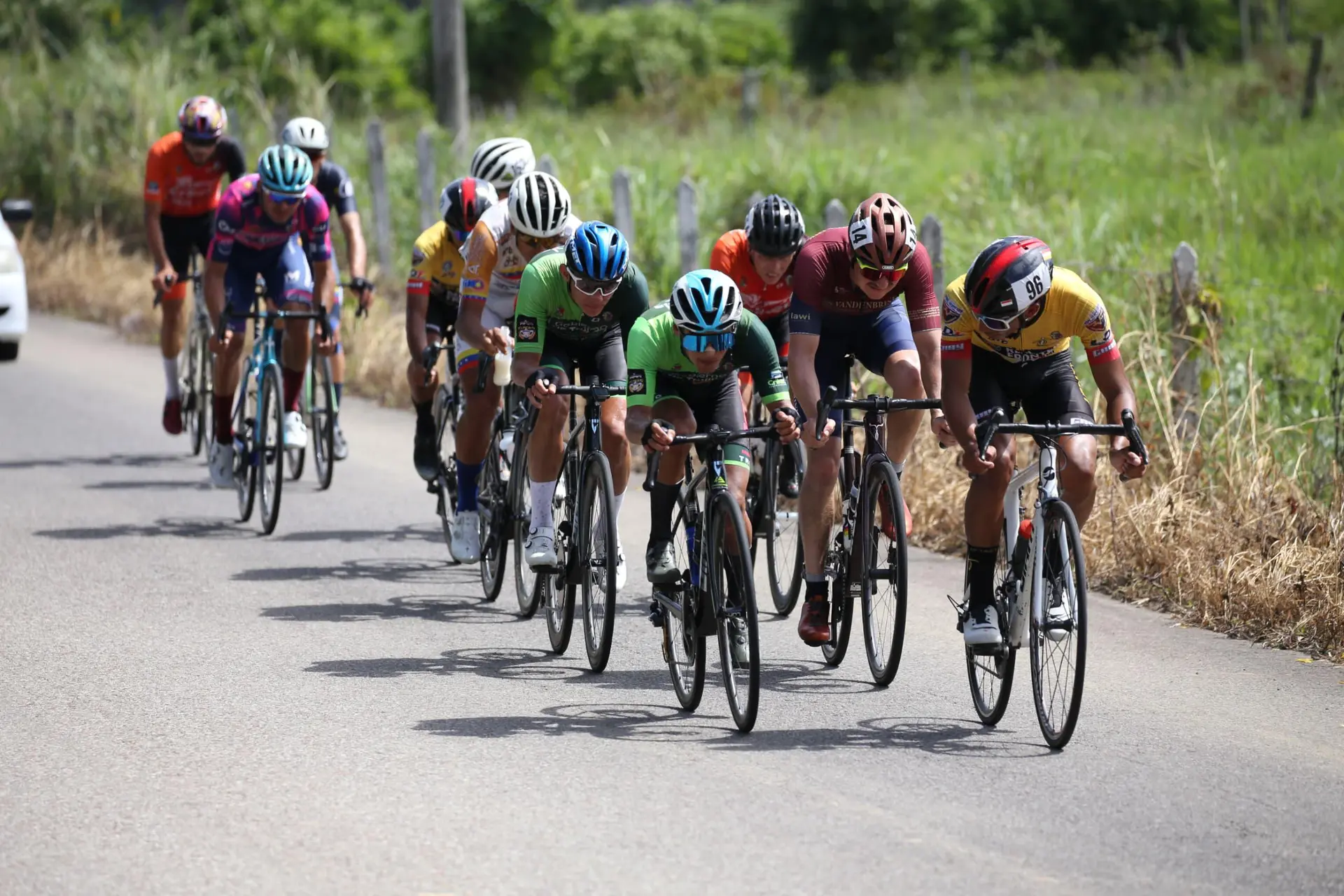
The Vuelta al Táchira 2026 will once again open the UCI stage‑race season despite the capture of Nicolás Maduro by the United States. The Venezuelan race, now in its 61st edition, runs from the 9th to the 18th of January and returns to an ambitious format with ten stages and a route exceeding 1,500 kilometers, reaffirming its status as the country’s premier stage race and one of the continent’s most traditional events.
Included on the UCI calendar as a 2.2 event, the Vuelta al Táchira once more brings together national and international teams in a setting that has historically served both to test seasoned riders and to reveal new talents. The mix of terrain, fervent crowds and demanding profiles makes this a complete challenge from the first to the last day.
A demanding, well‑balanced route
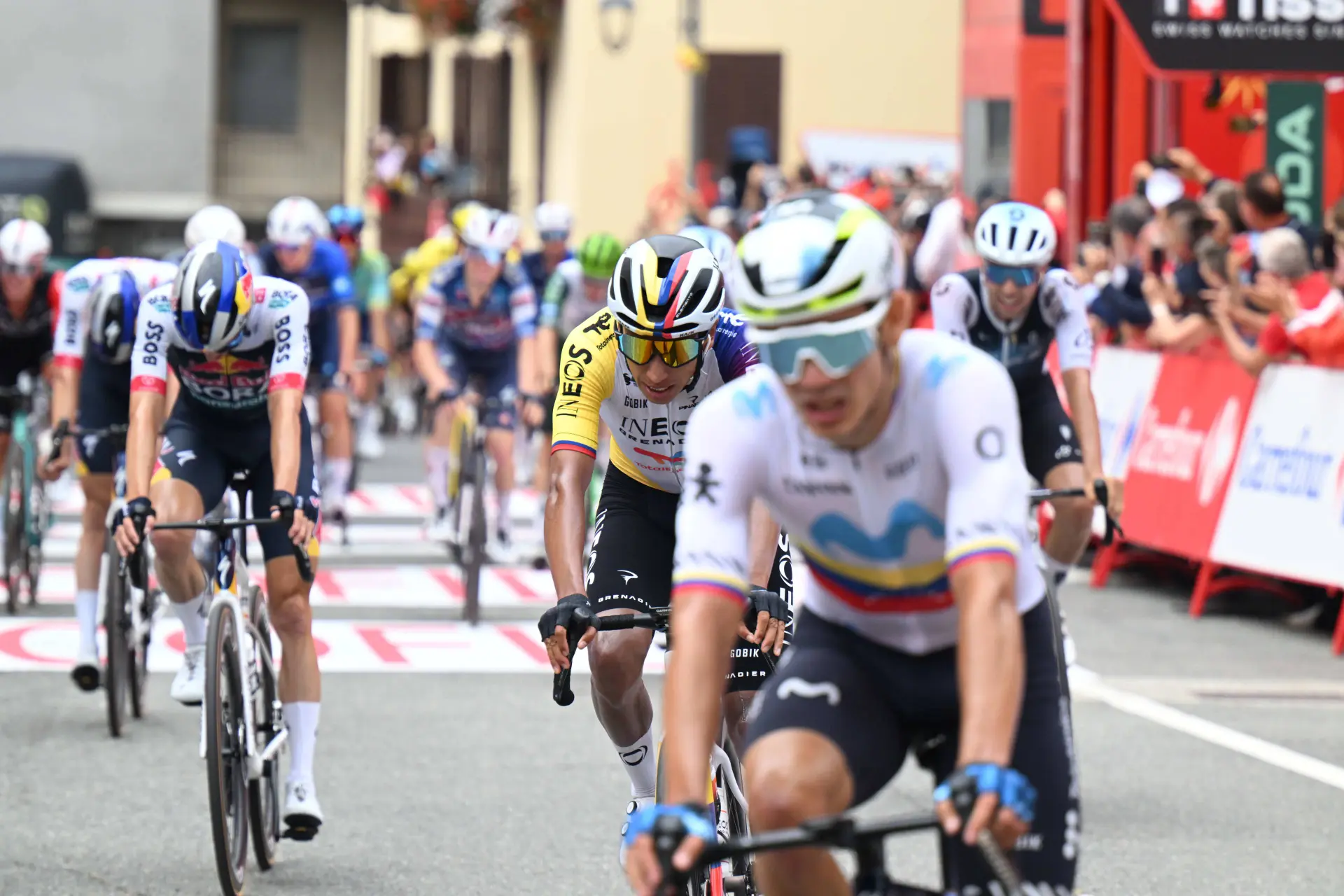
The official route of the Vuelta al Táchira 2026 was designed to offer opportunities to every rider type. Sprinters, rouleurs and climbers will all have clear chances, although, as tradition dictates, the mountains will again be decisive for the general classification.
The race will start in San Cristóbal, the historical heart of the Vuelta, and from there follow a course that crosses the states of Táchira, Barinas and Mérida, combining road stages, urban circuits and summit finishes. The diversity of the route forces teams to manage their effort, protect their leaders and stay focused across ten days of racing.
Read also
Stages of the Vuelta al Táchira 2026
| Stage | Date | Route |
| 1 | 09.01 | San Cristóbal → Socopó |
| 2 | 10.01 | Socopó → San Cristóbal |
| 3 | 11.01 | Santos Rafael Bermúdez Circuit (San Cristóbal) |
| 4 | 12.01 | La Fría → Mérida |
| 5 | 13.01 | Circuit in Mérida |
| 6 | 14.01 | El Vigía → La Grita |
| 7 | 15.01 | Metropolitano San Cristóbal → Táriba |
| 8 | 16.01 | Abejales → Monumento al Cristo Rey |
| 9 | 17.01 | Los Estudiantes Circuit (Rubio) |
| 10 | 18.01 | Ureña → San Cristóbal (Velódromo) |
The opening stages between San Cristóbal and Socopó favour sprint finishes, although accumulated fatigue could spring surprises. The urban circuits, a Vuelta al Táchira staple, demand full focus due to their technical nature and the constant pressure from the crowds.
The mountain days, especially those crossing Mérida and finishing at the Monumento al Cristo Rey, are expected to shape the biggest gaps. There, climbers and GC contenders must show their best if they want to contest the overall title.

US intervention in Venezuela does not prevent the Vuelta al Táchira 2026 from taking place
A race defined by strategy
The ten‑stage format makes the Vuelta al Táchira 2026 an event where team strategy is paramount. A strong leader is not enough; squads must manage their effort, control breakaways, defend key positions and seize every opportunity the route provides.
The secondary classifications—mountains, points and intermediate sprints—add daily incentives and allow riders with different profiles to pursue their own targets. That guarantees lively racing, with attacks and tactical moves even on seemingly quiet days.
Early‑season racing always brings uncertainty. Many riders arrive short of race rhythm, opening the door to unexpected results and the emergence of lesser‑known names.
International depth and strong local presence
The Vuelta al Táchira 2026 will feature robust international participation, reinforcing its continental character. Teams from Colombia, Mexico, Bolivia and Cuba will be present, adding tactical variety and raising the competitive level.
Colombian teams, traditionally strong on this terrain, come aiming for stage wins and the overall. The presence of the Cuban national team adds a different dynamic, with riders used to racing as a tight unit and capitalising on collective strategy.
Venezuelan teams, for their part, face the race determined to uphold local prestige. The Vuelta al Táchira has historically favoured home riders, who know the roads, the climate and the demands of the route inside out. Experienced campaigners and young talents will share the spotlight in what promises to be a tightly fought edition.
An event with historical weight
Since its inception in 1966, the Vuelta al Táchira has become a benchmark of Latin American cycling. Over more than six decades, it has showcased riders who later excelled internationally and staged memorable mountain duels. Currently, it continues to have a large international presence due to its position in the calendar - and more so in 2026, only days after the USA's intervention in the country and capture of Nicolas Maduro.
The 2026 edition not only aims to uphold that tradition, but also to strengthen the race’s role as a development platform. For many young riders, this event is a key opportunity to impress teams and directors, while for veterans it is an ideal early-season form check.
The fans’ support, always large and passionate on Andean roads, remains one of the race’s great attractions. That atmosphere turns every stage into an intense experience for both riders and spectators.
Startlist
| Team | Riders |
| Pío Rico Cycling Team | Eduardo Moyata, José Manuel Aramayo, Jorge Camilo Castiblanco, Ángel Jesús Hoyos, Kenny Erick Ferruffino, Juan Esteban Guerrero |
| Club Politáchira | Carlos Johan Gálviz, Kristian Fabián Méndez, Yenfron Jesús Guerrero, Reinaldo Arocha, Carlos Eduardo Quintero, José Ángel Aragoza |
| Gobierno de Mérida – Alcaldía de Mérida | Jeison José Rujano, Rubén Eduardo Flores, Alexander Villasmil, Nelson Antonio Peña, Víctor Montilva, Santiago Moreno |
| GW Erco SportFitness | Ángel Alexander Gil, Brandon Alejandro Rojas, Bryan Raúl Obando, Yonatan Castro, Camilo Andrés Gómez, Nicolás David Gómez |
| Team Fina Arroz – Banca Amiga – Multimarcas | Jorge Abreu, Luis Antonio Gómez, José Andrés Díaz, Jesús Miguel Goyo, Nelson Pérez, Jaiker Yosue Morillo |
| Produgar – Optic Nerve – Gobernación de Miranda | Antonio José Marrero, Abraham Alejandro Dugarte, Dawerson Méndez, Jonathan Herrera, Neftalí Josué Jiménez |
| Arenas Tlax-Mex | Miguel Arroyo, Gabriel Ramírez, Marcos Alejandro Orozco, Miguel Eduardo Flórez, Diego Armando Soracá, José Armando García |
| Lotería del Táchira | Manuel Eduardo Medina, Edwin Yair Torres, Franklin Chacón, Winston Maestre, Diego Alejandro Méndez, Luis Enrique Díaz |
| Alcaldía de Torbes – Miranda | Jad Sair Colmenares, Daniel José Hernández, Johakson Jesús Rodríguez, Yohandri Josué Rubio, Charles García, Edwar Moisés Becerra |
| Team Fam Birdman Level Up | Jorge Luis Rojas, Mateo Boanerges Paredes, Enmanuel David Viloria, Leonidas Sebastián Novoa, Gusneiver José Gil |
| Alicanto Consulting – Kino Táchira | Arlex José Méndez, Moisés Alejandro García, Antoni Samuel Quintero, Germán Rincón, Danielker Yosua Andrade, Shair Sleider Jaime |
| Team Gesprom Evolution | Yosimar Jerez, Jhon Edward Patiño, Juan Moreno, José Francisco Portillo, Jorge Galeano |
Juan LarraCycling Journalist
Juan Larra is a writer for Cyclinguptodate and editor-in-chief of Ciclismoaldia, where he has played a central role since its inception. Under his leadership, the website has become a trusted source for professional cycling coverage, offering in-depth analysis, news, and feature stories.
A sports journalist with over 20 years of experience, Juan earned his degree in Journalism from the University of Seville in 2007. He began his career covering a wide range of sports—including football, basketball, Formula 1, MotoGP, tennis, and cycling—for platforms such as the official La Liga app, Vodafone and Movistar websites, NBA Blogdebasket, and Cadena Cope, honing his skills in writing and editorial management.
In addition to his work at Ciclismoaldia, Juan contributes to Cyclinguptodate and serves as editor-in-chief for the tennis-focused site Tenisaldia. Throughout his career, he has conducted exclusive interviews with cyclists and sports figures, provided detailed analysis of competitions ranging from local Spanish races to major international events, and acted as a special correspondent at prestigious races including Paris-Roubaix, the Tour de France, and the Vuelta a España.
Juan’s combination of experience, expertise, and direct access to athletes has established him—and the platforms he leads—as authoritative voices in professional cycling.
claps 1visitors 1
Just in


Popular news
Latest comments
- We also don't know how much Pog was really putting into gaining time. Feels like watching Usain Bolt, where you can only wonder how much faster he'd have gone if he was sprinting 100% to the line, instead of being two feet ahead and starting to pull up with ten yards to go. If any of the other riders really started to close in on Pog, I do think he'd simply have gone even deeper and crushed them. I would really like that kind of race though, none of this "4 minutes lead by the first rest day" trouncing. So if introducing more TT and less summit finish makes the race go more to the wire, I'm all for that. I don't think it'll change the outcome necessarily, but it'll make the whole thing less of a foregone conclusion by week 2.wrsty23-10-2026
- That nearly is 7 mins and you win GTs comfortably by 2 mins. Remco fans - he almost won the TDF, He beat Pogi twice in the mountains this year.abstractengineer23-10-2026
- What would be your preferred Tour design then? Just out of interestwrsty23-10-2026
- I like Remco but even I'll admit he didn't get anywhere close to Pogacar, just like everyone else.megasmacky23-10-2026
- That's what y'all said this year, "remco will come fifth"bruins3022-10-2026
- That used to be the norm, 100 kms of TTs. Now look at the '87 route...acem8222-10-2026
- Well, crashes can happen, so it's not impossible...acem8222-10-2026
- that would be kinda cool. there is a lot of untapped potential. which I'm sure the UCI will overlook. in order to get sock length correct.mij22-10-2026
- Nice! Now Remco can finally show that he cannot win the Tour!!! 😂😂😂PogiSloFans22-10-2026
- Nice! Now Remco can finally show that he cannot win the Tour. 😂PogiSloFans22-10-2026
Loading
1 Comments