“Teams go on strike when solutions are proposed" – UCI boss David Lappartient calls out peloton resistance to new safety measures
Cycling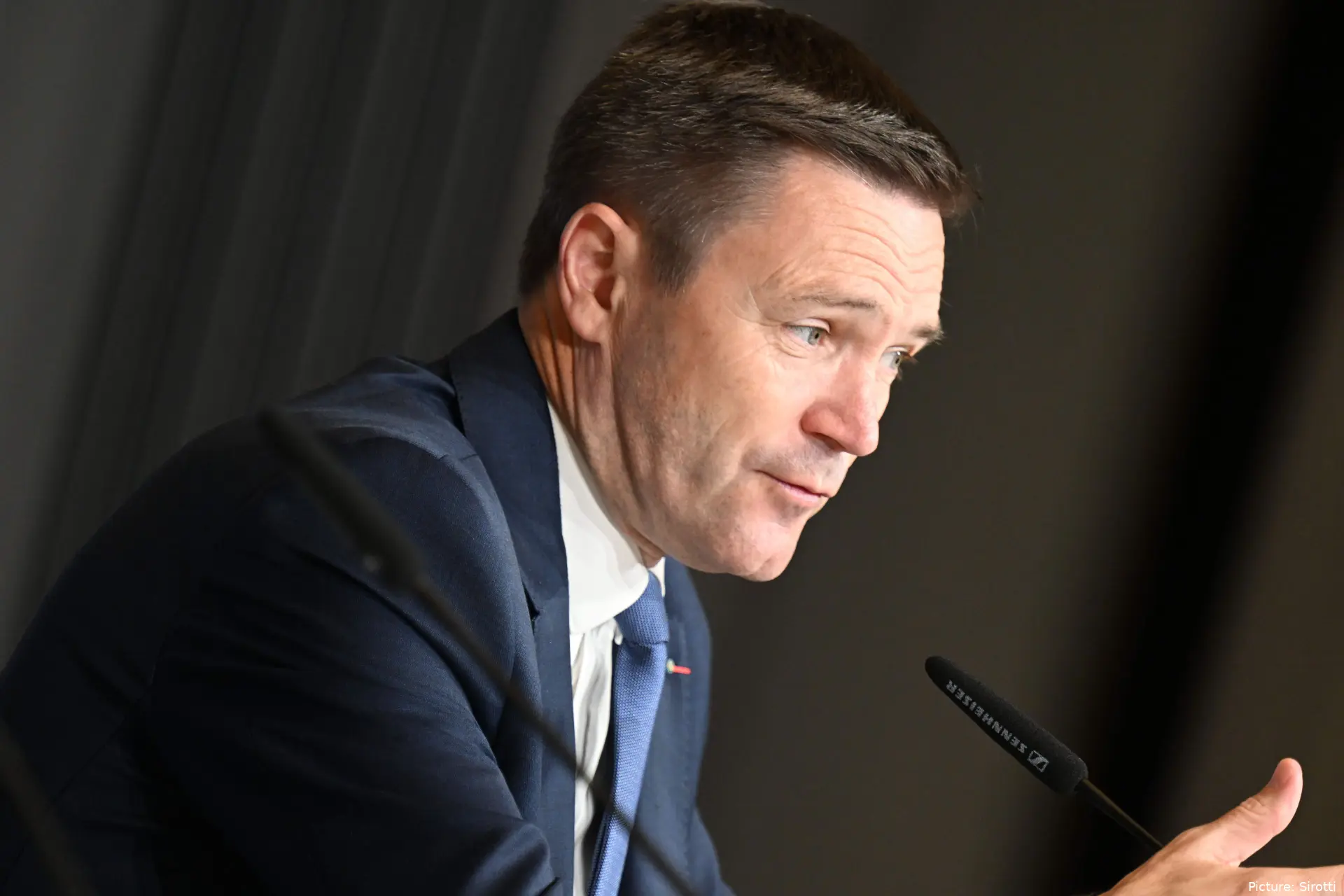
UCI president David Lappartient has raised fresh concerns over the sport’s fractured internal politics on rider safety, warning that too many teams are actively resisting reforms designed to make racing less dangerous. The remarks come from an interview he gave to Ouest-France.
Lappartient made clear that several recent safety initiatives have faced organised opposition from multiple squads. His frustration was obvious as he outlined just how often test scenarios are blocked or undermined. “When we conduct a test without radios, the teams are against it; when we conduct a test to limit gear ratios, we get taken to court and the teams are against it; when we wanted to run SafeR tests with GPS trackers at the Women's Tour de Romandie, five teams did not start,” he said.
For the UCI, this pattern is beginning to raise existential questions. “Too many teams go on strike when solutions are proposed. Where is the common interest? I am not convinced that the safety is as widely supported as some would have us believe. I banned race radios at the World Championships, European Championships and the Olympic Games; it is better tactically and for safety, but the teams are against it.”
The repeated standoffs paint a troubling picture at a time when speeds continue to rise and the race environment becomes more complex with every technological leap.
Rider wellbeing under strain: burnout now a core threat
Lappartient also turned his attention to the growing emotional and psychological pressure inside the peloton. While discussions around extreme thinness in womens cycling have dominated headlines for years, he sees a deeper systemic issue emerging.
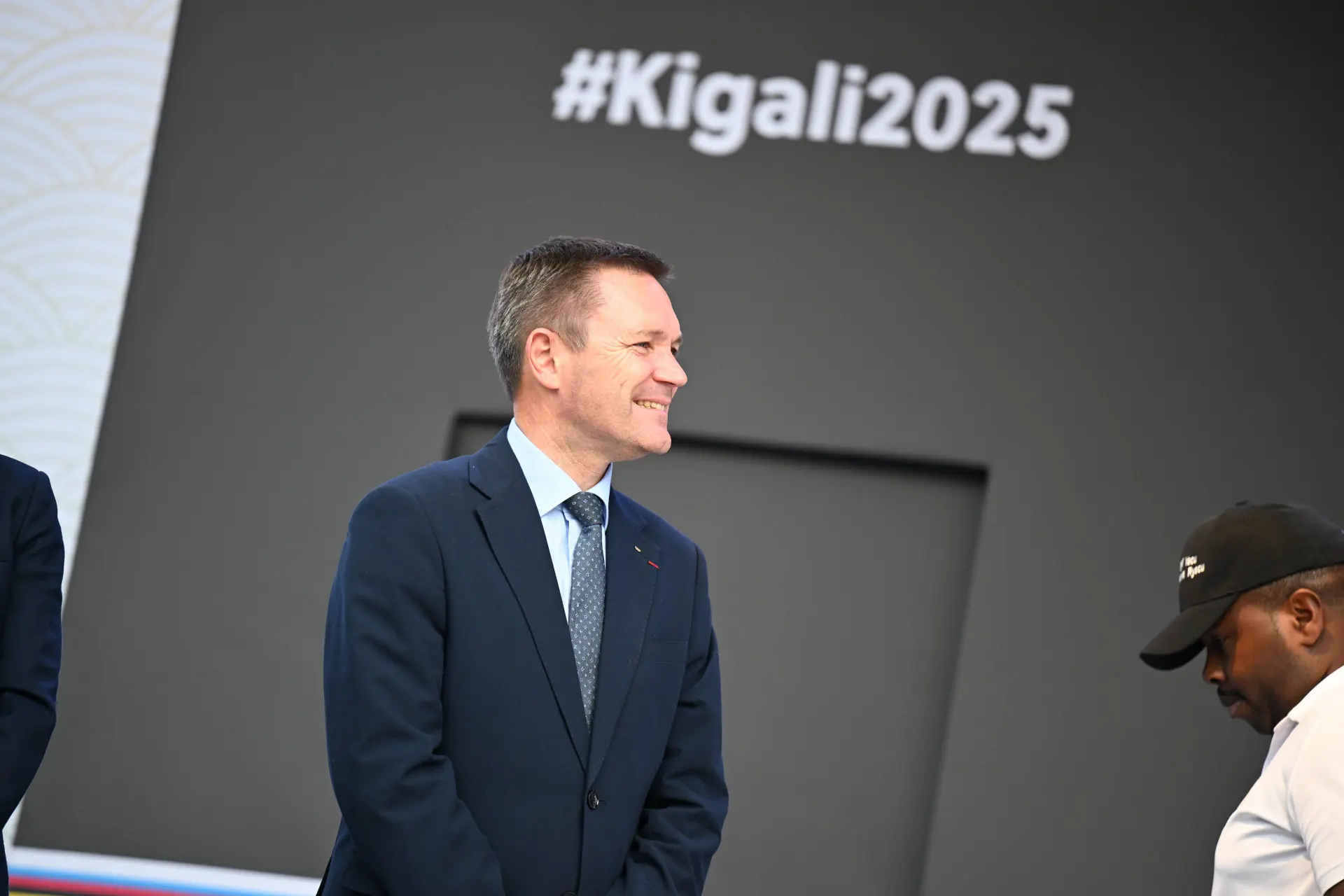
Using Pauline Ferrand-Prevot as an example, he stressed that body composition itself is not the danger when properly supervised.
“As long as everything is under the control of nutritionists and dieticians, and weight is not lost too quickly, there is a certain level of control,” he said. “I am more worried about the burnout that can develop.”
For him, the mental load is now the bigger red flag. “The mental health of riders is concerning because in the peloton there is pressure and tension: everyone wants to be at the front, everyone receives the same instructions at the same time. We are seeing nervous breakdowns that we did not see before. Riders earn more in the peloton, but they are less happy. I see fewer riders laughing.”

Ferrand-Prevot's body transformation at the 2025 Tour sparked huge debate
Womens cycling surges ahead: “We have created something valuable”
In contrast to the worrying signs he sees elsewhere, Lappartient described the exponential rise in womens cycling as one of the sport’s greatest successes in the last decade. He highlighted figures that would have been unthinkable just a few years ago.
“Viewing figures for womens cycling are constantly increasing and this makes us happy,” he said. “The viewing numbers for the final stage of the womens Tour were higher than those of all the mountain stages of the mens Tour.”
He emphasised that the final stage in Chatel recorded the second-highest audience rating of the entire cycling year — beaten only by the men’s Montmartre finish. “Who would have thought that five years ago, when the womens Tour did not even exist? We have created something valuable. In terms of viewing figures, th Tour de France Femmes did double the numbers of Roland Garros.”
Pogacar dominance not unprecedented: “There have always been periods of absolute dominance”
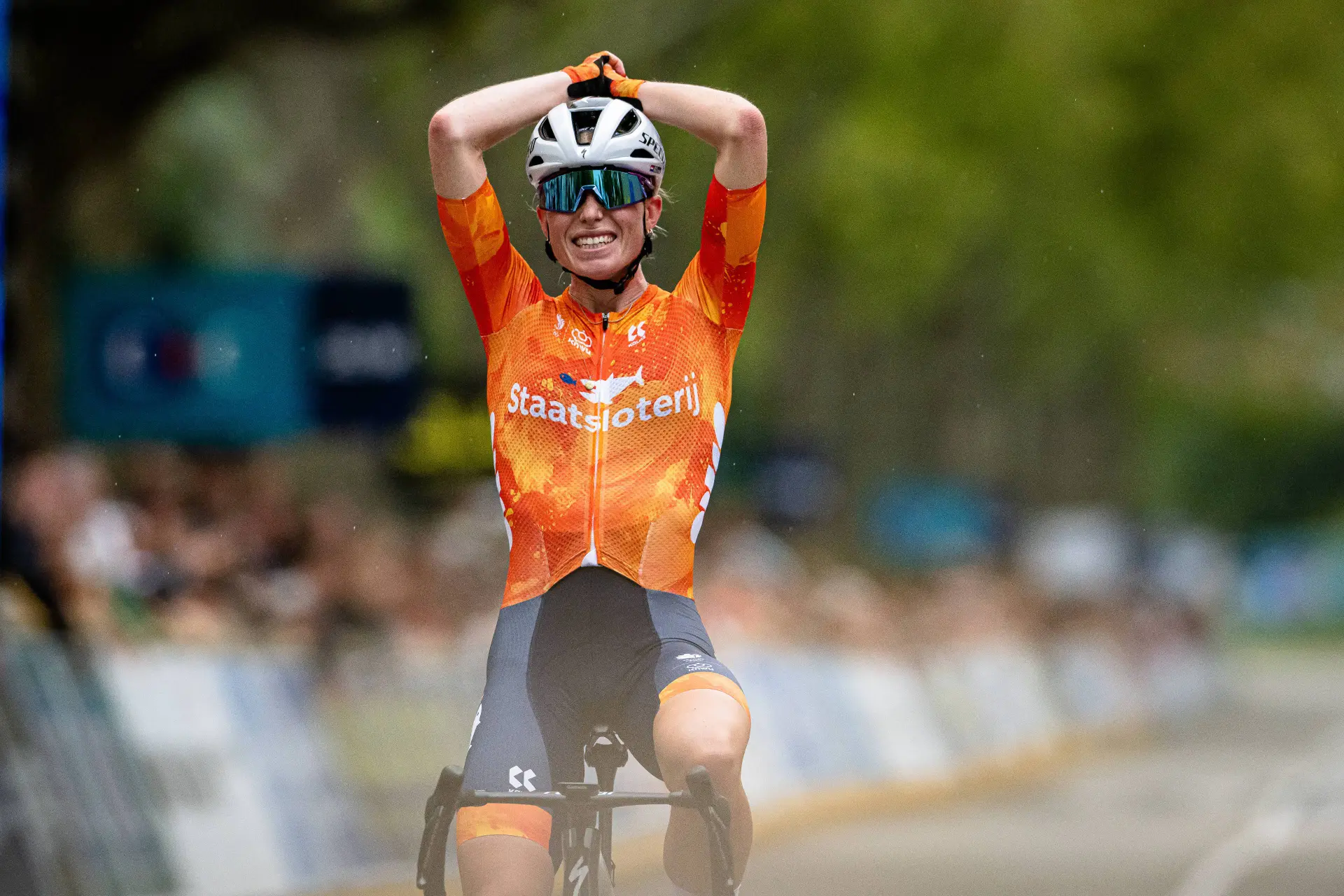
Lappartient dismissed the idea that Tadej Pogacar’s supremacy is harming the sport, noting that cycling has always swung through eras defined by one exceptional rider.
“Yes, Pogacar is at the peak of his career, just as Merckx was at the same age, or Hinault. There have always been periods of absolute dominance and we know this is not ideal for suspense,” he said.
Yet he pointed to thrilling battles at Paris-Roubaix and Milano-Sanremo as evidence that unpredictability remains alive. “When champions do not win, that is fine too.”
A final warning: vigilance is non-negotiable
Lappartient closed by stressing that cycling cannot afford complacency in any area of rider welfare or sporting integrity.
“As an organisation, you must always have doubts. Being too certain is dangerous. Cycling is improving, but we must not be naive.”

Kieran WoodDeputy Editor-in-Chief
Kieran Wood is a sports journalist based in Wales and has been active in journalism since 2022. He regularly contributes to DartsNews.com and CyclingUpToDate.com, where he covers professional cycling and darts. In cycling, his work includes liveblogs from major races, including the Tour de France, the Giro d’Italia, and La Vuelta a España, alongside race reports and analysis. He has also conducted interviews with professional riders.
His reporting spans the full racing calendar, from one-day classics to stage races, with a focus on accurate, real-time coverage and clear contextual analysis. For statistics, results, and historical context, he regularly uses resources such as ProCyclingStats. To support reporting on rider activity and training context where relevant, he also references Strava.
In his work, Kieran places strong emphasis on careful sourcing, editorial accuracy, and updating articles as new, verified information becomes available.
claps 0visitors 0
Just in

Popular news
Latest comments
- TT But he won by a minute so he could have cut down on some of it
 Rafionain-Glas13-10-2026
 - weight is measurable. power is measurable. So why didn't he prepare that way from the TDF if he wanted to beat Pogi and after Pogi wasn't going to be there, to win.abstractengineer13-10-2026
- I hope Thibau and Tibor don't do the sameRafionain-Glas13-10-2026
- Seixas is exactly what I would like Pogi to be mentally and in his statements. Both come across as shy and who don't talk much but with Seixas, you can see that he enjoys success, that it boosts his ego, unlike Pogačar who seems to feel increasingly uncomfortable the more he wins. He's won so many times, people are saying he's boring. The french media hate him for winning so much, the french cycling fans are booing him... etc. etc. But remember one thing, Seixas will never physically reach Pogi's level. He's excellent, but he isn't at that level nor will ever be. His talking to the media, his relationship with people is already at a high level.PogiSloFans13-10-2026
- Paul Seixas is now the second-best rider in the world.megasmacky13-10-2026
- When will they start dropping Pogi? Oh yeah, when Pogi reaches 40+ years, that's when young cyclists will start dropping him. But until then... eat your hearts out and cry. Pogi will remain the G.O.A.T. for years to come. Capish?PogiSloFans13-10-2026
- I figure he would have found out how to outsprint Paul and take the win, maybe. He's 28 now but I would say he's right at the peak of his powers. It was great race though, Paul showed me something different about himself.awp13-10-2026
- Slowly, very slowly... 5-7 yrs. ;)MajorPayne13-10-2026
- Up to this point: "It is just not yet at the level of Vingegaard and Pogacar." First Jonas, and then level of Tadej. Period!MajorPayne13-10-2026
- The sport has long had a divide between the more diesel-like riders and the more explosive riders. Where does Pogačar fit? His explosive attacks are followed by a high speed diesel climb and he's rarely been caught in the past 5 years (people can name the moments, it's so rare). Seixas is young and we have no idea where his body will end up on this spectrum (just like we didn't with Pogačar when he was 20 and being a diesel up the Vuelta mountains of 2019). Speculation is fun, being a fan while it unfolds is going to be more fun.RidesHills13-10-2026
Loading

🗣️ Today, I had the pleasure of exchanging with the newly elected members of the UCI Athletes’ Commission. 🚲 Looking forward to working together to make the sport we love even better - and special congratulations to the new UCI Athletes’ Commission President: @MajaMTB.


Write a comment