Amstel Gold Race 2026 preview, profiles, favourites & predictions - Remco Evenepoel versus the world
Cycling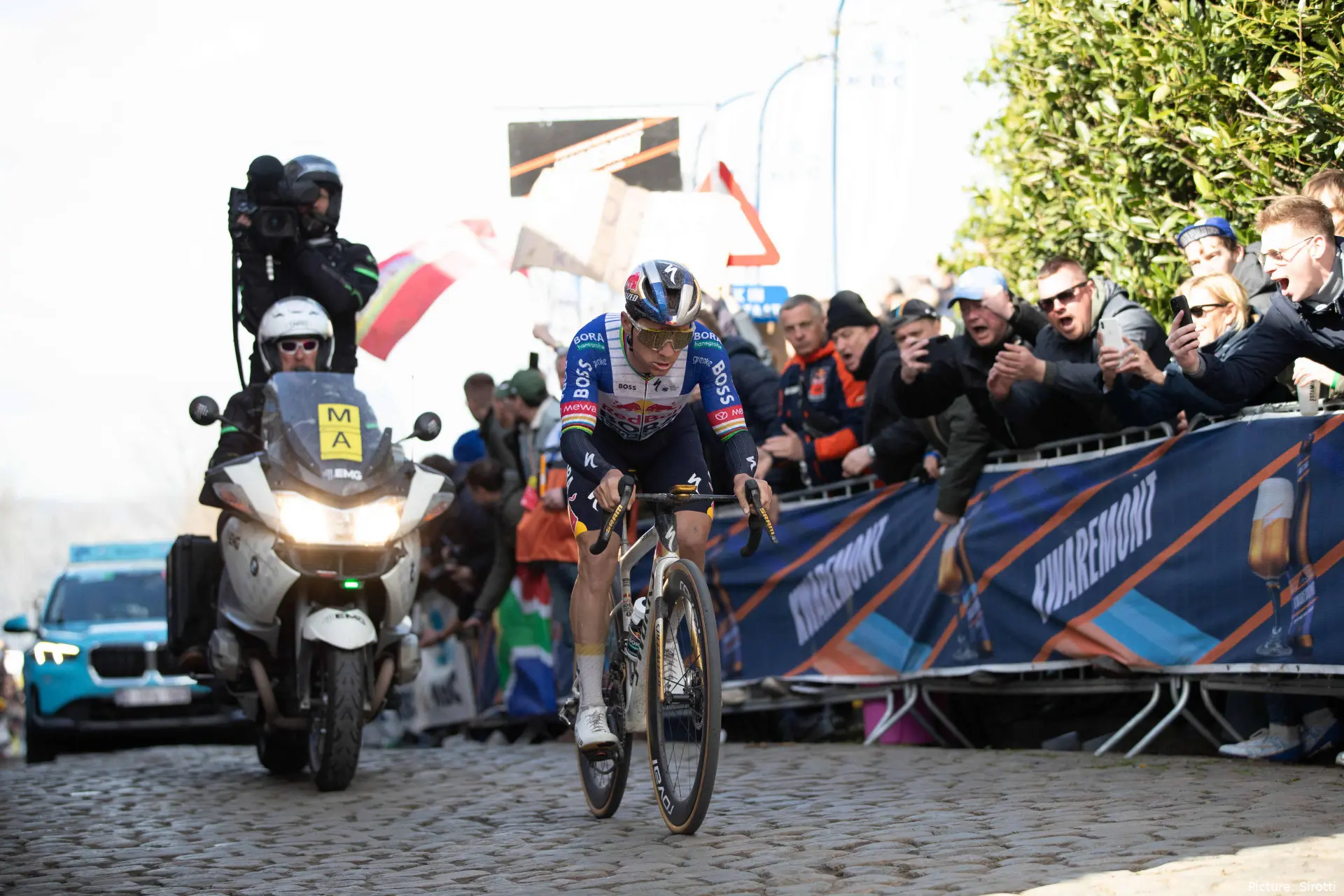
On the 19th of April the men's peloton takes on the first of three Ardennes classics. It is a one-day World Tour race and the most prestigious out of all that take place on Dutch territory. It is the Amstel Gold Race! We preview the race ahead, with it being expected to start and finish at 11:10 and 17:10 CET.
The race's first edition was in 1966 when Frenchman Jean Stablinski took the victory in the streets of Limburg. Only a few years later, Eddy Merckx would go on to take two wins. Jan Raas famously took five wins - almost all consecutive in the 70's and 80's, with none other than Bernard Hinault interrupting that streak. Joop Zoetemelk and Adrie van der Poel also won here for the Dutch, and of course the latter's son Mathieu took a memorable win back in 2019 that transcended fans of the sport.
It is a hilly race but one which was not always decided amongst the classics specialists, with Erik Zabel featuring amongst the winners list. However many big names were crowned here, with Philippe Gilbert being nicknamed the king of the Cauberg back when the climb was at the finale of the race. Nowadays it is more open, but the list of winners have, if anything, only become even more prestigious.
Wout Van Aert, Michal Kwiatkowski, Tadej Pogacar, Tom Pidcock and Mattias Skjelmose have taken the most recent wins. In 2025, the Dane took an astonishing win, beating Pogacar and Remco Evenepoel in a three-up race in what was the highlight of the Ardennes.

Profile: Maatricht - Berg en Terblijt

Maatricht - Berg en Terblijt, 257 kilometers
As always, a race of endurance. Taking place in the hilly area around Valkenburg, it's a race that doesn't feature a single long ascent, but instead dozens of small climbs. There will be over 3400 meters of climbing in what is the most gentle of the Ardennes, but it's a race for the classics specialists - both puncheurs and those who typically thrive in the cobbled classics as well.
257 kilometers on a menu. A test of endurance, a race that features small but repetitive climbs in Limburg to make for what is one of the most unique days of the season. It is the first of the three Ardennes classics, and the one that suits the most the rouleurs and riders who are coming straight from the cobbled classics campaign.
Climbs come thick and fast throughout the whole day, it is unlikely that serious action will come before the final hour though as it will be crucial to spend as little bullets as possible In order to have the legs towards the finale.
Gulperberg (47Km to go; 60mm at 6%), Kruisberg (42.5Km to go; 700m at 7.3%), Eyserbosweg (40Km to go; 1.1Km at 7.6%), Fromberg (36Km to go; 1.7Km at 3.8%) and the Keutenberg (31.5Km to go; 1.6Km at 5.2%) will set things up and may see some attacks. Both in anticipation of the Cauberg, but also as some of the main favourites may find the right timing to make a move. Every climb provides an opportunity, and in these 16 kilometers you’ll see a lot of action off the front as it’s very hard to control.
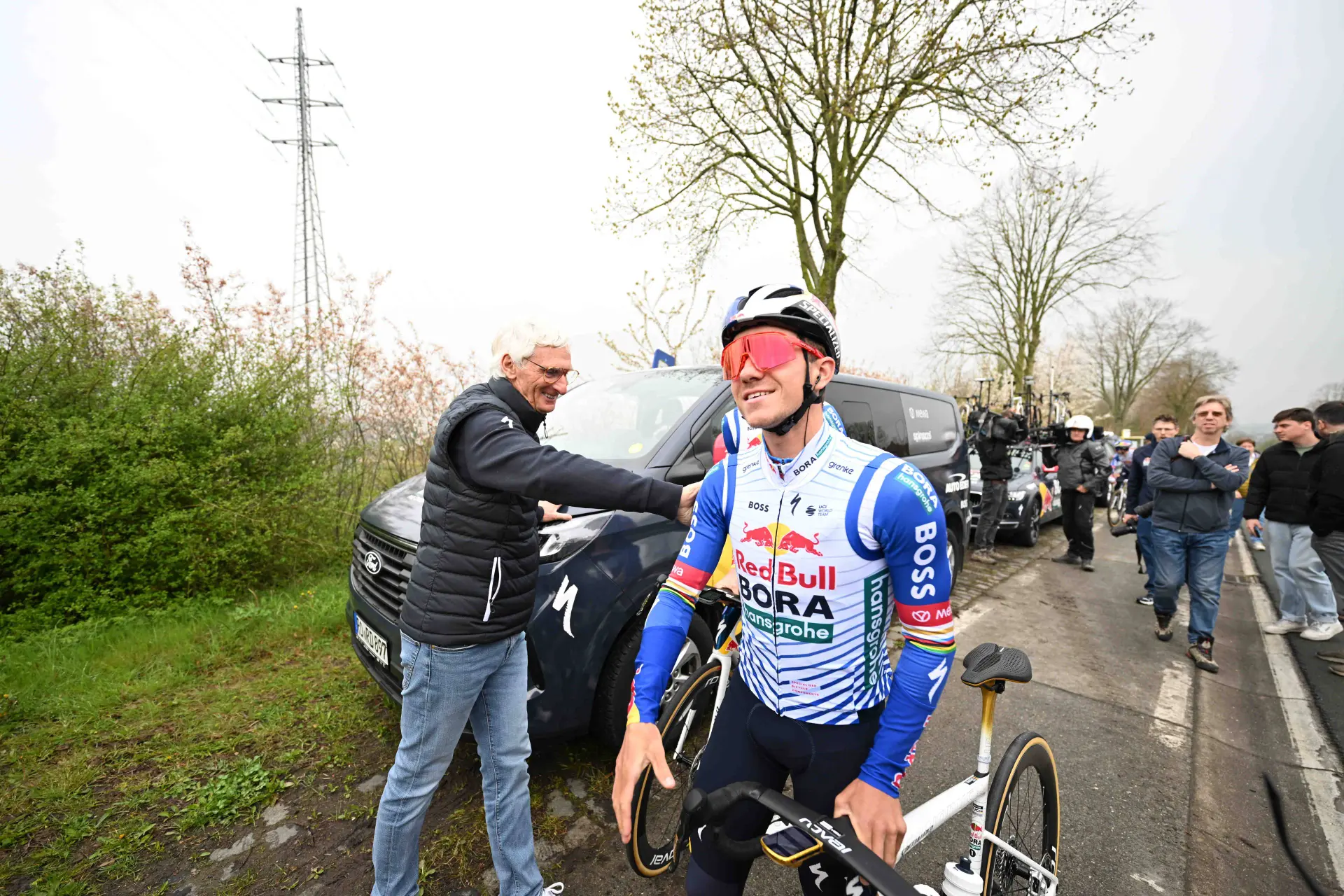
The Cauberg comes with 22 kilometers to go, it’s the climb that used to close off the race and this year it will once again be - however not on this lap. 800 meters at 6.5%, which then see a set of rolling roads where to make differences will be very complicated. The riders takckle the Geulhemmerberg (900 meters; 5.7%) with 17Km to go and then the Bemelerberg: Just 500 meters at 5.6% with 10 kilometers to go. It used to be the final climb, but now should be a transition moment once again.
This year the route returns to it's more traditional finale, still ending in Berg en Terblijt but right after the Cauberg. There will be a very fast descent leadingt into the climb which summits with 2 kilometers to go. The last chance for the climbers to make a difference, although the final stretch to the line does still provide the opportunity for moves if there is a group.
The Favourites
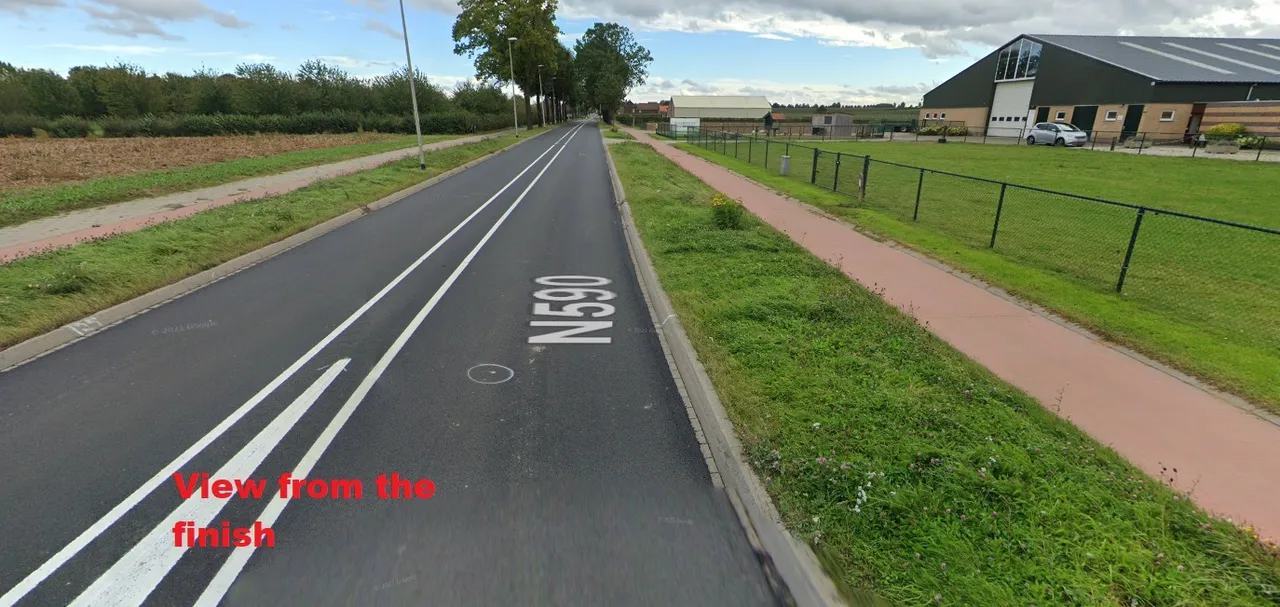
Remco Evenepoel - Amstel is not a race where one can easily dominate, but the main favourite also happens to be the most well adjusted man for a solo attack on rolling roads. Evenepoel was third in Flanders and his work bears no doubt that he was in his best form. If he is still in such form, he can make the difference and he can't get a gap at any point in the race. If he does, he will ride to a solo win, whilst Red Bull have a team focused on men who are good at positioning, not exactly one to destroy the peloton before he attacks.
Visma - Matteo Jorgenson may be the rider who is most likely to follow him on the climbs, I have that confidence in him and a Visma that will equally be focusing on positioning a lot. Ben Tulett provides another card whilst Christophe Laporte or Axel Zingle can be used if things come back to a sprint.
There are a few riders who would be hoping for a more closed race and an outcome similar to that of De Brabtanse Pijl. There, Anders Foldager won and provides Jayco with good reasons to go for a similar strategy, whilst INEOS (Dorian Godon), Pinarello (Quinten Hermans), NSN (Brady Gilmore) are teams that are also aiming for that and could even be good allies. Cofidis are a team to watch as Bryan Coquard but specially Alex Aranburu would also fit well in that scenario, but the lineup will also consist of the in-form Ion Izagirre and Dylan Teuns.
If not Jorgenson, then I believe Romain Grégoire may be the one who can match Remco Evenepoel on these explosive climbs and he will be a very dangerous rider, well capable of winning in these roads, leading Groupama.
UAE have Tim Wellens and Benoìt Cosnefroy in the lead; EF have Ben Healy and Alex Baudin; Lidl-Trek have the recently-ill defending champion Mattias Skjelmose and Quinn Simmons, Decathlon have Paul Lapeira and Jordan Labrosse; Tudor have Julian Alaphilippe and Marc Hirschi; Bahrain - Victorious have Pello Bilbao, Matej Mohoric and Edoardo Zambanini; Uno-X Mobility have Andreas Leknessund, Andreas Kron and Anthon Charmig; Astana have Clément Champoussin, Diego Ulissi, Simone Velasco...
It's a race that fits many riders, where being absent from the main crashes, splits, having good positioning and spending your energy at the right moment can make tall of the difference. Furthermore there are more contenders such as Kévin Vauquelin, Mauro Schmid, Tibor Del Grosso, Ilan van Wilder, Milan Lanhove, Mathieu Burgaudeau and Natnael Tesfatsion to add to the equation.

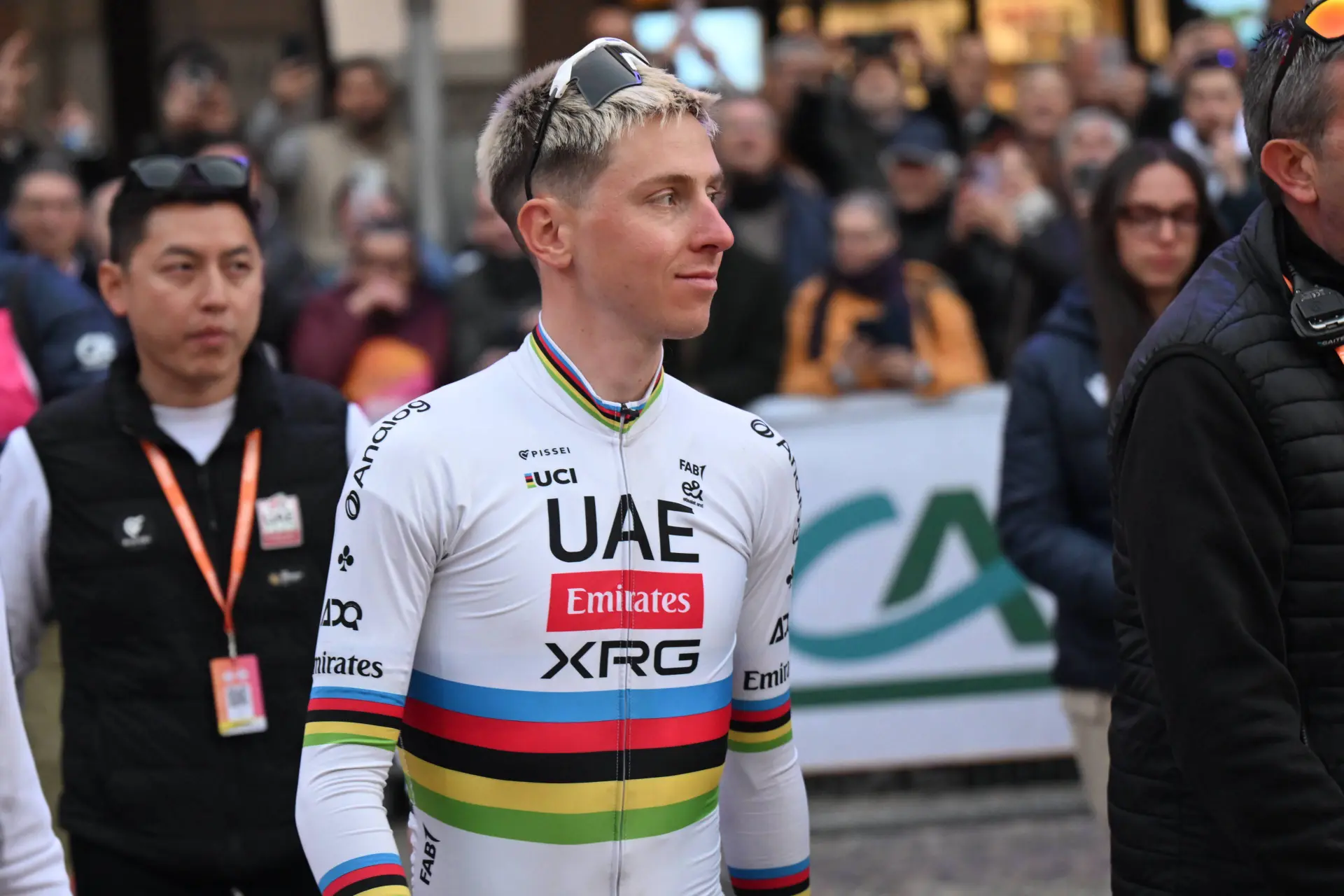
Remco Evenepoel at the 2026 Tour of Flanders
Prediction Amstel Gold Race 2026:
*** Remco Evenepoel, Romain Grégoire
** Matteo Jorgenson, Mauro Schmid, Kévin Vauquelin
* Christophe Laporte, Dorian Godon, Quinten Hermans, Alex Aranburu, Ion Izagirre, Paul Lapeira, Mattias Skjelmose, Quinn Simmons, Benoît Cosnefroy, Tim Wellens
Pick: Remco Evenepoel
How: Solo win
Original: Rúben Silva
Rúben SilvaEditor-in-Chief
A founding contributor to CyclingUpToDate since its launch in January 2022, Ruben Silva has played a central role in shaping the site’s editorial direction and long-term growth. Before joining the project, he built his experience through independent blogging at Echelons Hub and by producing race previews for Ciclismo Internacional, developing a strong analytical voice rooted in daily engagement with professional cycling.
Beyond editorial work, he has been closely involved in the expansion and coordination of CyclingUpToDate’s wider network, helping establish and support sister platforms across multiple languages. This includes ongoing collaboration with CiclismoAlDia (Spanish), CiclismoAtual (Portuguese), WielrennenUpToDate (Dutch), and RadsportAktuell (German), contributing to a shared editorial vision and consistent international coverage.
He also helps oversee editorial governance across the network, setting standards for accuracy and consistency and coordinating updates or corrections when needed.
Originally from the Porto metropolitan area in Portugal, he holds a bachelor’s degree in Geography. His path into cycling journalism was shaped not through formal media training, but through independent reporting, community engagement, and sustained on-the-ground involvement in the sport.
Over the course of his career, he has conducted approximately 100 interviews across road cycling and cyclocross, ranging from one-to-one conversations and online formats to press conferences and on-site pre- and post-race coverage. His interviews include leading riders, team managers, and prominent figures within cycling media: Tadej Pogacar, Jonas Vingegaard, Mathieu van der Poel, Primoz Roglic, Wout van Aert, Joao Almeida and Tom Pidcock; managers like Patrick Lefevere and Joxean Matxin; and YouTube personality Bryan Kennedy (BKXC)...
Within 18 months of launch, he helped grow CyclingUpToDate’s English-language platform into one of the most-read cycling news websites, built entirely from the ground up. As both a professional journalist and lifelong cycling enthusiast, his focus remains on delivering accurate, timely, and well-contextualized coverage.
claps 9visitors 7
Just in
Popular news
Latest comments
- Campenaerts looked like a rolling pumpkin with that all orange leaders skinsuit !frieders318-10-2026
- He can take his dumb a$$ politics somehwere else !frieders318-10-2026
- good to have her back. fingers crossed she‘ll be able to stay!Ketterechts17-10-2026
- A tenner and he wins the Tour next year, too 😂anonymouscyclist17-10-2026
- the answer is either stick to classics or GTs but not bothabstractengineer17-10-2026
- the exodus already stared with Ciccone. Already they were struggling with two sprinters, now there are three. Also Ganna will demand leadership. Gall is the most proven GC, Ayuso has the most potential. GC leadership for everybody will be impossible. Literally a UAE style mess without pogi.abstractengineer17-10-2026
- I raced as an amateur for 12 years, including six years on my country’s national road cycling team. I secured two national titles and competed in three World Championships plus more than 15 international stage races. At 23, we travelled to Italy for a training camp—or so I assumed. On a rest day, we watched a presentation about adopting a more “professional” training approach. It was crystal clear what “professional” meant. That moment first exposed me to this dilemma. After returning from Italy, I left cycling—at least at the competitive level I had known. Over the following two years, the whole team was caught doping. I hold that everyone is innocent until proven guilty. In my view, current stakeholders operate on a different scale, and the sums involved are vast. I am unsure whether any doping would ever be revealed. I try to stay positive and enjoy the show. My 2c.
 vannpelt17-10-2026
 - Fiver he wins 🤣
 leedorney17-10-2026
 - “…measures to reduce speeds.” Might as well shorten the race course to just 50km as well? ASO generates at minimum €300m a year and 30- 40% profit. Maybe stop being greedy and spend more of the profit to protect the riders instead.b3tlla17-10-2026
- he also had quite the life off the bike during his pro years. he used his celebrity status to full affect.mij17-10-2026
Loading
1 Comments