“Only one solution” – Vuelta organisers call upon Israel – Premier Tech to make decision following protests
Cycling
Stage 11 of the Vuelta a España should have been remembered
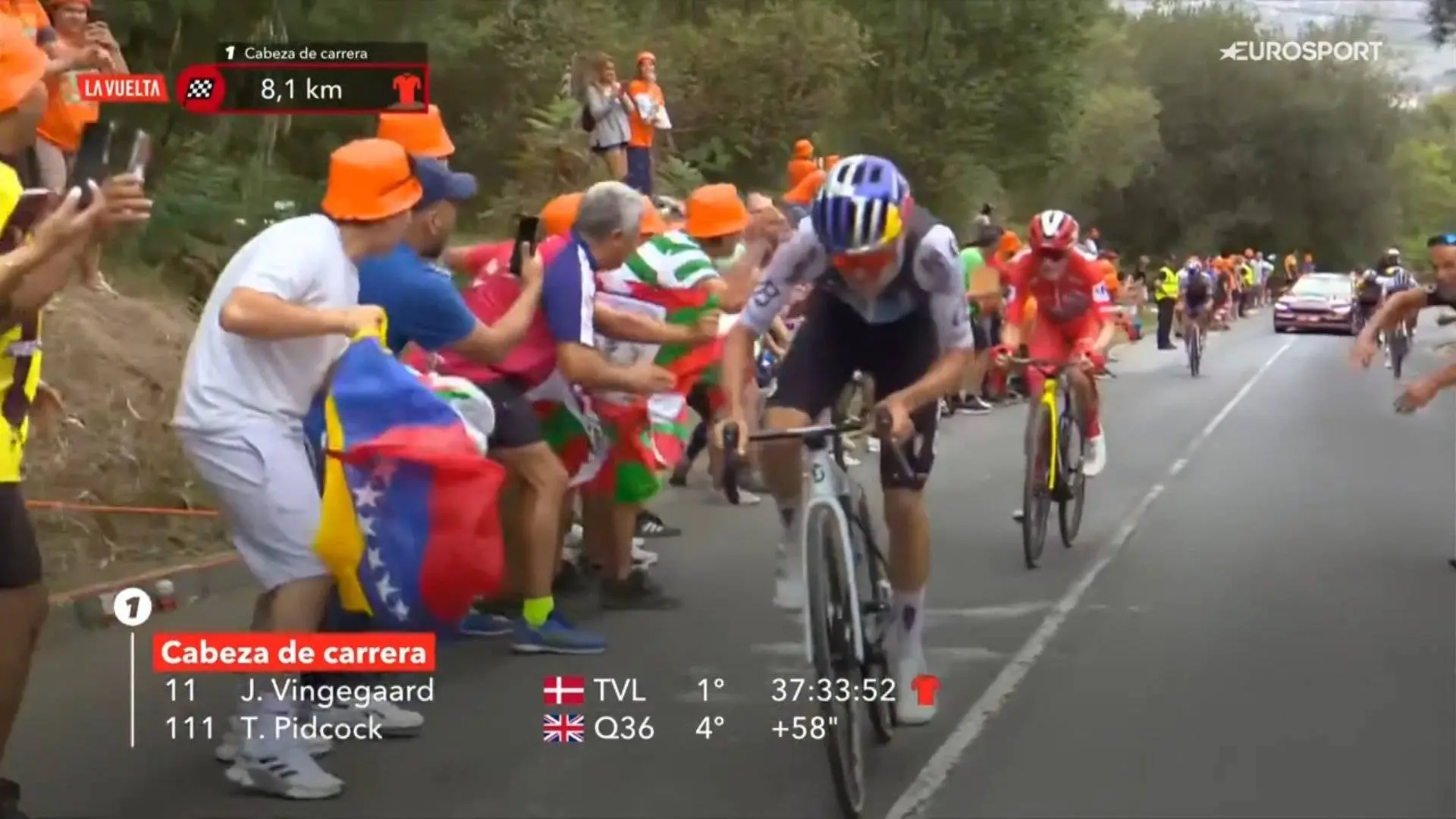
for Tom Pidcock’s strongest general classification performance to date. The
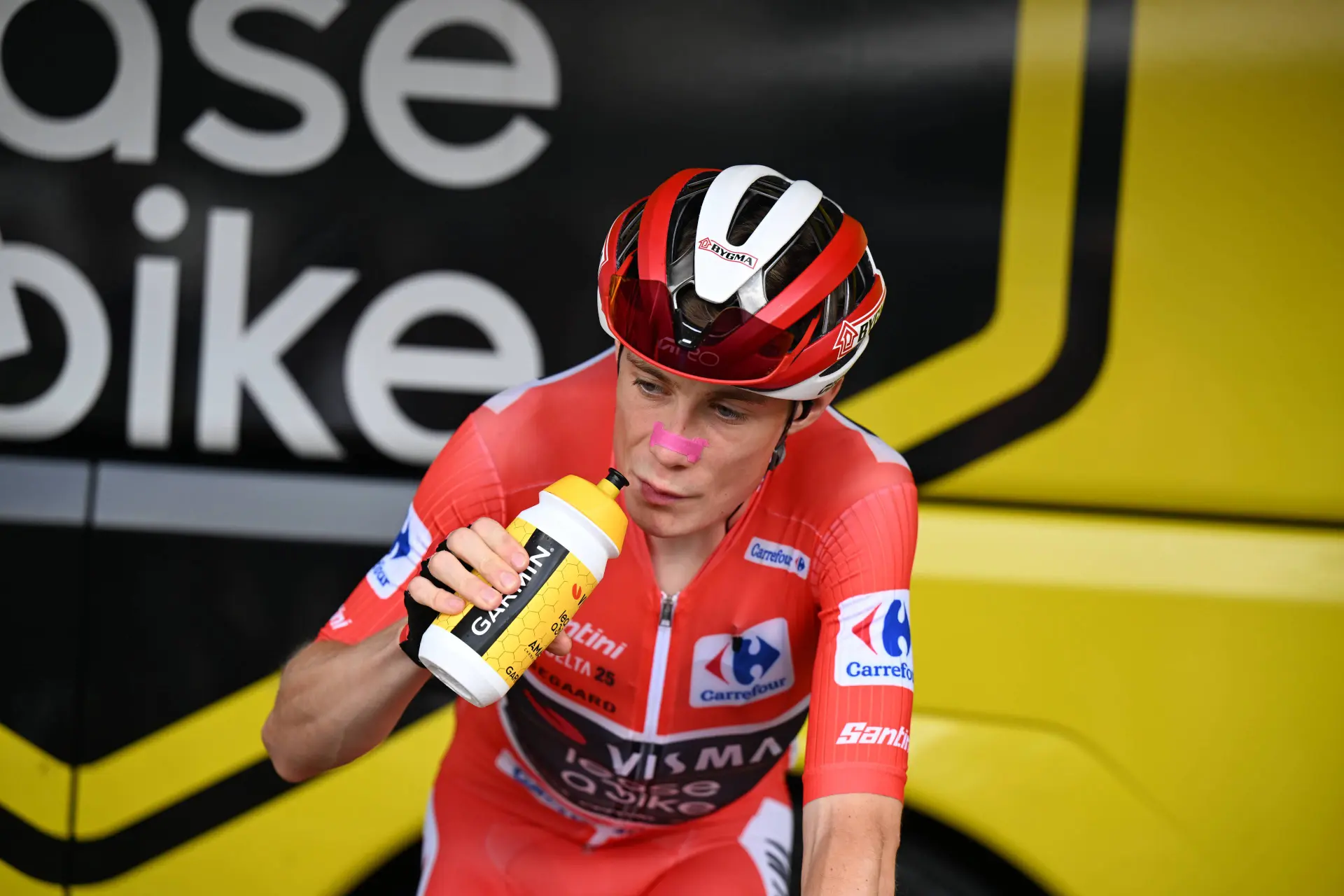
British rider distanced race leader Jonas Vingegaard twice in Bilbao, something
only Tadej Pogacar has been able to do for many years. Instead, the day ended
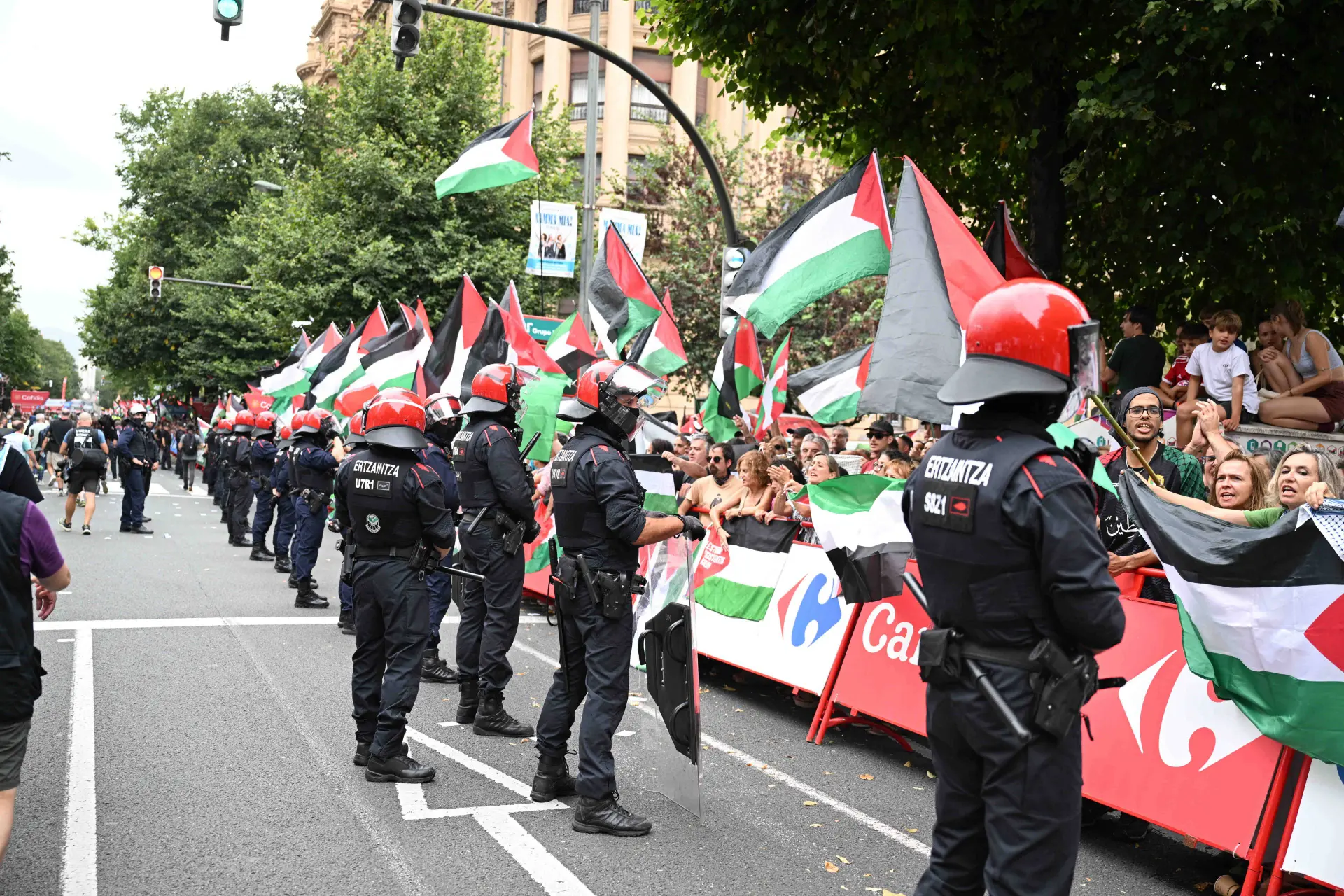
with distressing scenes that overshadowed the racing. Protestors flooded the
finishing straight, forcing the organisers to neutralise the results three
kilometers before the line.
The stage to Bilbao had already been tense, as unrest has
followed the Vuelta since its opening days. Pro-Palestine demonstrators have
targeted the race because of the participation of Israel - Premier Tech, who
are sponsored by Israel. International human rights organizations, including
Amnesty International, have accused Israel of genocide in Gaza, making the
team’s presence in a Grand Tour a lightning rod for anger. Protestors have
repeatedly blocked roads and even positioned themselves in front of the
peloton, creating an atmosphere of uncertainty for riders and fans alike.
At the finish in Bilbao, the fears escalated. A large number
of demonstrators gathered before and after the line, raising serious concerns
that barriers could be crossed as the peloton arrived. With safety under
threat, race officials opted to neutralise the results at the three-kilometre
mark. It was a decision that denied Pidcock the chance to take a stage win,
despite his superb ride.
Technical director Kiko García made clear afterward that the
organizers’ hands are tied. Speaking to Carrusel Deportivo, he said, “There is
only one solution: for the Israeli team to recognize that their presence here
does not promote safety.” He stressed that the organizers have no authority to
expel a UCI-registered team.
“I think we made the best decision,” García told AS.
“I surveyed the teams, and that's how I felt. Now I just want to catch my
breath. The situation will essentially remain as it is, unless the regulations
change. We, as organizers, are obligated to fight for the riders' safety, and
the show must go on. Ultimately, they (the UCI) will have to decide whether
they need to protect an international race like the Vuelta or a team. We can
only do our job.”
García also revealed he had been in discussions with
Israel-Premier Tech leadership. “I spoke with the team manager (of Israel)
until the early hours last night to see if they themselves noticed the pressure
was mounting. I won't say what their perspective is, but there's only one
solution. We can't accept it, but temporarily, and with everyone's safety as a
priority, there's only one solution: for the Israeli team to realize that being
here isn't advancing everyone's safety.”
Despite further demonstrations planned later in the week,
Stage 11 marked the most visible and disruptive protest yet. With the finishing
straight in Bilbao blocked by a crowd of demonstrators, the balance between
sport and politics could not have been clearer. Organisers face the difficult
task of safeguarding the riders, but García has left no doubt: the conflict
around Israel-Premier Tech has become the defining issue of this year’s Vuelta.

Fin MajorCycling Journalist
Fin Major is a UK-based writer at CyclingUpToDate and has been part of the team since 2024. He is the site’s main writer for FAQs and evergreen explainers and has written around 2,000 pieces for the platform. Alongside this work, he focuses on in-depth analysis and covers the biggest races on the calendar, including the Tour de France, the Giro d’Italia, and La Vuelta a España, providing clear context around performance trends, tactics, and key storylines.
In his reporting, Fin uses reputable data sources such as ProCyclingStats for results, statistics, and historical context. He places strong emphasis on careful sourcing, editorial accuracy, and updating articles promptly when new, verified information becomes available. Outside of writing, Fin is an active cyclist, which supports his practical understanding of the sport and its demands.
claps 13visitors 13
Just in

Popular news
Latest comments
- He’s already had months off racing, so he’s probably ready to get back to business.wrsty20-10-2026
- CyclingUpToDate - can't not do a headline about Tadej Pogacar
 leedorney20-10-2026
 - that is why I used the word "hope" lolmij20-10-2026
- I didn't see it so I can't comment, but I'll take your word for it, and your stats.mij20-10-2026
- disrespectful thats a joke ...
 Davide20-10-2026
 - EF’s “island of misfit toys” squad is probably one of my favorites in the peloton. They are fun to watch, always trying stuff - they ride with heart and panache, and their kits are excellent.wrsty20-10-2026
- 'Children these days'... Wout, since the caveman learned to say "Ug", older generations have always said this about younger generations. Not every young rider is a cowboy. So what's to say that the fact that Poels was respectful meant that his peers were equally so?
 Rafionain-Glas19-10-2026
 - "...In a weakened field" Most definitely ! YAWN !frieders319-10-2026
- Noted. But I had to appease his fans.MajorPayne19-10-2026
- I wonder if he'll race Challenge MallorcaRafionain-Glas19-10-2026
Loading