"Once Pogacar is away from the men you know what's going to happen anyway" - Demi Vollering argues 'women's sport deserves so much more' in terms of broadcast
CyclingMonday, 27 April 2026 at 11:00
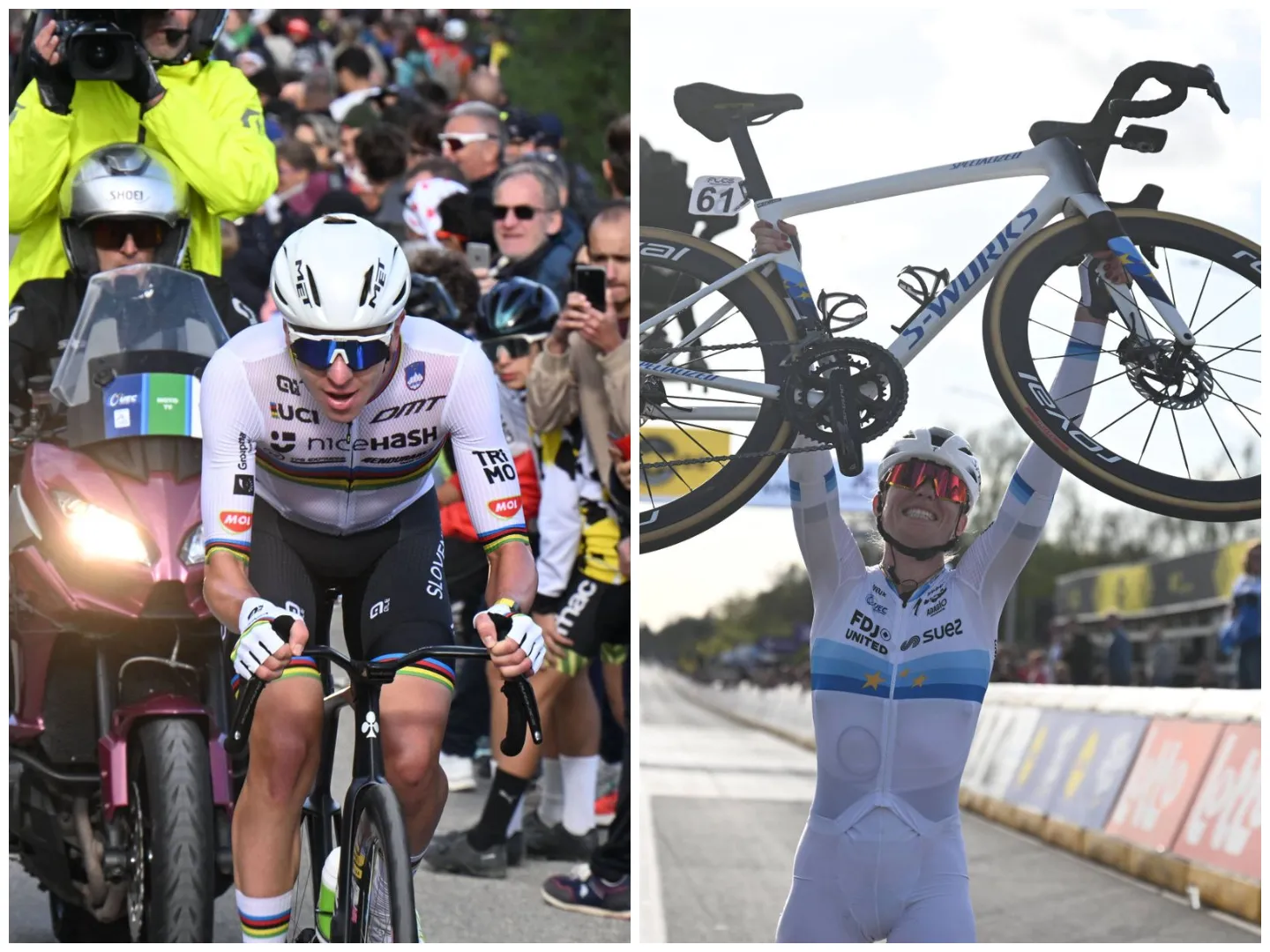
Women's cycling is reaching bigger numbers and followers than ever but it often continues to be clouded by the race's broadcasting limits. As has been the case with other major events, this year's Liège-Bastogne-Liège Femmes finished after the men's race, limiting the amount of action on screens. Demi Vollering has argued strongly against this after her win at La Doyenne.
"Women's sport deserves so much more. When I started dreaming of this race, there was no Liège-Bastogne-Liège for women yet. Today is a reminder of how far we have come, but at the same time, also of how far we still have to go," the Dutchwoman said to De Telegraaf.
Vollering is one of the riders leading the sport forward, having net a personal sponsorship with Nike and reportedly having a salary of around €1 million euros per season. After what she had achieved at Team SD Worx - ProTime; FDJ United - Suez offered her a massive contract to bring big wins and the Tour de France Femmes back to a French team.
With the results she has been achieving this spring, including wins at Omloop het Nieuwsblad, Tour of Flanders and now Liège; she looks to be in a good position to strike during the summer, backed up by a team who has had Elise Chabbey and Franziska Koch also take stand-out wins.
From a position of power, Vollering uses her voice to speak up on what she believes is an issue however. “Speaking out and continuing to speak out is something I can do. Apparently, it is still necessary. I am simply repeating what I hear from many people. The fans want more, and it is important to keep speaking out about it.”
Is women's cycling more exciting than men's?
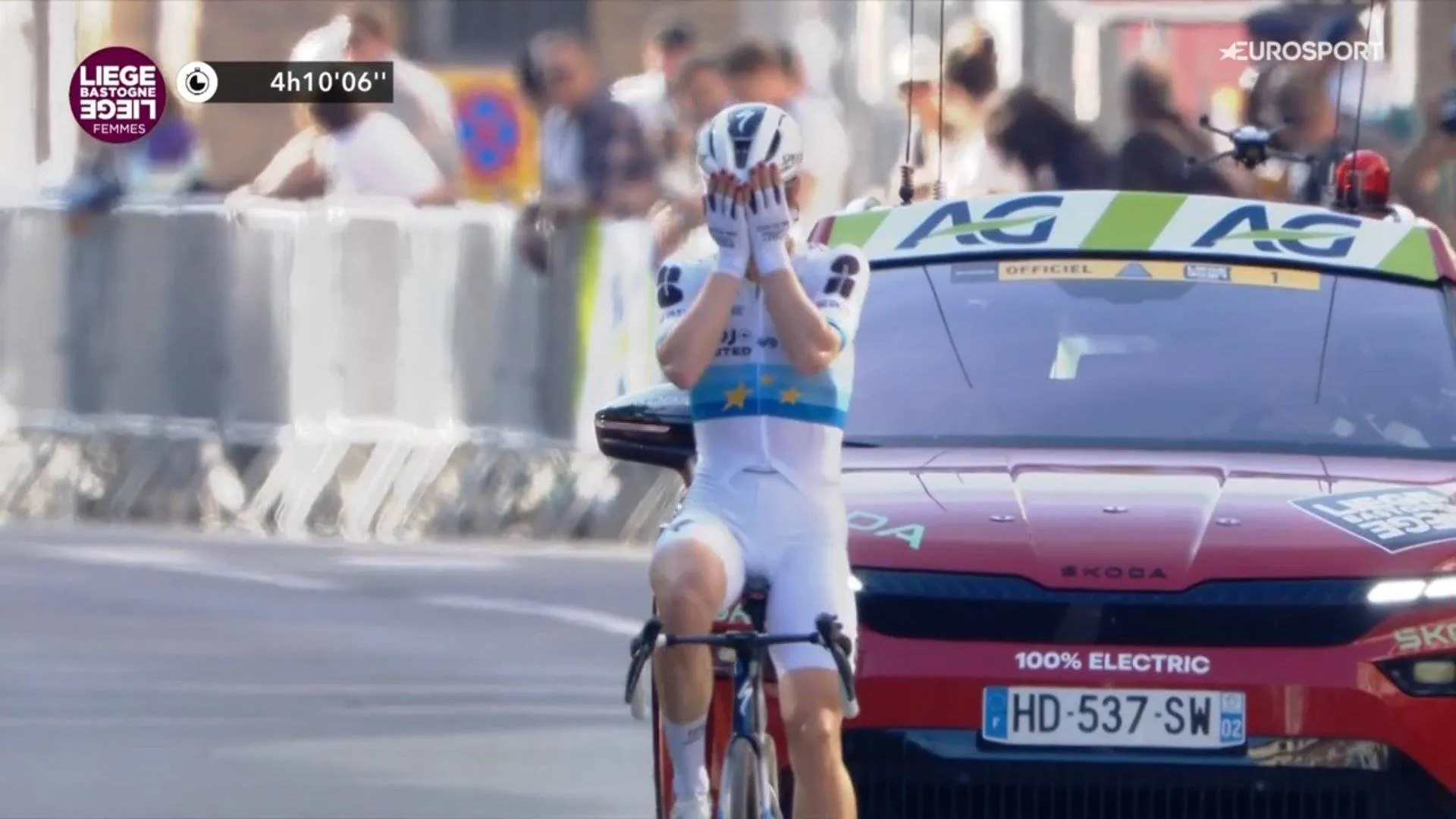
Sunday's race featured a lot of action right from the start, with the main teams marking each other. Her teammate and Strade Bianche Donne winner Elise Chabbey was part of an offensive move early on with several big names; and the race in itself was decided early on with Vollering launching the winning move on the Côte de la Redoute with 34 kilometers to go.
"I don't know if my attack on La Redoute was visible live. And even then. So much had already happened before that. Today's race has been so exciting, but it wasn't visible on television," she added. "I think we need to keep fighting for more."
Whilst in some of the main one-day races the two events used to take place on separate days, it is a large financial and logistical effort to make it happen in such way. More and more, organizers are resorting to running both races on the same day, with the women's being the latter.
“We used to start here very early, but back then the broadcast lasted longer. Now we finish after the men, but the broadcast is shorter. Yet it shouldn't be difficult. Use two shots and alternate a bit between the two," she argues.
"Once Pogacar is away from the men you know what's going to happen anyway...”
Read also
claps 5visitors 5
Just in
Popular news
Latest comments
- > Tadej Pogacar puts family first (...) Family second rather, first was Tour de Suisse. If something goes first you put other things aside.averagecyclist22-06-2026
- What surprises me more is that Roglic's level is supposed to be above Carapaz. At least, he was before he left Visma. Has any ex-Visma rider performed better after leaving the team?
 KerisVroom22-06-2026
 - Same level as Vin really how many TDF has be won or even a grand tour. Typical French thinking back to Bernard Hinault days That waa 1985 yes 1985 for the younger readers when France won a grand tour Please do not mention Jalabert as a doper so Vuelta is nil and void🤣🤣🤣paultryan200222-06-2026
- Why are you a Pogi hater? What did Pogi do to you? Nothing!!! You just hate him because he's beating everyone. Ad acta!!!mus-musculuspeedypogigonzales22-06-2026
- You would expect that this is an issue between Alpecin and van de Poel. They will miss a chance to show their name, if he does it everytime they will surely protest, unless he gets fined by the UCI and create some additional headlinesJoostMehrtens22-06-2026
- Kasia Niewiedoma said she rode the final Suisse stage with exactly that aim, to prepare for the Tour, even though in her case she could not win the stage. But hopefully there won't be such a heatwave during the Tour! It really cannot be healthy.Hills3322-06-2026
- This race wasn't available to watch in Australia but I'm glad I didn't waste five days on it to be honest. After that first day it was just going to be a long boring ride to the inevitable. I mean, cool - Pog won, "again" - but jeez - not much suspense for the overall.antipodeanpedalfan22-06-2026
- LOL! Did you watch? The race with Tadej? Was it boring? LOL!MajorPayne22-06-2026
- can you read? literally both stories are online, straight from the riders. and on the VLB website and social media. Wout said he crashed and the infection happened on the TT stage. it is discussed in pretty great detail, like every single aspect of their lives. I went to EMT school for military service, and one of the basics is looking for infection. how on earth the team didn’t see an infection coming on is insanity. it is a simple visual inspection to start with. if someone was injured on a ship, every single day we looked for infection. this infection is not acute in that it occurs immediately. it should have been seen coming on. these cyclists have all the support needed and somehow 2 riders in 2 different years got such bad infections that they needed surgery. that is whacked out. somehow you’re full of questions only but add nothing from a knowledge base. and yes statistically this is also crazy. and BTW, the medical community relies 100% on statistics to drive patient care, decide on outcomes and treatments. stats are the primary driver to a doctor.mij22-06-2026
- All that means is 'clown' in English !frieders322-06-2026
Loading
9 Comments