OFFICIAL: Jonathan Milan out of Milano-Sanremo through illness as key sprint threat disappears
Cycling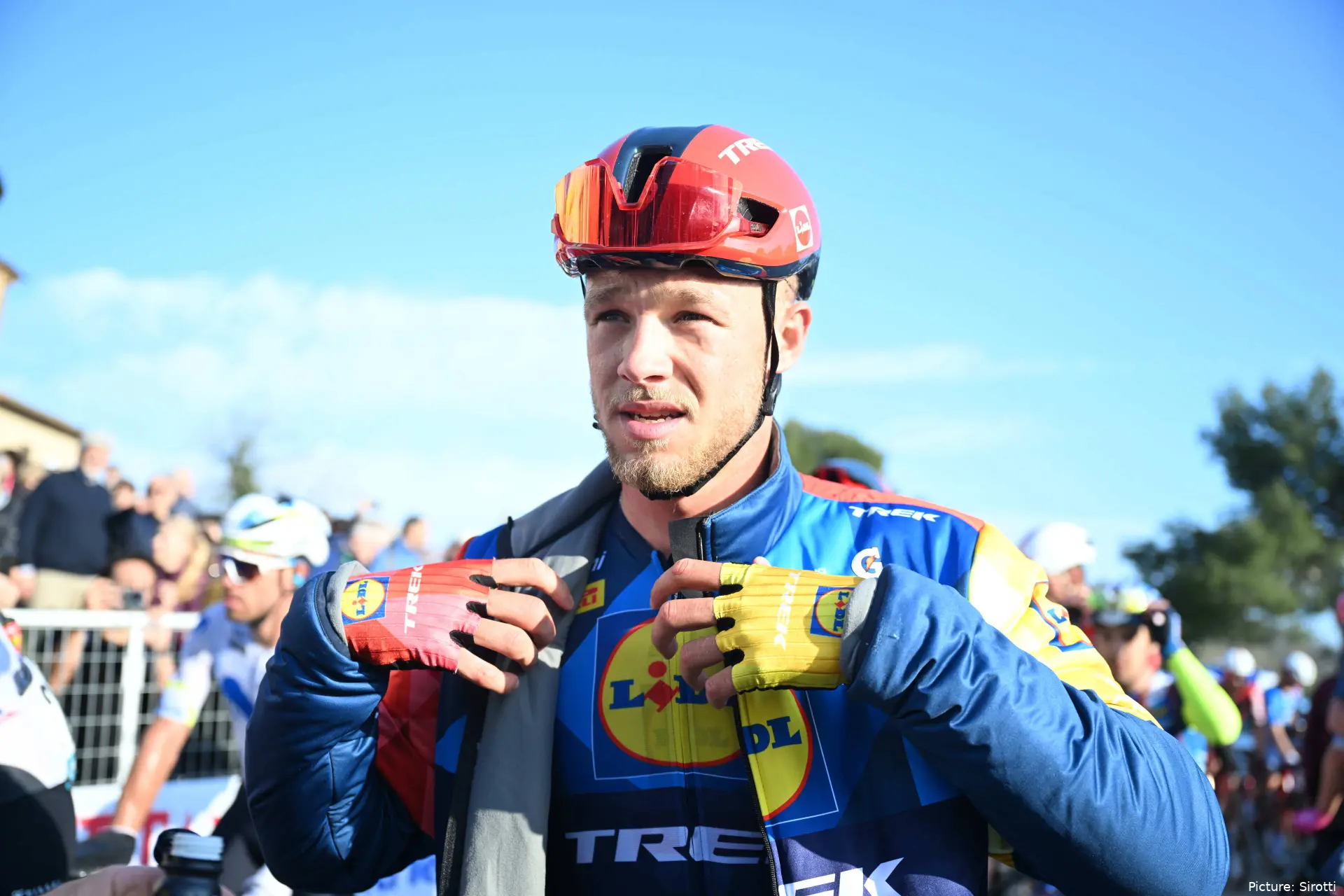
Lidl-Trek will be without one of their most important weapons at Milano-Sanremo 2026, with Jonathan Milan ruled out of Saturday’s Monument through illness.
The team confirmed the late change in schedule, announcing that the Italian sprinter will miss the race as he recovers. The official Milano-Sanremo account responded with a message of support, wishing Milan a speedy recovery and noting he “will be missed”.
A key option removed from the Sanremo equation
Milan’s absence is not just a blow for Lidl-Trek, but one that subtly reshapes the tactical landscape of the race.
The Italian has emerged as one of the few sprinters capable of surviving a harder edition of Milano-Sanremo, with the power to stay in contention deep into the finale before delivering a decisive sprint. That profile made him a genuine contender in scenarios where the race is thinned out on the Cipressa or Poggio, but not completely broken apart.
Without Milan, the pool of riders capable of capitalising on a reduced sprint becomes noticeably smaller.
What it means for the race
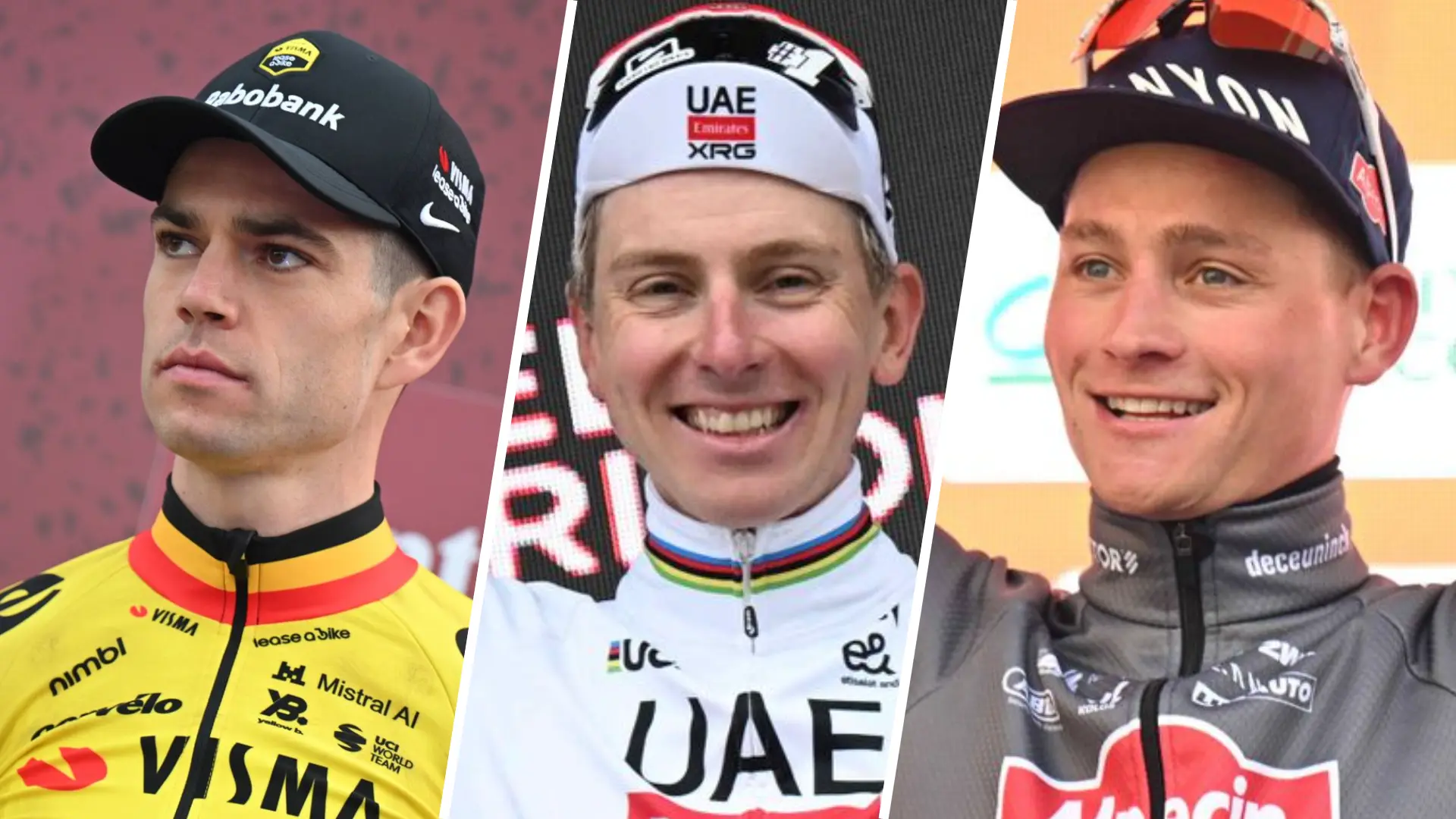
In recent years, the race has increasingly been shaped by aggressive racing from riders such as Tadej Pogacar and Mathieu van der Poel, raising the intensity long before the finish.
Milan represented a rare threat in that context. If he could survive those accelerations, he would have been among the fastest riders left in contention on the Via Roma.
His withdrawal therefore, removes one of the key figures who could have benefited from a hard but not decisive race, a scenario that often sits at the centre of the modern Milano-Sanremo dynamic.
Lidl-Trek lose a clear option
For Lidl-Trek, the impact is also tactical. Without Milan, the team lose a defined sprint leader for the finale, reducing their options in how they approach the race. The absence of a clear finishing card may also influence how aggressively they commit to positioning and chasing in the closing kilometres.
While the headline battle remains centred on the sport’s biggest names, Milan’s absence quietly removes one of the more intriguing variables from the equation.
At a race often decided by the finest of margins, that shift could yet prove significant.

Kieran WoodDeputy Editor-in-Chief
Kieran Wood is a sports journalist based in Wales and has been active in journalism since 2022. He regularly contributes to DartsNews.com and CyclingUpToDate.com, where he covers professional cycling and darts. In cycling, his work includes liveblogs from major races, including the Tour de France, the Giro d’Italia, and La Vuelta a España, alongside race reports and analysis. He has also conducted interviews with professional riders.
His reporting spans the full racing calendar, from one-day classics to stage races, with a focus on accurate, real-time coverage and clear contextual analysis. For statistics, results, and historical context, he regularly uses resources such as ProCyclingStats. To support reporting on rider activity and training context where relevant, he also references Strava.
In his work, Kieran places strong emphasis on careful sourcing, editorial accuracy, and updating articles as new, verified information becomes available.
claps 0visitors 0
Just in
Popular news
Latest comments
- Of course not. That said, had my speculation and opinion been true, I'm not sure Tadej could have beaten him last Saturday. But with his experience he may have been able to. Tadej is nearing thirty and will start to slow down as compared to the young guns like Paul in a few years.awp14-10-2026
- Well said @RideHills 👏🏼anonymouscyclist14-10-2026
- OMG!!! As I wrote in the post below the other article, Paul is incredibly good, but he isn't quite at Tadej's level yet.MajorPayne14-10-2026
- The season is over, so there has to be something to write about. No one disputes that Paul is a top-tier young cyclist. But in the absence of other news, comparing him to Tadej is utter nonsense. He still has a lot of developing to do before he can win Grand Tours or Monuments that Tadej also competes in.MajorPayne14-10-2026
- It is easy to celebrate those who won the grand tours and the monuments. and the world championships. What I notice more are the ones who were at the world tour and kept going on the pro tour level for that little bit longer, still wanting to ride after their bodies had aged, after their teams no longer needed them. It is good to see the domestiques. as well. Congratulations to all these folks on an impressive career, no matter the wins. Cycling is a team sport, and it’s the ones we don’t see much of that allow the leaders to stand out and win the accolades.RidesHills14-10-2026
- Biestrebos is a real sprinting talent. Initially it was thought that he'd be a classics domestíque but his sprinting has improved dramatically over the course of the year. He's the only thing going well with Picnic now and for that reason it is likely that he'll leave
 Rafionain-Glas14-10-2026
 - well this one definitely makes my STUPIDEST ARTICLES OF 2026 list. chapeau…OCexile14-10-2026
- Cyclocross is nothing without stars like MVDP, WVA, Pidcock... etc. Out of all cycling disciplines, road racing is the most popular discipline in professional cycling, especially in terms of global prestige, major-event audiences, and the historical status of its greatest riders. People that don't follow cycling as a sport have heard of Merckx, Hinault, Pantani, Armstrong, Remco, Vingegaard, MvDP, Van Aert, Pogačar etc. So if we're talking about professional cycling and the sport's most famous athletes, road racing is the clear number one. Road cycling's greatest champions are judged across such a wide scale. E.g. - Pogačar can win the Tour de France and then go after Paris–Roubaix and other prestigious one day races. These races also have a wide range of versatility: cobbles, gravel, punchy, hilly, TT. This versatility is a huge part of why road racing is No.1 in cycling. Maybe Sven Nys is a dutch cycling "legend"... but that's where it starts and ends. Ad acta.PogiSloFans14-10-2026
- “at some point those guys will turn their backs on OUR sport”? after dedicating so much of their lives to cyclocross and in mathieu’s case winning more world championships than anyone, it would seem to me like they’ve earned the right for it to be always be THEIR sport, too, even after they retire from it.OCexile14-10-2026
- It takes two to tango. Riders also have a say. Maybe they didn't see any opportunities on a stacked team such as Visma's? Who knows, but could be a multitude of reasons why deals fall through.Pogboom14-10-2026
Loading

‼️ Change in rider schedule - Jonathan Milan forced to skip #MilanoSanremo due to illness 🤧❤️🩹 Join us in wishing Jonny a speedy recovery! 🙏

Write a comment