“Neither will want to play second fiddle”: Vincenzo Nibali warns of UAE leadership clash between Juan Ayuso and João Almeida at La Vuelta
Cycling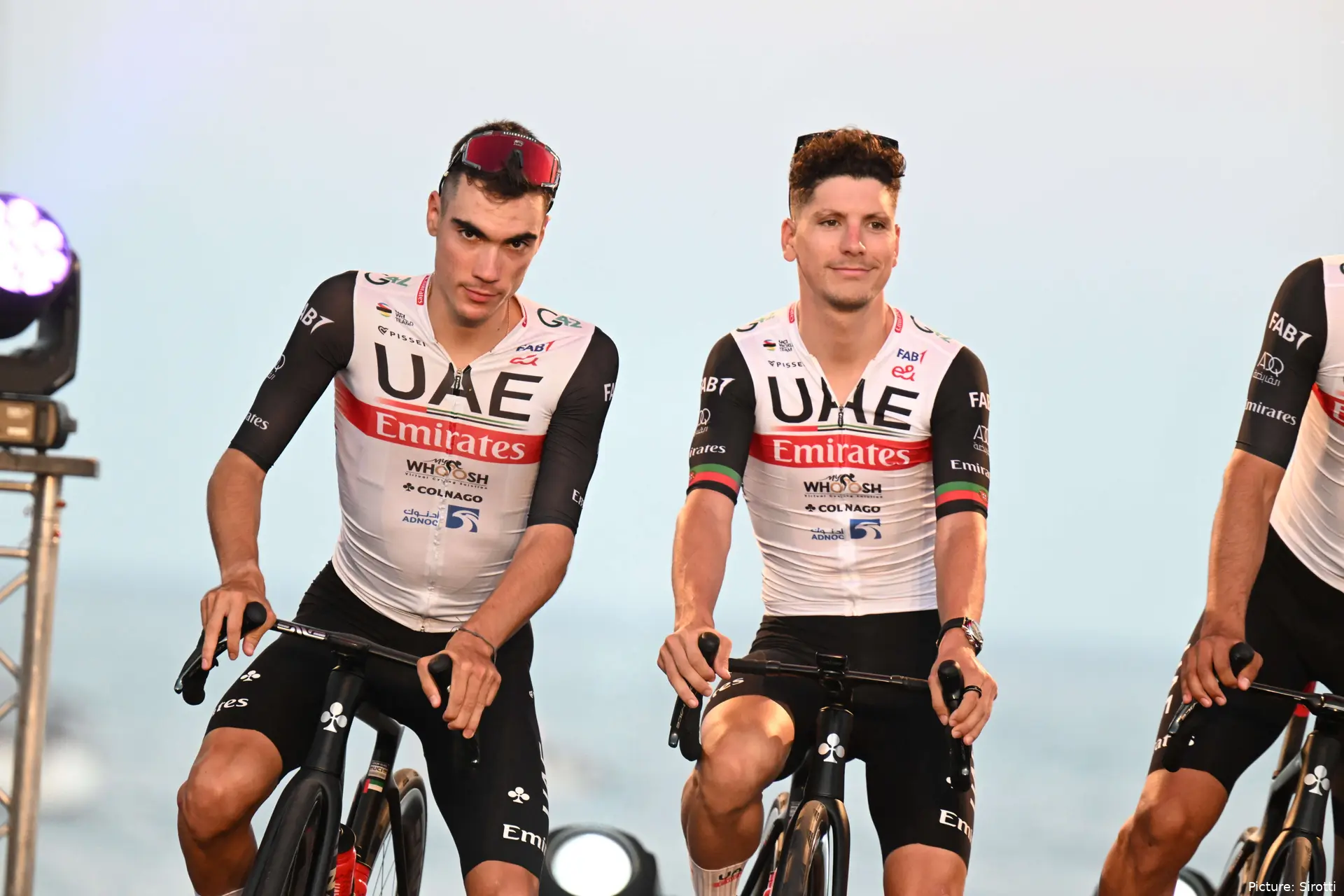
As the 80th edition of the Vuelta a Espana prepares to roll out from Turin this Saturday, few riders understand the unpredictable nature of Spain’s Grand Tour better than Vincenzo Nibali. The Shark of Messina — winner of the Vuelta in 2010 and one of just seven riders in history to have conquered all three Grand Tours — knows that the Vuelta is often as much a mental battle as it is a physical one.
And for UAE Team Emirates, the mental dynamics could be the biggest hurdle of all. “They’ll both want to lead. Neither of them will want to play second fiddle,” says Nibali, speaking of the team’s decision to field Juan Ayuso and João Almeida as joint leaders in conversation with Bici.Pro. “It’ll be up to the road to decide, of course, but once that happens, the one who’s slightly off the pace has to be mature enough to support the other. That’s not always easy, as we saw at the Giro this year.”
It’s a familiar conundrum: the duel-leadership gamble. In theory, it provides flexibility and firepower. In practice, it often leads to tactical hesitations, divided loyalties, and missed opportunities. And as Nibali points out, the Vuelta — with its less predictable race patterns and looser tactical control — is an environment where those complications can spiral quickly.
“What we saw on the Strade Bianche-style stage between Del Toro and Ayuso at the Giro was borderline, in my opinion,” he reflects. “But at the same time, we on the outside never really know what’s going on inside the team bus — whether it’s genuine friction or just natural competition.”
A Young Star and a Calculating Climber
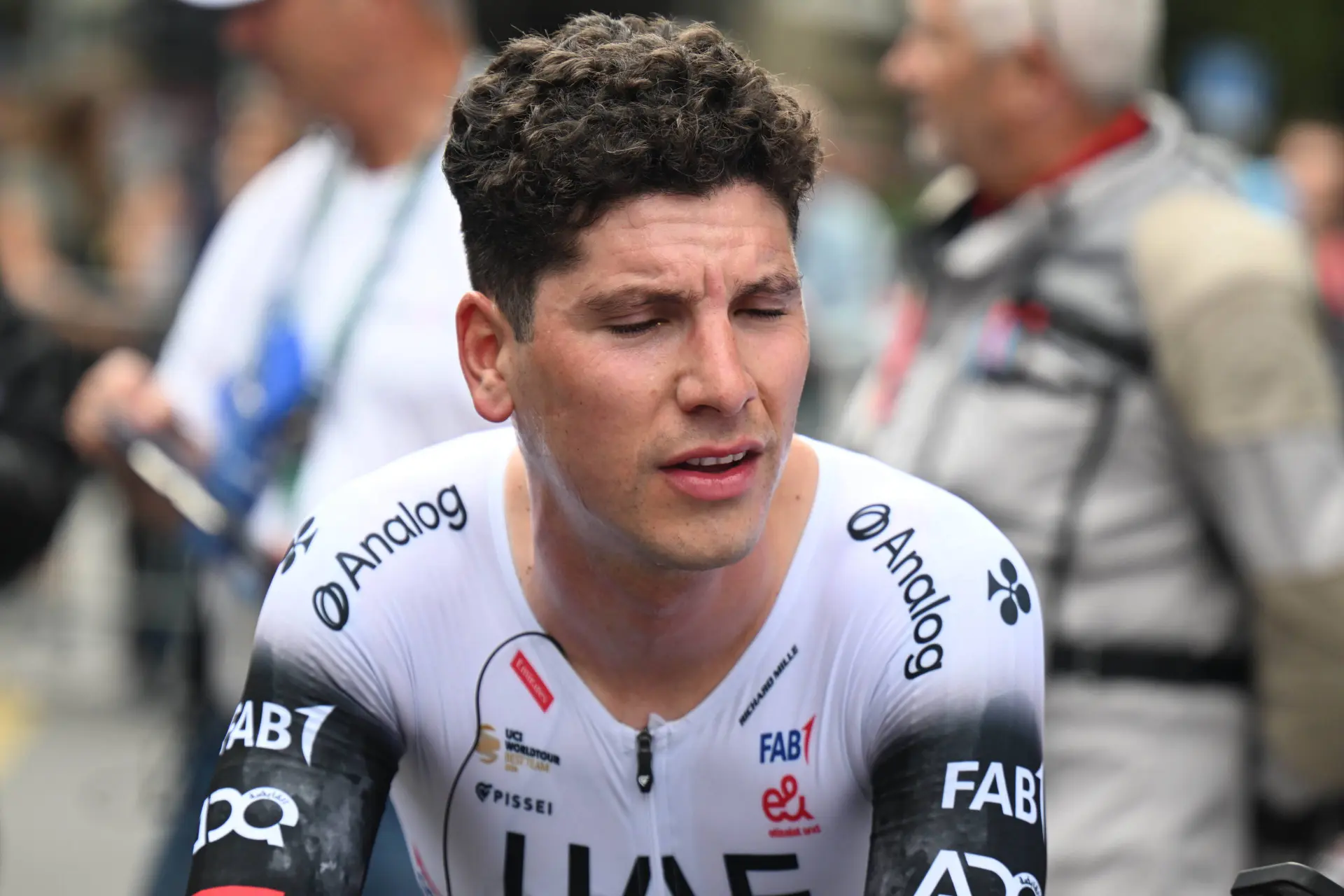
Ayuso, still just 22, is widely regarded as one of Spain’s next great hopes. His 3rd place overall in the 2022 Vuelta, as a teenager, made that clear. Almeida, meanwhile, is the tactically astute diesel engine — less flashy but quietly relentless, with a podium at the Giro and consistent top-ten finishes across Grand Tours.
“They’re both strong, no doubt,” Nibali says. “But this kind of race, with all its chaos and unpredictability, takes patience. Ayuso is still young. He has to stay calm. A Grand Tour isn’t won in one day — it’s a three-week test of resilience.”
With Jonas Vingegaard returning from a dominant Tour de France campaign and a Team Visma | Lease a Bike team dedicated entirely to his bid for the triple crown, UAE’s margin for error is minimal. Nibali believes that how the Emirati squad manages this internal balance could well define their Vuelta.

Nibali himself is a former Vuelta champion
A Race That Resists Control
The Vuelta, unlike its more structured cousins in France and Italy, has long been a theatre of chaos. It’s where redemption arcs begin, contracts are earned or saved, and unknowns sometimes become legends. It’s also the Grand Tour that least rewards over-planning. “It’s much harder to interpret than the Giro or Tour,” Nibali says. “There’s less control in the peloton. The race is nervous. There are ambushes, big breakaways, and unexpected turnarounds.”
Part of that, he explains, is structural: some riders arrive on form, others come undercooked or over-raced. Some are chasing GC dreams, others are hunting stages to prove a point or secure a contract. “The fatigue of the full season weighs heavily on everyone,” Nibali notes. “And that shows.”
The Terrain That Breaks Rhythm
Another wildcard lies in the terrain itself. Spanish climbs are deceptive — not as long as the Alpine monsters of the Giro or Tour, but often more brutal in gradient. And nowhere is that more evident than on the Bola del Mundo, the stage 20 summit finish and potentially decisive battlefield.
“I remember it well from 2010,” Nibali says, recalling his Vuelta-winning ride. “The first part is manageable, wide road. But then it turns right, and the final three or four kilometres are on narrow concrete ramps, with gradients up to 20%. It’s maybe not as brutal as the Angliru — but it’s close.”
The Bola isn’t the only trap. The Vuelta features a relentless barrage of short, sharp climbs, often late in stages, which make it a race of repeated accelerations — less about wattage consistency and more about explosiveness. “It suits riders like Ciccone, for example,” Nibali notes. “He’s shown he’s in great form with that win in San Sebastián. This type of race is perfect for him.”

Giulio Ciccone is widely seen as Italy's best chance at Vuelta GC success
Italy’s Hopes: Ciccone, Caruso, and Ganna
Italian hopes this year rest largely on three names: Ciccone, Damiano Caruso, and Filippo Ganna. Caruso, ever the reliable engine, has trained in the high mountains in the lead-up to the race. “He’s in good shape,” says Nibali. “Whether he’ll aim for GC or stages, we’ll see — but he can definitely deliver.”
Ganna, meanwhile, returns after a painful Tour de France exit on day one. “He’ll be motivated,” Nibali says. “He’s got something to prove.”
And then there’s Antonio Tiberi, a rider whose 2024 Giro showed promise, but whose form since has been uneven. “I just hope he hasn’t fallen into a negative loop,” Nibali admits. “He’s got the character. He’s been training with Caruso, which is good. But now he has to show where he really stands. I think he still has a few steps to take before he fully matures.”
Vingegaard: The Man to Beat
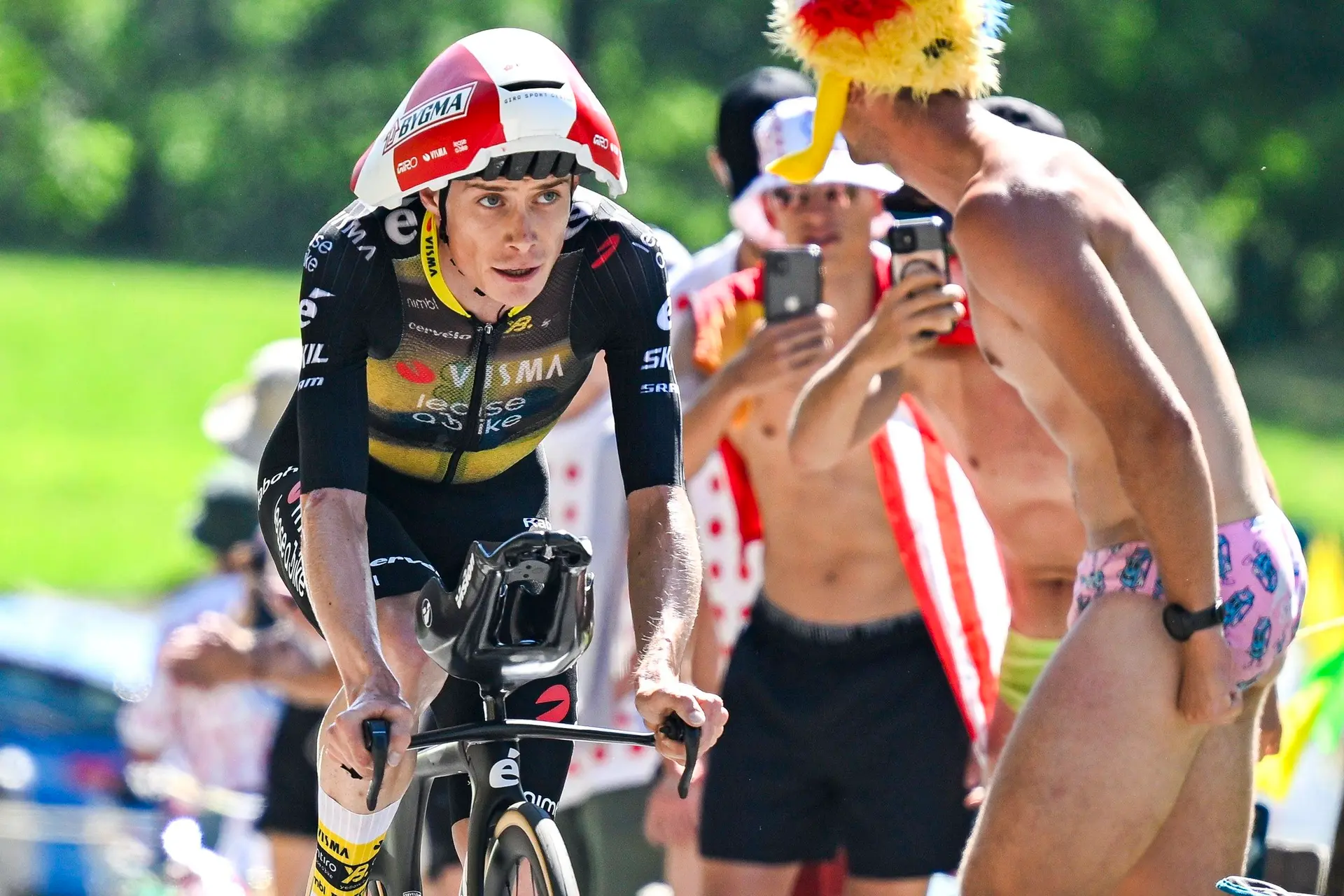
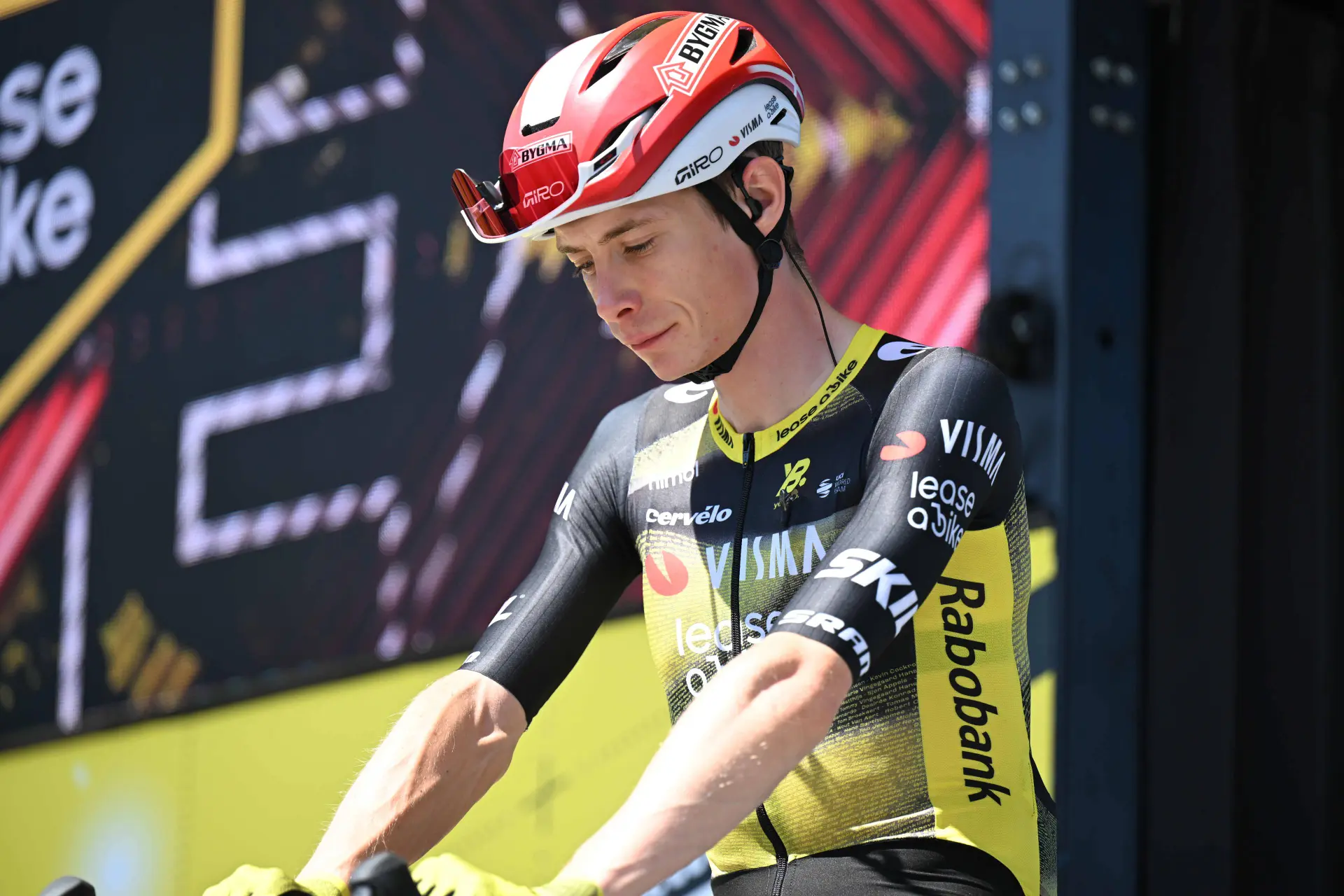
Of course, all roads ultimately lead to Jonas Vingegaard. Fresh from another strong, if ultimately unsuccessful Tour, he now sets his sights on adding the Vuelta to his palmarès. “He’s the favourite, no doubt,” says Nibali. “The team is built around him. They’ve got the strength to try and control the race — but this is the Vuelta. Anything can happen.”
And that, perhaps more than anything, is what makes this race so compelling. While the Tour is often formulaic and the Giro sentimental, the Vuelta remains gloriously unpredictable, a place where old champions can write their final chapters and young stars can emerge from the shadows. “Look at Pogacar,” Nibali reminds us. “He first revealed himself to the world at the Vuelta.”
Whether 2025 will be remembered as the coronation of Vingegaard, the internal combustion of UAE, or the emergence of a new star — well, as ever, the road to Madrid will decide.

Kieran WoodDeputy Editor-in-Chief
Kieran Wood is a sports journalist based in Wales and has been active in journalism since 2022. He regularly contributes to DartsNews.com and CyclingUpToDate.com, where he covers professional cycling and darts. In cycling, his work includes liveblogs from major races, including the Tour de France, the Giro d’Italia, and La Vuelta a España, alongside race reports and analysis. He has also conducted interviews with professional riders.
His reporting spans the full racing calendar, from one-day classics to stage races, with a focus on accurate, real-time coverage and clear contextual analysis. For statistics, results, and historical context, he regularly uses resources such as ProCyclingStats. To support reporting on rider activity and training context where relevant, he also references Strava.
In his work, Kieran places strong emphasis on careful sourcing, editorial accuracy, and updating articles as new, verified information becomes available.
claps 3visitors 3
Just in
Popular news
Latest comments
- Very surprised del toro couldn't beat everyone here against lesser competition. He's well on his way to being top 5 in the worldbruins3008-10-2026
- Being the best rider left in the race is pretty much the only way to win in any edition, surely? Seems reductive to say "they only won because the entire peloton wasn't as absolutely stacked as it could've been" - you can only beat who is in front of you.wrsty08-10-2026
- I’m sorry but generally the coverage on your site is first class but this incident highlights something I just don’t get with cycling journalism. This accident should never have been allowed to happen, it comes uncomfortably close to the Finlay Tarling tragedy and two other incidents took place within days of this. I checked all of the cycling websites and you all put out basically the same story. Pidcock gave journalists the perfect opening to blow this sky high, what has the UCI got to say? What is Adam Hansen doing? What do the organisers say? Nothing, you all trot out the same easy quotes taken from Pidcocks interview after the race but do nothing to follow it up. I see it time and time again, journalists taking the easy way out but being outraged when it happens again as it surely will. Riders can’t do this but journalists should be independent and should be able to raise these uncomfortable questions but cyclinguptodate and every other on line publication prefer to take the easy way out. That’s the real tragedy here.Paul53108-10-2026
- Happy to help :-)Mistermaumau08-10-2026
- Well, ok but, it’s also a structural, team, budgeting, direction and all sorts of other issueMistermaumau08-10-2026
- I wouldn’t call it an analogy but maybe his criticism is a little unfair. On the other hand, the fact Cicco made a public affair out of it despite having received all the explanations and proof makes me feel he now deserves being criticised for not accepting there is nothing to discuss.Mistermaumau08-10-2026
- Much as I like him (one of my favourites), I do want to attract a little attention to the coincidence of his recent performances in the current context. Not the first time a rider improves noticeably when there’s a job interview to prepare. In the same lighthearted humour of his, i hope the UCI will let him wear it at home as the rules quite strictly state you can only wear it during participation in the discipline you won in, and we all know how capable they are of interpreting rule interpretation ;-) Also, if it’s going to be retirement (please not), I wouldn’t call that an agreement as somebody will probably feel they didn’t get what they wanted.Mistermaumau08-10-2026
- Agreed. There used to be a team willing to pay though. I take all these figures (that vary enormously according to who is publishing) with handfuls of salt. We don’t know how salaries are treated (especially between a UK employer and Andorran resident), we don’t know how numbers are derived and from where, if deductions have been taken into consideration, etc. but if he returns to Colombia, he’s going to need quite a bit in protection money.Mistermaumau08-10-2026
- And another one gone, another one gone, another one bites the dust. Ah gonna get you too…Mistermaumau08-10-2026
- Top marks RidesHills. A great post that sums up exactly Egan Bernals situation.Cyclingsbestfan08-10-2026
Loading
Write a comment