“If this were the Tour, Vingegaard’s helpers would have been off in breakaways” – Brian Holm sees marked difference to Visma’s riding at La Vuelta 2025
Cycling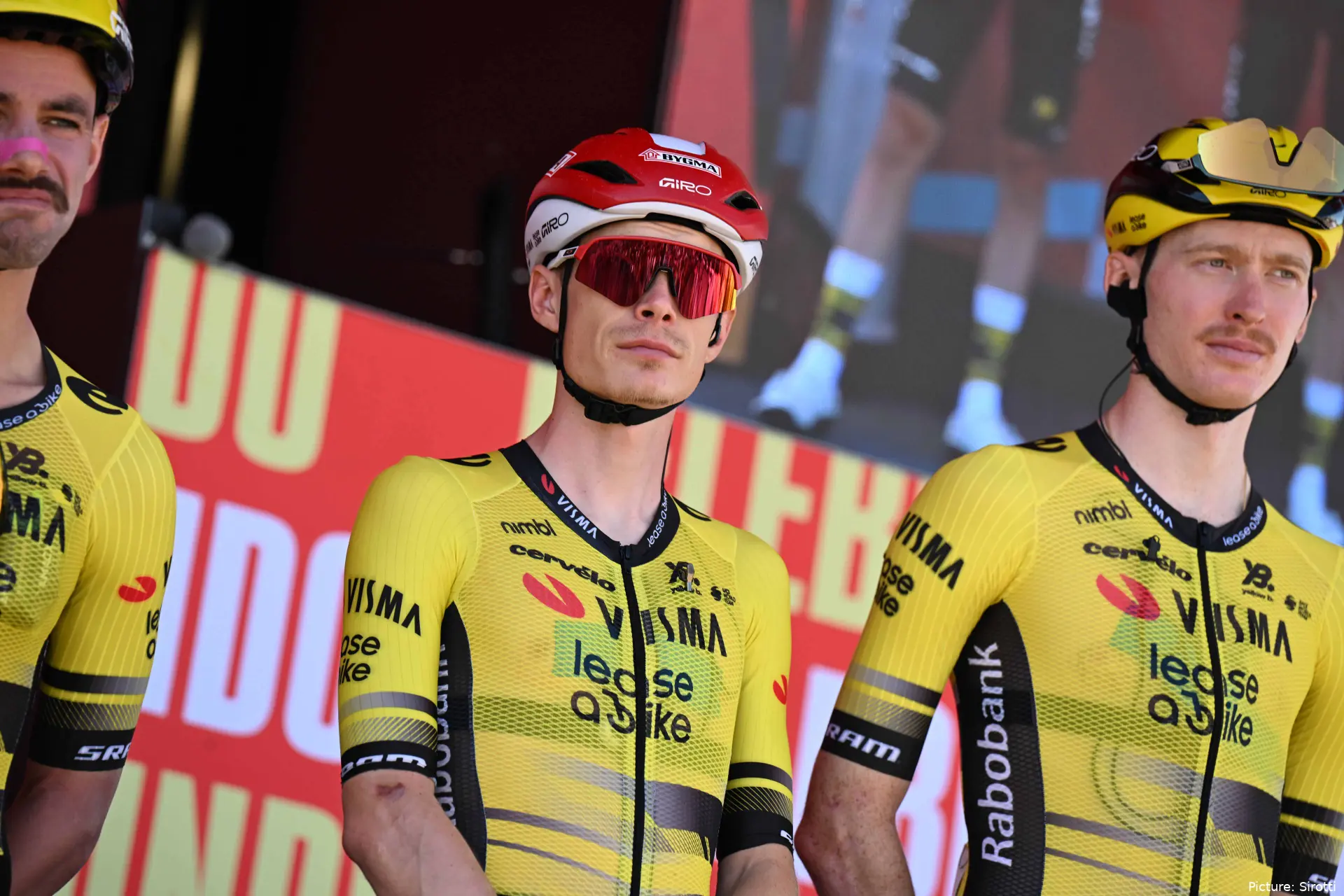
After a composed and commanding opening week from Team Visma | Lease a Bike, former pro and Eurosport analyst Brian Holm believes the Dutch squad has undergone a quiet transformation — one that could prove decisive in Jonas Vingegaard’s bid for red at the 2025 Vuelta a Espana.
Holm, speaking on the first rest day, highlighted a shift in how Visma is approaching this race compared to their fraught Tour de France campaign in July. The contrast, he says, is stark — and overdue.
“If this were the Tour, his helpers would have been in the breakaway all the time,” Holm remarked in his analysis for Eurosport. “That’s not what we’re seeing now. Now they’re protecting Vingegaard — constantly. They’re riding 110% for him, and it’s a joy to watch.”
Read also
Tactical U-turn from Visma
That observation cuts to the heart of what’s changed for Visma: a return to disciplined, collective racing, built around a singular GC objective. Where once lieutenants might have been given leash for stage ambitions, this time they’ve circled the wagons around Vingegaard.
Holm sees that as a deliberate and necessary recalibration — one that’s rooted in Grand Tour fundamentals. “They’ve ridden so sensibly. It’s almost 80s-style, the way they’ve managed the race from behind — calculated, no unnecessary risks,” Holm explained. “It’s conservative, sure, but that’s how you win three-week races. The whole team is on the same page.”
It’s not just about tactics — it’s about discipline and culture. Vingegaard hasn’t found himself isolated once in the crucial mountain tests. Domestiques have remained loyal to the line, setting pace, closing gaps, and keeping the team leader out of trouble. That level of unity was noticeably lacking at the Tour in Holm's opinion, which ultimately ended in defeat.
A Danish touch at the wheel
Holm also pointed to the potential influence of Jesper Morkov, Visma’s Danish sports director for the race, as a subtle but meaningful factor behind the team’s shift in tone. “Whether it’s the team’s decision or down to Morkov, I’ll leave that for them to say. But having a Dane in the car certainly isn’t a disadvantage for Vingegaard,” Holm said. “It gives him 100% backing — and when you’re under pressure every day, that’s massive. Even when things are going well, you’re never far from disaster in a Grand Tour.”
In Holm’s view, this level of structure and support isn’t just helpful — it’s essential. “He’s got teammates around him all the time. They’re not chasing their own results. It’s everything they didn’t do at the Tour.”
The win that could change the race
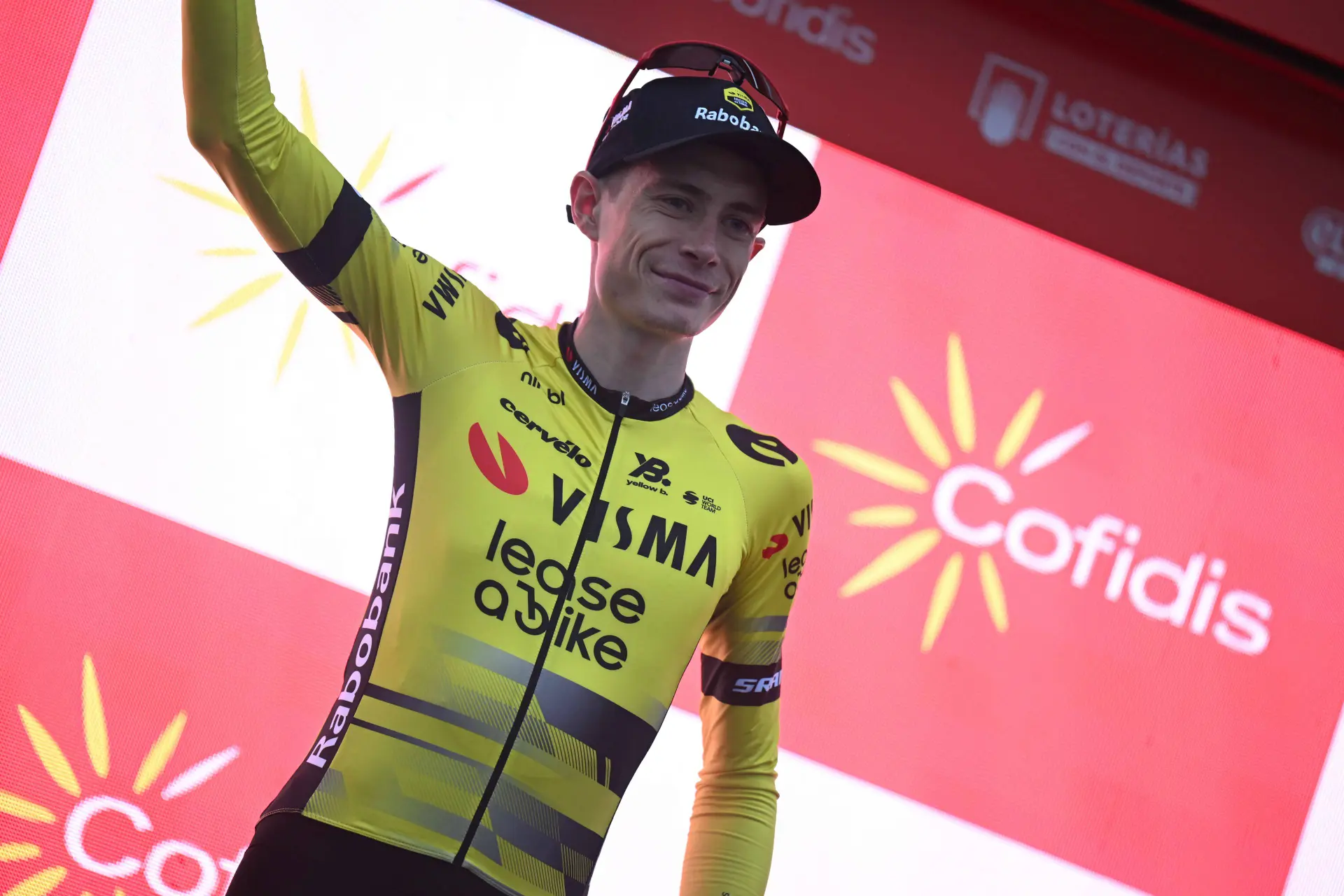
Vingegaard’s solo stage win on Stage 9 in the Pyrenees didn’t just lift him up the standings — it changed the mood around the team. Visma no longer look like a group trying to build into the race. They look like a team in control. “That win was so important,” Holm said. “If Ciccone or Almeida had beaten him, we’d be having a very different conversation. That kind of result brings calm — not just for Vingegaard, but for the whole team.”
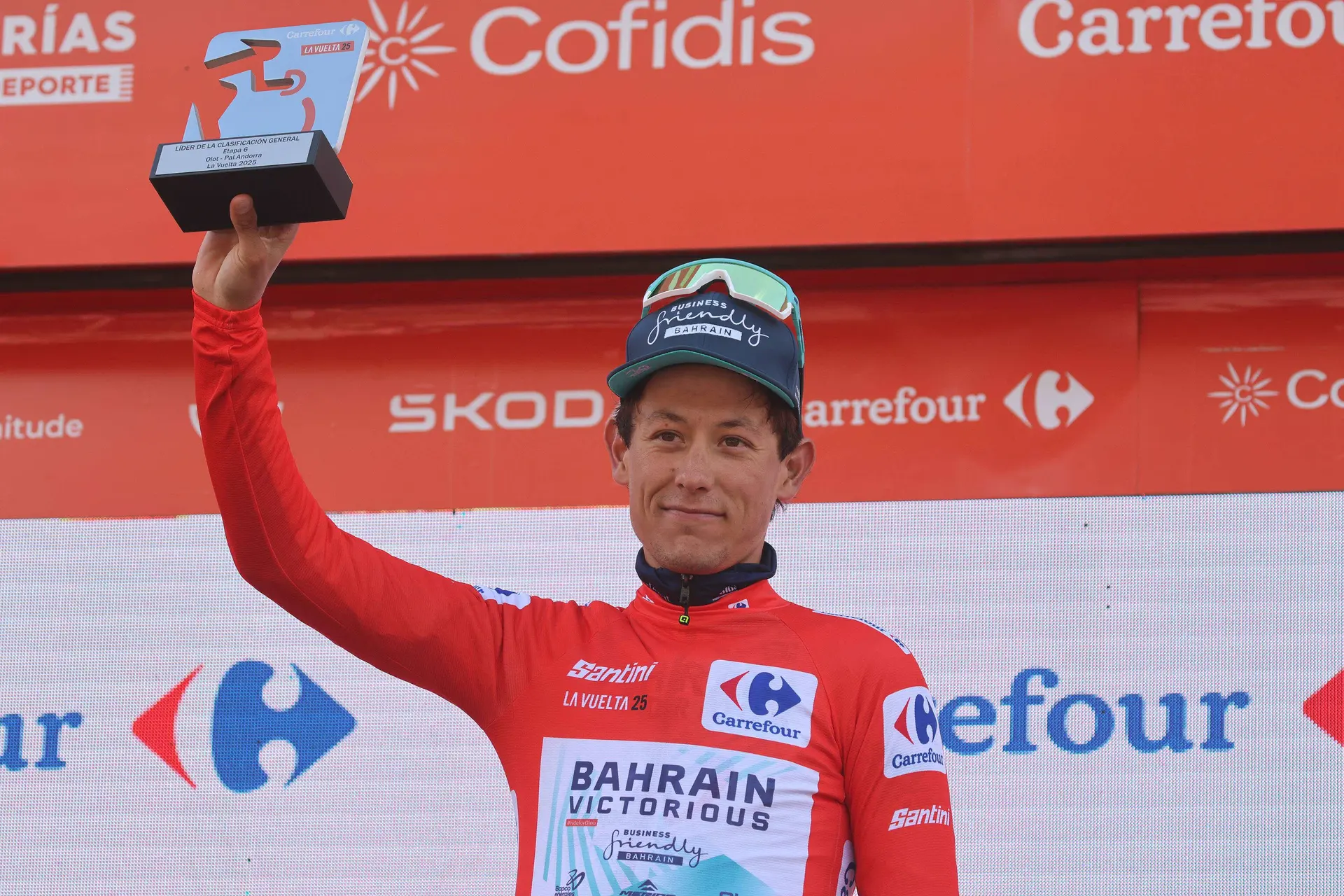
Now within striking distance of red jersey holder Torstein Træen, Vingegaard finds himself back in familiar territory: the strongest GC contender with the weight of expectation squarely on his shoulders. “He’s such a strong favourite now that he can only lose,” Holm noted. “It’s not an easy position. But he’s living up to it.”

Vingegaard puts distance between himself and his GC rivals on stage 9
A tactical shift to come?
Visma has so far benefitted from rivals like Lidl-Trek doing much of the pacemaking — but Holm doesn’t expect that luxury to last. “From here on, Lidl-Trek will likely stop helping. Visma will have to decide whether they want to take control themselves or let the break go. The tactics will change again.”
He believes Stage 9 may have also shaken the confidence of Vingegaard’s rivals, who tested the Dane on the final climb — and came up short. “They tried to drop him. He passed the test. And I think a few of them lost belief in that moment.”
The key difference between Tour Vingegaard and Vuelta Vingegaard might not be in the legs — but in the team around him. With the road only getting steeper from here, Visma’s discipline, and their ability to ride as one, could be what ultimately carries Vingegaard to Madrid in red. “They’re doing everything right,” Holm concluded. “And that’s how you win a Grand Tour.”

Kieran WoodDeputy Editor-in-Chief
Kieran Wood is a sports journalist based in Wales and has been active in journalism since 2022. He regularly contributes to DartsNews.com and CyclingUpToDate.com, where he covers professional cycling and darts. In cycling, his work includes liveblogs from major races, including the Tour de France, the Giro d’Italia, and La Vuelta a España, alongside race reports and analysis. He has also conducted interviews with professional riders.
His reporting spans the full racing calendar, from one-day classics to stage races, with a focus on accurate, real-time coverage and clear contextual analysis. For statistics, results, and historical context, he regularly uses resources such as ProCyclingStats. To support reporting on rider activity and training context where relevant, he also references Strava.
In his work, Kieran places strong emphasis on careful sourcing, editorial accuracy, and updating articles as new, verified information becomes available.
claps 2visitors 1
Just in

Popular news
Latest comments
- FYI. Pogi made his World Tour debut at the TDU in 2019. I remember it well because someone said watch out for Pogi as he did a good time up Corkscrew during training. Who would have thought he'd end up as the GOAT.Santiago25-10-2026
- FYI. Pogi's first World Tour race was at the TDU in 2019. I remember it well because someone said watch out for Pogi as he did a good time up Corkscrew during training. Who would have thought he end up as the GOAT.Santiago25-10-2026
- 50 million isnt low. But if you hire super domestiques for a million and 3rd rung leaders for 3-5 million, natural you dont have money left not the results expected. Most monuments and TDF are out of reach due to Pogi. But there were a promising 2nd rung leaders on the market and they went for broke to get Onley and Kevin. I put their entire troubles due to mismanagementabstractengineer25-10-2026
- I think it’s becoming clear that cycling got way ahead of itself for a few reasons and is now coming to the realisation that some rider salaries just exploded without justification and it snowballed until sponsors started pulling money out because THEY did not see any return on increased costs. Cycling is still a dying sport (that never moved out of the niche family) and will remain so if it doesn’t embrace and promote new ventures or manage to attract new markets. Even within cycling, fans are basically compartimentalised, (almost nobody here follows track for example), and the multiplication of possibilities hasn’t grown the sport, it has just split it into a larger number of smaller branches. If it weren’t for nation state sponsors (far too numerous already) other teams would never have (had to resort to) raised bigger budgets that are now leading to sponsor abandonment. That’s the difference between long-term steady growth and financial doping, the latter can also just blow up in your face. I will venture to wager that apart from one or two exceptional cases, rider salaries will no longer go up and are quite likely to actually drop over the next decade.Jumpyjohn25-10-2026
- You know you can post all this on idlprocycling too with your account(s) don’t you? There’s a whole bunch more articles and people there to inform.Jumpyjohn25-10-2026
- That’s the kind of word my foreign grandma would have rendered fashionable again, like flabbergasted (at her time) ;-) Perhaps he should get a pro to fill out his papers and pack his bag too, customs have become keen on controlling anyone from the balkans.Jumpyjohn25-10-2026
- Alternatively, just call Rod StewardJumpyjohn25-10-2026
- I will be in Adelaide in a shot if Pogi comes to the Tour Down Under. Fingers and toes crossed that this will eventuate, he has just got to remember to stay aware of kangaroo’s, as Jay Vine can attest to. Though can’t be any worse than some of the passionate fans in EuropeSearider25-10-2026
- "The Spaniard also highlighted Florian Lipowitz, third in the recent World Championship time trial, as a rider to watch as he continues to gain experience." Please stop the AI slop
 Rafionain-Glas24-10-2026
 - I think it's great! Now there's a real reason forcing the people-who-don't-fix-the-potholes to fix the potholes... or notRafionain-Glas24-10-2026
Loading
Write a comment