“I was on Remco’s wheel and tried to follow, but he just kept pushing” – Antonio Tiberi pushed to the limit as Valenciana stage finale turns tense
Cycling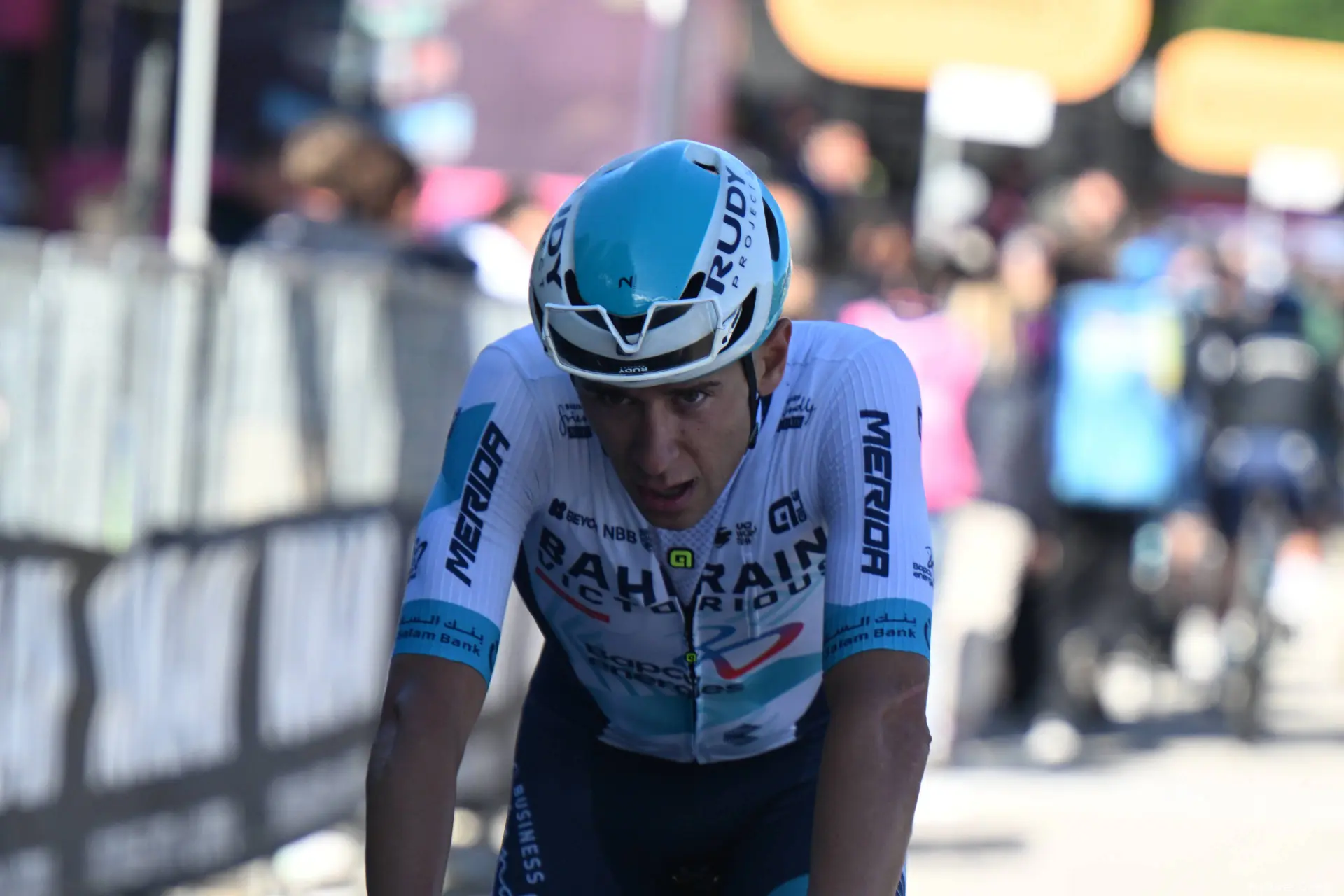
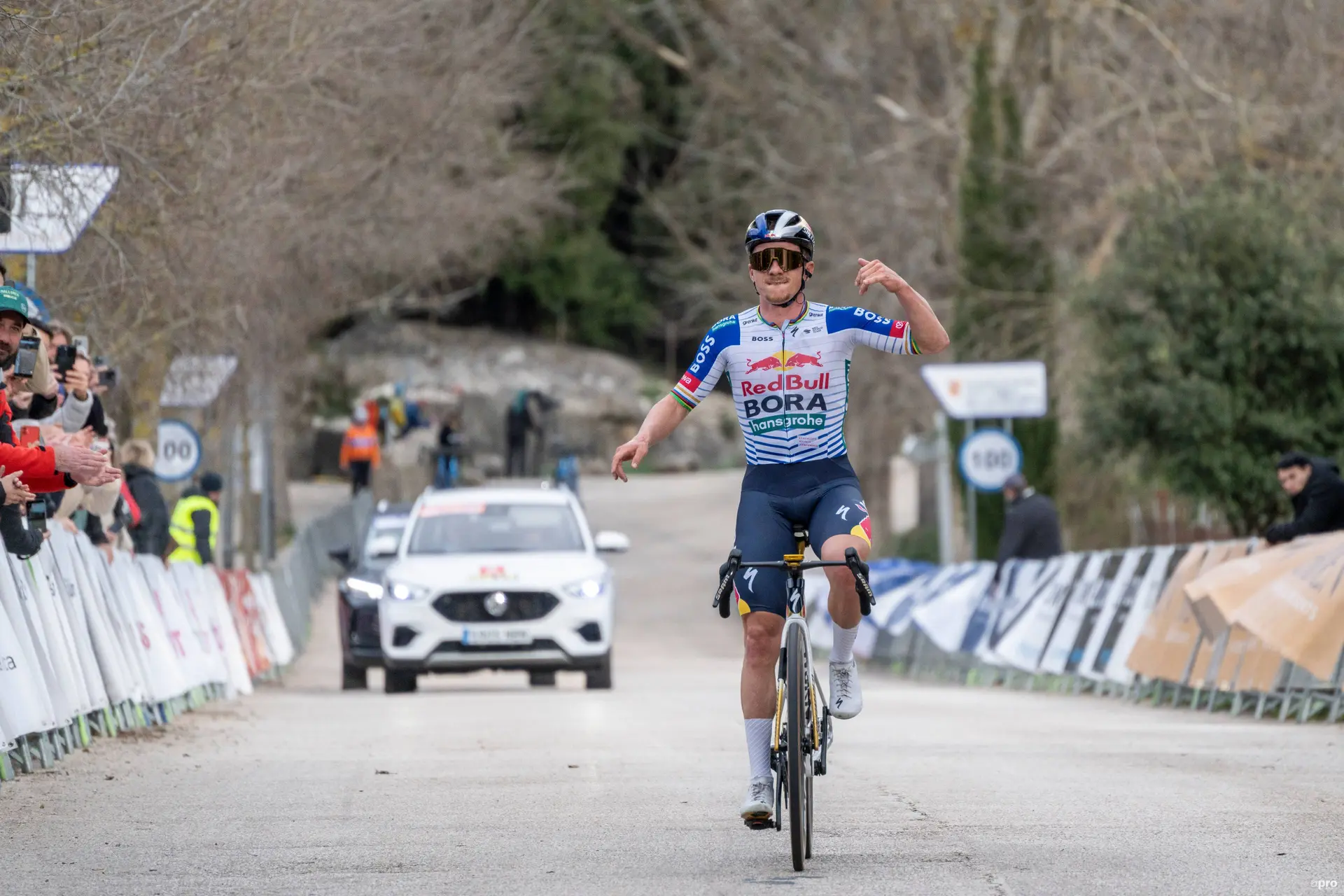
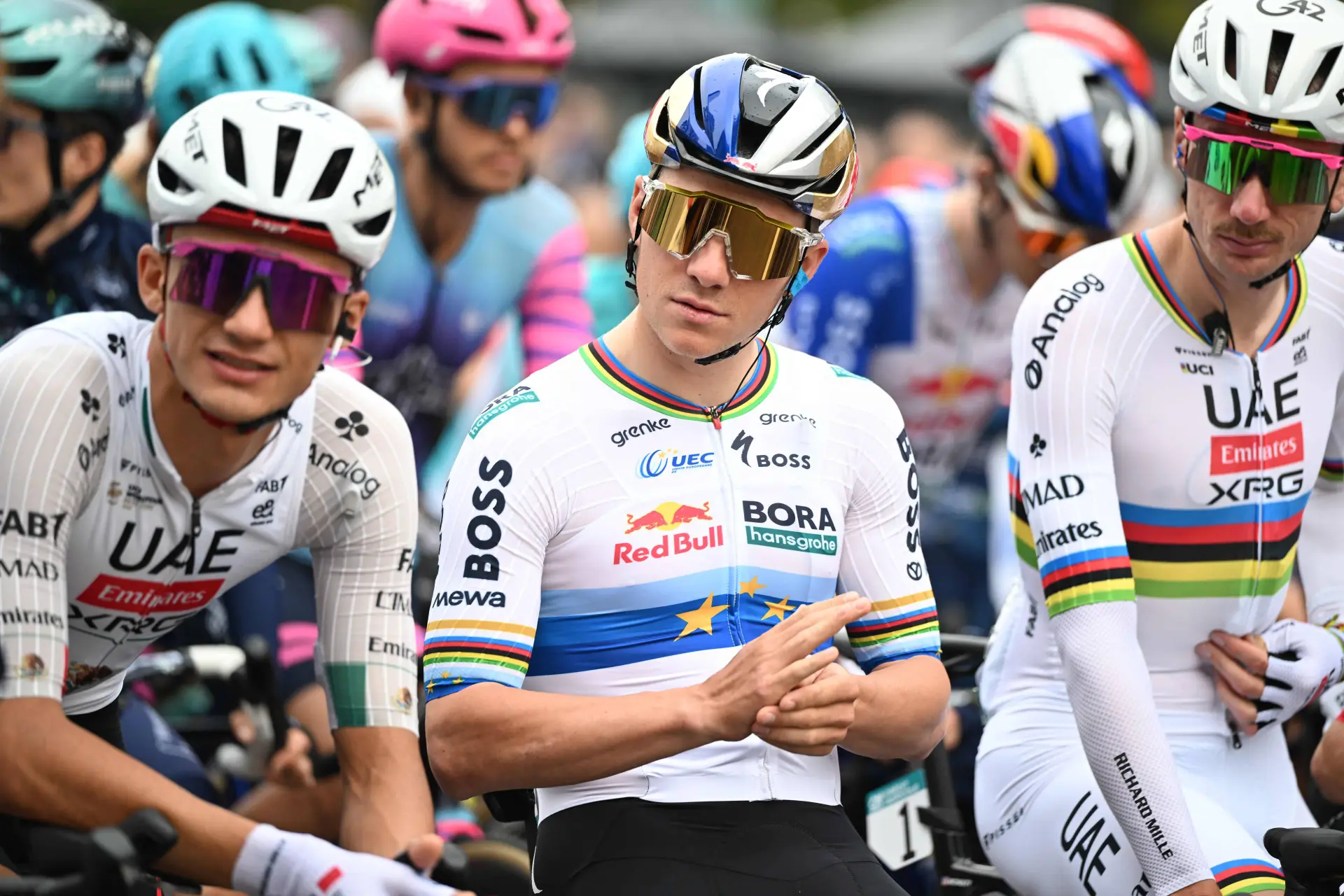
Antonio Tiberi left the finish of Stage 4 at the Volta a Comunitat Valenciana with a result that reflected both ambition and limits. Fourth on the stage after an aggressive finale, the Italian had briefly looked like the last rider capable of following Remco Evenepoel when the decisive attack was launched on Cumbre del Sol, before being forced to concede ground as the pace continued to rise.
“I was on Remco’s wheel, and when he went, I tried to follow,” Tiberi recalled to Cycling Pro Net after the finish. “For the first two or three hundred metres I was there, but he just kept pushing really hard.”
The Red Bull acceleration was immediate and sustained. While Tiberi initially held contact, the effort required to do so quickly took its toll.
“He kept pushing, and I dropped a bit,” he explained. “I saw behind that there were some gaps, so I tried to keep going, but then the small group behind came back, and we were there together in the end.”
Following first, then regrouping
Tiberi’s account places his decisive effort earlier than the moment the chasing group eventually formed. Rather than sitting on from the outset, the Bahrain - Victorious rider committed to the acceleration as it happened, only regrouping once the elastic finally snapped.
“When we started the last climb, I saw that Red Bull were doing a really strong tempo,” he said. “It was clear it was for an attack. I was in position, I tried, and then I had to adjust.”
That sequence would later become part of the post-stage discussion, after Joao Almeida suggested that greater cooperation behind might have brought Evenepoel back, adding that Tiberi appeared to be saving his legs.
Tiberi did not address that remark directly, but his description of the effort paints a picture of a rider already on the limit by the time the chase properly formed.
Hope, then reality, in the chase
Despite the difficulty of the move, there was a brief moment when the chase group believed the gap might still be manageable. “At one moment, he was maybe ten seconds in front, three hundred metres or so,” Tiberi said. “We spoke to each other and said: Come on, let’s try.”
That optimism was short lived. “He went again really fast, and suddenly it was twenty or thirty seconds,” he added. “It was just very, very fast.”
With Evenepoel riding clear and the time gap stabilising, the focus shifted to salvaging the best possible result from what remained.
In a finale shaped by explosive gradients and relentless pacing, Tiberi’s day ultimately became defined by that initial decision to commit. In the context of the broader debate that followed, his account adds crucial nuance: not a rider waiting, but one who reached his limit early, and paid for it later.

Kieran WoodDeputy Editor-in-Chief
Kieran Wood is a sports journalist based in Wales and has been active in journalism since 2022. He regularly contributes to DartsNews.com and CyclingUpToDate.com, where he covers professional cycling and darts. In cycling, his work includes liveblogs from major races, including the Tour de France, the Giro d’Italia, and La Vuelta a España, alongside race reports and analysis. He has also conducted interviews with professional riders.
His reporting spans the full racing calendar, from one-day classics to stage races, with a focus on accurate, real-time coverage and clear contextual analysis. For statistics, results, and historical context, he regularly uses resources such as ProCyclingStats. To support reporting on rider activity and training context where relevant, he also references Strava.
In his work, Kieran places strong emphasis on careful sourcing, editorial accuracy, and updating articles as new, verified information becomes available.
claps 3visitors 3
Just in
Popular news
Latest comments
- Pogi would have won the Vuelta at around 10 min. But it would have been boring for fools like you. Capish?PogiSloFans11-10-2026
- Rather than me describing the technology at length on here, If you google. Line-scan cameras. They are also sometimes called Slit-Scan cameras. Either search will fill you in. You can read all about how they. work. Enjoy! Just to be clear the cyclist is saying he wants to see exactly where the digital finish line is in relation to the actual physical finish. At this point we only have the word of the authority that the digital line corresponds to the exact starting edge of the physical finish line. That seems like a reasonable request to me.Prorodsandstuff11-10-2026
- 100% @Jumpyjohn, good point well raised.anonymouscyclist11-10-2026
- The media keep stirring the soup.. or spitting in it
 leedorney11-10-2026
 - Yes, he has won many races... second class races. He isn't the real deal... Seixas is the real deal. Capish?PogiSloFans11-10-2026
- What are you guys talking about? I'm not the one you guys think I am. I'm a Slovenian Pogi fan, that's all... the guy you're talking about is a Croation Ustasha. Capish?PogiSloFans11-10-2026
- It would be epic if Seixas came to UAE. 3/4 of the commentators on this site would stop watching cycling... ha ha ha ha ha ha...PogiSloFans11-10-2026
- UAE's problem is Seixas wants to beat Tadej.Renz11-10-2026
- You are blinded by your infatuation with Pogi. IdT has done crazy good stuff. One of the strongest ever first three years in the peloton. poor showing in his last couple of races btu I don't think he is quite washed up yetmobk11-10-2026
- Absolutely not. The guy has finished so many races 2nd to Pogi so absolutely not a shocker that when Pogi isn't there he wins a fewmobk11-10-2026
Loading
1 Comments