“I really feel all the support, that makes a big difference” – Remco Evenepoel hails Red Bull backing as Valenciana victory reinforces dominant start
Cycling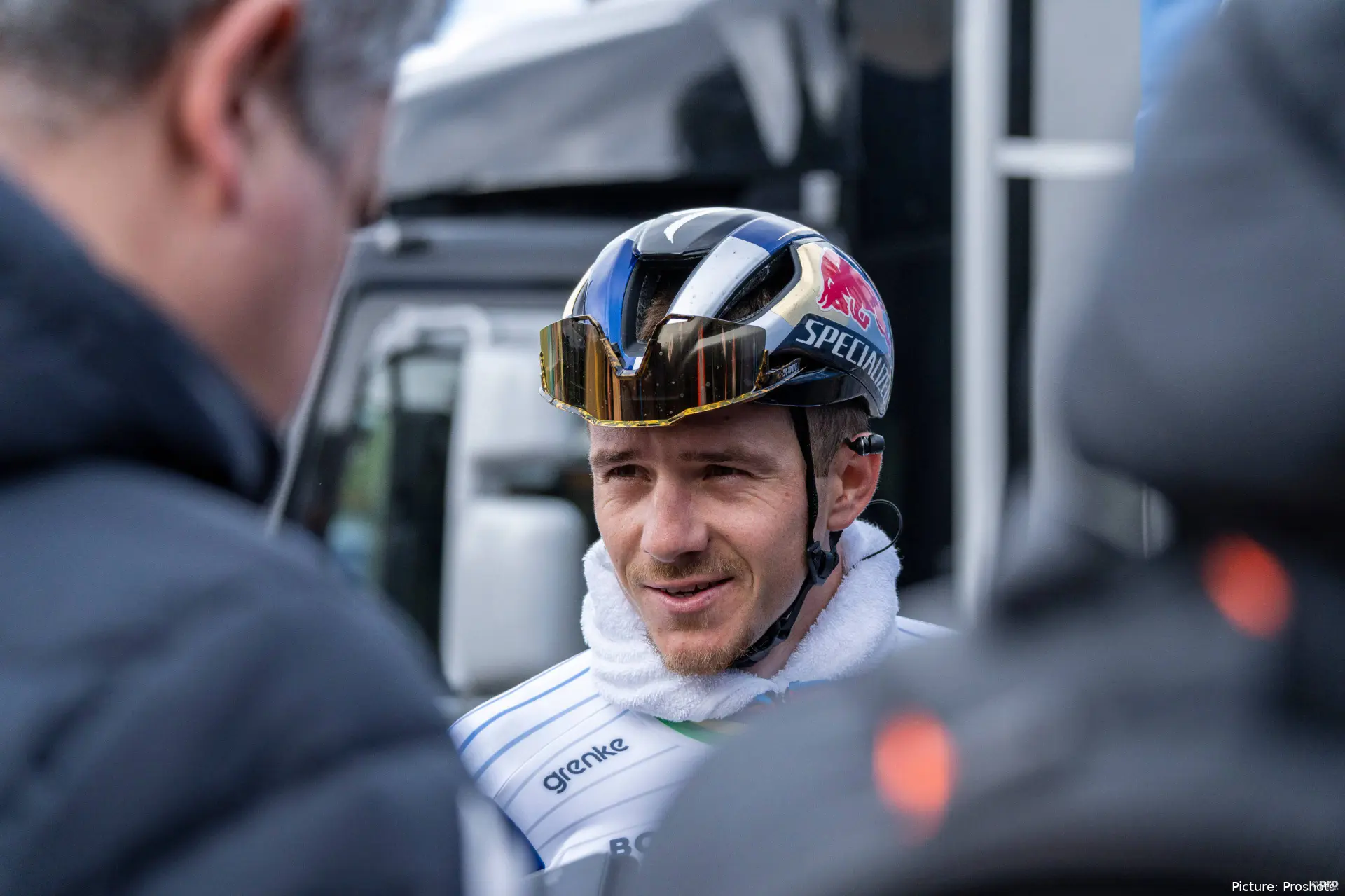
Remco Evenepoel’s solo victory on Stage 4 of the Volta a Comunitat Valenciana was not just another tick in the win column. It was a statement of how decisively his new environment is already working, with the Belgian pointing directly to the collective backing he feels at Red Bull - BORA - hansgrohe as a defining factor behind his latest show of authority.
“I really feel all the support, that makes a big difference,” Evenepoel told Cycling Pro Net after sealing the stage with a long and controlled solo move, following a brutally selective finale on the Cumbre del Sol and the technical run in towards Teulada Moraira.
That support was visible throughout the day. Red Bull set the tone early on the Alto del Miserat, gradually thinning the peloton before committing fully in the final 40 kilometres.
On the Alto La Fustera and again on the Cumbre del Sol, the pace imposed by Evenepoel’s team stripped the race down to a small group of contenders and removed any ambiguity about where the decisive move would come from.
A plan executed without hesitation
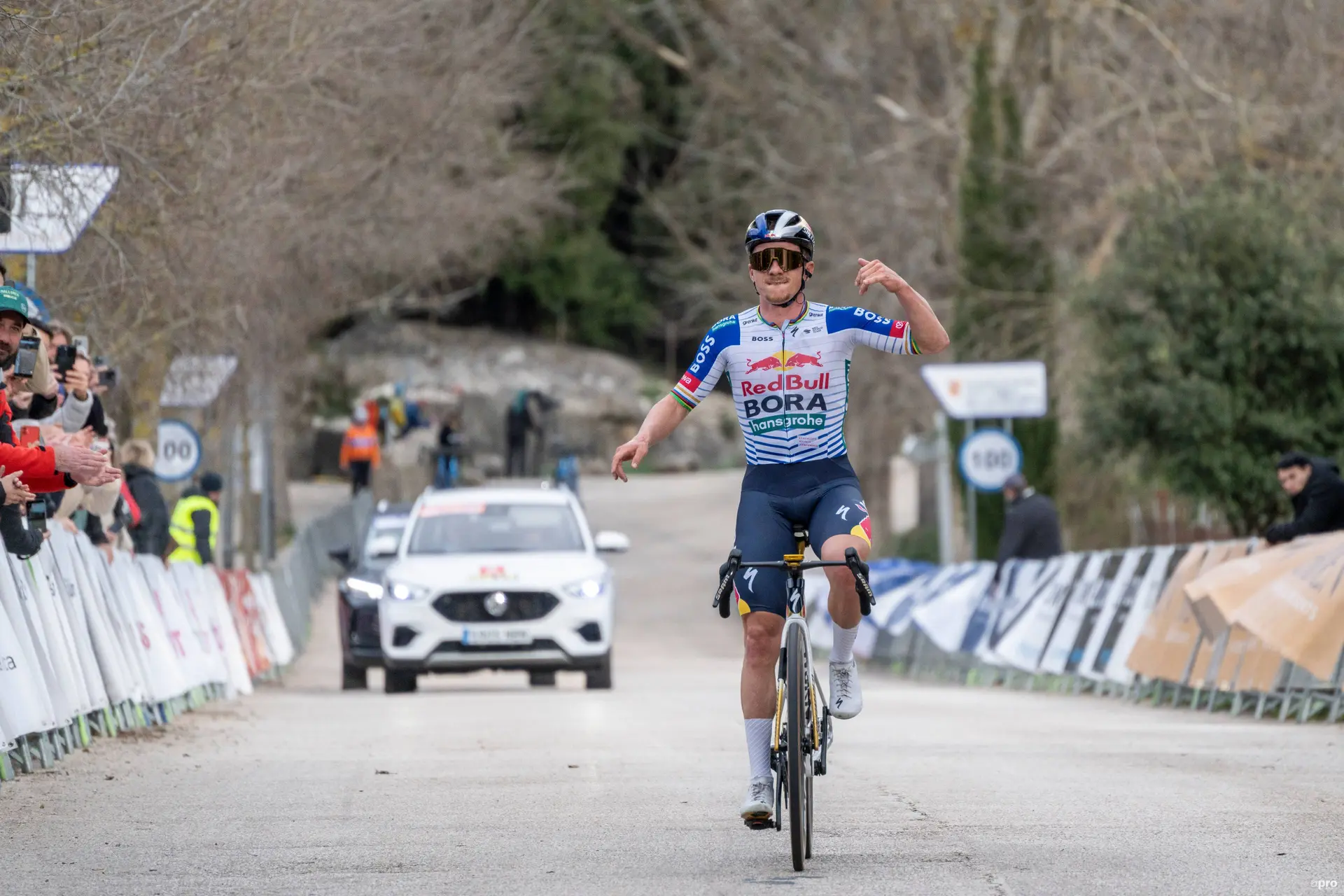
Once Evenepoel committed on the steepest section of the Cumbre del Sol, there was no deviation from the script. After a final, punishing turn on the front by Giulio Pellizzari, the Belgian accelerated decisively and rode clear, committing to the solo effort with more than ten kilometres still remaining.
It was a demanding finale. The climb itself was explosive, the terrain beyond offered little shelter, and a headwind on the exposed main road forced Evenepoel to manage his effort carefully all the way to the line.
“I had to go all the way to the finish, and that was really difficult,” he explained. “I went all out on the Cumbre, and then when we turned onto the big road, there was a headwind. But if it’s hard for me, it’s also hard for the guys behind, so I just kept pushing.”
Red Bull control thins the race before the finale
Evenepoel’s winning move was shaped long before the decisive attack. Red Bull imposed a fierce tempo earlier on the Alto del Miserat and again on the Alto La Fustera, steadily reducing the peloton and ensuring that when the final climb arrived, only a select group remained.
Those repeated accelerations forced rivals onto the defensive. Riders were reacting rather than dictating, and when the decisive selection formed, Evenepoel was surrounded by support rather than isolated.
“From the first metres until the very last ones, the team worked for me,” he said. “Everybody did their part of the job.”
A fractured chase behind
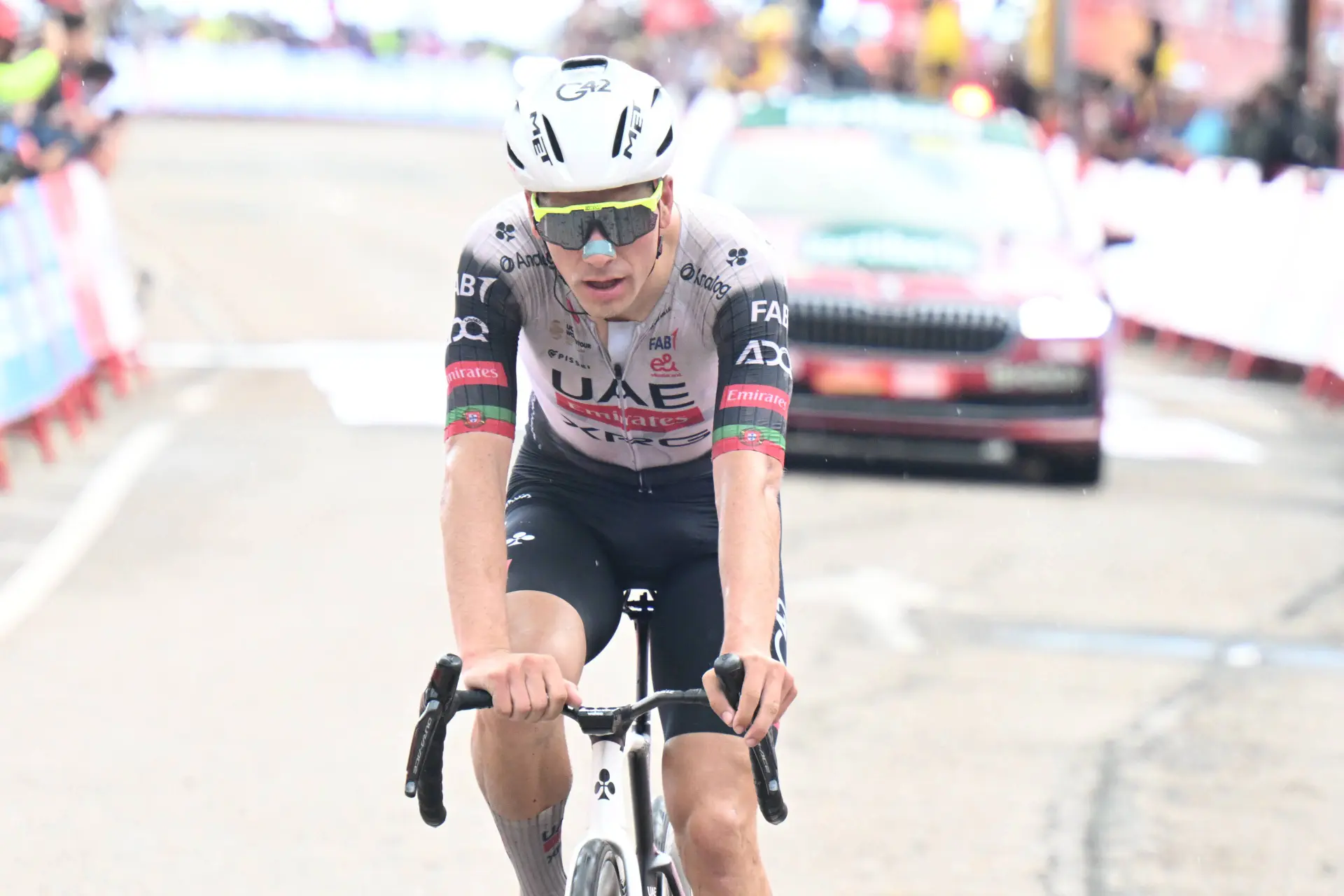
Behind the leader, Joao Almeida and Antonio Tiberi attempted to organise a response, with Brandon McNulty repeatedly bridging back after moments of hesitation. The effort, however, never fully stabilised.
Evenepoel was aware of the lack of cohesion behind him. “Nobody helped us, which I completely understand,” he noted. “But we stuck exactly to the plan we wanted.”
The absence of full commitment in the chase allowed the gap to stabilise quickly, and once Evenepoel reached the flatter sections with a clear advantage, the opportunity to bring him back had already passed.
Calm execution over chaos and bonifications
A key factor in the victory was the team’s refusal to panic earlier in the stage. With intermediate bonification seconds already gone, there was no incentive to gamble prematurely. “We never panicked,” Evenepoel explained. “We knew we were going to go all out on the Cumbre, and what you saw was the plan.”
That clarity allowed Red Bull to control the race without burning unnecessary matches, saving their decisive effort for the terrain that best suited their leader.
Racing on familiar roads
Beyond the tactics, Evenepoel also highlighted how comfortable the terrain felt on a personal level. Racing into Calpe meant competing on roads he knows intimately from training. “Riding into Calpe felt like coming home,” he said. “It’s what I do almost every day, so it was really nice to race here.”
That familiarity showed in the way he paced the descent and the final drag to the line, riding without hesitation and never once glancing back.
Support that keeps delivering results
Stage 4 was Evenepoel’s latest win in an extraordinary opening run with Red Bull, adding to an already dominant early-season record. More than the margins themselves, the performance reinforced a broader picture: a rider operating with total clarity, backed by a team executing without hesitation, and delivering results with striking consistency.
In Valenciana, that difference is now written clearly into the race standings.

Kieran WoodDeputy Editor-in-Chief
Kieran Wood is a sports journalist based in Wales and has been active in journalism since 2022. He regularly contributes to DartsNews.com and CyclingUpToDate.com, where he covers professional cycling and darts. In cycling, his work includes liveblogs from major races, including the Tour de France, the Giro d’Italia, and La Vuelta a España, alongside race reports and analysis. He has also conducted interviews with professional riders.
His reporting spans the full racing calendar, from one-day classics to stage races, with a focus on accurate, real-time coverage and clear contextual analysis. For statistics, results, and historical context, he regularly uses resources such as ProCyclingStats. To support reporting on rider activity and training context where relevant, he also references Strava.
In his work, Kieran places strong emphasis on careful sourcing, editorial accuracy, and updating articles as new, verified information becomes available.
claps 4visitors 3
Just in
Popular news
Latest comments
- A shame to see him retire, I really liked him as a rider. His dignified tribute along with Matej Mohorovic to Gino Mader after his death was class and will always live in my memory. Enjoy your retirement.GregT11-10-2026
- A shame to see him retire, I really liked him as a rider. His dignified tribute along with Matej Mohorovic to Gino Mader after his death was class and will always live in my memory. Enjoy your retirement.GregT11-10-2026
- I thought Seixas had hit the end of the road from a fatigue standpoint, after the WC meltdown - and he still finished ok. This was impressive and an amazing return.mij11-10-2026
- totally, eating crow for breakfast this morning. after the world championships I thought we were looking at a late season fade from fatigue. way to go Paul!mij11-10-2026
- Well if UAE the best team in history comes knocking their the only team in the world who can get Seixas. Seixas will become unbeatable and incredible there. Lets see if he stays at decathlon or goes to UAE.miguel11-10-2026
- Pogi would have won the Vuelta at around 10 min. But it would have been boring for fools like you. Capish?PogiSloFans11-10-2026
- Rather than me describing the technology at length on here, If you google. Line-scan cameras. They are also sometimes called Slit-Scan cameras. Either search will fill you in. You can read all about how they. work. Enjoy! Just to be clear the cyclist is saying he wants to see exactly where the digital finish line is in relation to the actual physical finish. At this point we only have the word of the authority that the digital line corresponds to the exact starting edge of the physical finish line. That seems like a reasonable request to me.Prorodsandstuff11-10-2026
- 100% @Jumpyjohn, good point well raised.anonymouscyclist11-10-2026
- The media keep stirring the soup.. or spitting in it
 leedorney11-10-2026
 - Yes, he has won many races... second class races. He isn't the real deal... Seixas is the real deal. Capish?PogiSloFans11-10-2026
Loading
2 Comments