"I enjoy racing and for now, I'll keep going" - Chris Froome refuses to officially call time on career, but will any team sign him for 2026?
Cycling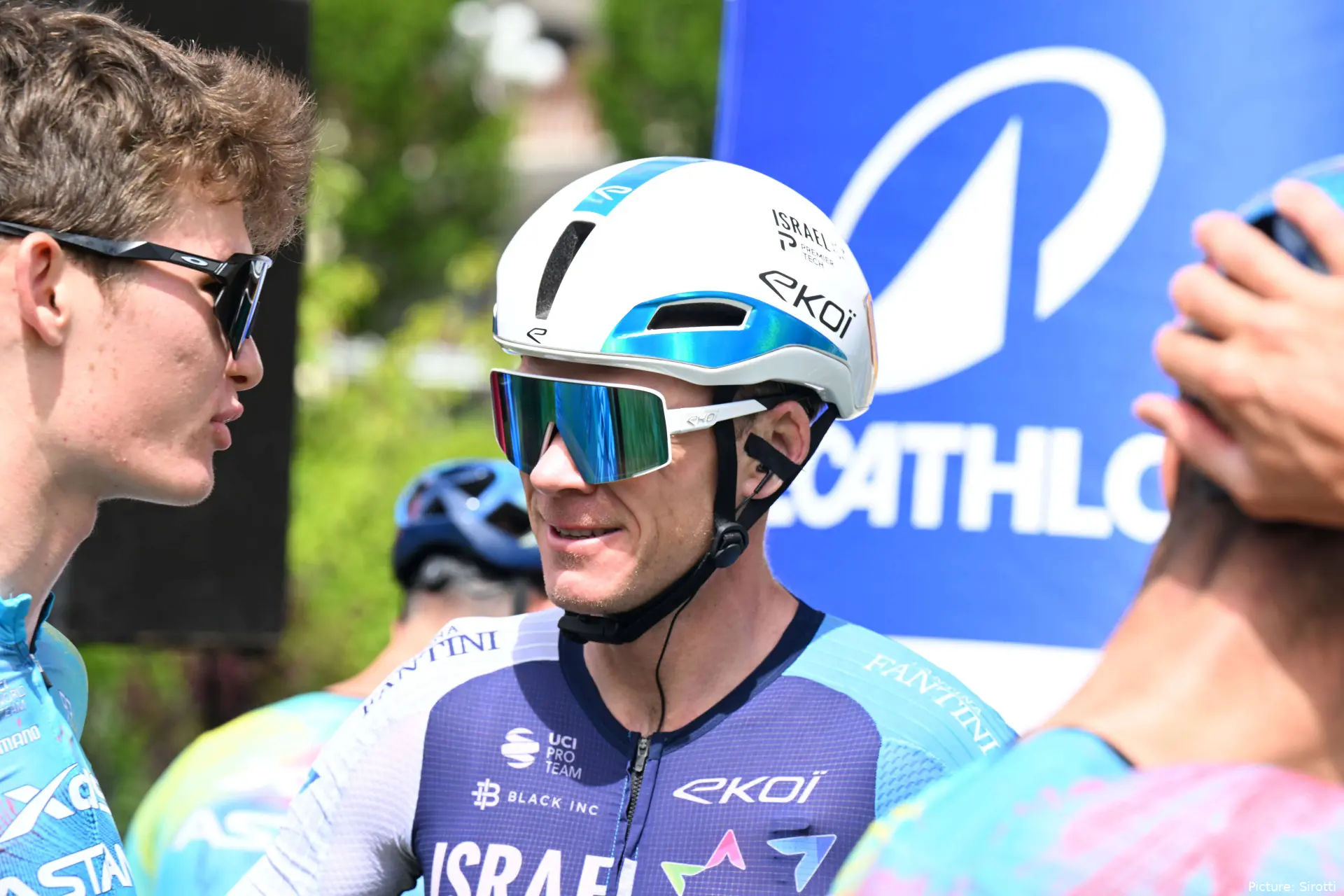
At 40 years old, with his last notable result a distant memory and his contract with Israel - Premier Tech set to expire at the end of 2025, Chris Froome remains a man at a crossroads. Yet if the sport has largely moved on from the rider who once defined a generation of Grand Tour dominance, Froome himself hasn’t quite moved on from the sport.
“It’s not easy for me — the age difference is something I definitely feel — but so far I’ve enjoyed racing alongside the younger guys,” he told Bici.Pro recently. “And for now, I’ll keep going.”
That statement — quietly delivered at the Tour de Pologne — is telling. While many expected this to be Froome’s final season, especially given his prolonged absence from the sharp end of racing since his 2019 crash, the four-time Tour de France winner has yet to definitively call time on his career. And it’s not because he’s deluding himself about a return to former glory — it’s because, in his words, he still enjoys the process.
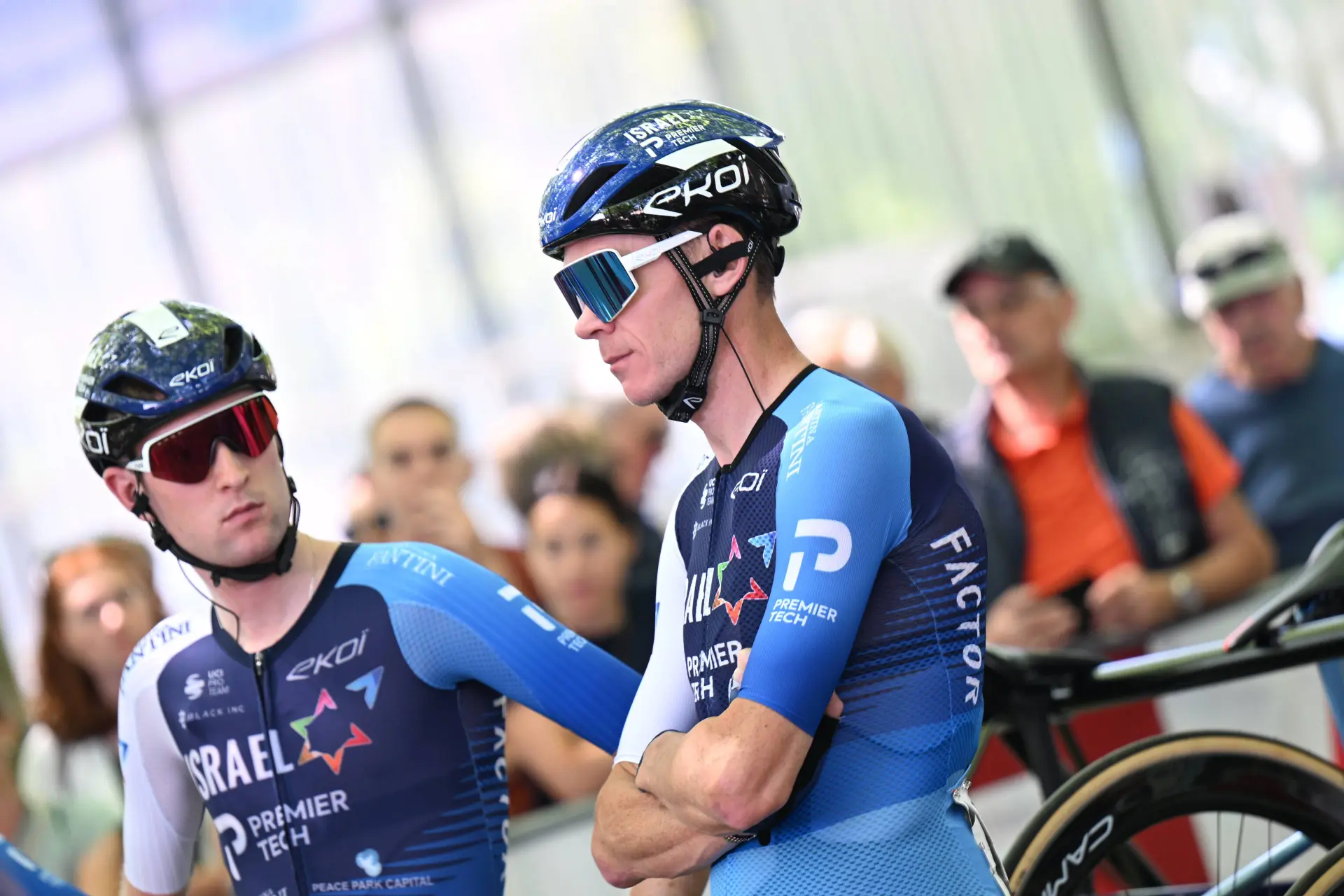
For a rider who was once the embodiment of precision and marginal gains, Froome now finds himself on the opposite side of a cycling revolution he helped usher in. “Cycling has changed a lot, especially over the past five or six years,” he noted. “Now everything is meticulously planned — training, race data, nutrition — all calculated to the finest detail. Far more so than in my early days.”
Froome was once the vanguard of this shift, an architect of Team Sky’s systematic dominance. But the current era, driven by hyper-talented 20-somethings and wearable tech obsession, seems to have accelerated even beyond his once-clinical approach. He still turns up in a jersey and shorts while much of the peloton races in custom-moulded skinsuits. The optics say it all: a man still racing, but out of step with the world he helped create.

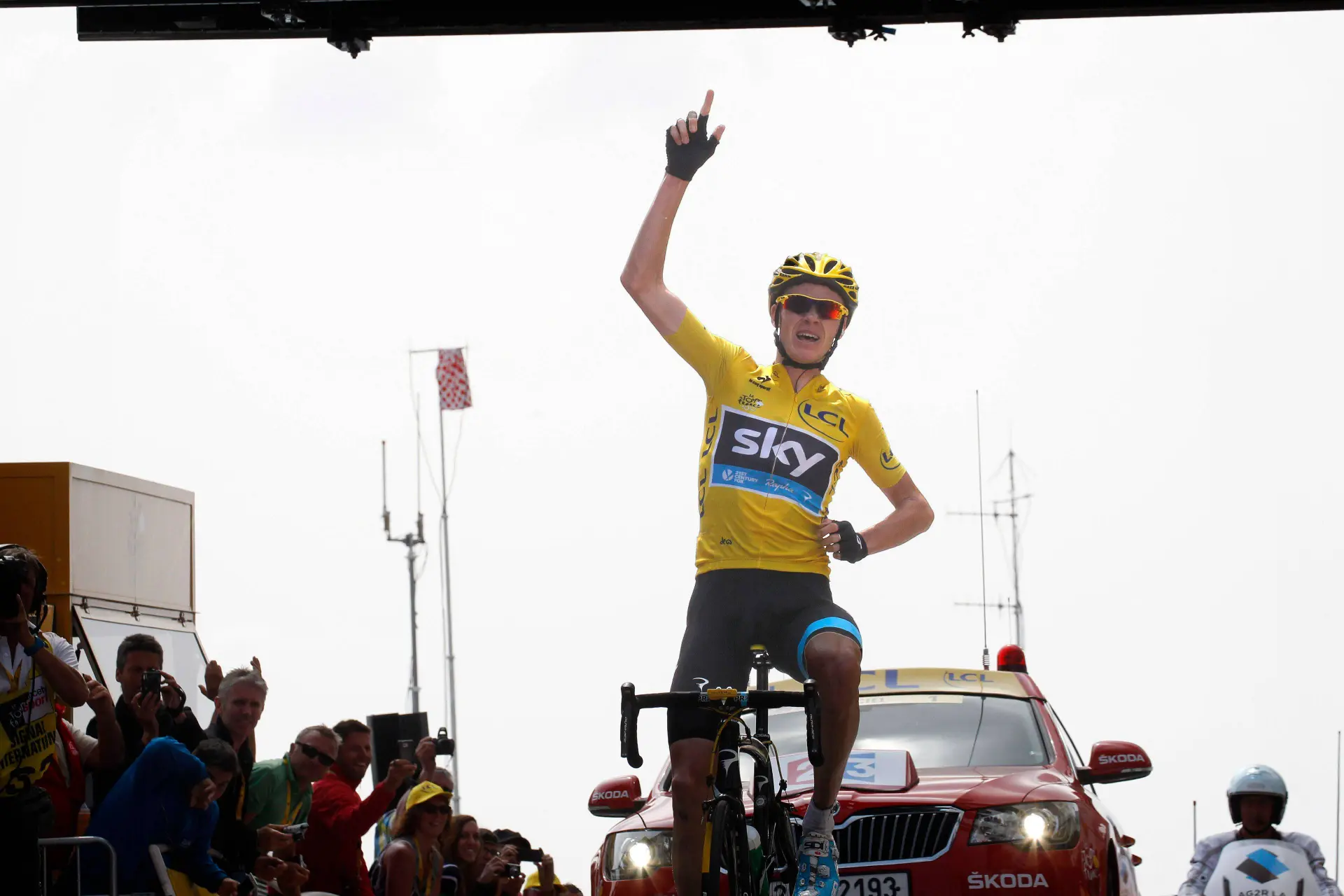
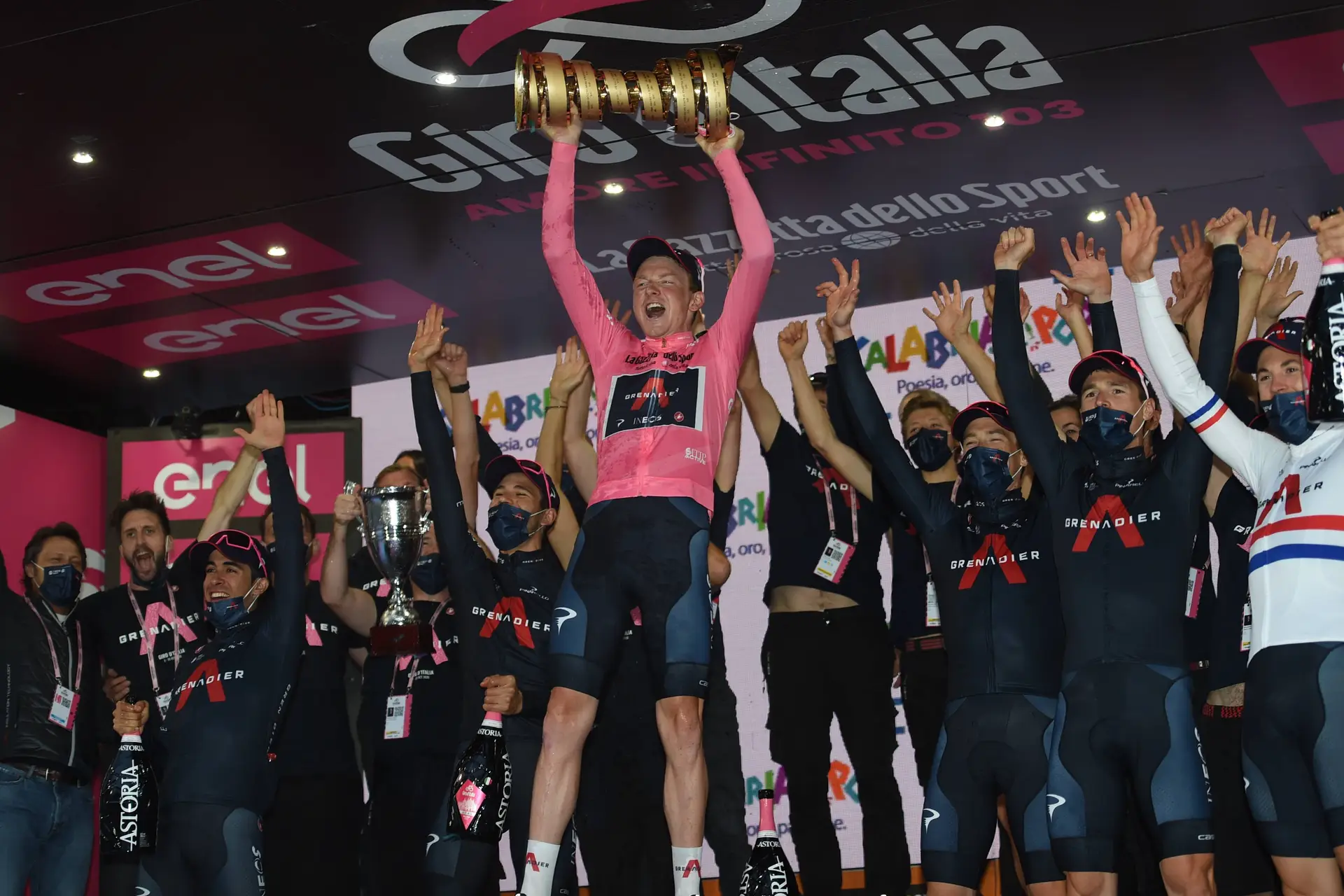
Froome won seven Grand Tours throught a decade of dominance in the 2010s
Form, Future and Fan Adoration
It would be easy to dismiss Froome as a rider hanging on too long — and some already have. His results since joining Israel - Premier Tech in 2021 have been modest at best, and his last win came in 2018. He hasn’t finished in the top 10 of any World Tour race since 2020. And with World Tour teams now operating with increasingly ruthless efficiency, it’s hard to see any top-tier squad offering him a lifeline beyond his current contract.
But to reduce Froome’s story to a decline in form would miss a deeper truth: his presence still matters. Each morning at the Tour de Pologne, he was mobbed by fans. Children, collectors, and lifelong followers queued patiently for selfies, autographs, or just a quiet moment of connection, with Froome ever obliging with the same grace that once accompanied his podium speeches in Paris, highlighting the fact his name still carries weight in the modern peloton, even if his legs can't quite produce what they used to.
Africa and a Vision Beyond the Bike
While Froome stayed non-committal about retirement, he was far more certain about what comes next. The post-racing chapter, it seems, is already in motion — and it’s a project close to his heart.
“My contract’s up at the end of this year, and I don’t know if I’ll carry on or not. But I’ve said for a long time that when I stop racing, I want to open a cycling academy in Africa,” Froome said. “I want to give young people the chance to ride and pursue a career in the sport. I believe it’s a continent on the rise — especially certain regions. Look at the marathon runners, the middle-distance guys from Ethiopia and Kenya. I think there are athletes there who could thrive in cycling too — they just haven’t had the chance.”
It’s a long-term ambition grounded in personal roots — Froome grew up in Nairobi and still speaks passionately about the potential he sees on the continent. He won’t race at next year’s World Championships in Rwanda, but said that omission doesn’t change anything. The mission now is legacy, not limelight. “My real goal is to develop a strong project — one that I’m convinced will produce some exciting new riders.”

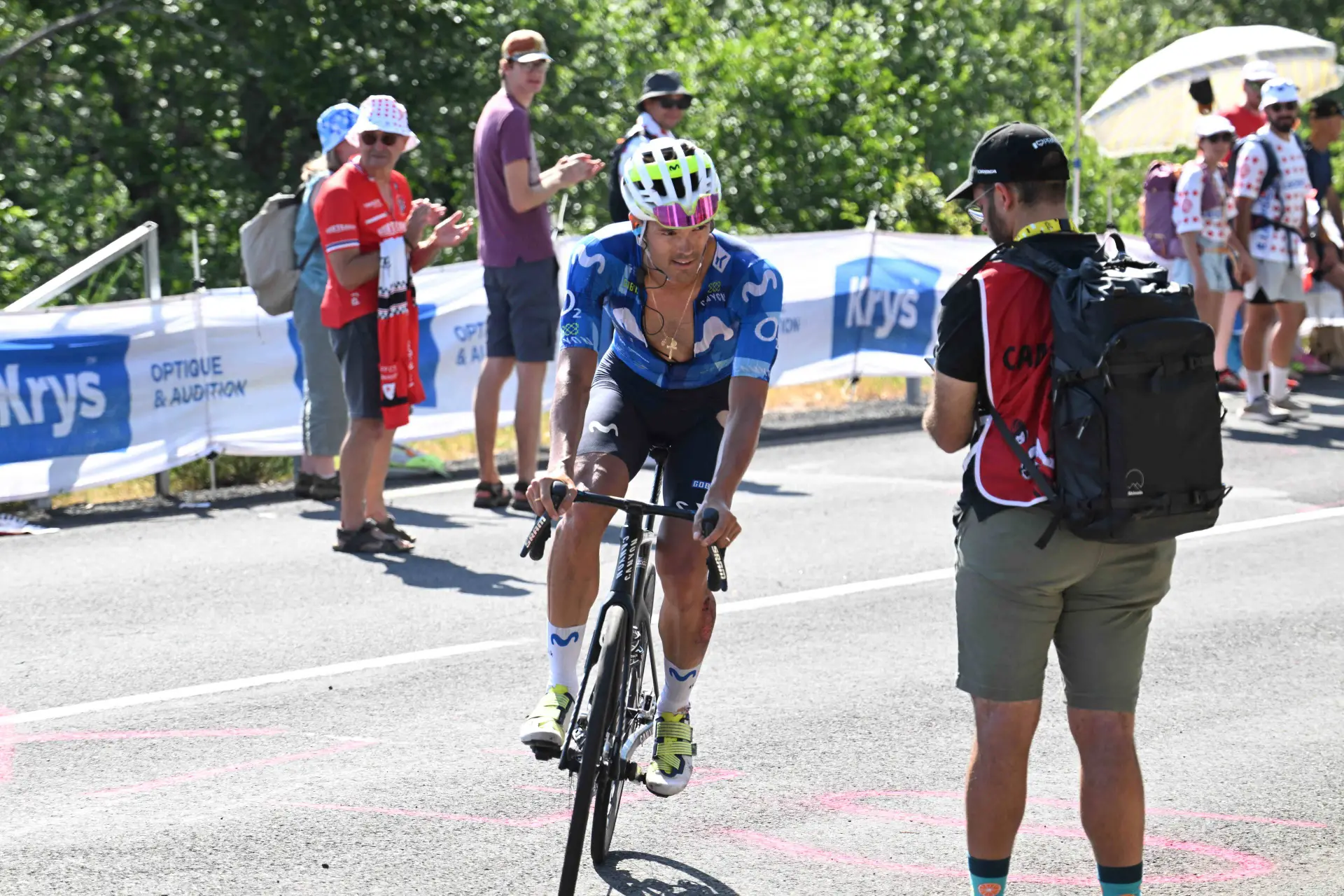
Froome has struggled to make much impact over recent seasons
The End, or not?
Froome’s refusal to announce his retirement may raise eyebrows, especially with little to show in recent seasons. But for a rider who once built his career on slow-burning development and meticulous planning, the decision to step away may come only when he's absolutely sure — and not a moment before.
Whether or not he races beyond 2025, it's increasingly clear that Froome's second act won’t be written in watts or podiums, but in opportunity — the kind he once seized himself, and now hopes to offer others.
Until then, he’ll keep pedalling. “I enjoy racing,” he said. “And for now, I’ll keep going.”

Kieran WoodDeputy Editor-in-Chief
Kieran Wood is a sports journalist based in Wales and has been active in journalism since 2022. He regularly contributes to DartsNews.com and CyclingUpToDate.com, where he covers professional cycling and darts. In cycling, his work includes liveblogs from major races, including the Tour de France, the Giro d’Italia, and La Vuelta a España, alongside race reports and analysis. He has also conducted interviews with professional riders.
His reporting spans the full racing calendar, from one-day classics to stage races, with a focus on accurate, real-time coverage and clear contextual analysis. For statistics, results, and historical context, he regularly uses resources such as ProCyclingStats. To support reporting on rider activity and training context where relevant, he also references Strava.
In his work, Kieran places strong emphasis on careful sourcing, editorial accuracy, and updating articles as new, verified information becomes available.
claps 22visitors 12
Just in
Popular news
Latest comments
- Predictable, sure! But boring??? OMG! Was Mike Tyson predictable and boring in his prime? Air Jordan? Schumacher or Senna? OMG!!!MajorPayne19-10-2026
- how it is "We’ve taken another big step forward for next year" he just lost in lombardia to a 20 year old, and two 30+ year olds. and not even top 10 for WCRR.abstractengineer19-10-2026
- This is similar to Lebron. first he said i need to consult my family , my daughter, need respectable money blah blah blah and then dont care about family , dont care about money, only onion rings, am off to Philly, very very far from family. Off season should be with family more, no?abstractengineer19-10-2026
- I hope he comes back strong for a proper battle with Tadejmij19-10-2026
- congrats to a great career and good retirement.mij19-10-2026
- Any artificial product should be reported.Any team that doesn't should be stripped of wins and fined.I know that this level of transparency does not and will never exist.All anyone can do is continue to test riders on a regular and surprise basis.If the test comes back clean then all any of us can assume is the rider is clean.
 Brucegel19-10-2026
 - Also, it's supposed to be hard to gain an advantage from drafting off Remco because he is so aero.Hills3319-10-2026
- How would stats back it up? You realise tactics involved could mean Vine saved his legs for a faster finish? Some riders can choose to go all out and fade later in the ride, others can hold steady state the whole way, and others can have a reserved start and power up later in the ride. You can't judge just by the stats unless you have power data to be able to prove Vine is riding faster even though he is putting out the same or less power (suggesting drafting). I'm sure the stats prove that Vine didn't cheat because UCI would monitor the stats to make sure this exact scenario doesn't happen (and disqualify them for drafting if the stats proved it).Pogboom19-10-2026
- Only one person would say such a thing here. Sorry to burst your bubble but I’m afraid that window of opportunity has now closed. You can beat some of the people all of the time and all of the people some of the time but you can’t beat all of the people all of the time.Jumpyjohn19-10-2026
- Both prizes are actually pathetic, almost amateur like, not even covering the cost of participatingJumpyjohn19-10-2026
Loading
6 Comments