“If Israel participates the answer is no” – Canary Islands release huge statement on hosting the Vuelta a Espana in 2026
Cycling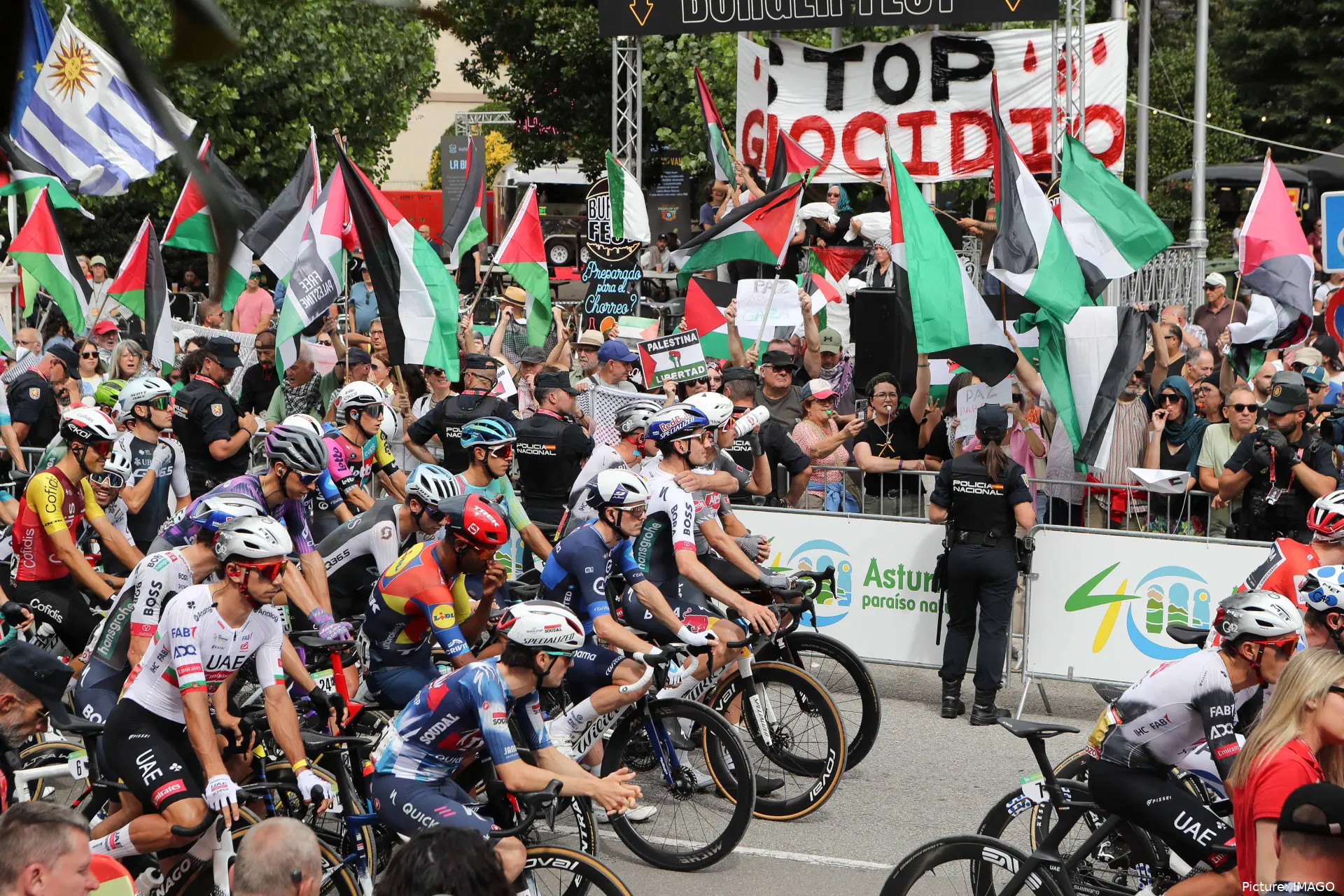
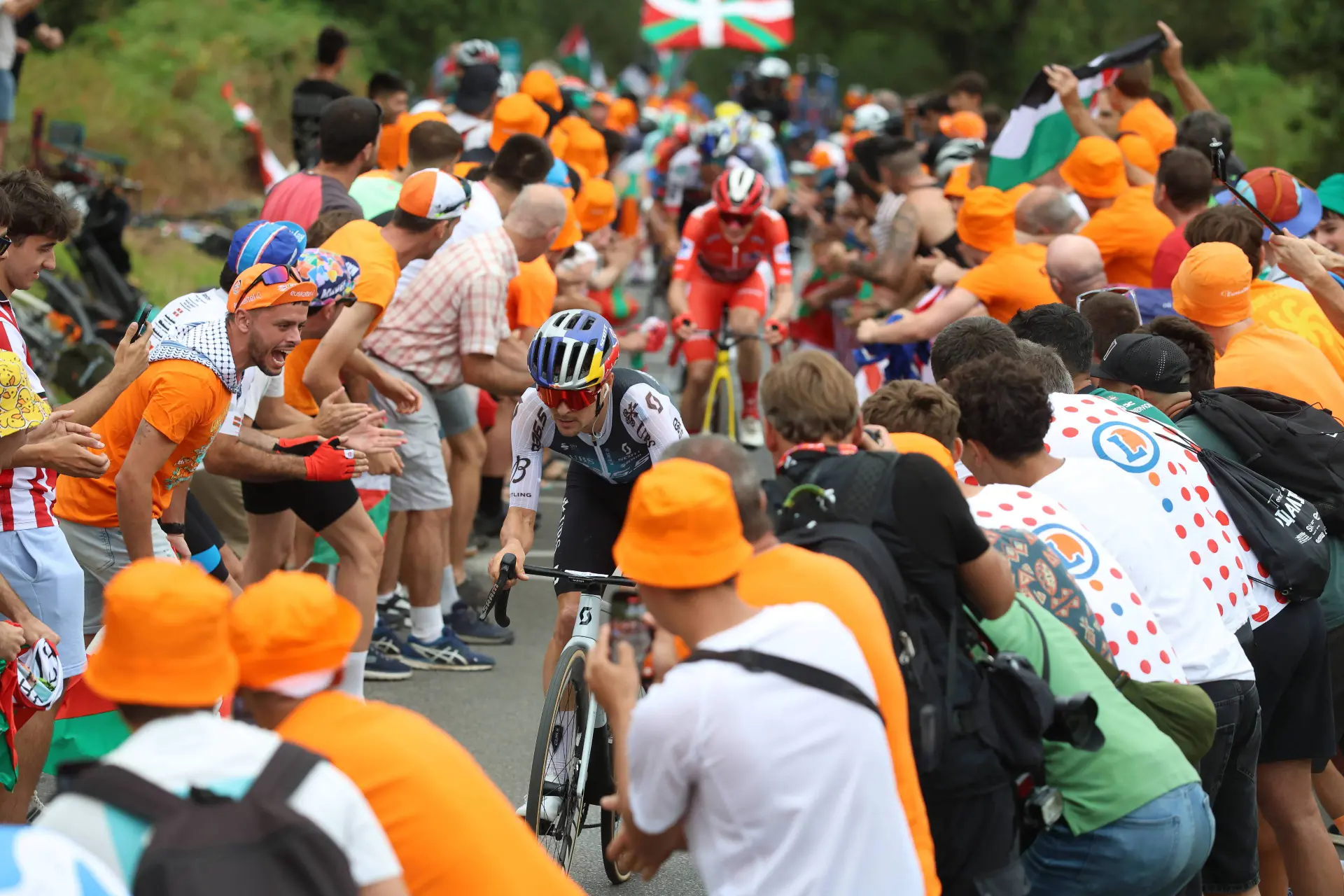
Following the dramatic events of the past three weeks at the
Vuelta a España 2025, questions already loom over the future of Spain’s grand
tour. After multiple stages were disrupted and the race ended prematurely in
Madrid due to pro-Palestinian protests, organisers face mounting uncertainty
about where and how to safely stage future editions. The 2026 Vuelta was
expected to conclude in the Canary Islands, but that plan is now in jeopardy.
Antonio Morales, president of the Gran Canaria Local
Council, was unequivocal about his stance. "I must say with absolute
conviction that if Israel participates, the answer is no. Gran Canaria is not
willing to whitewash genocide and Israel's actions through sport or in any
other way," Morales told Spanish newspaper AS.
His words strike at the heart of the debate: whether
international sport can remain neutral when political conflict is so visible
and so raw. That question has been left brutally exposed after the last three
weeks.
Morales doubled down on his position. "We'll see what
happens in the coming months, but of course, if Israel participates, Gran
Canaria will not host the Vuelta a España," he says firmly. This bombshell
declaration demonstrates how the fallout from the 2025 edition is likely to
extend far beyond Madrid, with consequences for race planning and even the
long-term credibility of cycling’s governing bodies.
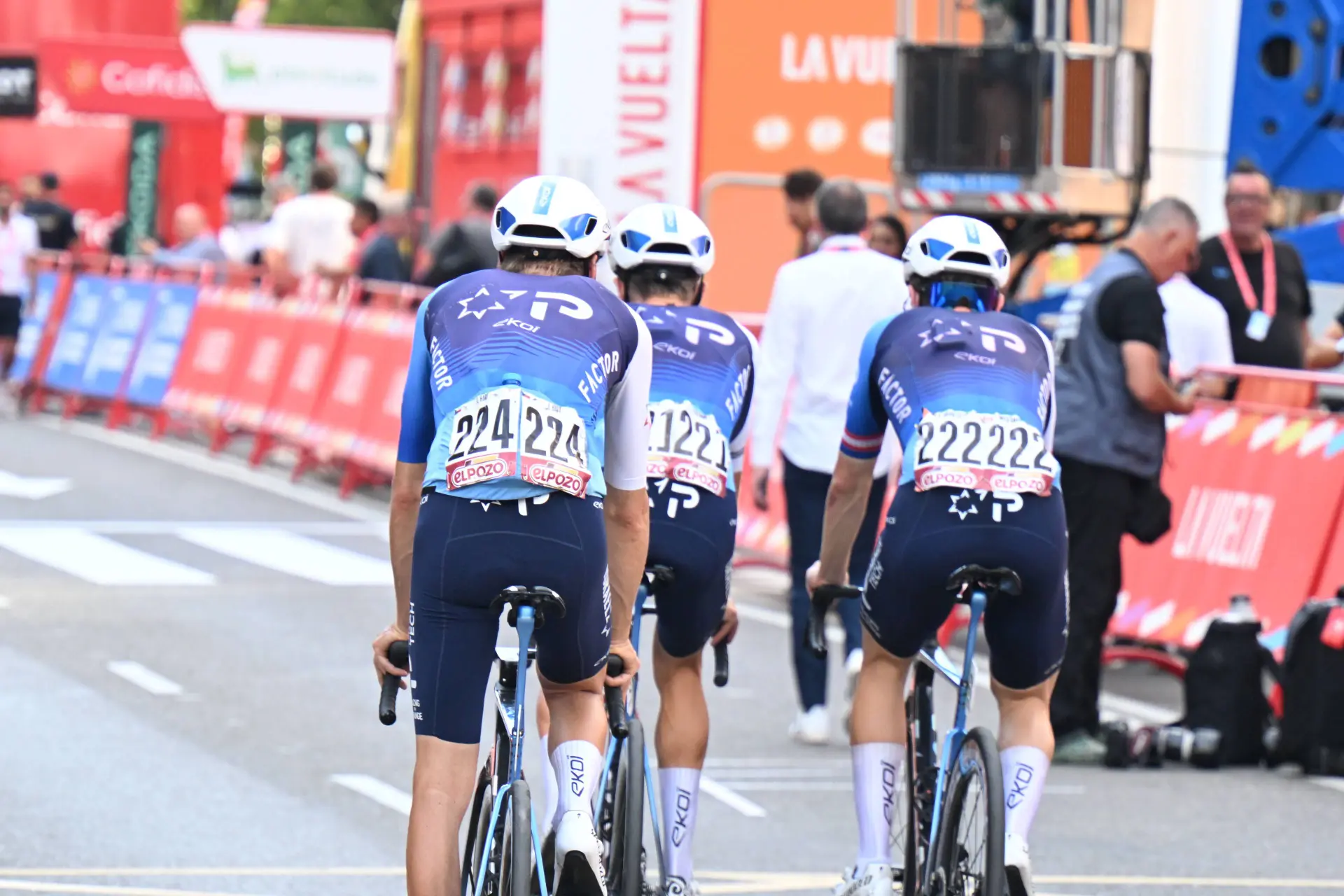
The Union Cycliste Internationale (UCI) has made its own
position clear. It has repeatedly stated that it does not intend to ban Israel -
Premier Tech from competition. The federation is following the recommendations
of the International Olympic Committee, which previously set the precedent by
barring Russian teams from international competition. Unlike Russia, however,
Israel - Premier Tech continues to be recognised by the UCI, leaving organisers
little room to maneuver if protests escalate further.
The implications stretch beyond the Vuelta. Cycling’s
biggest race, the Tour de France, is due to start in Barcelona in 2026, raising
fresh concerns after the chaos in Spain this September. Belgian broadcaster
Sporza’s Renaat Schotte warned about the broader risk: "Israel-Premier
Tech had seven riders left in the race, which is 4.5% of the peloton.
Initially, the protest was obviously aimed at those riders, but the entire
peloton is the victim."
Schotte also highlighted the political dimension of staging
major races in Spain at such a tense time. "The Tour starts next year in
Barcelona. So I think ASO, the organizer of the Tour, which is also involved in
the Vuelta, will ask Spanish politicians for guarantees," he said. In his
view, Madrid’s failures in 2025 point to the dangers of pushing ahead without
firm commitments from local authorities. "In these circumstances, it is
difficult to organise a top event like the Tour if this is hanging over your
head."
That the Vuelta collapsed under such pressure while the Tour
de France survived unscathed in July is striking. The Tour is cycling’s crown
jewel, with a larger audience, more spectators on the roads, and far greater
global reach. Yet it escaped the disruptions that plagued the Vuelta, from
Bilbao to the Angliru to Madrid. For the Tour’s organisers, that contrast is no
comfort. Instead, it underlines the fragility of cycling’s security model and
the fear that if protests return, they may choose the world’s biggest stage
next time.
As planning for the 2026 season begins, both the Vuelta and
Tour de France face the same daunting reality: cycling’s openness makes it
uniquely vulnerable. Without guarantees of protection from governments and
police forces, the prospect of neutralised stages, shortened routes, or even
cancelled finales remains real. The bombshell from Gran Canaria is a warning
that the aftershocks of the Vuelta 2025 are far from over.
Read also

Fin MajorCycling Journalist
Fin Major is a UK-based writer at CyclingUpToDate and has been part of the team since 2024. He is the site’s main writer for FAQs and evergreen explainers and has written around 2,000 pieces for the platform. Alongside this work, he focuses on in-depth analysis and covers the biggest races on the calendar, including the Tour de France, the Giro d’Italia, and La Vuelta a España, providing clear context around performance trends, tactics, and key storylines.
In his reporting, Fin uses reputable data sources such as ProCyclingStats for results, statistics, and historical context. He places strong emphasis on careful sourcing, editorial accuracy, and updating articles promptly when new, verified information becomes available. Outside of writing, Fin is an active cyclist, which supports his practical understanding of the sport and its demands.
claps 6visitors 2
Just in

Popular news
Latest comments
- He didn't even try to sprint all outvappaxbipmv18-10-2026
- Campenaerts looked like a rolling pumpkin with that all orange leaders skinsuit !frieders318-10-2026
- He can take his dumb a$$ politics somehwere else !frieders318-10-2026
- good to have her back. fingers crossed she‘ll be able to stay!Ketterechts17-10-2026
- A tenner and he wins the Tour next year, too 😂anonymouscyclist17-10-2026
- the answer is either stick to classics or GTs but not bothabstractengineer17-10-2026
- the exodus already stared with Ciccone. Already they were struggling with two sprinters, now there are three. Also Ganna will demand leadership. Gall is the most proven GC, Ayuso has the most potential. GC leadership for everybody will be impossible. Literally a UAE style mess without pogi.abstractengineer17-10-2026
- I raced as an amateur for 12 years, including six years on my country’s national road cycling team. I secured two national titles and competed in three World Championships plus more than 15 international stage races. At 23, we travelled to Italy for a training camp—or so I assumed. On a rest day, we watched a presentation about adopting a more “professional” training approach. It was crystal clear what “professional” meant. That moment first exposed me to this dilemma. After returning from Italy, I left cycling—at least at the competitive level I had known. Over the following two years, the whole team was caught doping. I hold that everyone is innocent until proven guilty. In my view, current stakeholders operate on a different scale, and the sums involved are vast. I am unsure whether any doping would ever be revealed. I try to stay positive and enjoy the show. My 2c.
 vannpelt17-10-2026
 - Fiver he wins 🤣
 leedorney17-10-2026
 - “…measures to reduce speeds.” Might as well shorten the race course to just 50km as well? ASO generates at minimum €300m a year and 30- 40% profit. Maybe stop being greedy and spend more of the profit to protect the riders instead.b3tlla17-10-2026
Loading
Write a comment