"Every rider at the Vuelta a Espana is against genocide" – Spanish legend Pedro Delgado defends peloton after anti-Israel protests turn violent in Madrid
Cycling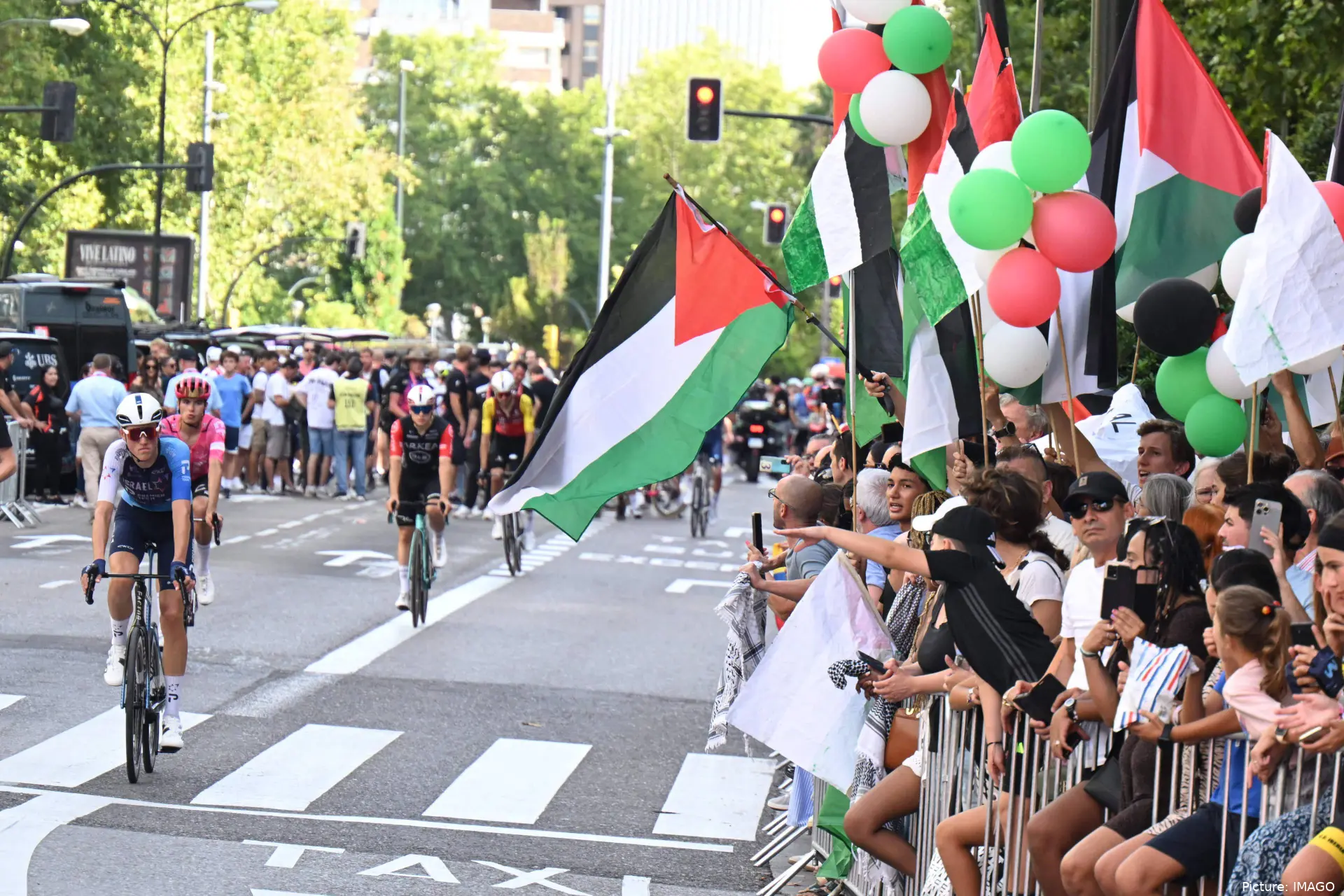
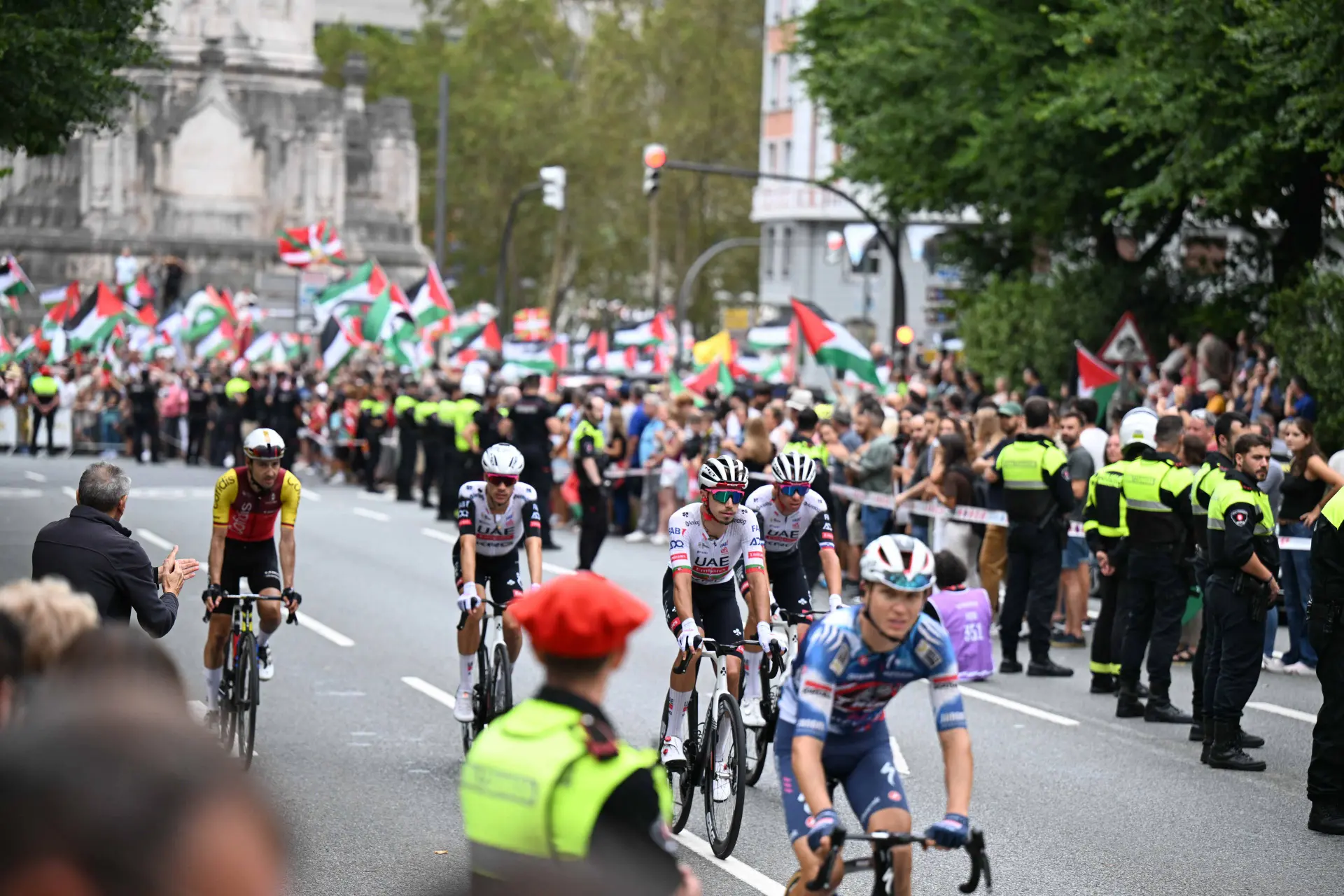
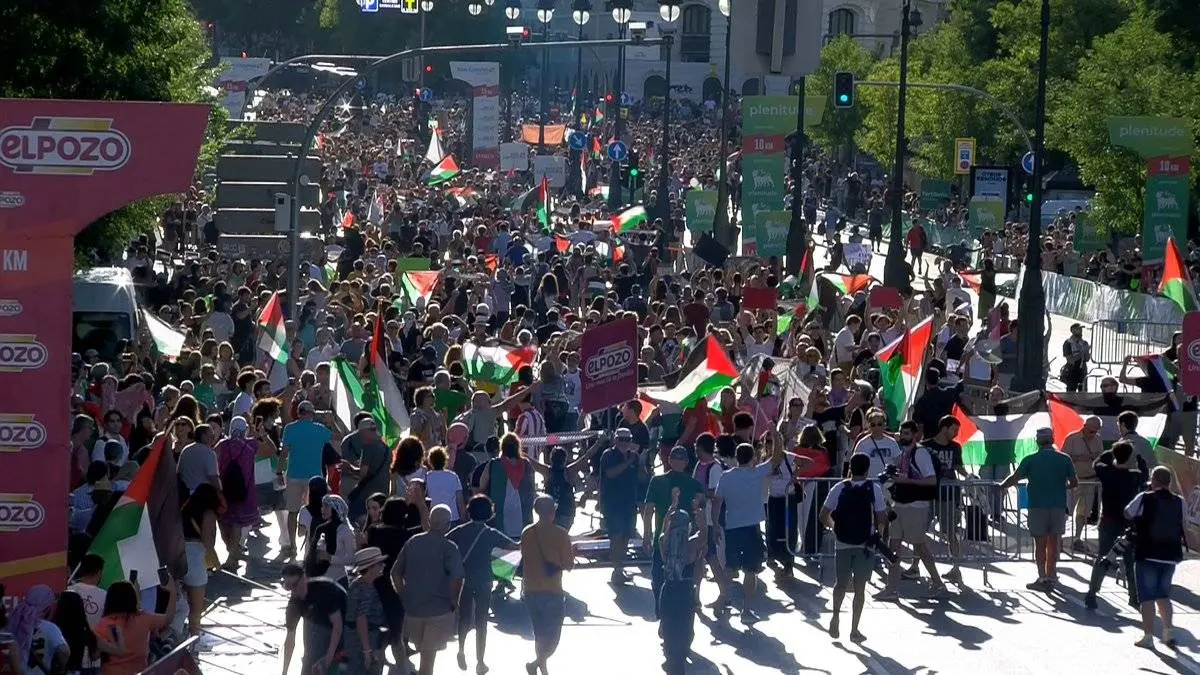
The 2025 Vuelta a Espana will be remembered for a long time. Sadly though, less for its racing than for the repeated protests that overshadowed the three-week stage race. The inclusion of Israel - Premier Tech triggered repeated demonstrations, culminating in violent clashes in Madrid and the unprecedented cancellation of the final stage, with prior days having already been neutralised or brought to a premature end.
Former Tour de France winner and long-time commentator 'Perico' Pedro Delgado has now added his voice to the debate, insisting that riders should not be blamed for the controversy. “I am against genocide. And I can tell you that all the riders there, like everyone in the Vuelta a Espana, are against what is happening. It’s natural law,” the Spaniard legend told viewers in his analysis collected by MARCA.
Delgado questioned the consistency of international sport’s response to political crises, pointing to Russia’s exclusion from most competitions following the invasion of Ukraine.
“So, how is this reconciled? Diplomacy is diplomacy. If sanctions were imposed on Russia, then why not against Israel?” he asked.
He argued that it was unfair to shift blame onto riders, organisers or the race itself when responsibility lay with governing bodies and political institutions. “Putting the focus on those without authority is shirking your own responsibility. It’s about wanting to look good while refusing to face reality,” said the three-time Grand Tour winner.
Delgado added that citizens were left “living with anguish and deep sorrow” while those with genuine decision-making power had failed to act.

Delgado has been a long-time voice of Spanish cycling since his legendary racing days
Vuelta shaped by politics as history made on the road
The 2025 edition was defined by disruption, with organisers forced into difficult compromises amid rising tensions. The Madrid finale – traditionally a celebratory sprint – was among the casualties of protest action, denying Jasper Philipsen the chance of a fourth stage win.
On the road, Jonas Vingegaard claimed his first Vuelta crown with three stage victories, reinforcing his status as one of the sport’s dominant Grand Tour riders. Tom Pidcock secured his maiden podium at a three-week race, while Philipsen still emerged with three wins despite curtailed opportunities. For the first time in the race’s history, however, no Spaniard finished inside the top 10 of the general classification – a symbolic blow in a year when the Vuelta’s identity was already under intense scrutiny.
Context: a wider debate for cycling
Delgado’s remarks come as the sport continues to wrestle with how to respond to political and humanitarian crises. The governing body, the UCI, has so far resisted calls to act on Israel - Premier Tech’s participation, while protests have raised questions about security, freedom of expression and the boundaries between sport and politics.
As seen at this year’s Vuelta, those questions are no longer theoretical: they have directly shaped racing, forced stage cancellations and left organisers scrambling to balance safety with spectacle. Delgado’s intervention highlights the growing pressure on institutions above the peloton to provide clarity on an issue that is unlikely to fade any time soon.
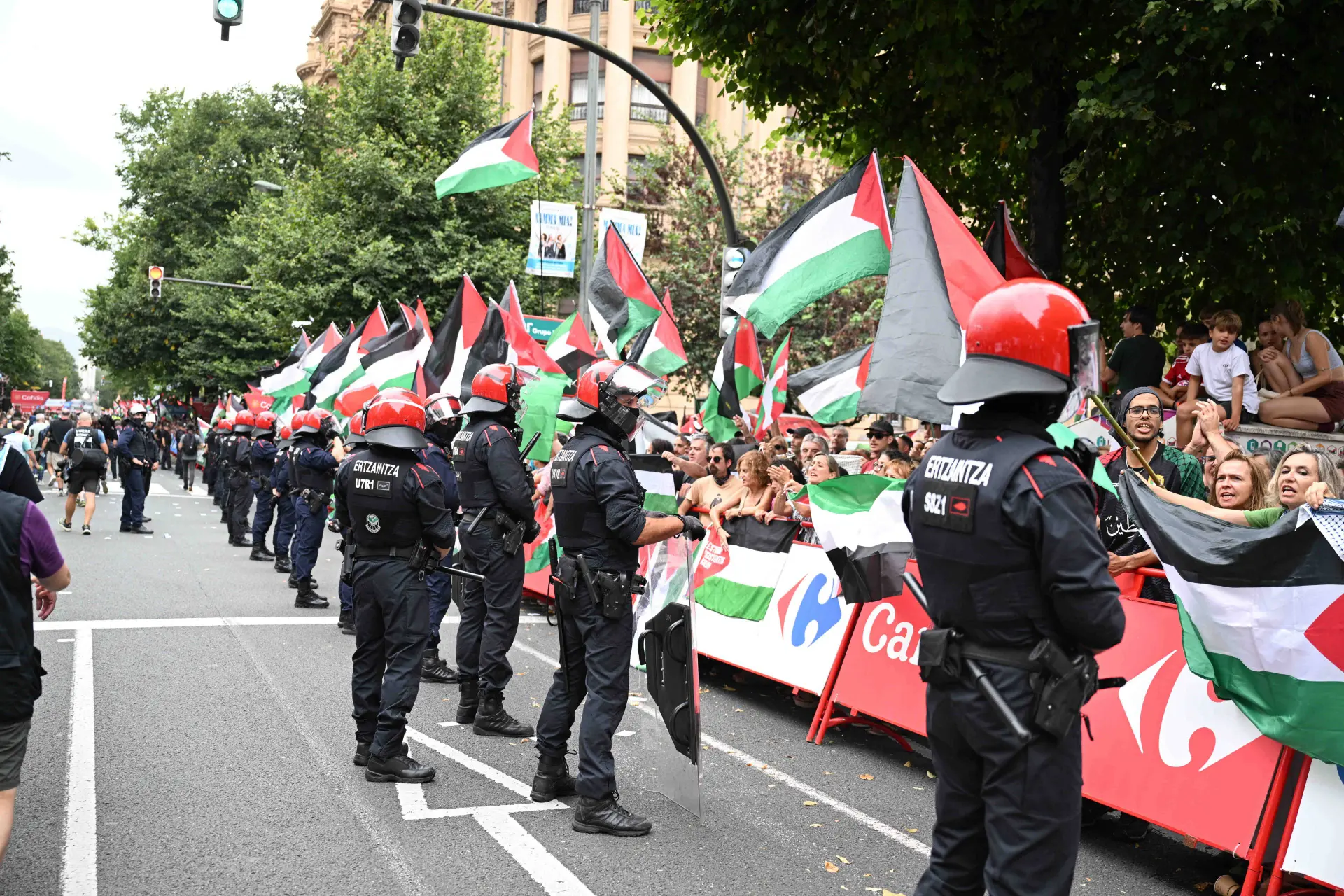
We all feared that it will happen and it happened, the Vuelta had to be stopped because of these "protests". #LaVuelta25 pic.twitter.com/G2UhNsLLlf
— Lukáš Ronald Lukács (@lucasaganronald) September 14, 2025

Kieran WoodDeputy Editor-in-Chief
Kieran Wood is a sports journalist based in Wales and has been active in journalism since 2022. He regularly contributes to DartsNews.com and CyclingUpToDate.com, where he covers professional cycling and darts. In cycling, his work includes liveblogs from major races, including the Tour de France, the Giro d’Italia, and La Vuelta a España, alongside race reports and analysis. He has also conducted interviews with professional riders.
His reporting spans the full racing calendar, from one-day classics to stage races, with a focus on accurate, real-time coverage and clear contextual analysis. For statistics, results, and historical context, he regularly uses resources such as ProCyclingStats. To support reporting on rider activity and training context where relevant, he also references Strava.
In his work, Kieran places strong emphasis on careful sourcing, editorial accuracy, and updating articles as new, verified information becomes available.
claps 7visitors 2
Just in
Popular news

Latest comments
- Bernal won the Tour because his attack stuck after Thomas’s was reeled in, and then they ended the stage due to the landslide - a deserved win, but contingent on many things. He won the Giro with quality and skill. And then, like so often happens for the cruelest of reasons, his injuries left him an incomplete version of his former self. He’s had a great career, what a great GC rider (8 of his 23 wins are GC, including 2 grand tours and 2 of the 7 major GC races), but already was struggling after COVID. I wish him the best, and if he retires, he should retire with pride for a career well done!RidesHills07-10-2026
- Roglič? In an interview he’ll continue to be hilariously dry about his goals, emphasize that he’s still having fun, and keep churning along until he doesn’t want to do this anymore. “Ah, you know, 100 wins would be nice, but eh - it’s just a number. I have fun, you know?” I can almost hear him saying those words. He’s not heading for low rank races to get the wins, he continues to race the major races (and I suspect would have won the Vuelta again were it not for that awful accident and that disgusting purple leg right before racing began).RidesHills07-10-2026
- BTW the list of classics you gave from PCS is participation, not winning
 Rafionain-Glas07-10-2026
 - Yes, though we saw that last week already.Jumpyjohn07-10-2026
- Or that riders get out in time.Jumpyjohn07-10-2026
- Hope he doesn’t stick with it just for that, would hate to see him exhibiting any has been footballer behaviour.Jumpyjohn07-10-2026
- Yep, that’s about it, couldn’t imagine someone wouldn’t get that.Jumpyjohn07-10-2026
- Time for your meds I thinkJumpyjohn07-10-2026
- No surprise here. Nice the oldies are having success, not the first discipline where you expect age to be an advantageJumpyjohn07-10-2026
- Any idea why Remco wasn’t there, Lombardia?Jumpyjohn07-10-2026
Loading
Write a comment