“Suspending a team could be an option – but I don’t know what the legal consequences would be” - Tour de Suisse boss fears for his race if protests continue
Cycling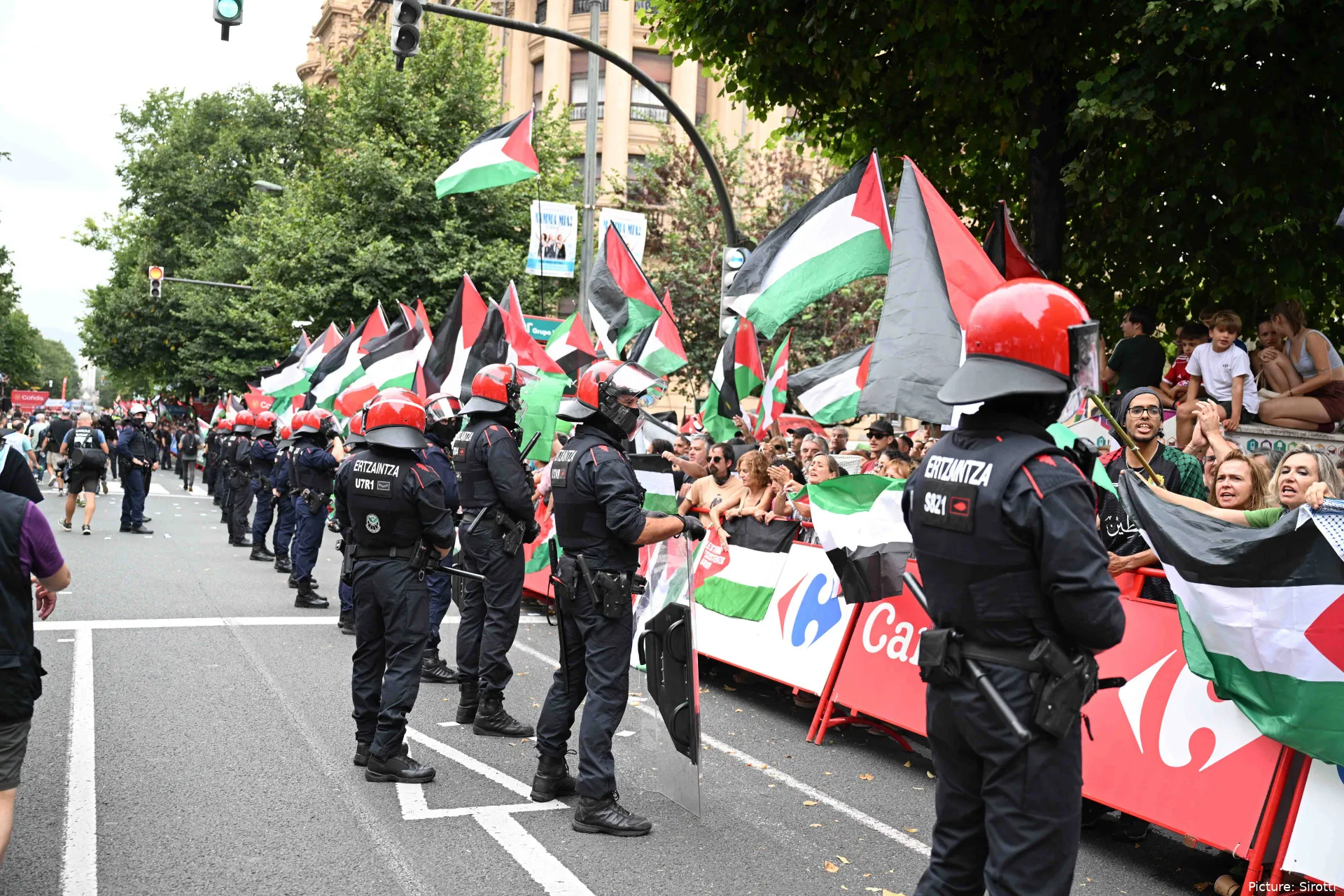
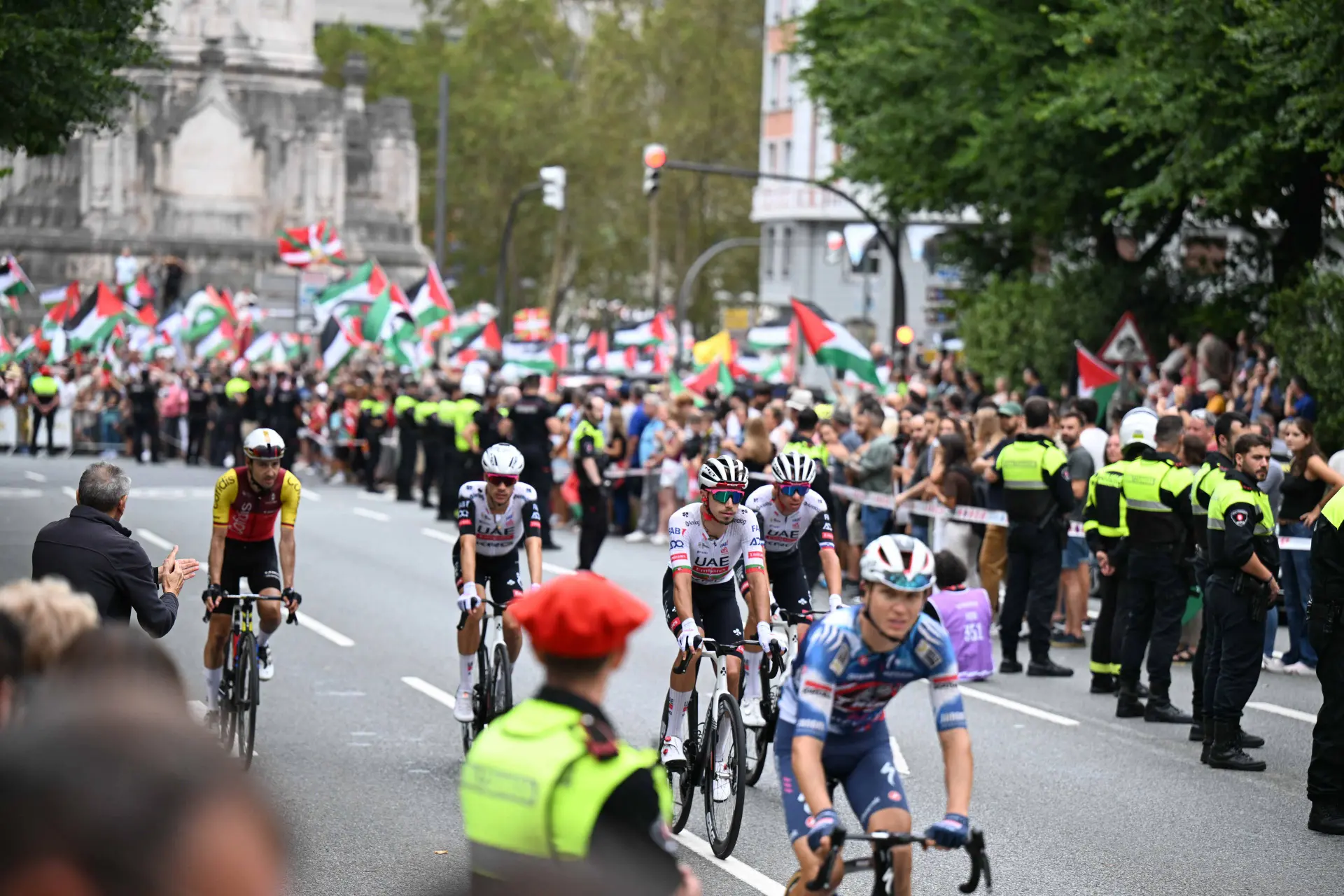
The chaos that engulfed the 2025 Vuelta a Espana has left a lasting mark on the peloton – and a warning sign for the rest of the racing calendar. For three weeks, pro-Palestinian protesters repeatedly disrupted Spain’s Grand Tour: invading finish zones, scattering thumbtacks and shards of glass across the tarmac, felling a tree on the race route and even targeting the Israel - Premier Tech team with direct threats.
It was a volatile cocktail of politics and sport that left riders shaken and organisers firefighting. Now, Olivier Senn, director of the Tour de Suisse, admits the events in Spain have forced him to consider uncomfortable questions about the vulnerability of his own race.
“Quite simply, it would be a nightmare,” Senn says in comments collected by Blick. “Cycling is a soft target for protests – we race on public roads, and the sport is accessible to everyone. That is our strength, but in moments like this it also becomes our weakness.”
Lessons from the Vuelta
Despite escalating disruption, the Vuelta organisers never considered expelling Israel - Premier Tech from the race, citing UCI regulations. The governing body backed that stance, but the refusal to act arguably emboldened demonstrators further.
Senn, though, believes organisers may need greater flexibility: “The UCI rules also state that the organiser is responsible for the safety of everyone involved. For me, suspending a team could be an option if it helped improve the situation. But I don’t know what the legal consequences of such a measure would be.”
It is a statement that cuts to the heart of cycling’s dilemma: how to protect riders and staff without trampling on the principles of inclusivity and fair competition.

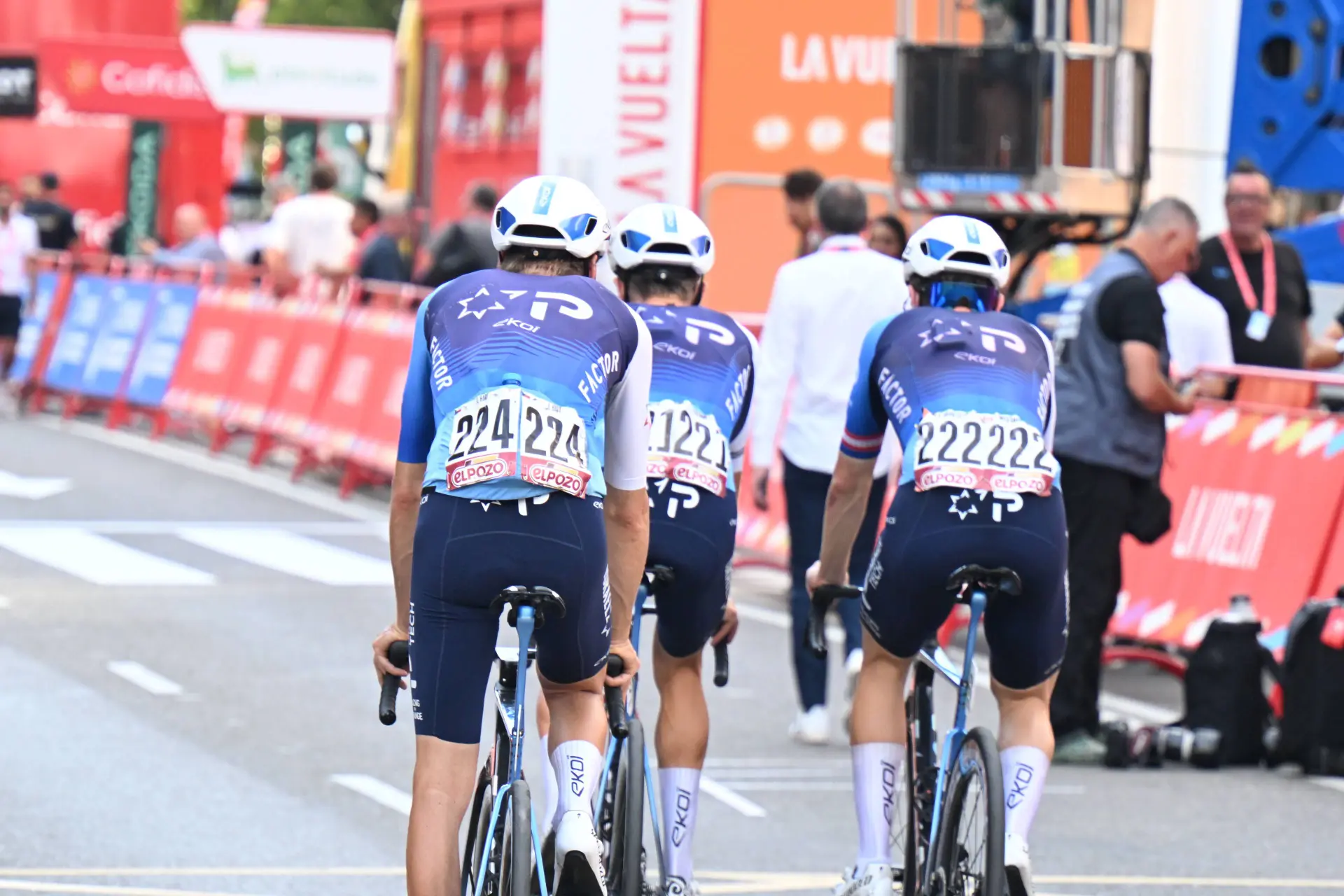
Israel - Premier Tech were the main targets of the protests
Tour de Suisse response
In practical terms, the Tour de Suisse will now review its existing security protocols in partnership with cantonal police. The aim is to pre-empt similar scenes before they ever reach Swiss roads. “The events of the past weeks have caused me growing concern,” Senn admits. “I believe in freedom of expression. But when protests escalate to the point where athletes and bystanders are endangered, that is simply unacceptable.”
Cycling has faced politically charged demonstrations before, but rarely with the persistence and intensity witnessed at the Vuelta. To many, it feels like a watershed moment. “It’s a shame, because after these three weeks in Spain, from my point of view there are only losers,” Senn concludes.
His words will resonate with anyone who treasures the unique accessibility of the sport – the chance to lean over barriers, brush shoulders with champions, and watch the world’s best pass by for free. Whether cycling can preserve that spirit while guarding against politically motivated disruption may prove one of the sport’s toughest balancing acts in the years to come.
We all feared that it will happen and it happened, the Vuelta had to be stopped because of these "protests". #LaVuelta25 pic.twitter.com/G2UhNsLLlf
— Lukáš Ronald Lukács (@lucasaganronald) September 14, 2025
Kieran WoodDeputy Editor-in-Chief
Kieran Wood is a sports journalist based in Wales and has been active in journalism since 2022. He regularly contributes to DartsNews.com and CyclingUpToDate.com, where he covers professional cycling and darts. In cycling, his work includes liveblogs from major races, including the Tour de France, the Giro d’Italia, and La Vuelta a España, alongside race reports and analysis. He has also conducted interviews with professional riders.
His reporting spans the full racing calendar, from one-day classics to stage races, with a focus on accurate, real-time coverage and clear contextual analysis. For statistics, results, and historical context, he regularly uses resources such as ProCyclingStats. To support reporting on rider activity and training context where relevant, he also references Strava.
In his work, Kieran places strong emphasis on careful sourcing, editorial accuracy, and updating articles as new, verified information becomes available.
claps 1visitors 1
Just in
Popular news

Latest comments
- Bernal won the Tour because his attack stuck after Thomas’s was reeled in, and then they ended the stage due to the landslide - a deserved win, but contingent on many things. He won the Giro with quality and skill. And then, like so often happens for the cruelest of reasons, his injuries left him an incomplete version of his former self. He’s had a great career, what a great GC rider (8 of his 23 wins are GC, including 2 grand tours and 2 of the 7 major GC races), but already was struggling after COVID. I wish him the best, and if he retires, he should retire with pride for a career well done!RidesHills07-10-2026
- Roglič? In an interview he’ll continue to be hilariously dry about his goals, emphasize that he’s still having fun, and keep churning along until he doesn’t want to do this anymore. “Ah, you know, 100 wins would be nice, but eh - it’s just a number. I have fun, you know?” I can almost hear him saying those words. He’s not heading for low rank races to get the wins, he continues to race the major races (and I suspect would have won the Vuelta again were it not for that awful accident and that disgusting purple leg right before racing began).RidesHills07-10-2026
- BTW the list of classics you gave from PCS is participation, not winning
 Rafionain-Glas07-10-2026
 - Yes, though we saw that last week already.Jumpyjohn07-10-2026
- Or that riders get out in time.Jumpyjohn07-10-2026
- Hope he doesn’t stick with it just for that, would hate to see him exhibiting any has been footballer behaviour.Jumpyjohn07-10-2026
- Yep, that’s about it, couldn’t imagine someone wouldn’t get that.Jumpyjohn07-10-2026
- Time for your meds I thinkJumpyjohn07-10-2026
- No surprise here. Nice the oldies are having success, not the first discipline where you expect age to be an advantageJumpyjohn07-10-2026
- Any idea why Remco wasn’t there, Lombardia?Jumpyjohn07-10-2026
Loading
Write a comment