"Casual viewers link performances like these with doping. That's the sport's legacy - But the presumption of innocence applies": Tadej Pogacar defended against suspicion
Cycling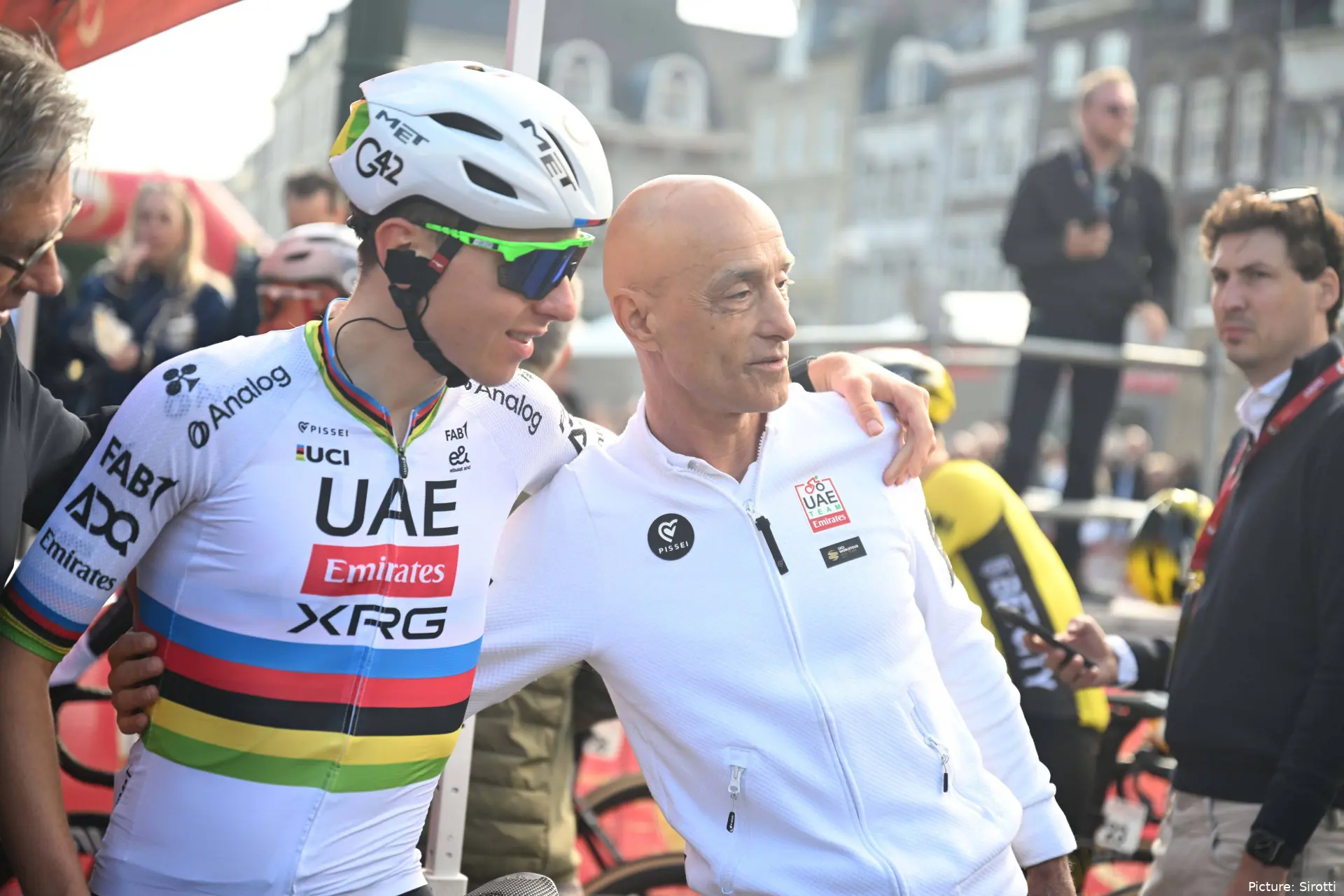
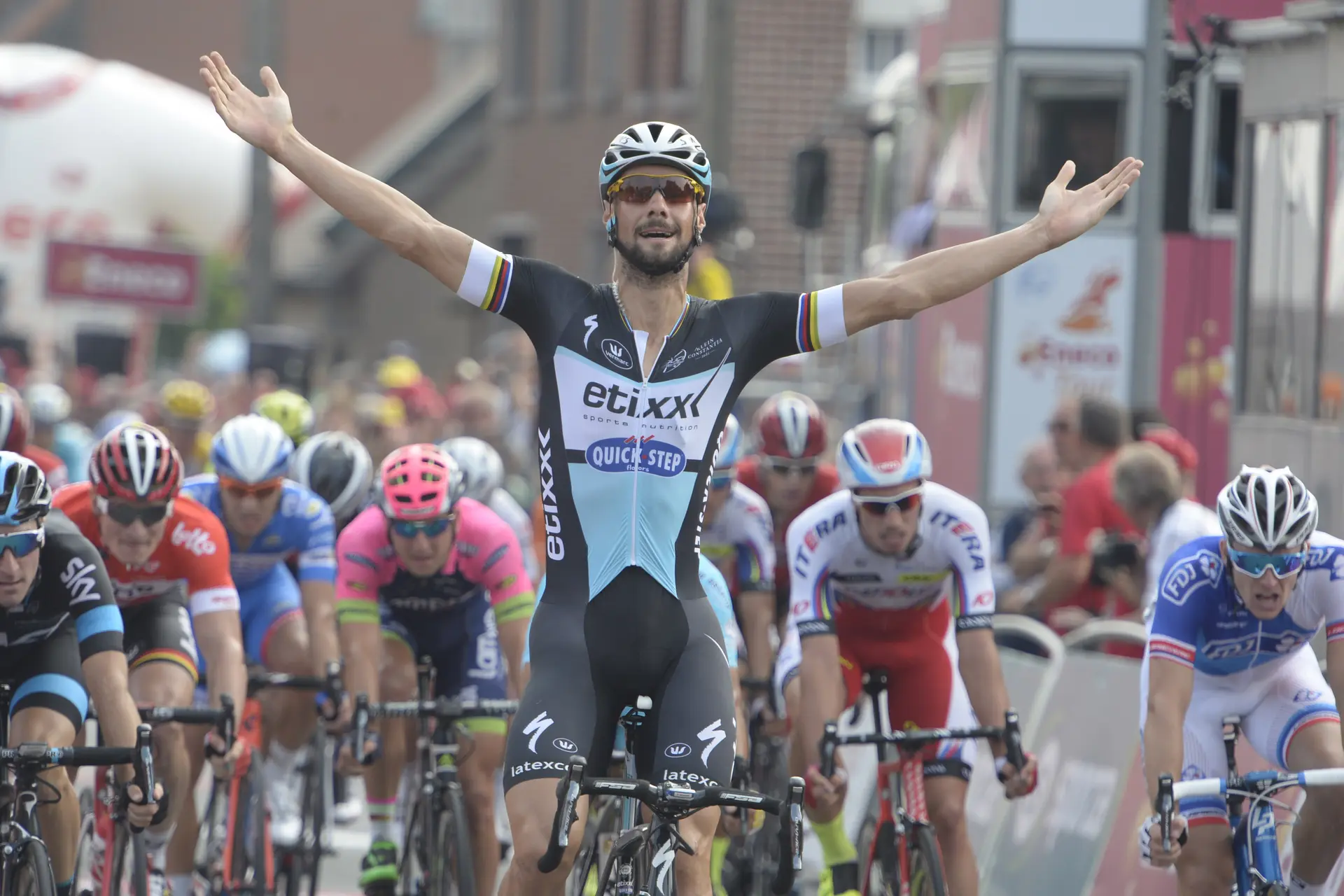
For years now, Tadej Pogacar has been shattering convention and, in 2025, he has taken that to a frankly ridiculous level. Nineteen victories and counting — including the Tour de France, the World and European Championships, plus multiple Monuments — delivered not through cagey race craft, but often through audacious solo raids that make the Slovenian feel on a completely different level to his rivals.
But while fans marvel, others raise eyebrows. For some casual viewers, such dominance can’t be separated from cycling’s darker history. “Casual viewers tend to link performances like these with doping. That’s the sport’s legacy,” explains veteran commentator Karsten Migels in an interview with Eurosport.de. “But of course, the presumption of innocence applies. I make a point of underlining that during every broadcast.”
Migels has been calling the world’s biggest races for Eurosport since the late 1990s. He has seen generations of champions come and go, their reputations burnished or bruised by suspicion. Pogacar’s dominance, he says, inevitably lands in that uncomfortable overlap between awe and doubt — but that doesn’t make the achievements any less real.
“It’s not easy to explain such performances in a way that satisfies everyone,” Migels said. “Cycling has this history. But there is also room to admire the racing itself.”
A phenomenon in full flight
The raw numbers speak volumes. Pogacar has 19 wins so far this year — 51 of his 107 career victories have come solo. His triumphs at the Worlds and Europeans this season were built on long-range attacks that shattered the field.
Such bold, attacking racing is precisely what drew Migels — and millions of fans — to Pogacar in the first place. “That’s his style. This is how he wants to race and shape the action,” Migels said. “Four or five years ago, when he was still relatively unknown, it was refreshing. He attacked early, spoke frankly, and brought a spark to the sport — a bit like Peter Sagan did back then.”
But the very style that makes him thrilling to watch also feeds the doubts of those who remember cycling’s recent past. Dominance on this scale feels unfamiliar in the modern era — and familiarity, for many, still means suspicion.
No one untouched by the sport’s legacy
“Many people love to watch when he goes 85 kilometres alone at Strade Bianche or 75 kilometres at the Europeans,” Migels added. “But it also unsettles some fans. They ask themselves how this is possible, and we’re back to the doping debate. You can see it in online forums. That’s unfortunate, but his racing style has to be respected and accepted.”
Pogacar, of course, has never failed a test nor been implicated in any scandal. But sadly, cycling’s long shadow remains, and even its brightest stars live under it.
Read also

A champion — and a human being
Behind the record-breaking numbers, Migels also sees a rider who commands respect in the peloton. “Tadej is a very likeable person,” he said. “He approaches everything openly, whether it’s a race or an interview. Teammates like Nils Politt say he’s easy to get along with, even if he doesn’t hand out many gifts on the road.”
When he does, it’s by choice — like at the GP de Montréal earlier this year, when he allowed teammate Brandon McNulty to take the win. “McNulty had worked incredibly hard, and without him, Pogacar wouldn’t be as successful,” Migels noted. “It was the right thing to do.”
The toll of greatness
It’s not just the racing that weighs heavy. Pogacar has already hinted at retiring after the 2028 Summer Olympics in Los Angeles.
“The demands on him are enormous,” Migels said. “He can’t even go for a walk or grab a coffee without being recognised. That’s before the races, press conferences, media commitments, or preparation for the Giro d'Italia and the Tour. At some point, the mental energy runs out.”

The Eddy Merckx of the modern era?
As his legacy grows, so too will the debate about where Pogacar stands among the sport’s legends. Comparisons to Eddy Merckx are already inevitable.
“It’s impossible to compare eras perfectly,” Migels cautioned. “But as Jan Ullrich put it, Pogacar will likely be remembered as the Eddy Merckx of the modern era. And yes, the doping question will always be raised. But he’s made it clear that he couldn’t imagine going down that path.”
If he carries on down this road, Pogacar may end his career not only as the defining rider of his generation, but as one of the few to dominate so completely while winning over a sport that has learned to mistrust greatness.
Kieran WoodDeputy Editor-in-Chief
Kieran Wood is a sports journalist based in Wales and has been active in journalism since 2022. He regularly contributes to DartsNews.com and CyclingUpToDate.com, where he covers professional cycling and darts. In cycling, his work includes liveblogs from major races, including the Tour de France, the Giro d’Italia, and La Vuelta a España, alongside race reports and analysis. He has also conducted interviews with professional riders.
His reporting spans the full racing calendar, from one-day classics to stage races, with a focus on accurate, real-time coverage and clear contextual analysis. For statistics, results, and historical context, he regularly uses resources such as ProCyclingStats. To support reporting on rider activity and training context where relevant, he also references Strava.
In his work, Kieran places strong emphasis on careful sourcing, editorial accuracy, and updating articles as new, verified information becomes available.
claps 8visitors 5
Just in

Popular news
Latest comments
- He didn't even try to sprint all outvappaxbipmv18-10-2026
- Campenaerts looked like a rolling pumpkin with that all orange leaders skinsuit !frieders318-10-2026
- He can take his dumb a$$ politics somehwere else !frieders318-10-2026
- good to have her back. fingers crossed she‘ll be able to stay!Ketterechts17-10-2026
- A tenner and he wins the Tour next year, too 😂anonymouscyclist17-10-2026
- the answer is either stick to classics or GTs but not bothabstractengineer17-10-2026
- the exodus already stared with Ciccone. Already they were struggling with two sprinters, now there are three. Also Ganna will demand leadership. Gall is the most proven GC, Ayuso has the most potential. GC leadership for everybody will be impossible. Literally a UAE style mess without pogi.abstractengineer17-10-2026
- I raced as an amateur for 12 years, including six years on my country’s national road cycling team. I secured two national titles and competed in three World Championships plus more than 15 international stage races. At 23, we travelled to Italy for a training camp—or so I assumed. On a rest day, we watched a presentation about adopting a more “professional” training approach. It was crystal clear what “professional” meant. That moment first exposed me to this dilemma. After returning from Italy, I left cycling—at least at the competitive level I had known. Over the following two years, the whole team was caught doping. I hold that everyone is innocent until proven guilty. In my view, current stakeholders operate on a different scale, and the sums involved are vast. I am unsure whether any doping would ever be revealed. I try to stay positive and enjoy the show. My 2c.
 vannpelt17-10-2026
 - Fiver he wins 🤣
 leedorney17-10-2026
 - “…measures to reduce speeds.” Might as well shorten the race course to just 50km as well? ASO generates at minimum €300m a year and 30- 40% profit. Maybe stop being greedy and spend more of the profit to protect the riders instead.b3tlla17-10-2026
Loading
4 Comments