ANALYSIS | Why Wout van Aert finally conquered Paris-Roubaix - the 3 moments that changed everything in 2026
CyclingMonday, 13 April 2026 at 19:00
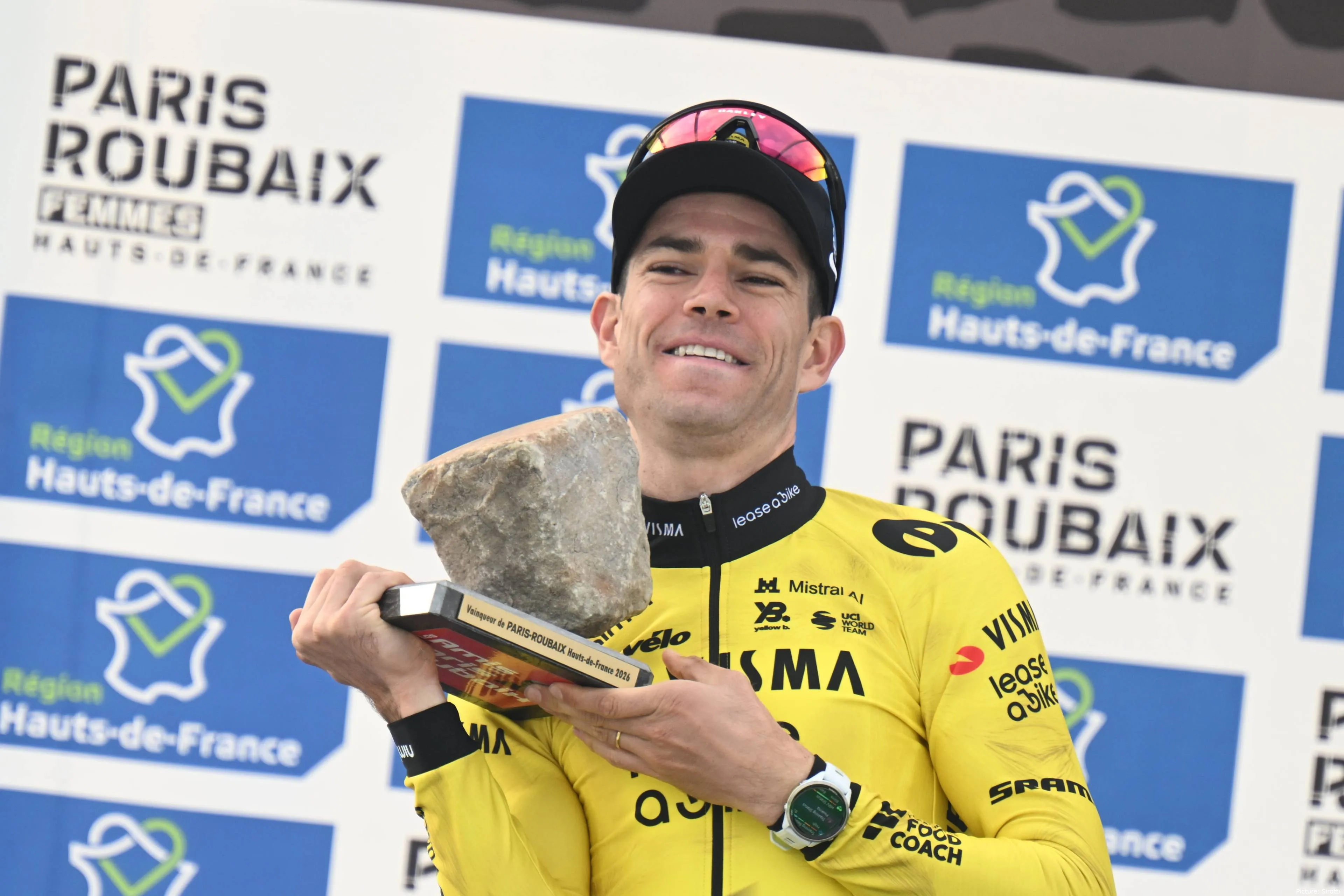
Wout van Aert has never been just another rider. But for all his success, there has always been a lingering narrative around what he had not yet done.
Cycling has seen its share of so-called “eternal seconds”, with Raymond Poulidor the most famous example. Van Aert never truly belonged in that category, but the comparison lingered. He has won across the calendar, delivered on the biggest stages and played a decisive role in team success, including multiple Grand Tour victories alongside Jonas Vingegaard.
Yet in the Monuments, the races that define legacies, something was missing. One Milano-Sanremo stood against the growing tally of his great rival Mathieu van der Poel, who had continued to collect wins on cycling’s biggest one-day stages.
For years, Van Aert had been the rider who could do everything. Win stages, dominate crosswinds, support leaders, animate races. But in the biggest one-day races, the defining moment often slipped away. At Paris-Roubaix 2026, that changed. And it did not happen by chance.
1. The form was there, even without the wins
On paper, Van Aert arrived at the spring’s biggest races without a victory. In reality, his performances told a very different story. From Strade Bianche through to the Tour of Flanders, he was consistently present where it mattered most. A third place at Milano-Sanremo, against riders like Tadej Pogacar and Van der Poel, underlined that he was operating at the highest level.
Even earlier in the season, there were signs that his condition was building. His Tirreno-Adriatico campaign showed he was still finding rhythm, but by the time the Classics began in earnest, the trajectory was clear.
At Dwars door Vlaanderen, he again showed the legs to win, only to be caught late on. In the Tour of Flanders, he could not follow the very best on the steepest climbs, with Pogacar, Van der Poel and Remco Evenepoel proving stronger on the bergs, but he still finished fourth.
There were no wins, but there was consistency, presence, and strength. By the time Roubaix arrived, the question was no longer whether he had the legs, but whether everything would finally align.
2. The move that broke the race
Much of the post-race focus centred on the sprint in Roubaix, but the decisive moment came earlier, in a phase of the race that has perhaps received less attention. At a key point, as Van der Poel began to close rapidly with a dangerous chasing group, the race was on the verge of being reset. The gap was shrinking, the dynamic shifting. Rather than wait, Van Aert made the race.
On sector 18, with the situation becoming increasingly dangerous behind, he launched the move that split everything apart. He went clear alongside Pogacar and Mads Pedersen, immediately committing to a new race situation.
That acceleration did more than just create a gap. It removed uncertainty. It forced the strongest riders to the front and, crucially, shut the door on the chasers behind.
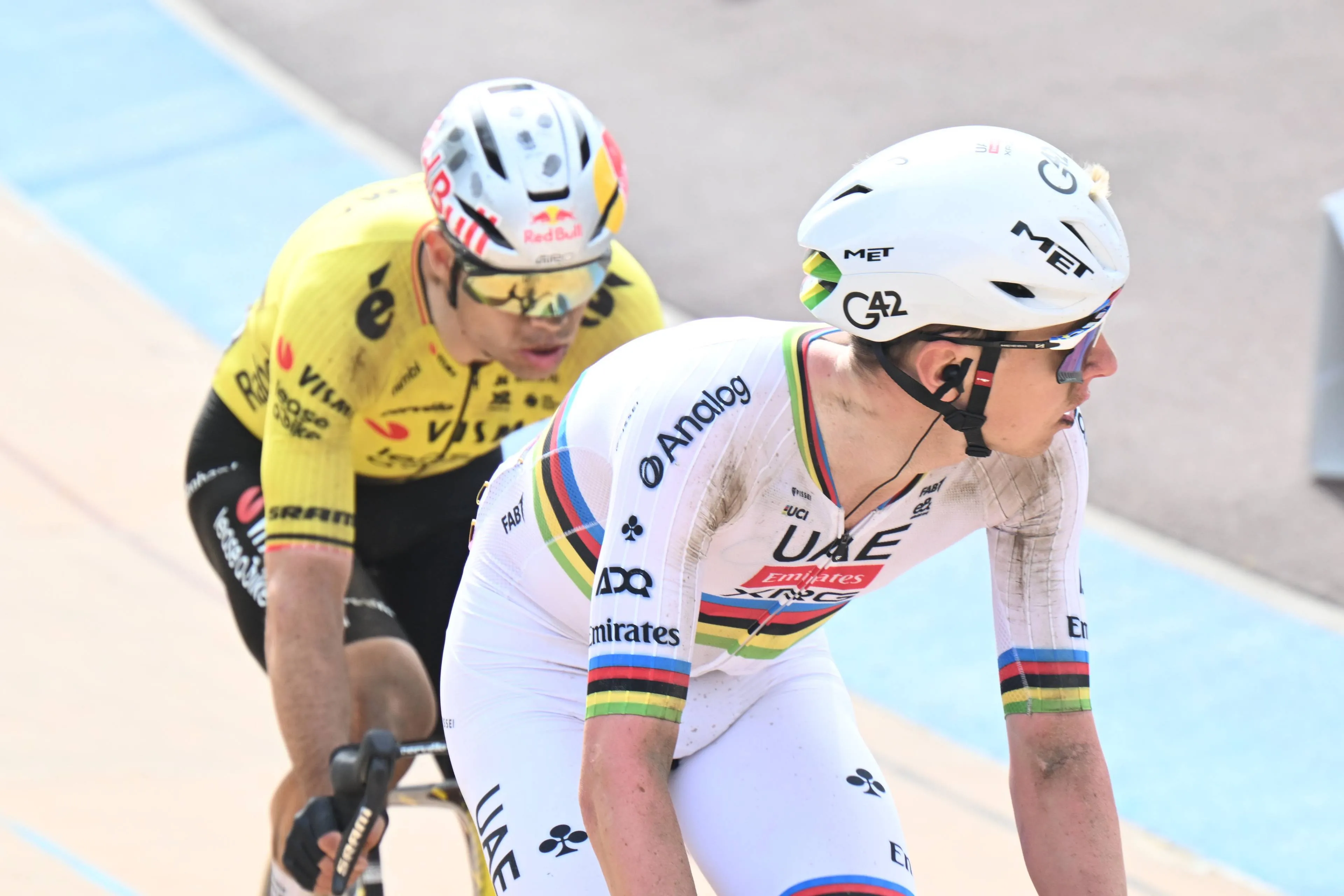
From there, the race became more controlled, but no less intense. Van Aert rode with discipline, choosing his moments carefully and refusing to waste energy unnecessarily against a rider he knew would try to break him on the cobbles. Every move from Pogacar was tracked. Every acceleration answered. By the time they reached the velodrome, the race had already been shaped.
3. When Roubaix turns, everything changes
Paris-Roubaix is never decided by strength alone. It is a race where timing, positioning and fortune play a decisive role. This time, it was Van der Poel who suffered most. A double puncture in the Trouée d’Arenberg cost him more than two minutes, effectively removing him from contention at the worst possible moment.
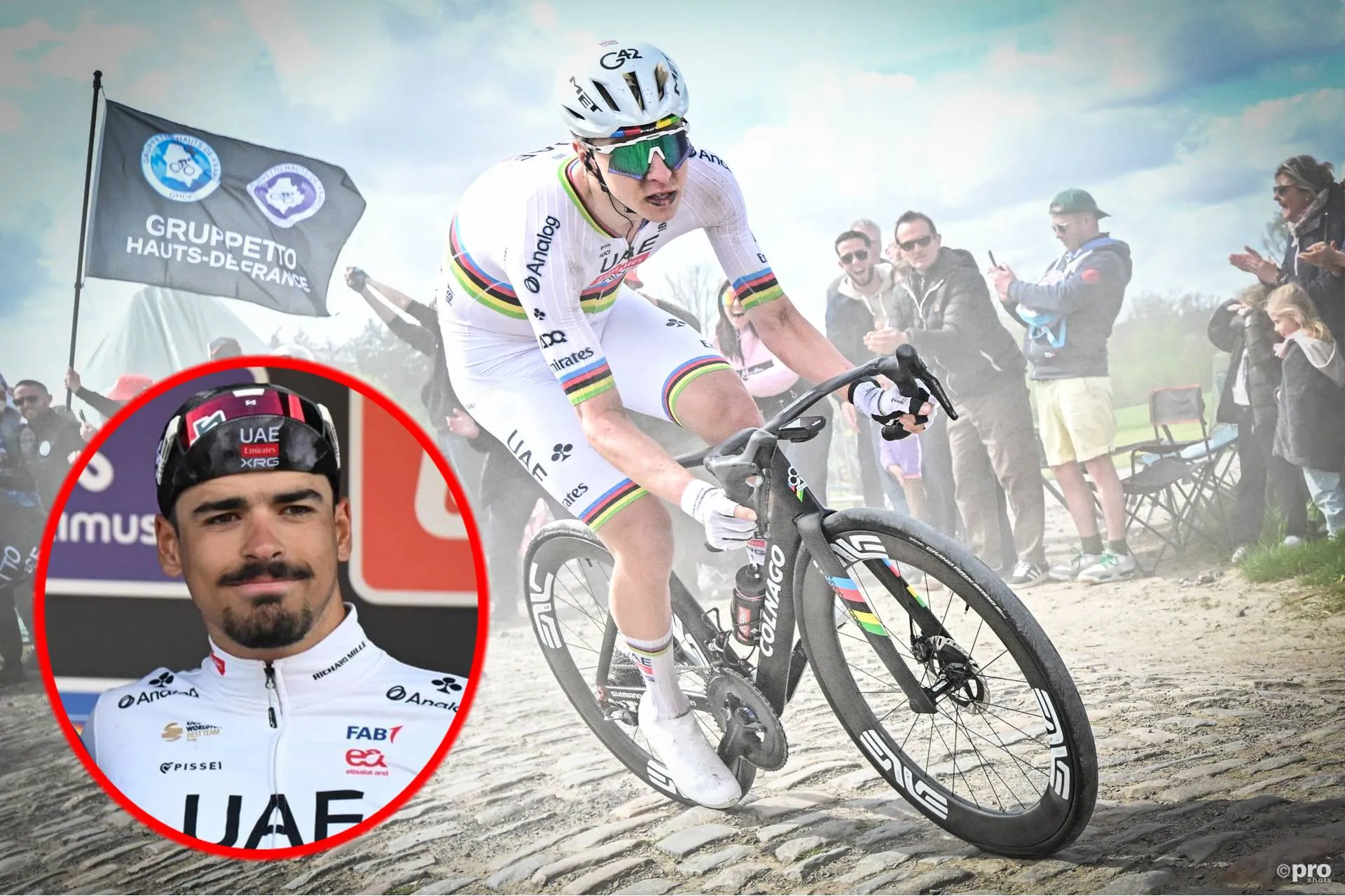
Given his recent dominance, it is difficult to imagine a scenario where he would not have been a decisive factor in the finale. His absence reshaped the race. Pogacar, too, had his difficulties. A puncture before Arenberg forced him into a long solo effort to return to the front, an effort that cost valuable energy later in the race.
Even Van Aert was not immune. He suffered punctures of his own and was forced to chase back, though his situation was more manageable and he never lost full control of his position. That is the nature of Roubaix. No one escapes untouched. The difference lies in how those moments are absorbed.
A victory that changes the narrative
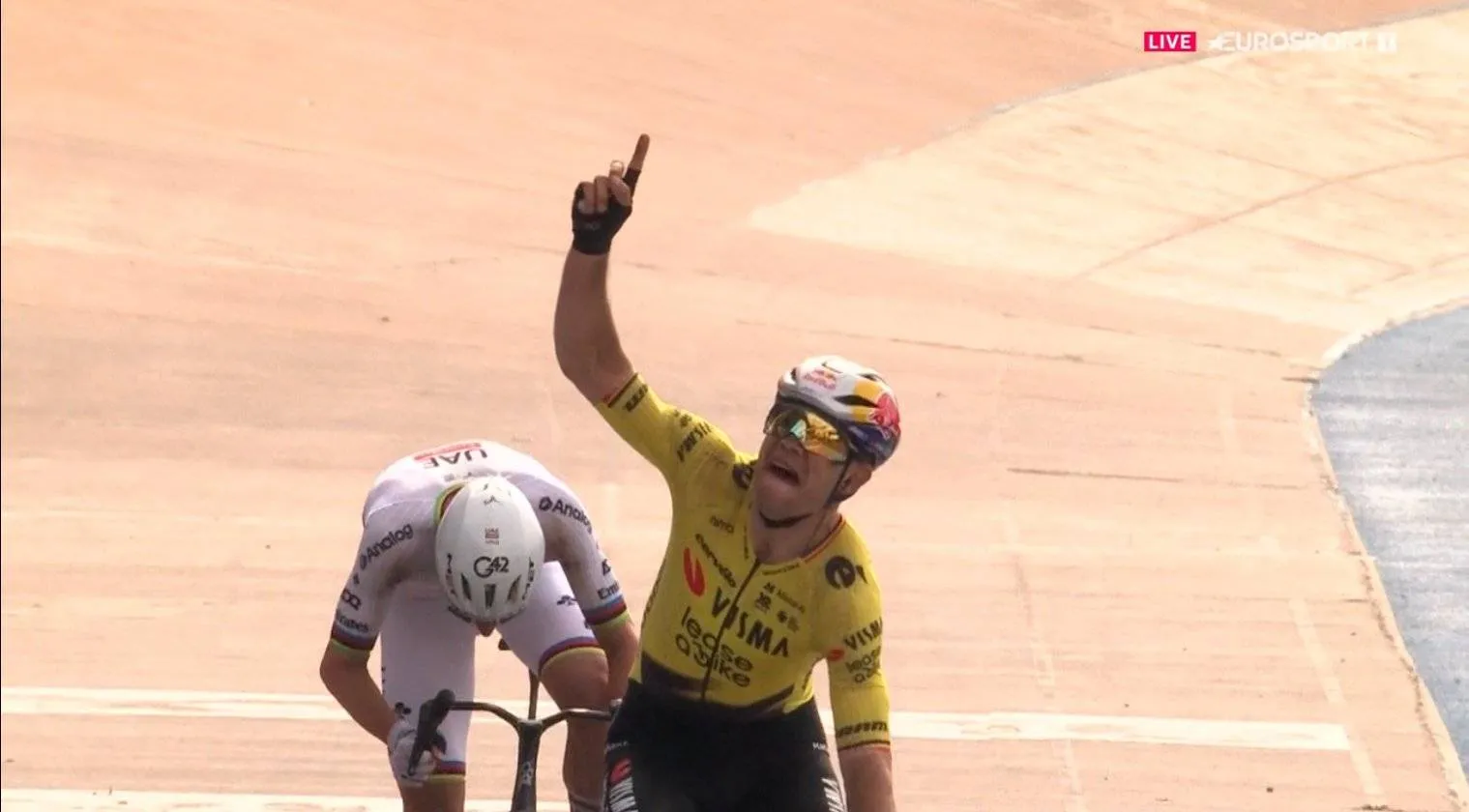
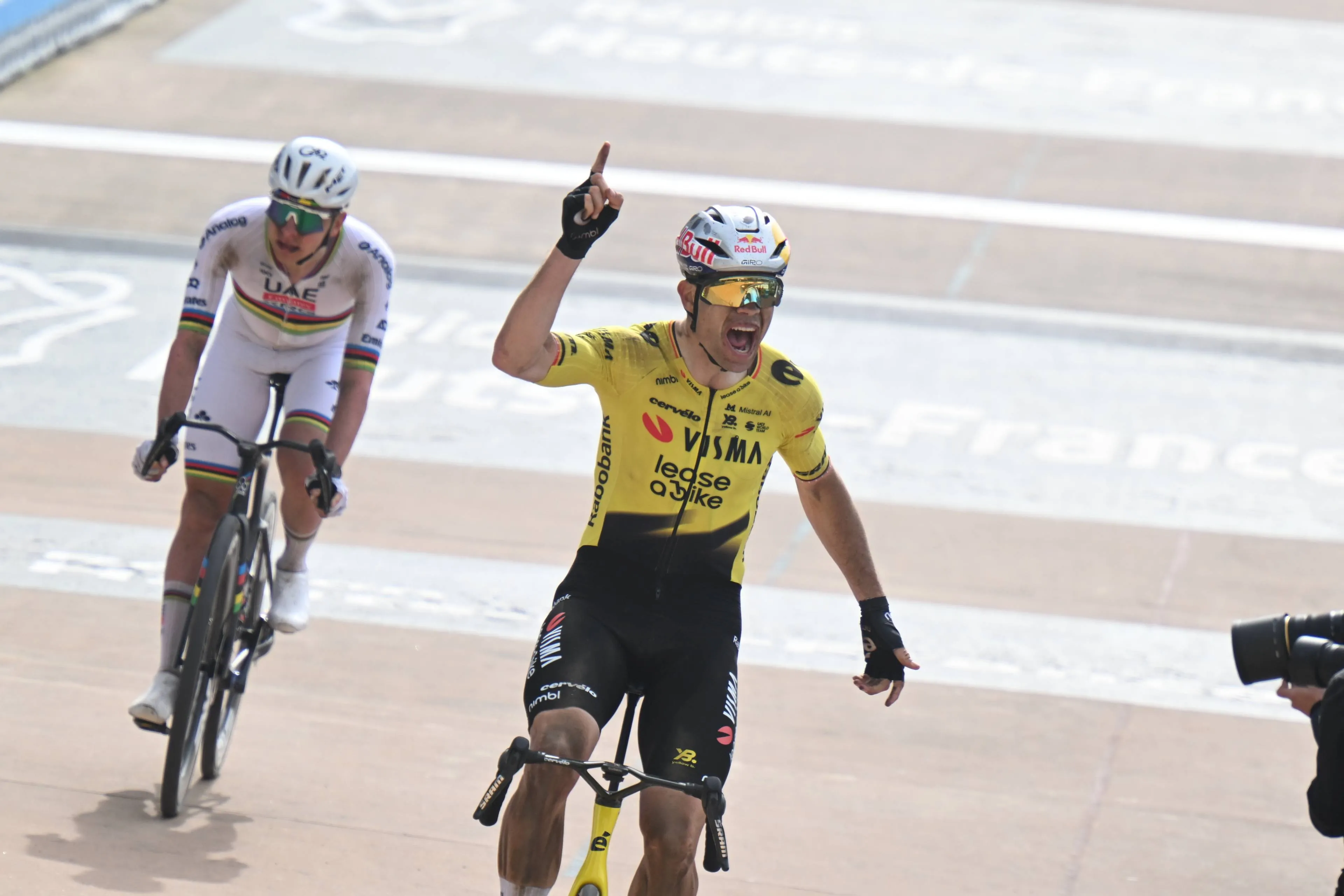
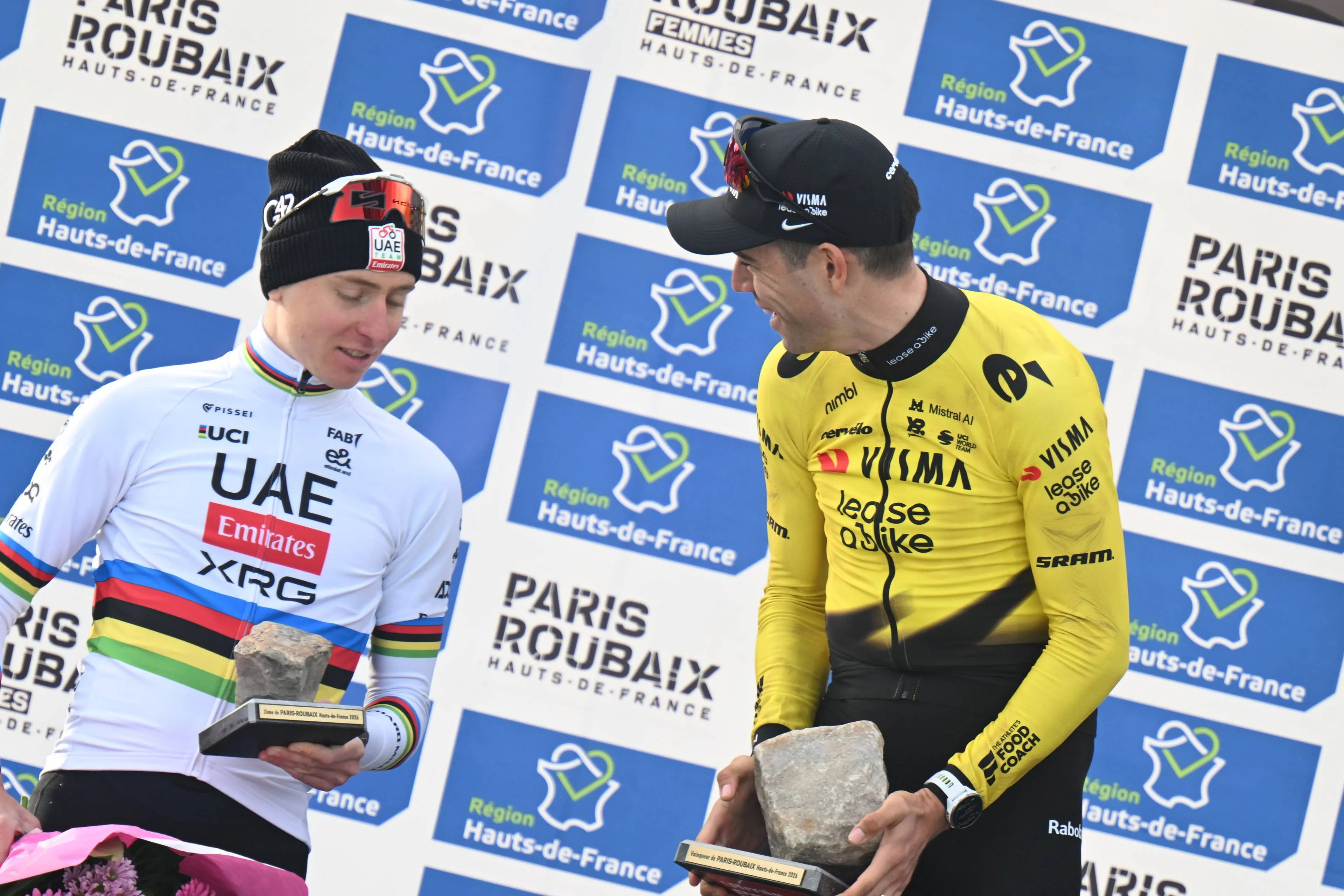
When the moment finally came in the Roubaix velodrome, Van Aert executed perfectly. Positioned behind Pogacar, he waited, measured, and launched his sprint at exactly the right time. It was not a desperate move, but a calculated one, built on confidence and clarity.
It was the finish of a rider who knew exactly what was required, shaped by years of experience and a spring campaign that had quietly built towards this moment. More than anything, it was a victory that changed the conversation around him.
For years, Van Aert had been defined by versatility, consistency and near-misses at the very highest level. Now, he has the result that matches the rider he has always been. Paris-Roubaix does not hand out victories. You take them.
claps 3visitors 2
Just in
Popular news
Latest comments
- Christian Prudhomme trying to hype the Frenchman. Can Seixas really keep up with Pogacar's accelerations?? I don't think so. Not this year as Pogi is on a different level. It is hard to overcome even a few seconds gap to the finish as Seixas would be all alone chasing.PogiFan2Day13-04-2026
- Maybe Pog decides to launch on Stockeu this year.Cooldude13-04-2026
- I think as work lessened, he became more unhinged. For most retirement is problematic for a few yearsabstractengineer13-04-2026
- I thought it was pretty cool that Pogačar continued to help Van Aert after Carrefour de L'Arbre, taking what looked like more than half the pulls to the velodrome. If he raced the way many commentators suggest his competitors race against him, he would have stopped working with Van Aert, and forced Van Aert to pull all of the remaining 16 km to the velodrome to at least improve his odds in a 2-man sprint. Even allowing the group behind with LaPorte to rejoin would probably improve his chances of a win with a sneaky attack, or more complex sprint--to say nothing of allowing the race's strong man VDP a crack a the win. Instead, Pogacar put in his attack on Carrefour, and when he couldn't dislodge Van Aert, he towed the Belgian to his well-deserved and emotional victory. I personally love the positive racing from this new generation of superstars. They play their cards, and if it doesn't work out, they don't begrudge the winner his spoils. Even though MVDP was probably the strongest, and a Pog win would have been historic, it's so great to see Van Aert take this after all he has been through. Many of his fellow racers seemed to feel the same way.
 MarkFour13-04-2026
 - couldn’t be said more clearly.OCexile13-04-2026
- Ask him how much it costs him. He’s already admitted thoughts of retirement, he knows Seixas is going to be trouble, he knows to be wary of Jonas, he probably realises he won’t be able to keep up doing the splits every season and he knows he’s had a hood run accident and injury wise, maybe he’s got some sense and realises it might be better to take a step back to prolong the future or live it better.Mistermaumau13-04-2026
- If I can handle you, I can handle the truth. What you fail to realise is, your way of presenting the “truth” (it’s often incredibly picky and stretched) is BORING and the fact you can’t accept ANY counterpoints makes discussion pointless. You’re basically your own worst enemy, like the guy you claim to hate so much. You want (I actually think it borders a need) people to agree with you but even those that do are reluctant to do so, you may actually be putting off other fans, a few certainly seem to have gone AWOL.Mistermaumau13-04-2026
- I suspect that this is most likely just to keep the door open. It's far more likely that he will return, but not guaranteed. Perhaps he wants to win Itzulia to complete his major 7 collection (assuming he wins Romandie and Suisse this year), which is obviously far less of an achievement than winning all 5 monuments, but it is not a small one. And he is in no way obliged to come back next year so why force him?
 Rafionain-Glas13-04-2026
 - Maybe not flat, just lower pressure. By the time that Morgado got to look at the bike more air may have leaked out. Still, as you pointed out, it made little difference. And even if it had made a difference it would not have mattered as there was no way Pogačar was matching Wout in that sprint.Rafionain-Glas13-04-2026
- Also, wout will beat anyone who isn’t a pure sprinter in that situation - and Pog is good, but not a pure sprinterCrashjames13-04-2026
Loading
Write a comment