“I dream of a sprint in Liège between Tadej Pogacar and Paul Seixas” - Christian Prudhomme backs 19-year-old sensation to match world champion at La Doyenne
Cycling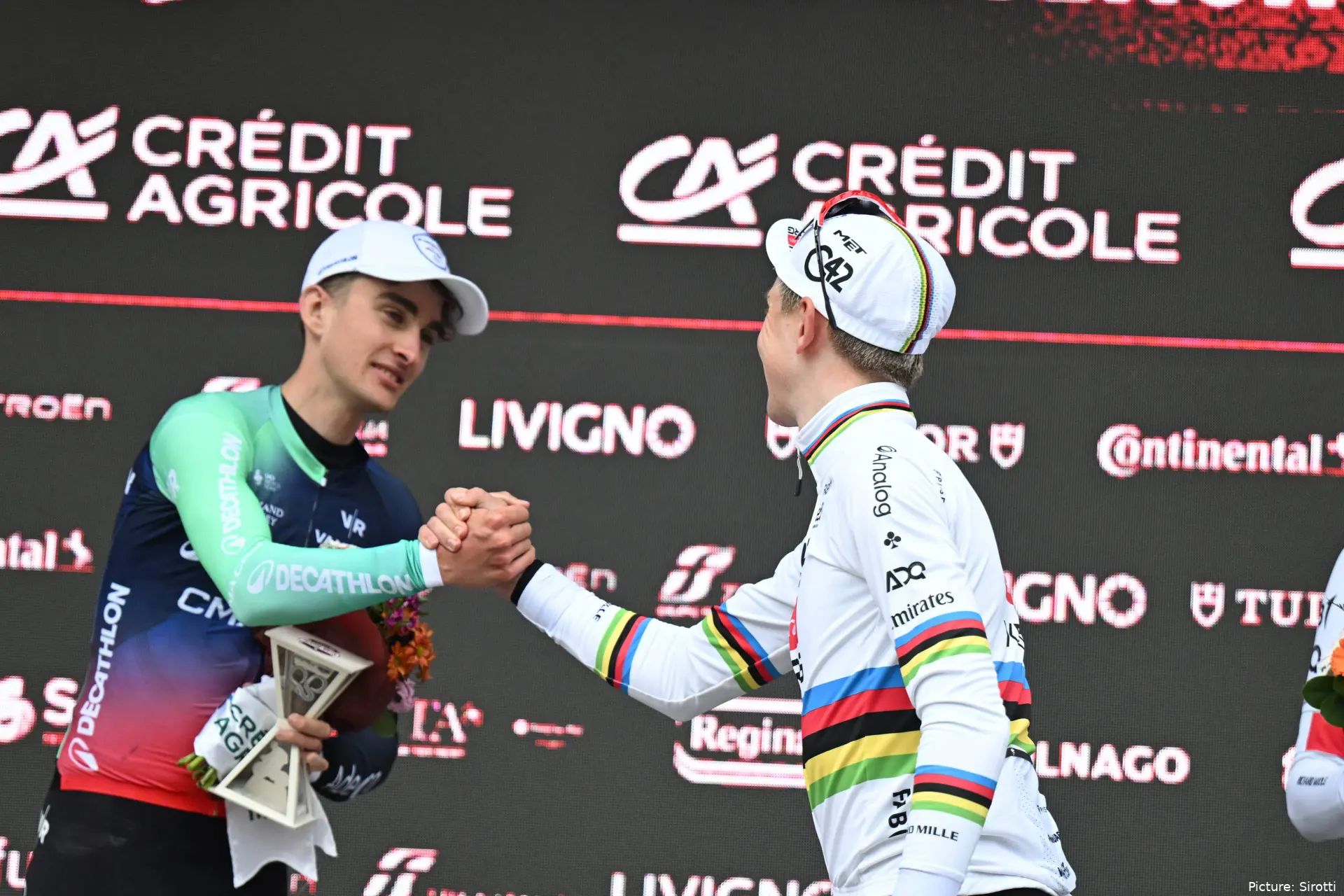
The idea of anyone matching Tadej Pogacar at Liège-Bastogne-Liège would usually feel like a stretch. In 2026, it feels like the story, and that story now centres on Paul Seixas.
Pogacar arrives at La Doyenne at the height of his powers. He has already won Strade Bianche, finally cracked Milano-Sanremo after years of near misses, and added another Tour of Flanders title before finishing second at Paris-Roubaix. It is not just a strong spring. It is one that has erased the last doubts about the range of races he can win.
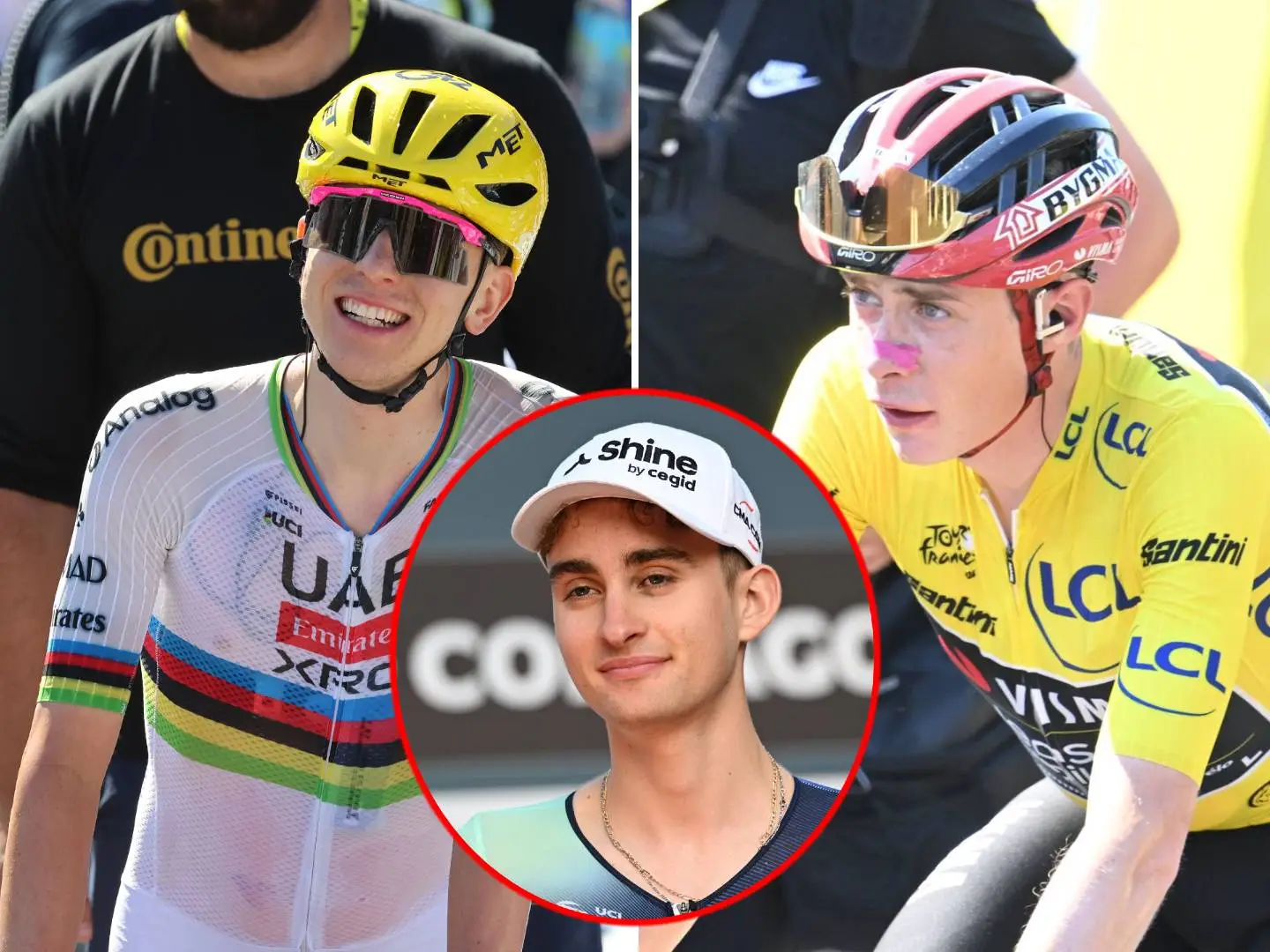
And yet, in the aftermath of that run, Christian Prudhomme has pointed not to another established rival, but to Seixas. Speaking to RMC Radio, he suggested that Liège-Bastogne-Liège could come down to a direct duel between the two. “I dream of a sprint in Liège between Pogacar and Paul for the win at La Doyenne, and I believe it’s possible.”
That line alone sets the tone. Not a scenario where Pogacar rides clear. Not another long range solo. A sprint. A direct duel.
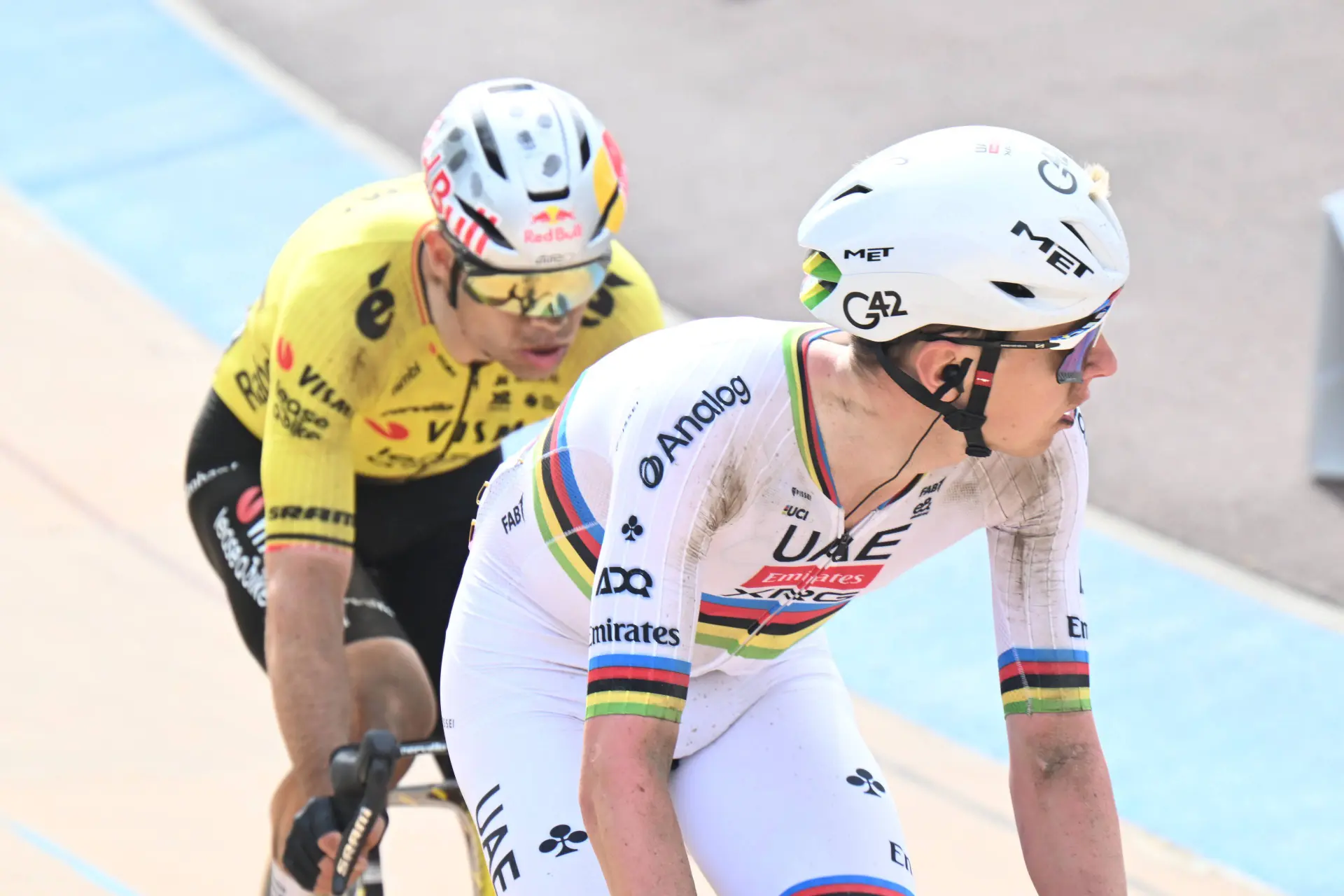
A very specific claim
Prudhomme did not stop at the headline vision. His reasoning cuts straight to the heart of how Liège is actually won. “Whatever the attacks, I believe that Paul Seixas won’t be distanced on La Redoute or La Roche aux Faucons.”
Those are not throwaway references. They are the decisive points of the race, the terrain where Pogacar has built his recent victories. In both 2024 and 2025, he used La Redoute as the launchpad to break the race apart and ride clear to victory.
To suggest that Paul Seixas can hold that wheel is to suggest something far more significant than promise. It is to place him directly into Pogacar’s winning script.

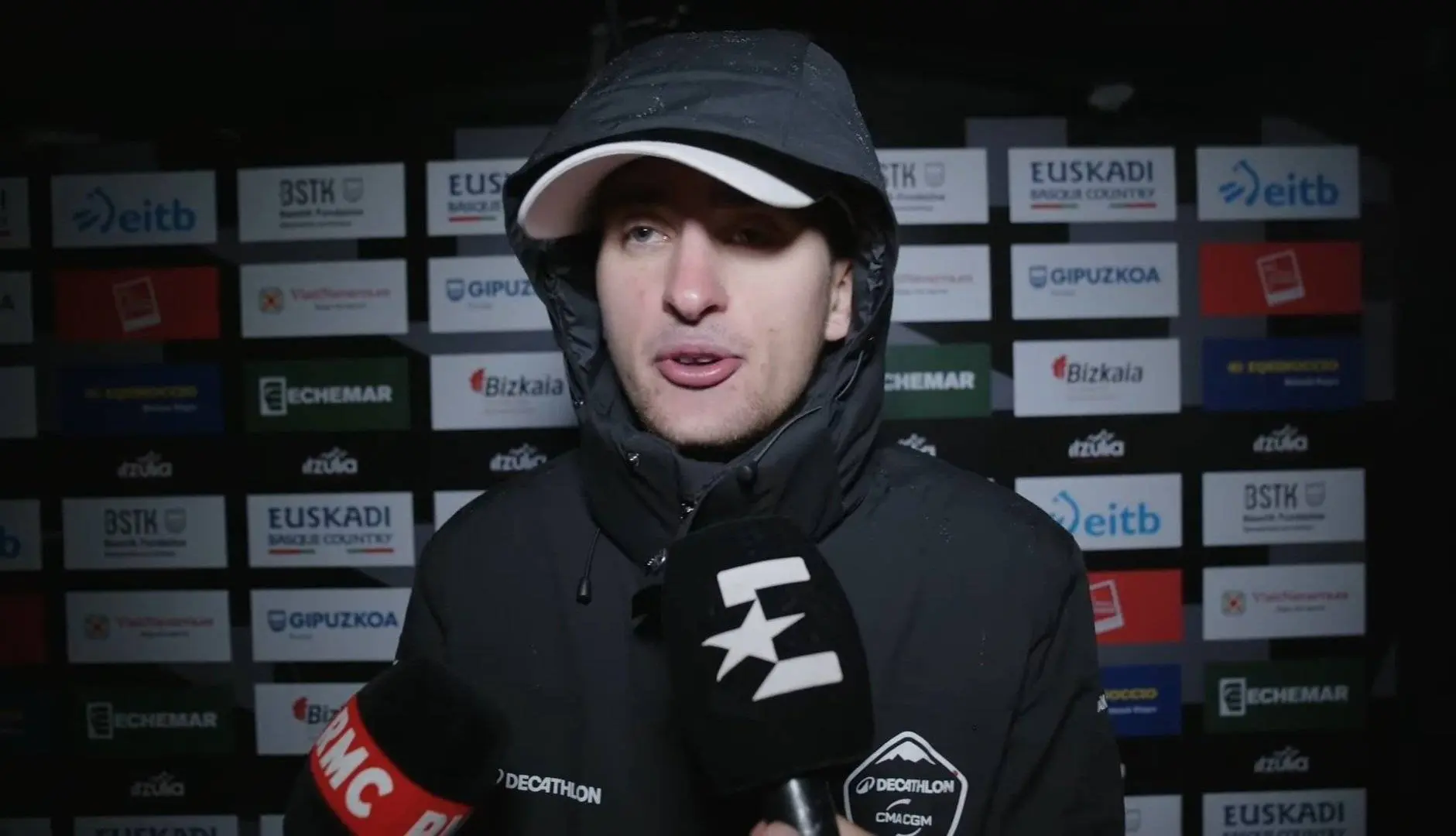
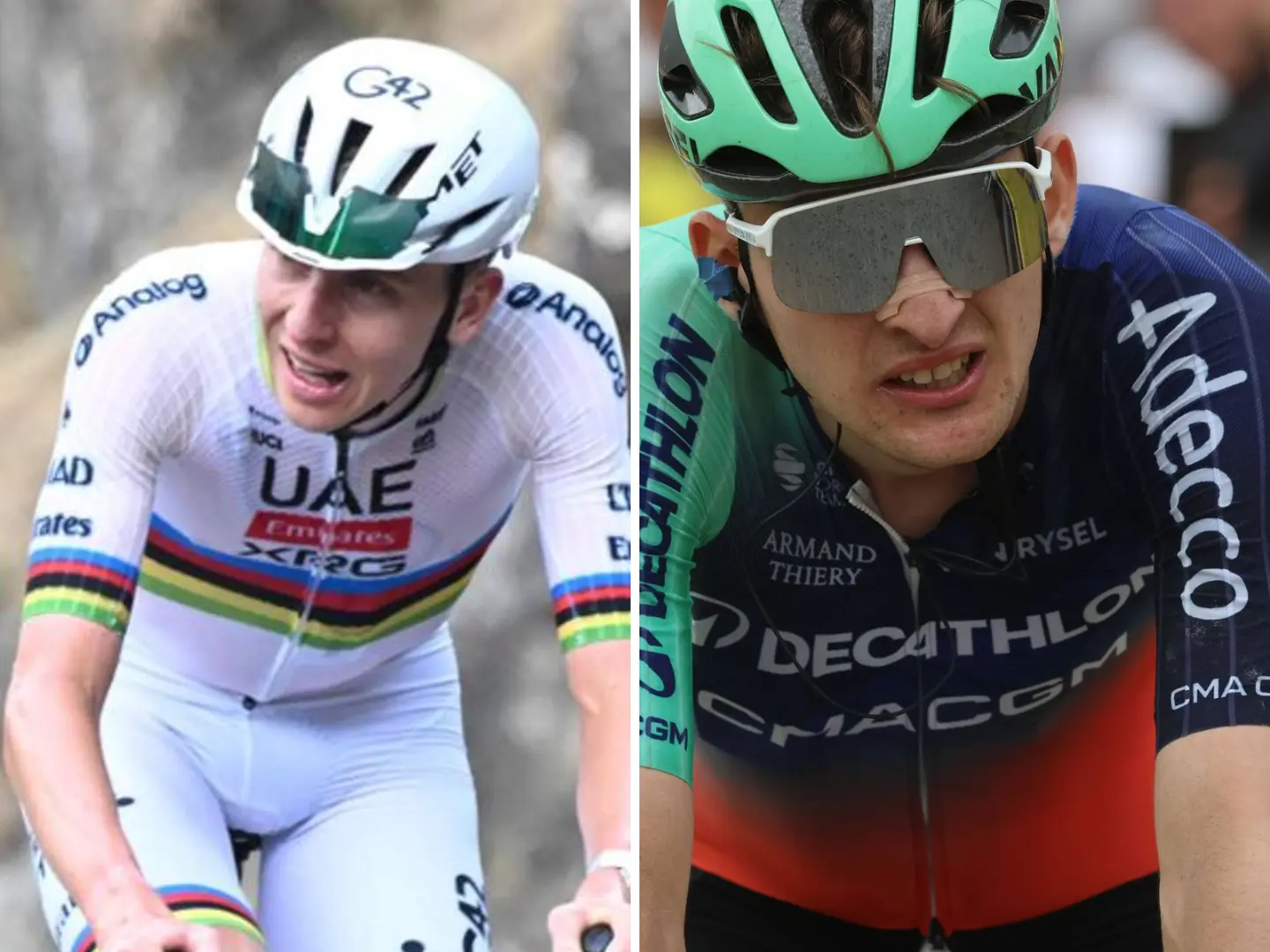
Paul Seixas at Itzulia Basque Country 2026
Pogacar’s Liège blueprint
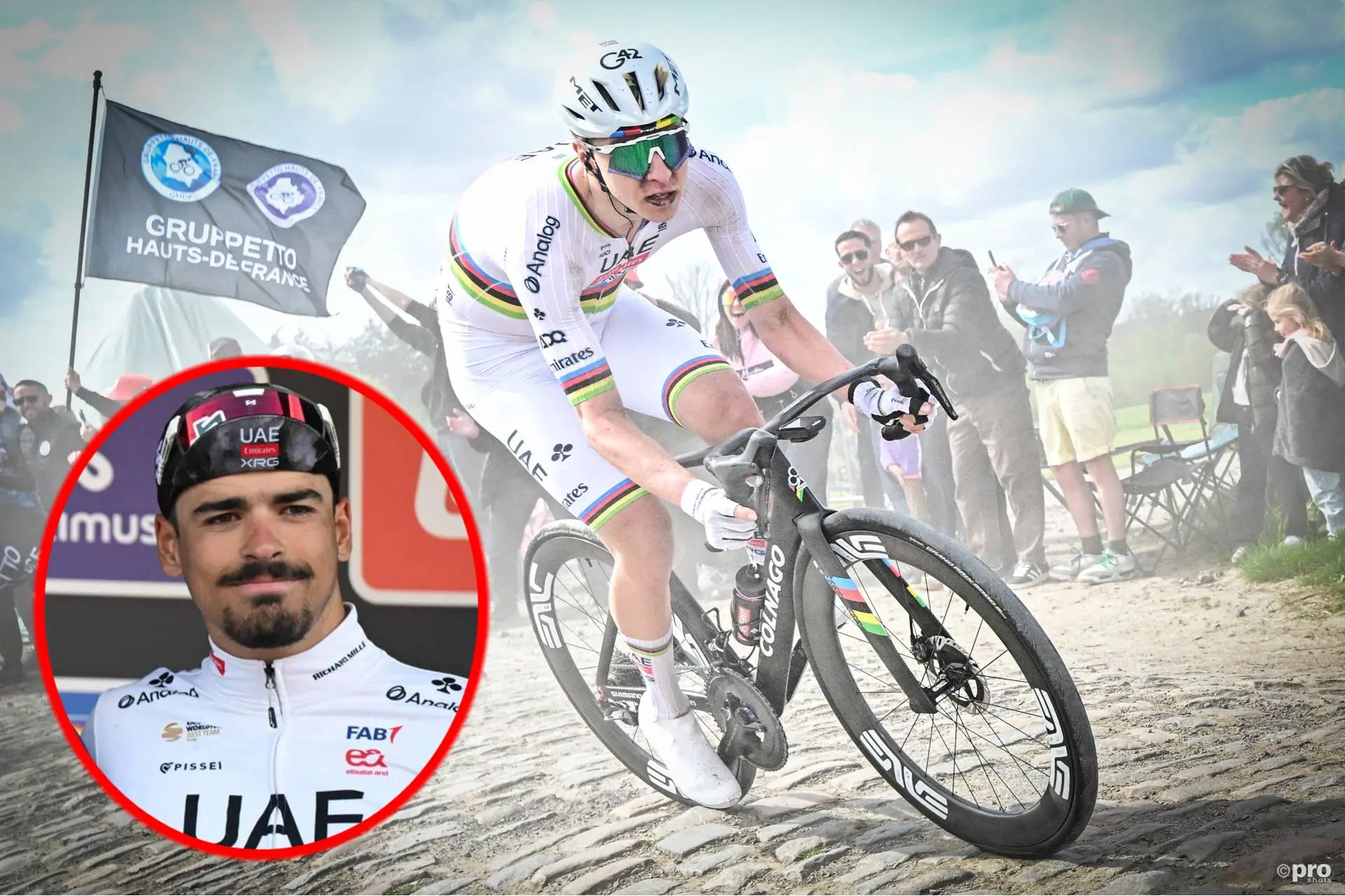
Pogacar is already a three-time winner of Liège. His evolution in the race tells its own story.
He first won it in 2021 from a reduced sprint, proving he could handle the chaos of the finale. In the years since, he has turned the race into something more predictable and more brutal. When he wins now, he tends to decide it long before the line, attacking on the steep ramps of La Redoute or later on Roche aux Faucons and simply riding away.
That pattern is why Prudhomme’s words land so strongly. The question at Liège is rarely who is fastest in a sprint. It is who can survive Pogacar when he goes.
A different kind of rival
Seixas’ 2026 season is what makes this conversation possible in the first place. He has already won at the Volta ao Algarve, taken a long-range solo victory at Faun-Ardeche Classic, and finished second to Pogacar at Strade Bianche. Most notably, he dominated Itzulia Basque Country with three stage wins and the overall title, winning in the time trial, in the mountains and in selective uphill finishes.
That range matters. It is what allows him to be discussed in the same breath as Pogacar across very different race types, not just climbing.
Still, the gap between impressing and matching Pogacar at Liège remains enormous. The Slovenian is not arriving as a vulnerable favourite. He is arriving as the reference point of the entire spring, having already conquered the one Monument that had long resisted him and reinforced his dominance in the others.
From survival to sprint?
That is what makes Prudhomme’s “dream” scenario so compelling. If Seixas can indeed survive the accelerations on La Redoute and Roche aux Faucons, the race changes shape entirely. Instead of another Pogacar solo, it becomes a test of nerve and timing in the final kilometres, a situation rarely seen in recent editions.
For now, the gap between the two riders is still defined by results. Pogacar has already beaten Seixas this spring and has built his career on delivering in races like this.
But the fact that Liège is being framed around the possibility of them arriving together says everything about how quickly that perception is shifting.

Kieran WoodDeputy Editor-in-Chief
Kieran Wood is a sports journalist based in Wales and has been active in journalism since 2022. He regularly contributes to DartsNews.com and CyclingUpToDate.com, where he covers professional cycling and darts. In cycling, his work includes liveblogs from major races, including the Tour de France, the Giro d’Italia, and La Vuelta a España, alongside race reports and analysis. He has also conducted interviews with professional riders.
His reporting spans the full racing calendar, from one-day classics to stage races, with a focus on accurate, real-time coverage and clear contextual analysis. For statistics, results, and historical context, he regularly uses resources such as ProCyclingStats. To support reporting on rider activity and training context where relevant, he also references Strava.
In his work, Kieran places strong emphasis on careful sourcing, editorial accuracy, and updating articles as new, verified information becomes available.
claps 0visitors 0
Just in

Popular news
Latest comments
- yeah it'll be an epoch shift when Pog can't drop people, and/or when they start dropping him.wrsty13-10-2026
- Yes, he won't ride away yet, but he will and that day will be notable
 leedorney13-10-2026
 - Expect the young French rider to slowly asphyxiate the Slovenian into retirement.
 Front24213-10-2026
 - My thinking is that Pog's experience and strength would have outweighed any fatigue in Il Lombardia. But the sad thing is, we'll never see peak Pog (call it Pog 2) go head to head with Seixas. However well he recovers from his crash, he'll return as Pog 3, with the shadow of severe concussion always there.Hills3313-10-2026
- Some speculation and opinion. Had Tadej not crashed out of the Vuelta he would have been less fresh and I'm not sure he would have beaten Seixas in this race. Maybe he would have been able to contest the race in a sprint and maybe not. Believe me when I say I keep up with many of Tadej's climbing feats and records and I understand how great he is but the Paul we just saw at Il Lombardia was not that far behind Tadej.awp13-10-2026
- Firstly, someone who says parenting is babysitting is delusional and shouldn't be taken seriously. Secondly, with pro athletes it is not the same as a normal worker. They are being rewarded for doing something for which they have a talent which doesn't actually help people (besides inspiration). It's quite a different dynamic
 Rafionain-Glas12-10-2026
 - only way for him to effectively learn to microdose is to go to uae. other than that there is no reason for him to go to uae.whkman12-10-2026
- that was a great win, and quite a surprise at the time. That was a loaded field, and he held of Valverde for the win. Still shocking that Valverde never won Lombardia. He seemed perfect for it. Mollema just went to work every day.mij12-10-2026
- I hope he races Volta a Majorca. We'll really be able to see if he can do one-day-races (but do they count?)Rafionain-Glas12-10-2026
- See, you can write a sensible comment without just slagging off everyone else! Well done!👏😆 🫣Lozza12-10-2026
Loading
4 Comments