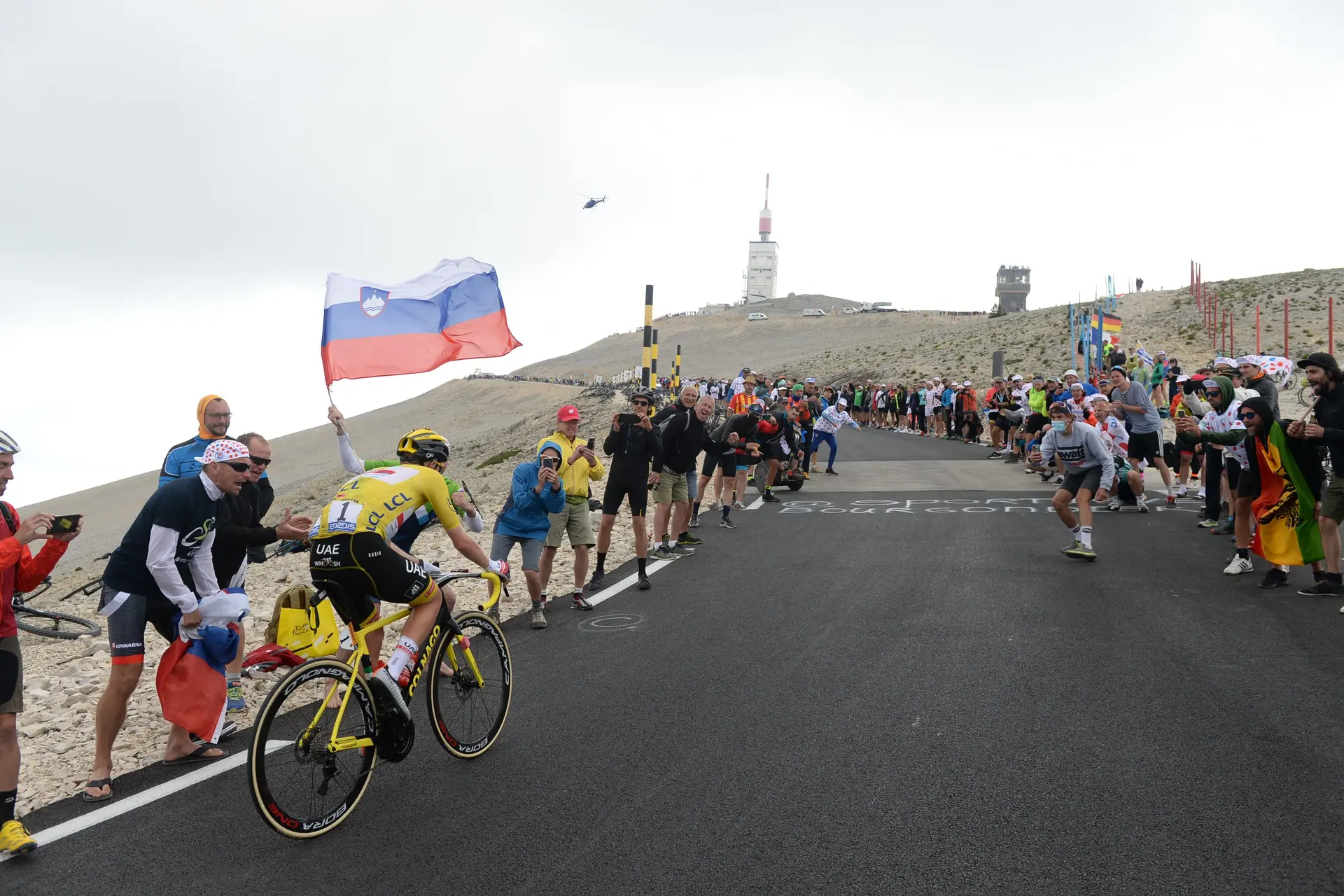
Mont Ventoux, often called the Giant of Provence, is one of
cycling’s most legendary climbs. This towering mountain in southern France has
been the scene of some of the Tour de France’s most dramatic, inspiring, and
even tragic moments. It’s a climb that riders respect and fans revere, with its
barren, moonlike summit and notorious winds. The Tour doesn’t visit Ventoux
often, its rarity on the route only adds to the mountain’s mystique. In fact, today’s
Stage 16 marks the first ascent in four years, since 2021, reminding us how
special a Ventoux stage truly is.
As the peloton tackles Mont Ventoux again, it’s the perfect
time to look back at a few of the greatest moments that have made this climb so
famous in Tour history.
Tom Simpson’s tragedy on Ventoux
One of Mont Ventoux’s most storied moments is also its
darkest. In the 1967 Tour de France, British rider Tom Simpson collapsed and
tragically died on the slopes of Ventoux during Stage 13. It was a scorchingly
hot July day, and Simpson, a former world champion and one of Britain’s most
beloved cyclists, was pushing beyond his limits, helped along by a mix of amphetamines
and alcohol common in that era.
Nearing the summit, wobbling and delirious, he fell off his
bike. Despite the frantic efforts of medics, Simpson died just one kilometer
from the top of the climb. His death sent shockwaves through the sport, it was
one of the Tour’s darkest hours and a grim wake-up call about the dangers of doping.
The winner of the Tour of Faders, Milano-Sanremo, and Il Lombardia would now
forever be entwined to the mountain itself.
Today, Simpson’s memory lives on at Ventoux: a small stone
memorial stands by the road where he fell, and many riders passing by still doff
their caps or leave a bidon in his honor. This tragic episode, while
heartbreaking, has become an integral part of Mont Ventoux’s legend, a reminder
of the mountain’s unforgiving nature and the very human limits of endurance.
Eddy Merckx conquers the giant
If Ventoux can humble even the toughest, it also highlights
true greatness. In 1970, cycling legend Eddy Merckx, often considered the
greatest of all time, took a memorable victory atop Mont Ventoux. That year’s
Tour de France included a summit finish on Ventoux, and Merckx, in dominant
form, attacked to win the stage on his way to his second Tour overall title.
But even “The Cannibal” felt the mountain’s bite. Merckx
rode himself to the brink of collapse in the thin Provençal air. Famously, he
needed oxygen at the summit after crossing the finish line, utterly spent. The
Belgian star reportedly said the effort was “impossible,” reflecting just how
extreme Ventoux was even for a rider of his calibre.
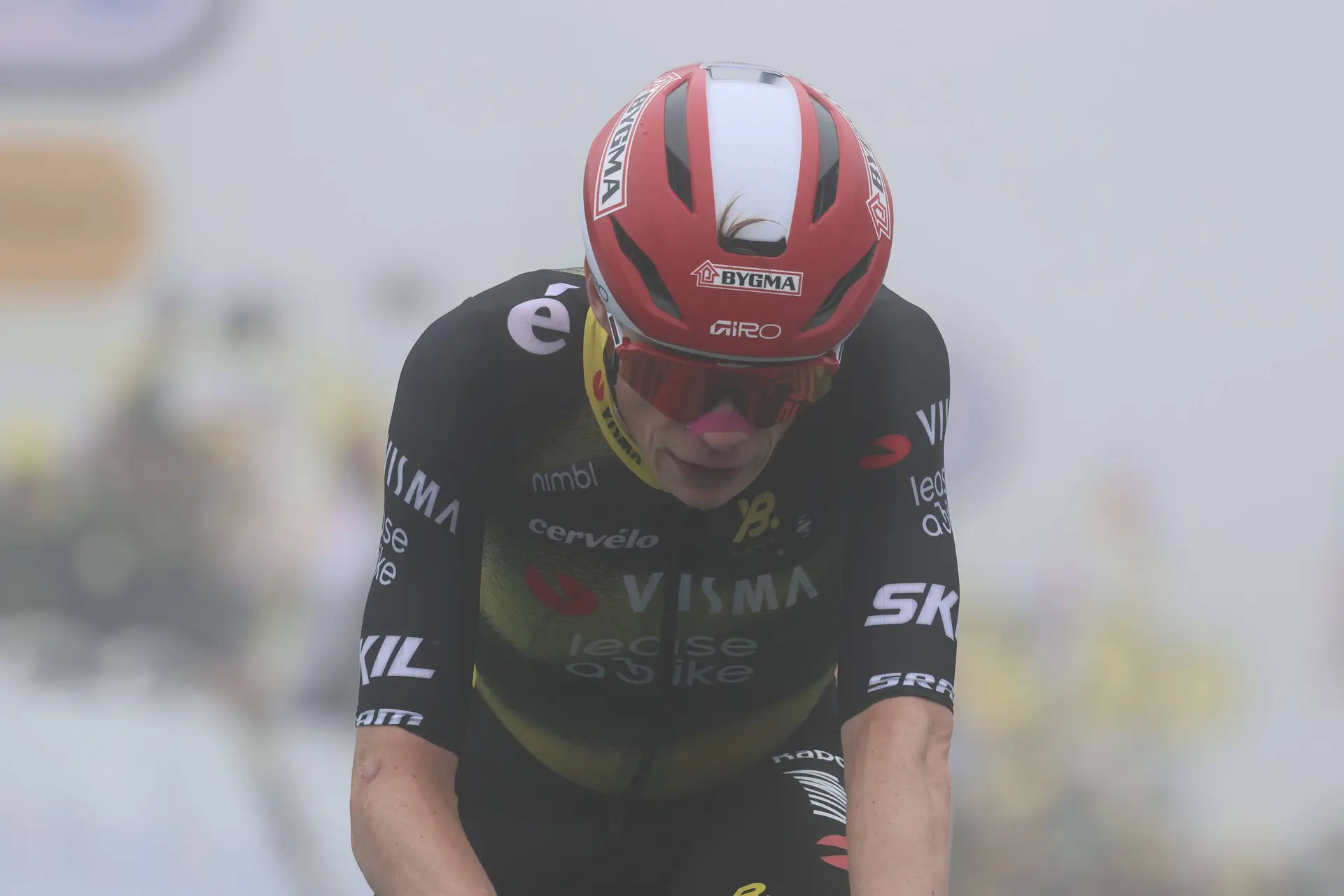
If Merckx says something is impossible, then you know just
how hard it truly was. Perhaps the man who is challenging Merckx’s ‘GOAT’
status, Tadej Pogacar, is planning his own assault on the mountain today…
Armstrong vs. Pantani
Mont Ventoux has also played host to some epic showdowns
between greats of our sport. One of the most famous (and controversial) Ventoux
moments came in 2000, when Lance Armstrong and Marco Pantani faced off in a
dramatic duel.
Armstrong was in the yellow jersey, dominating the Tour as
its leader, while Pantani, a pure climber and winner of the Giro-Tour double in
1998, was fighting to prove himself. On the steep upper slopes, the two went
head-to-head, leaving all other riders behind.
In an unexpected twist, Armstrong chose not to sprint for
the win, instead allowing Pantani to cross the line first. It was widely
perceived that Armstrong gifted Pantani the stage victory on Ventoux. Armstrong
later said it was a gesture of goodwill, though Pantani reportedly felt
insulted rather than grateful, sparking tension between the two. The
Armstrong-Pantani Ventoux finish has become legendary, especially now
considering the darker truth that was hidden in that moment.
In hindsight, the moment is tinged with the era’s realities:
both men were later entangled in doping scandals, and Pantani tragically died
in 2004 after his career unravelled. Armstrong, of course, is one of the most
infamous figures in sport, and his doping is the tale of the 1990s and 2000s,
and is a story which the riders of today are still struggling to overcome.
Chris Froome’s Ventoux adventures
In the modern era, Chris Froome has had two very different
dates with Mont Ventoux, each memorable in its own way. The first was in 2013.
Froome, on his way to winning his first Tour de France, delivered a towering
performance on Ventoux’s slopes. He attacked and rode away from all his rivals,
soloing to the summit finish in a display of dominance that echoed the feats of
all-time greats, and showed that he was the main man that year. That day,
Froome turned the screw on his competition and cemented his hold on the yellow
jersey, a performance so strong that it even sparked debates and awe among fans
and pundits.
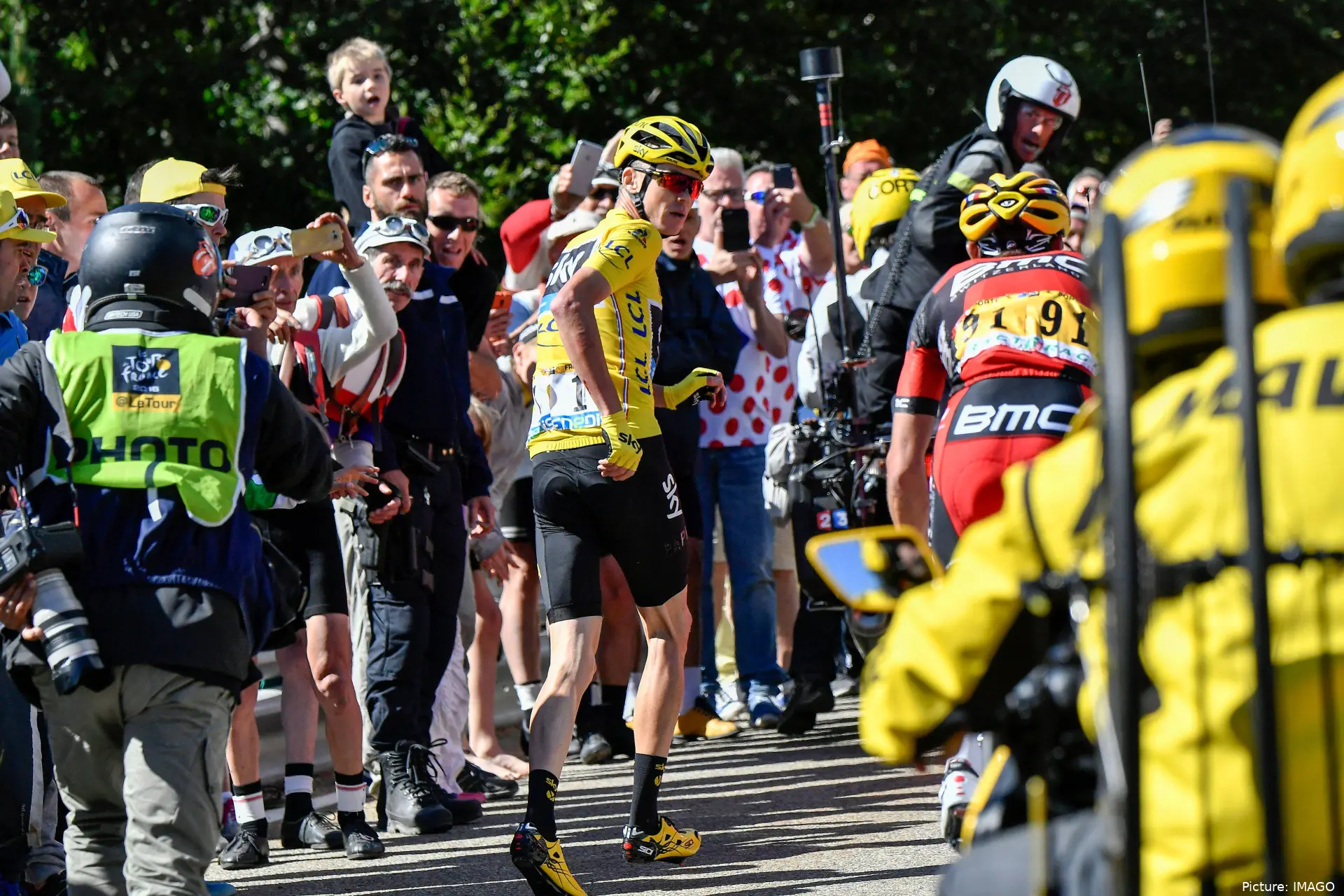
Fast forward three years to 2016, and the scene on Ventoux
was something no one could have predicted. Due to extreme winds, the stage
finish was moved partway up the mountain, leading to chaotic crowds on the road.
In the midst of this chaos, a television motorbike suddenly stopped, causing a
pile-up that broke Froome’s bike and entangled him with other riders right near
Chalet Reynard.
Read also
In a moment of pure improvisation (and arguably, panic),
Froome started running up the mountain on foot, in his cleated cycling shoes
and yellow jersey. It was a surreal sight, the race leader jogging uphill
through throngs of fans, desperate to minimize time loss until he could get a
replacement bike.
This bizarre episode became one of the Tour’s most
unforgettable moments, and one we will undoubtedly be reminded about on our
television screens during today’s race. Froome eventually got a new bike and
was retroactively allowed to keep his race lead, but the image of “Froome
running Ventoux” will forever be part of Tour. Together, Froome’s 2013 triumph
and 2016 chaos show the two faces of Mont Ventoux: one day it crowns a dominant
champion, another day it reduces even the best to scrambling on foot!
These moments, Simpson’s tragedy, Merckx’s heroic victory,
the Armstrong-Pantani duel, and Froome’s two extremes, are just a few
highlights from Mont Ventoux’s rich Tour de France history. The question is now
whether today will be the day that Tade Pogacar ticks off another iconic climb on
his list of incredible wins.

Fin MajorCycling Journalist
Fin Major is a UK-based writer at CyclingUpToDate and has been part of the team since 2024. He is the site’s main writer for FAQs and evergreen explainers and has written around 2,000 pieces for the platform. Alongside this work, he focuses on in-depth analysis and covers the biggest races on the calendar, including the Tour de France, the Giro d’Italia, and La Vuelta a España, providing clear context around performance trends, tactics, and key storylines.
In his reporting, Fin uses reputable data sources such as ProCyclingStats for results, statistics, and historical context. He places strong emphasis on careful sourcing, editorial accuracy, and updating articles promptly when new, verified information becomes available. Outside of writing, Fin is an active cyclist, which supports his practical understanding of the sport and its demands.
claps 0visitors 0
Just in

Popular news
Latest comments
- He didn't even try to sprint all outvappaxbipmv18-10-2026
- Campenaerts looked like a rolling pumpkin with that all orange leaders skinsuit !frieders318-10-2026
- He can take his dumb a$$ politics somehwere else !frieders318-10-2026
- good to have her back. fingers crossed she‘ll be able to stay!Ketterechts17-10-2026
- A tenner and he wins the Tour next year, too 😂anonymouscyclist17-10-2026
- the answer is either stick to classics or GTs but not bothabstractengineer17-10-2026
- the exodus already stared with Ciccone. Already they were struggling with two sprinters, now there are three. Also Ganna will demand leadership. Gall is the most proven GC, Ayuso has the most potential. GC leadership for everybody will be impossible. Literally a UAE style mess without pogi.abstractengineer17-10-2026
- I raced as an amateur for 12 years, including six years on my country’s national road cycling team. I secured two national titles and competed in three World Championships plus more than 15 international stage races. At 23, we travelled to Italy for a training camp—or so I assumed. On a rest day, we watched a presentation about adopting a more “professional” training approach. It was crystal clear what “professional” meant. That moment first exposed me to this dilemma. After returning from Italy, I left cycling—at least at the competitive level I had known. Over the following two years, the whole team was caught doping. I hold that everyone is innocent until proven guilty. In my view, current stakeholders operate on a different scale, and the sums involved are vast. I am unsure whether any doping would ever be revealed. I try to stay positive and enjoy the show. My 2c.
 vannpelt17-10-2026
 - Fiver he wins 🤣
 leedorney17-10-2026
 - “…measures to reduce speeds.” Might as well shorten the race course to just 50km as well? ASO generates at minimum €300m a year and 30- 40% profit. Maybe stop being greedy and spend more of the profit to protect the riders instead.b3tlla17-10-2026
Loading
Write a comment