ANALYSIS: How Matteo Jorgenson & Sepp Kuss will be key to Visma and Vingegaard's quest to turn the tide against Tadej Pogacar in 2026
Cycling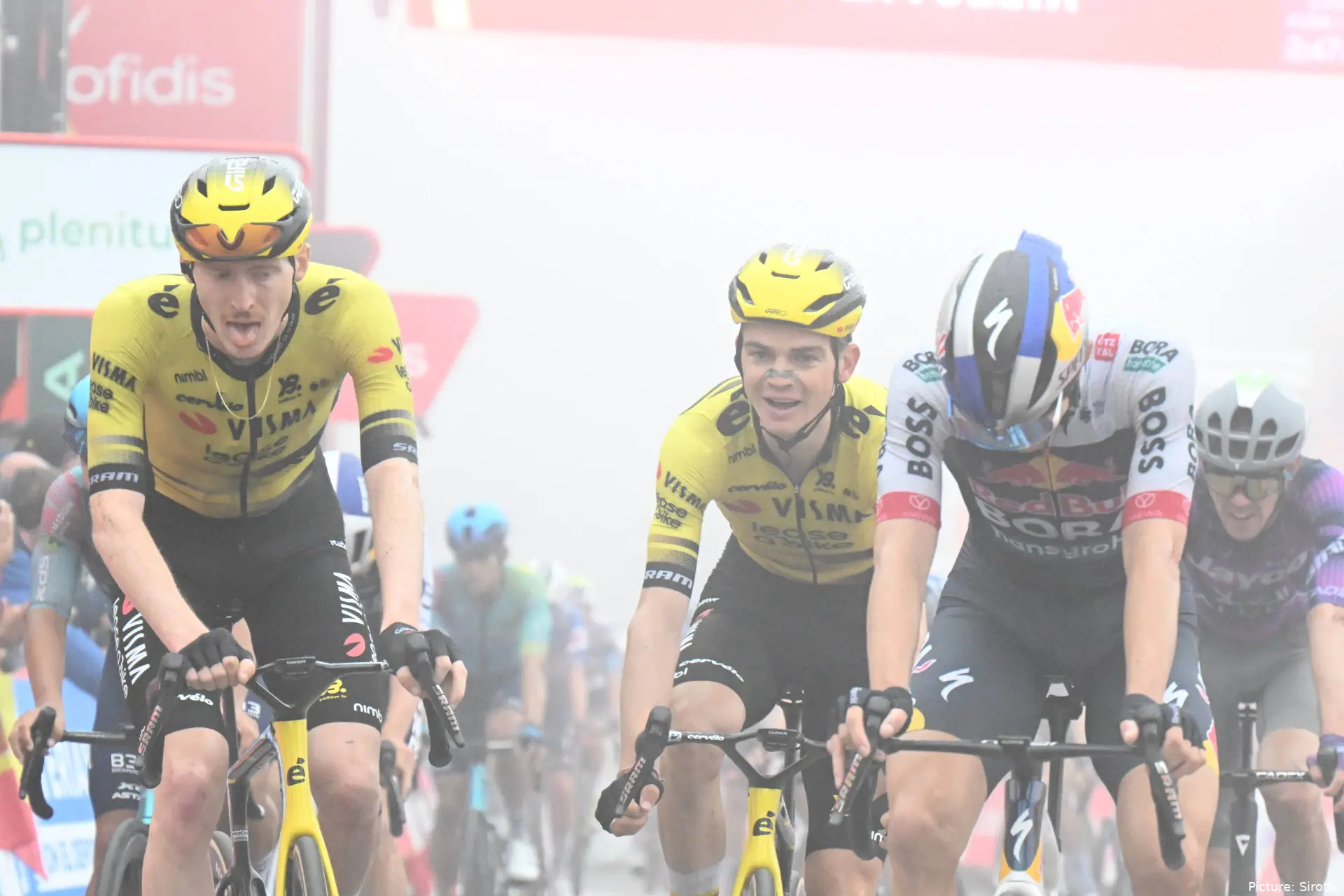
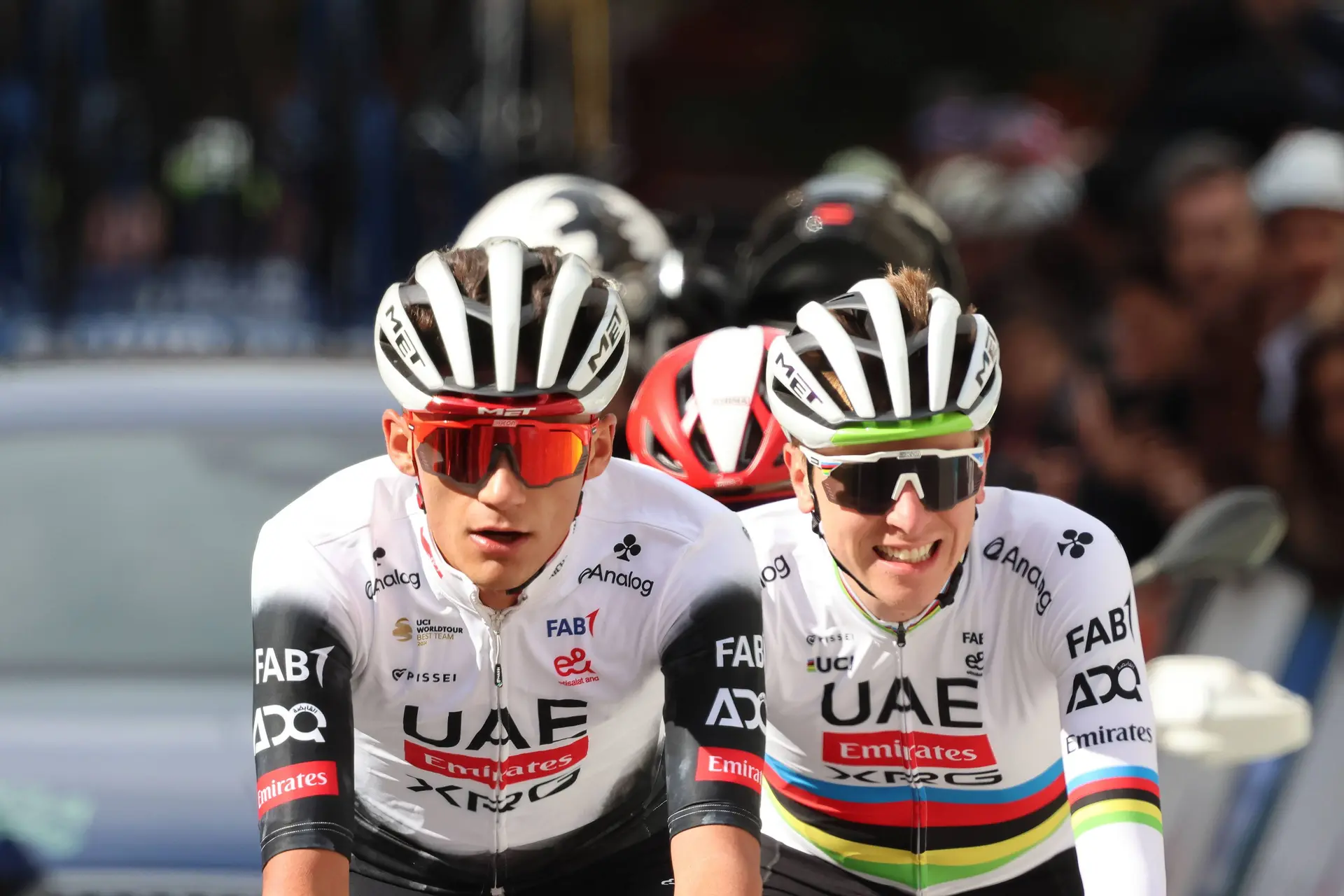
Jonas Vingegaard and Team Visma | Lease a Bike head into 2026 facing the same dynamic that defined the previous two Tours: Tadej Pogacar remains the dominant force. The UAE Team Emirates - XRG leader controlled both the 2024 and 2025 editions, and even a deep Visma support line-up could not shift him last July.
Where Visma’s 2025 Tour strategy broke down
In 2025, Visma attempted to pressure Pogacar from the opening days. They toughened stages that held little GC jeopardy, using riders like Matteo Jorgenson to lift the pace and drain Pogacar ahead of the high mountains. The approach frustrated the world champion but ultimately failed to weaken him.
When the race reached the decisive climbs, the accumulated workload boomeranged. Vingegaard’s domestiques paid the price, and Jorgenson in particular struggled through the third week, relying on breakaways to limit the time loss. The issue lay not in commitment, but in durability: Visma’s core helpers arrived without the depth required to sustain that high-intensity strategy for three weeks.
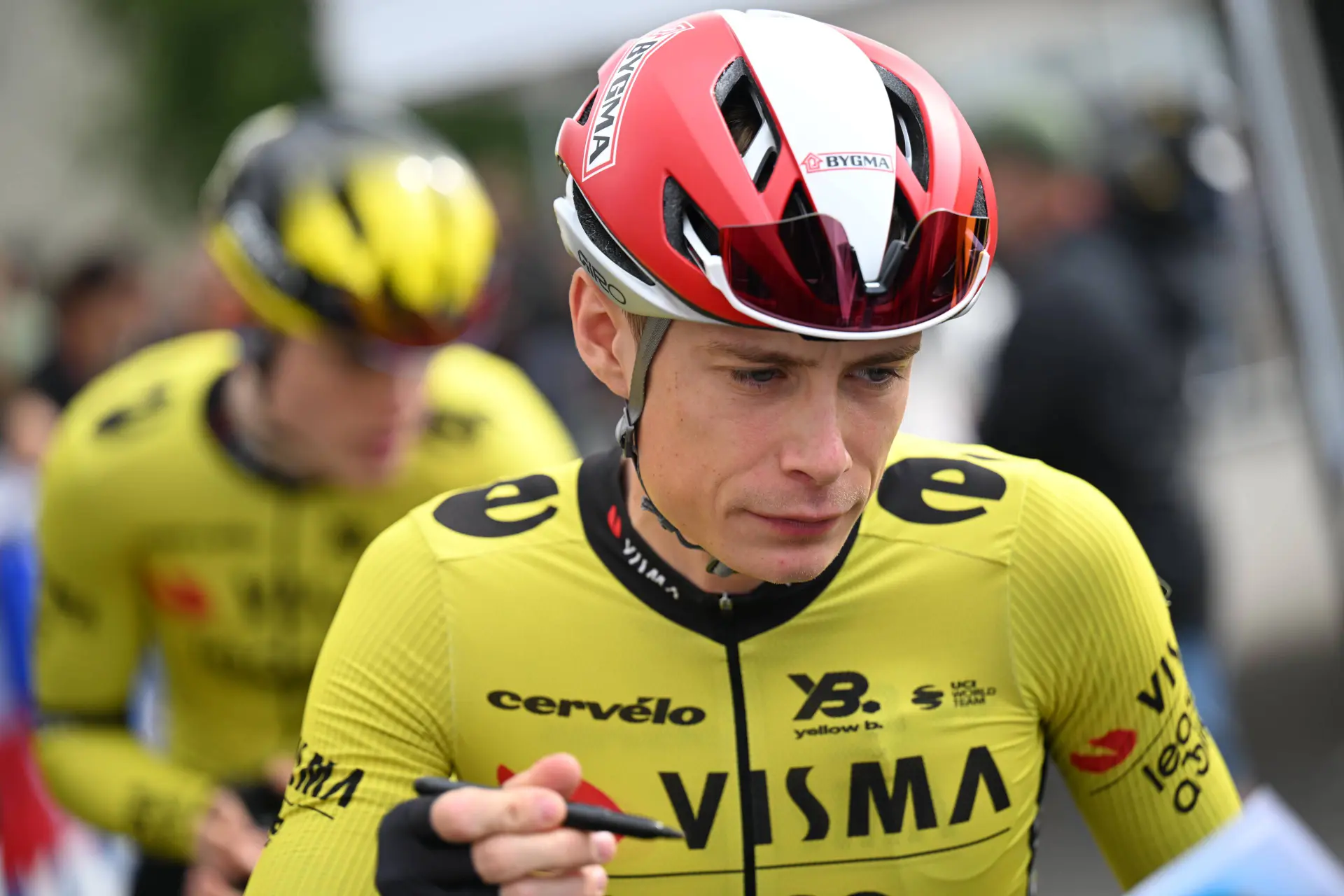
Yet Jorgenson remains central to their 2026 Tour de France plans. The American is likely to be Vingegaard’s primary lieutenant again, which elevates his development as a key concern heading into the new season.
Read also
The collective progression Visma will need for 2026
Beating Pogacar across three weeks is now an enormous task — even for Vingegaard. In 2024, injury blunted his form after the Itzulia crash. In 2025, he entered the Tour without setbacks and still could not match Pogacar, who won the race while managing knee pain.
That shift means Visma can no longer expect the parity that existed in 2022 and 2023. Instead, the 2026 campaign must prioritise lifting the entire support group to a higher level.
Jorgenson, at 26, needs the resilience to carry form deep into the final week, but he is only one piece. Sepp Kuss, Simon Yates, Wout van Aert and new signing Davide Piganzoli also need to reach the Grande Boucle with sharper condition and greater consistency.
For Team Visma | Lease a Bike, the path back to contention is likely to come from depth, not from a direct one-to-one battle with Pogacar. UAE’s collective strength has tipped the balance decisively; matching that firepower is the most realistic route to putting Vingegaard in position to contest yellow again.

Kieran WoodDeputy Editor-in-Chief
Kieran Wood is a sports journalist based in Wales and has been active in journalism since 2022. He regularly contributes to DartsNews.com and CyclingUpToDate.com, where he covers professional cycling and darts. In cycling, his work includes liveblogs from major races, including the Tour de France, the Giro d’Italia, and La Vuelta a España, alongside race reports and analysis. He has also conducted interviews with professional riders.
His reporting spans the full racing calendar, from one-day classics to stage races, with a focus on accurate, real-time coverage and clear contextual analysis. For statistics, results, and historical context, he regularly uses resources such as ProCyclingStats. To support reporting on rider activity and training context where relevant, he also references Strava.
In his work, Kieran places strong emphasis on careful sourcing, editorial accuracy, and updating articles as new, verified information becomes available.
claps 1visitors 1
Just in
Popular news
Latest comments
- Maybe Ineos are planning to concentrate on GC after recent statements about getting back to winning the Tour?Lozza09-10-2026
- lol maybe a better questionmij09-10-2026
- Does Ineos?Mistermaumau09-10-2026
- ThanksMistermaumau09-10-2026
- It depends on your religion or opinion of science but if you feel he did the right thing I suggest you go complain to guys like Mohorič, Mas, etc. for reminding him not to try to copy Senna too much.Mistermaumau09-10-2026
- yeah that was poorly written, but Gulio was in the pink, and they didn’t work for him to protect the jersey. they let a group get up the road. the transfers are out of hand. what is a contract for?mij09-10-2026
- does he make it two years?mij09-10-2026
- A lot of things should not be happening but everything seems to be getting worse, not just in cycling or sport or professional surroundings. People are abandoning (common) standards in their belief they are only responsible towards themselves and have lost the ability to care, consider or understand consequences for others. If you ride , you should have noticed by now. I’m not one to stick to rules per se but when, I don’t go round aggressing or criticising others who don’t either. On the bike you constantly get hooted, harassed, insulted or nudged off by drivers who broke at least double the number of rules you did before they point yours out. That said, I haven’t seen many specifics on this case yet so I’m not going to comment specifically, for now. If anyone knows more…Mistermaumau09-10-2026
- it is crazy. is this UAE at the end of Tadej’s reign? it happens!mij09-10-2026
- Not *all* Remco's wins have been without Tadej around. Tadej has beaten Remco in 2 direct head-to-head TT encounters, but the rest, with both present, Remco has taken the crown. If we're going to state facts, let's be accurate and give Remco credit where it is due, that man is often unbeatable in a TT.anonymouscyclist09-10-2026
Loading
2 Comments