Since its launch in 1999, the Santos Tour Down Under has
followed a rare trajectory in professional cycling, growing steadily from a
regional experiment into the defining stage race of the southern hemisphere.
Built around Adelaide and the rolling roads of South Australia, it has become
the traditional opening act of the UCI WorldTour season, setting the tone for
the year ahead.
January racing in Australia now carries global significance,
with the men’s and women’s events drawing international fields, large crowds,
and sustained attention from the sport’s governing bodies. Across more than two
decades, the race has produced moments that continue to shape its identity and
explain why it occupies a unique place on the cycling calendar.
From the outset, the Tour Down Under was designed to be more
than a warm-weather opener. It aimed to place Australia firmly on cycling’s
elite map, combining top-level competition with open access for fans lining
suburban streets and rural climbs.
Over time, that formula has delivered scenes
that remain part of the sport’s collective memory. Five moments, in particular,
illustrate how the race earned its standing and why its history still resonates
well beyond Adelaide.

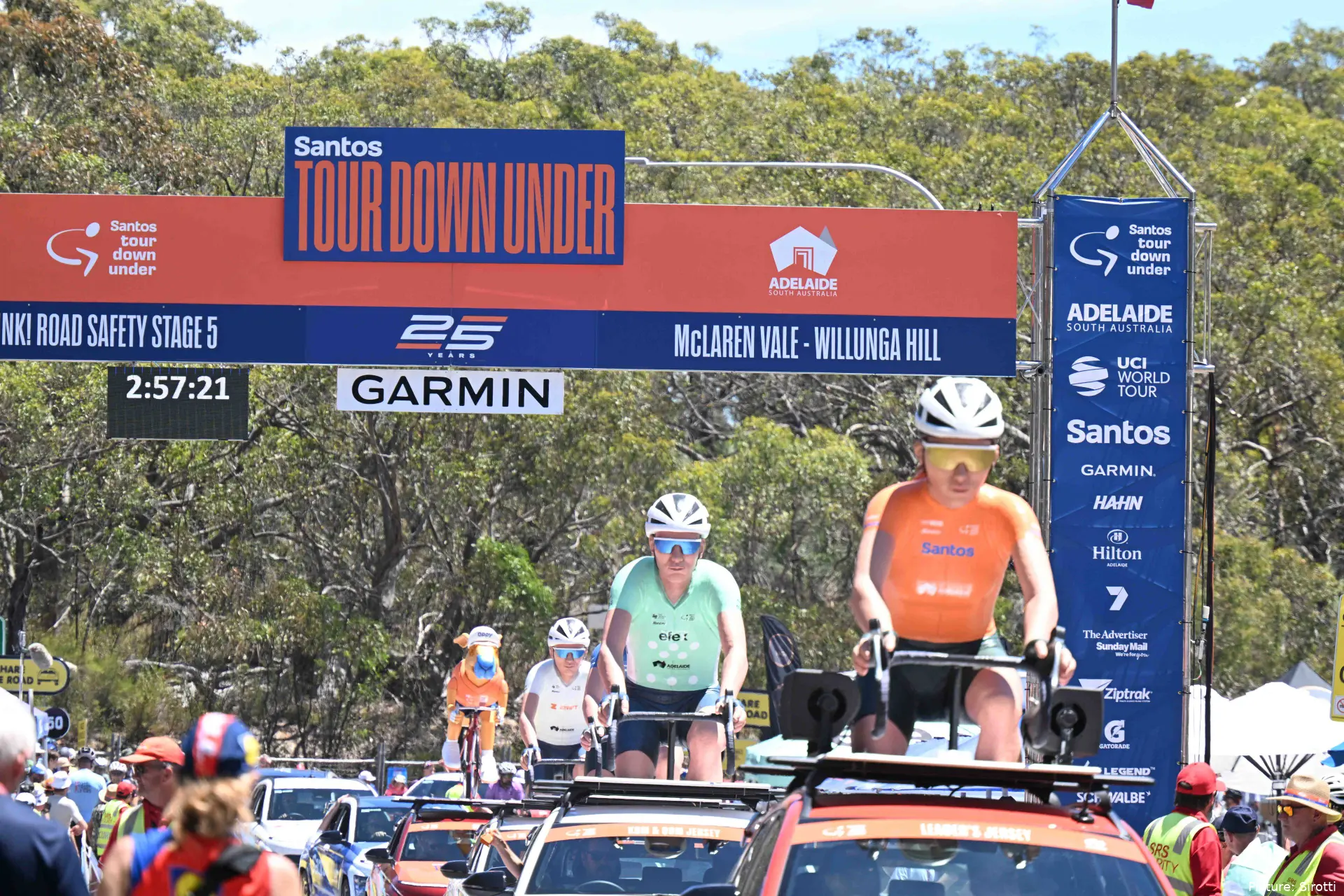
The riders often face Willunga Hill, which is pivotal in shaping the Tour Down Under
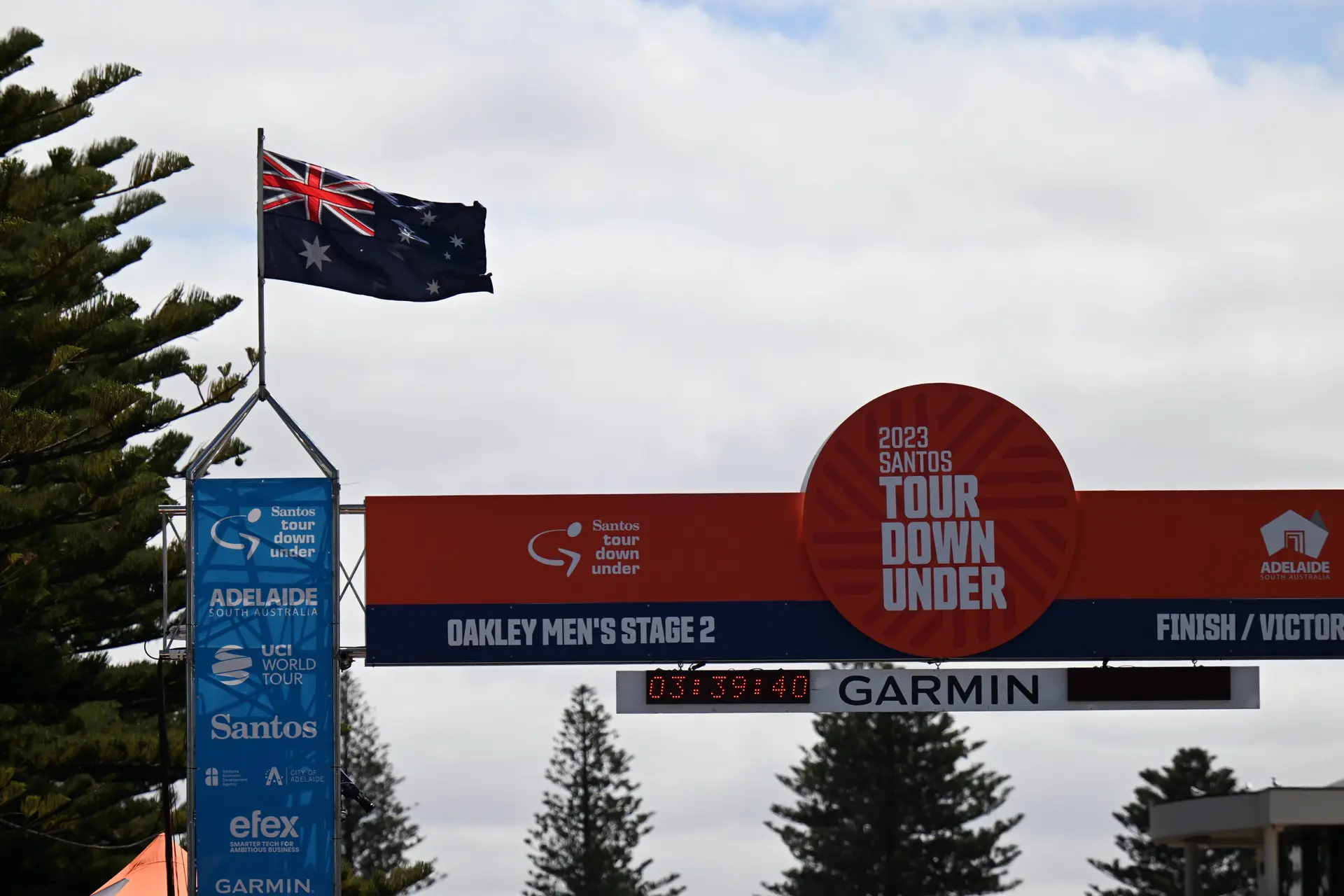
The race that began it all in 1999
The inaugural edition of the Tour Down Under in January 1999
carried a weight of expectation that few first-year races face. Years of
planning by South Australian organisers culminated in a multi-stage event
intended to attract international teams while remaining accessible to local
supporters.
What followed could not have been scripted more effectively. South
Australian rider Stuart O’Grady emerged as the overall winner, racing for the
French team Crédit Agricole and delivering the outcome local fans had dared to
hope for.
O’Grady’s victory unfolded on familiar roads, with
Adelaide’s streets transformed into a rare professional cycling arena. For
Australian cycling, it was a statement moment. The sight of a home rider
wearing the leader’s jersey in the race’s very first edition immediately
anchored the event to its setting.
It was no longer a concept or a trial run
but a legitimate international race capable of producing meaningful results.
That 1999 win helped define the Tour Down Under’s future
direction. It established trust among teams considering long-haul travel and
validated the idea that elite racing could thrive in Australia, all the way on the other side of the world.
The success of
the opening edition laid the foundation for what would become the biggest
cycling race in the southern hemisphere, a status the event has retained ever
since.
The day a fan changed the race in 2002
Few moments in professional cycling better capture
unpredictability than Michael Rogers’ 2002 Tour Down Under. Midway through
Stage 5, Rogers’ race appeared to unravel near the top of Menglers Hill. A
collision with a race motorbike damaged his rear derailleur, leaving him
stranded at a critical point in the stage and seemingly out of contention for
the overall win.
Rogers’ reaction was immediate and raw. He threw his broken
bike aside, convinced that his chance had slipped away. What followed was a
sequence so unlikely it has become part of Australian cycling folklore.
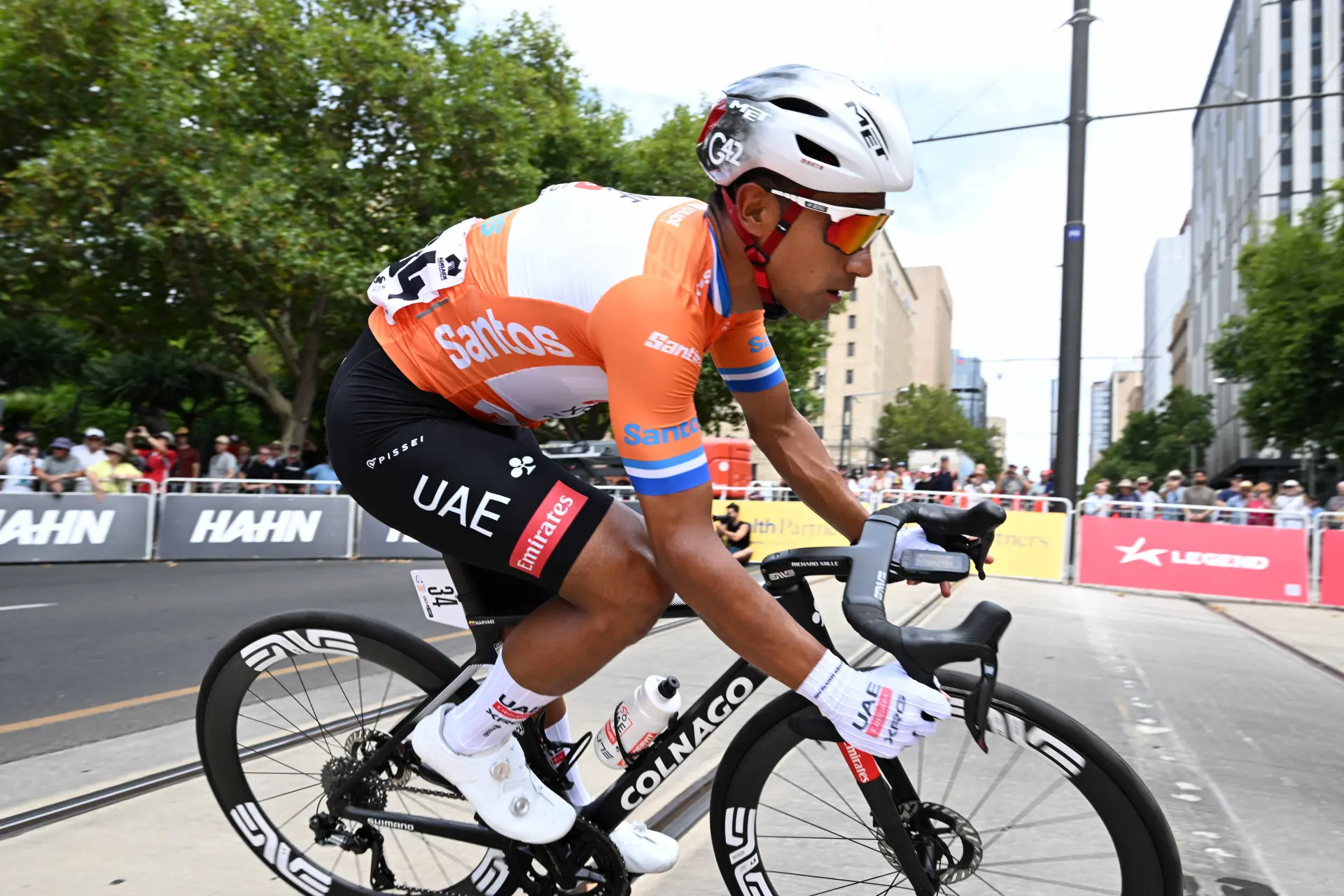
A
spectator, Adam Pyke, called out and offered Rogers his own Colnago bike. The
replacement matched Rogers’ team-issued machine closely enough to make the
switch possible, right down to size and pedal cleats.
With only a quick saddle adjustment, Rogers remounted and
chased back into the race. Not only did he regain contact with the peloton, he
later gained time in a bonus sprint, preserving his overall lead. The incident
turned a near collapse into a decisive turning point, and Rogers went on to win
the race overall.
The moment has endured not simply because of its drama, but
because of its rarity in modern professional cycling. Tight regulations and
controlled environments rarely allow such improvisation.
As Phil Liggett later
summed it up, “what could have been a disaster turned out totally triumphant.”
Armstrong’s return and the global spotlight in 2009
In 2009, the Tour Down Under experienced a different kind of
defining moment, one rooted less in racing outcome and more in attention. Lance
Armstrong chose the Adelaide event as the site of his comeback after three and
a half years away from professional cycling. At the time, he was still regarded
as a seven-time Tour de France winner, and his return immediately altered the
race’s profile.
The announcement alone generated global headlines. When
Armstrong arrived in South Australia, crowd numbers surged. Fans lined the
roads in unprecedented numbers, and media coverage expanded far beyond the
race’s usual reach. For many spectators, simply seeing Armstrong ride was the
main attraction, regardless of the general classification.
Armstrong did not contest the overall victory, finishing
29th, but his presence proved transformative. Organizers were careful to ensure
that the influx of attention benefited the race long-term rather than
overwhelming it in a single edition. The result was a lasting elevation of the
Tour Down Under’s status within the international calendar.
The 2009 race is now remembered as the moment when Adelaide
briefly became the center of the cycling world. The so-called Armstrong effect
demonstrated that the Tour Down Under could host cycling’s biggest names and
manage the scrutiny that followed, reinforcing its place as a permanent
WorldTour fixture.
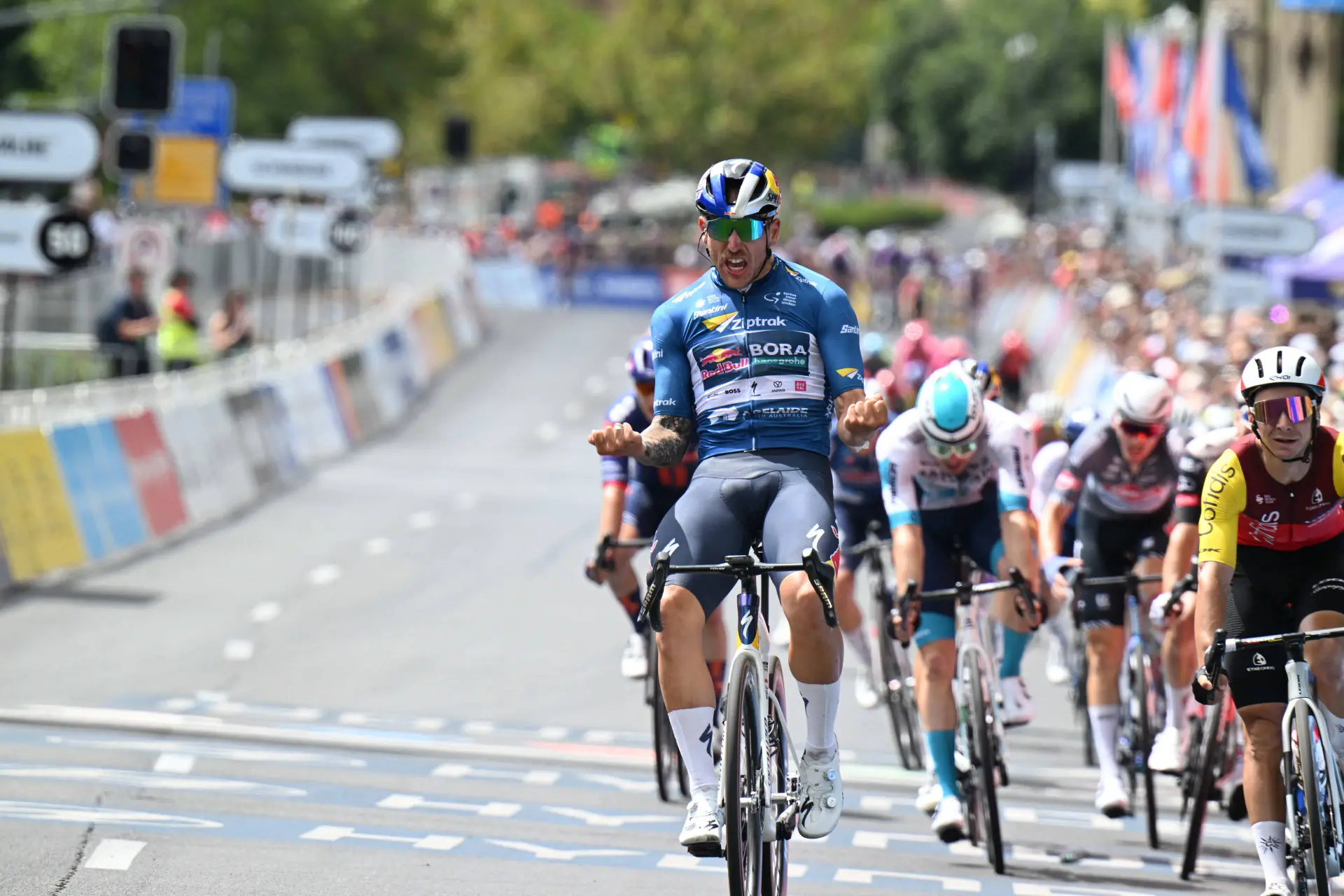
It's safe to say he wouldn't have been so popular there 4 years later...
The women’s race takes center stage in 2016
A significant shift occurred in 2016 when the Tour Down
Under formally expanded to include a multi-stage women’s race. Prior to this,
elite women had competed in exhibition criteriums linked to the event, but
there had been no equivalent stage race. The launch of the Santos Women’s Tour
Down Under as a UCI 2.2 event marked a clear change in approach.
Australia’s Katrin Garfoot won the inaugural edition, riding
for Orica-AIS and securing her place in the event’s history. Her overall
victory signaled that the
women’s peloton would now be given comparable racing terrain, structure, and
visibility on South Australian roads.
The response from fans and teams was immediate. The women’s
race grew quickly in reputation and importance. Within two years, the Tour Down
Under became the first cycling event globally to offer equal prize money to men
and women, a milestone that drew international attention.
By 2023, the women’s race had been elevated to WorldTour
status, completing a progression that began with the 2016 launch. That first
edition stands as a turning point, redefining what the event represented and
broadening its legacy in a tangible way.
Amanda Spratt’s three-year run at the top
If one rider’s achievements encapsulate the growth of the
women’s Tour Down Under, it is Amanda Spratt. In January 2019, Spratt secured
her third consecutive overall victory at the Santos Women’s Tour Down Under,
adding to wins already claimed in 2017 and 2018. Riding for Mitchelton–Scott,
she became the most successful female rider in the event’s history.
Her 2019 victory was defined by an aggressive move on the
slopes of Mengler Hill, a decisive moment that underlined her control of the
race. Across three editions, Spratt repeatedly demonstrated an ability to
manage pressure, terrain, and tactics against increasingly strong international
fields.
Spratt’s three consecutive titles remain a benchmark. They
reflect not only individual excellence but also the rapid development of the
women’s Tour Down Under as a meaningful early-season objective for elite riders
worldwide.
As the Tour Down Under continues to open the WorldTour
season, these moments remain reference points. They explain how a January race
at the far edge of the traditional cycling map became essential viewing, and
why its history continues to matter long after the winners’ jerseys are packed
away.


Fin MajorCycling Journalist
Fin Major is a UK-based writer at CyclingUpToDate and has been part of the team since 2024. He is the site’s main writer for FAQs and evergreen explainers and has written around 2,000 pieces for the platform. Alongside this work, he focuses on in-depth analysis and covers the biggest races on the calendar, including the Tour de France, the Giro d’Italia, and La Vuelta a España, providing clear context around performance trends, tactics, and key storylines.
In his reporting, Fin uses reputable data sources such as ProCyclingStats for results, statistics, and historical context. He places strong emphasis on careful sourcing, editorial accuracy, and updating articles promptly when new, verified information becomes available. Outside of writing, Fin is an active cyclist, which supports his practical understanding of the sport and its demands.
claps 0visitors 0
Just in
Popular news
Latest comments
- I hope he races Volta a Majorca. We'll really be able to see if he can do one-day-races (but do they count?)
 Rafionain-Glas12-10-2026
 - See, you can write a sensible comment without just slagging off everyone else! Well done!👏😆 🫣Lozza12-10-2026
- Seixas best chance is obviously UAE. They are the best team in history of the sport and they developed pogacar into the goat. They also developed Del Toro to be nr 2 in world. Seixas would become unstoppable at UAE. Lets see if Seixas stays at decathlon but if UAE comes knocking its impossible to say no. Barcelone and real madrid combined into one team, thats UAE in cycling it feels like..miguel12-10-2026
- I think he does or goes to whichever team gives him the scope to become the rider everyone thinks he'll be when Tadej stops.. that simpleslappers6612-10-2026
- I remember at one time he was mentioned in the same breath as Seixas. no more. Onley has a lot of work to do to be deserving of that.mij12-10-2026
- I hope he goes to Bahrain-Victorious to mentor JakobRafionain-Glas12-10-2026
- I hope he stays! Cycling is more fun with Primoz, even if he is not winning.mij12-10-2026
- yes for sure, there will be more chances for him at Euro than Lombardia. I wonder if that emotion wasn't also because he knows he has now been eclipsed by a younger rider w/o his goals being checked off. At least when Seixas over takes Tadej someday, Tadej will have accomplished his major goals. He still has Roubaix left, but Seixas isn't a threat there. And he should find a year to get Vuelta. Remco now is behind at least 2 riders w/o ever having won a Tour, one monument to his name, and the next few World Championships are not Remco friendly. I would still take Remco's wins though!!!mij12-10-2026
- Remco was at 100%. He raced as expected: 15th best on the climbs and then best in the sprint of the chasing group. Exactly what he did at Liège-Bastogne-Liège, where he was on similar form. His win in Amstel was comparable to Quebec or the EurosRafionain-Glas12-10-2026
- "inside the tent pissing out" is an idiom based on a quote from President Lyndon Johnson. Not sure if you're saying you don't understand the term. The full phrase is "it's probably better to have him inside the tent pissing out, than outside the tent pissing in."wrsty12-10-2026
Loading
Write a comment