ANALYSIS | Can Dygert, Vollering, or Reusser take Grace Brown’s world championship time trial title?
Cycling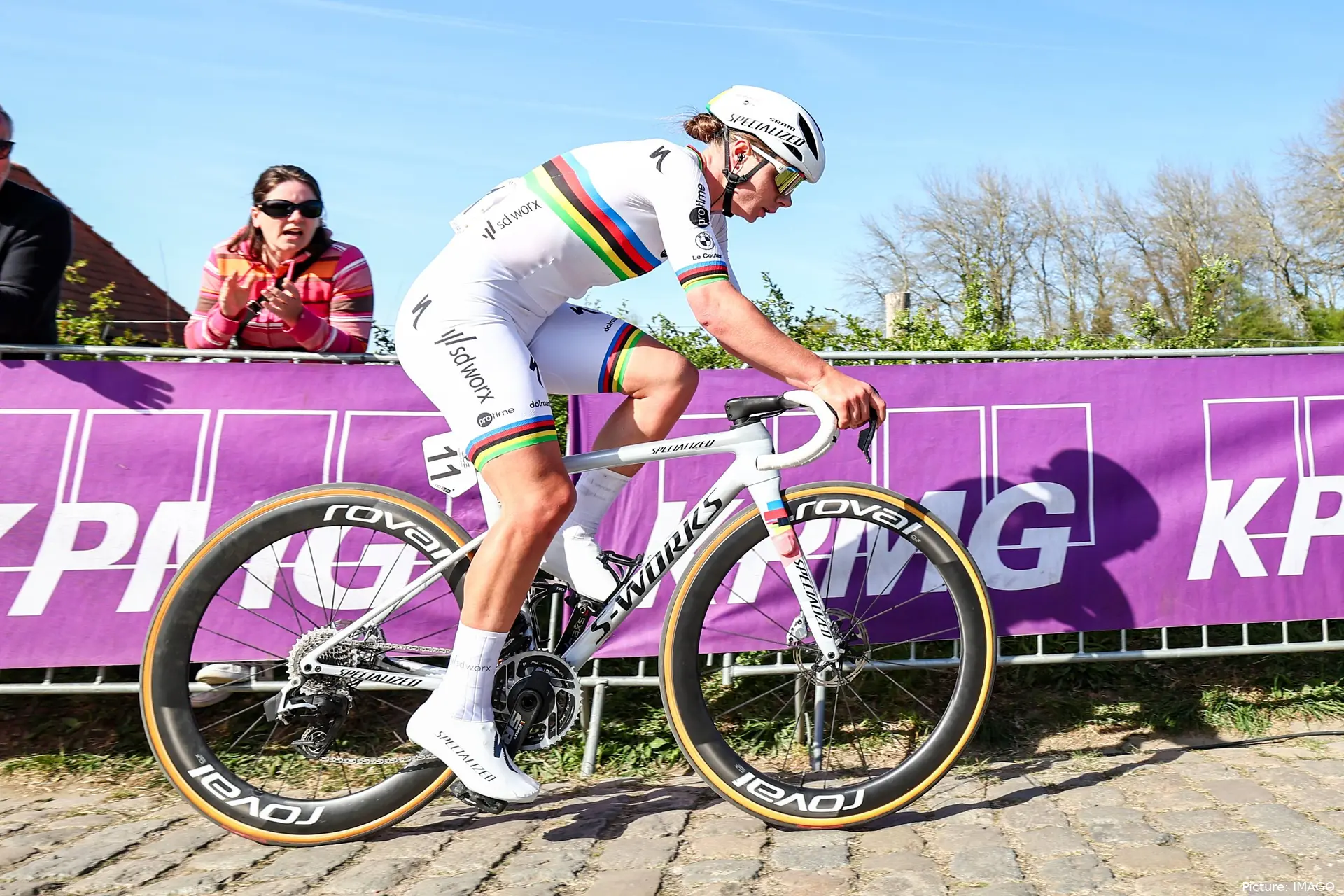
The Elite women’s individual time trial opens the UCI Road
World Championships, launching cycling’s first Worlds on African soil with a
race against the clock that is anything but straightforward. It takes place this
Sunday, September 21st, in Kigali, Rwanda, and the stakes could scarcely be
higher: the rainbow jersey last worn by a now-retired champion will pass to new
shoulders. The riders will embark on a 31.2-kilometre examination that begins
at altitude, teases with a flat opening, and then punishes with climbs,
cobbles, and an uphill run-in to the finish at the Kigali Convention Centre. It
isn’t a mountain TT and it isn’t a drag strip; it’s a thinking rider’s course
where form and clean execution will decide everything.
The course
The course demands a precise balance between aggression and
restraint. It sits entirely around 1,500 metres above sea level and includes
roughly 500 metres of climbing, spread across four ascents, one of them cobbled,
which together ensure that pacing matters more than holding a single number on
the power meter. The start is flat, but calm quickly gives way to the Côte de
Nyanza, 2.4 kilometres at 6%, which arrives at the first intermediate check
10.5 kilometres into the ride.
A descent follows, and then the same hill returns from its
gentler side, 6.6 kilometres at 3.5%, a stretch that will expose anyone who
opened too hot and is searching for rhythm they no longer have. Where the men’s
course adds another climb, the women skip it and surge instead toward the
Flandrien-flavoured Côte de Kimihurura, 1.3 kilometres at 5.9% over African
cobbles, and then keep climbing to the line. The finish rises all the way to
the Kigali Convention Centre, so the winning ride will be the one that leaves
enough in reserve for the last minutes when small margins become decisive.
What happened last year?
Last year in Zurich, Grace Brown closed her career in fairytale
fashion, backing up Olympic gold in Paris with the world title to complete an
unprecedented time-trial double in the same season. “I just feel really, really
lucky to end my career like this,” she said, the line of a lifetime from a
rider who had spent years grinding toward perfection and found it in her final
season.
Brown’s Worlds victory completed the double after she had
already taken the Paris 2024 Olympic TT, where she beat Anna Henderson and
Chloé Dygert to the medals. Brown has since retired and will not defend her
title, which transforms Kigali from a test of supremacy into an open audition
for a new queen of the discipline.
Marlen Reusser
Marlen Reusser one of the obvious favourites in a field
without its reigning champion. The Swiss ace is again national time-trial
champion in 2025, and few riders have lived as high and as long at the sharp
end of this discipline without yet wearing the rainbow bands. Reusser owns a
World Championships haul of two silvers and a bronze in the ITT, a stack of
European titles, and the sort of engine that usually underwrites world titles.
Anna Henderson
Anna Henderson arrives with medal metal already in the bank
and the sort of season arc that points toward a peak. In Paris last year she
took Olympic silver behind Brown, beating Dygert by less than a second, on a
course that blended flat speed with awkward changes in rhythm, a useful
analogue for what Kigali will demand.
If that was the global coming-of-age, then 2025 has seen her
go to the next level. The 26 year old from Hemel Hempstead won stage 2 of the
Giro d’Italia in July, and was second in British national TT, and 8th
in the Amstel Gold Race in the spring. She could be one of the favourites for a
medal on Sunday.
Demi Vollering
Demi Vollering is better known for dismantling mountain
stages and blowing GC rivals away than for dominating stopwatches, but the
calendar keeps producing reminders that her time-trial ceiling is higher than
the old scouting reports allowed. Rotterdam in 2024 was a watershed: she won
the Tour de France Femmes time trial in front of home fans and took the yellow,
a display built on pacing restraint early and pure torque late.
Kigali invites the same reading. The altitude, the
non-linear effort, the long false-flat drag to the line, these are places where
the pure specialists can fade and the climber-rouleur can keep adding seconds.
Vollering’s storyline here is twofold. First, she’s riding for a rainbow she
has never worn. Second, she lines up as the emblem of a team that has changed
shape in 2025 thanks to a famous comeback further down this start list; that
dynamic can energize a leader chasing a personal first. If she threads the
early checkpoints within touching distance and then treats the cobbles as a
launch pad, Vollering will have licence to empty the tank with the finish in
sight.
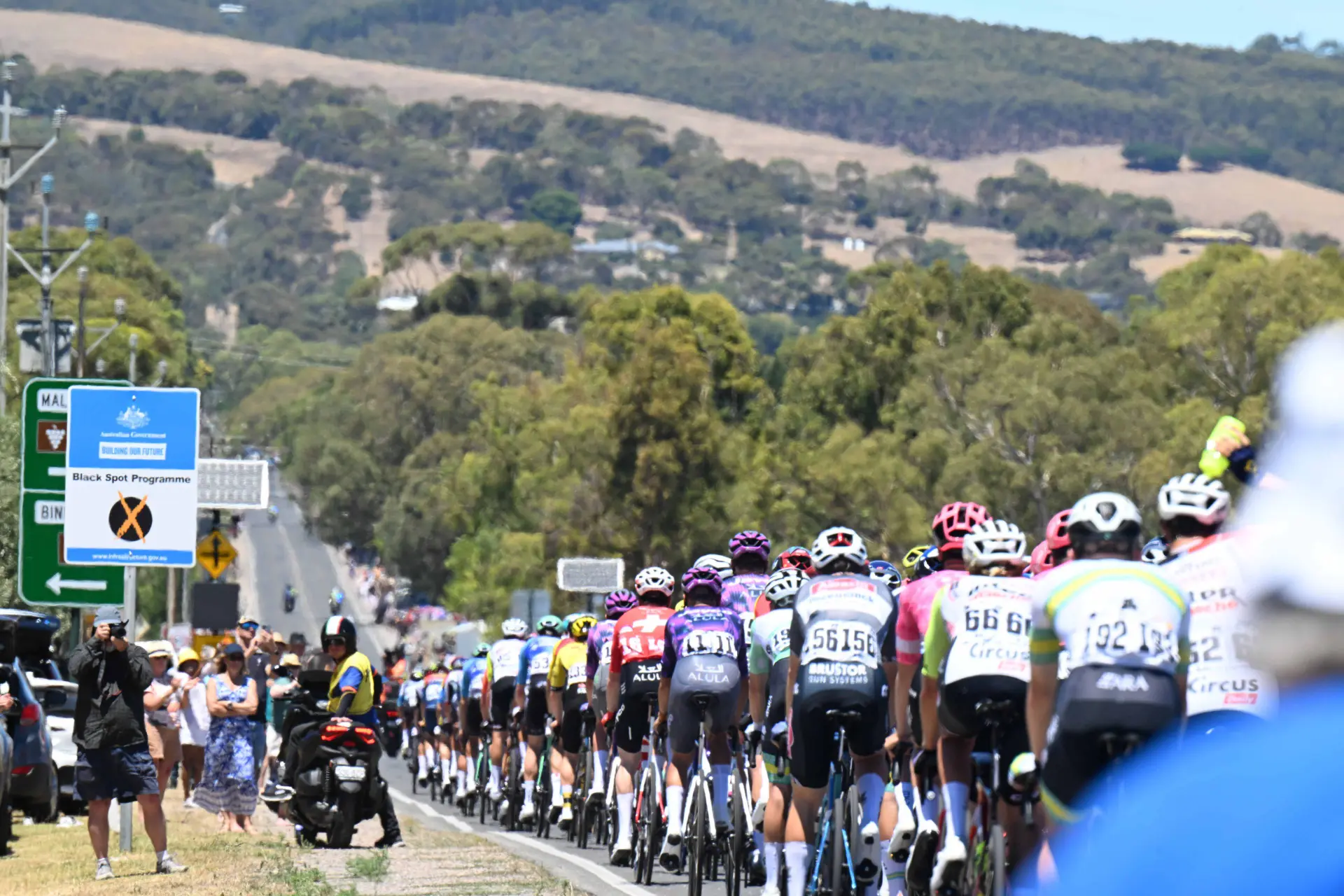
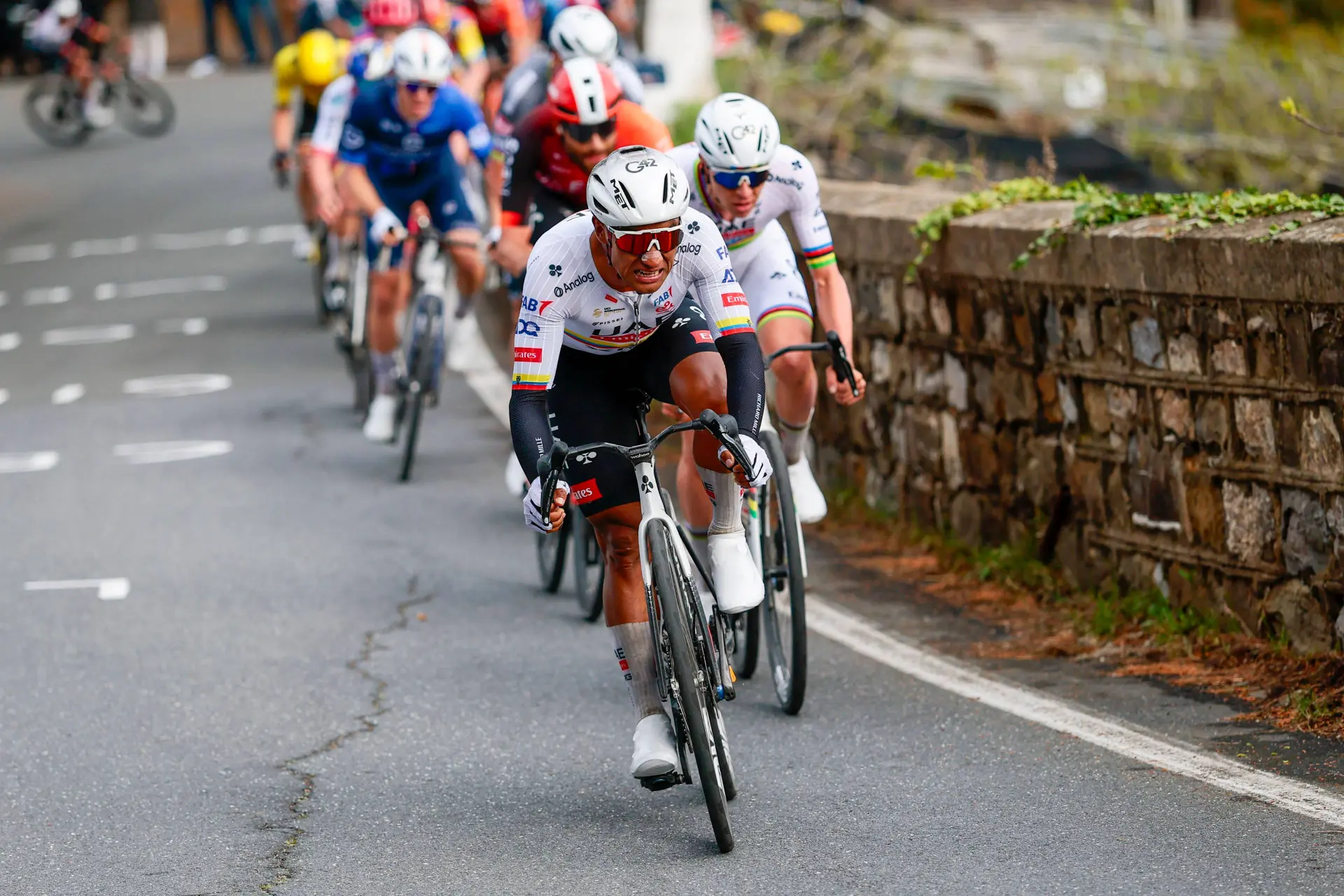
Chloe Dygert
Chloé Dygert’s relationship with the time trial is a
complicated one to say the least. She is a two-time world champion against the
clock, 2019 and 2023, with a palmarès that straddles road and track in a way
few can match. The brutal crash that shredded her 2020 season and the
interruptions that followed never extinguished the top-end speed; Paris 2024
brought Olympic bronze in the road TT and gold in the team pursuit,
confirmation that on her best days she still bends the clock.
Kigali is not necessarily the classic Dygert course, there
is altitude, there are climbs stacked on climbs, and the decisive sector may be
a cobbled ramp rather than a wind-blasted boulevard, but writing her out would
be reckless. She can put minutes into a field when the bike is arrow-straight;
the project here is to make sure the medium hills don’t erode that advantage.
Anna van der Breggen
Then there is the most intriguing name on the sheet: Anna
van der Breggen. She retired at the end of 2021, moved straight into the team
car as a directeur sportif, and then announced a full comeback for 2025 with SD
Worx-Protime. The legendary rider has had an up and down comeback season, she
finished 11th in the GC at the Tour de France Femmes, 6th
at the Giro, and 3rd with a stage win at the Vuelta. Strong results,
but not the wins she became used to before retiring. Still, if Van der Breggen
is genuinely within a handful of seconds at the final time check, there is no
rider in this field more likely to wring everything from the last kilometre on
Sunday.
This is not a start list that invites lazy labels. Without
Brown, there is no default favourite, no status quo to uphold. Reusser’s season
suggests a steady reconvergence with the form that made her the sport’s most
consistent TT medal collector; Henderson’s Olympic silver and consistent 2025
results point to a rider with the flow to go one better; Vollering’s Rotterdam
proof-point and her appetite for uphill finishes give her a profile built for
Kigali; Dygert’s medalling in Paris and enduring world-class power keep her on
every shortlist; and Van der Breggen’s renaissance adds the intangible that
data can’t price. Who will come out on top on Sunday?
A world title up for grab 🍿
— UCI (@UCI_cycling) September 19, 2025
Grace Brown 🇦🇺 won’t defend her UCI Time Trial World Champion crown this Sunday 🌈
Who will claim it? 👀#Kigali2025 pic.twitter.com/3zEdg5Otwx

Fin MajorCycling Journalist
Fin Major is a UK-based writer at CyclingUpToDate and has been part of the team since 2024. He is the site’s main writer for FAQs and evergreen explainers and has written around 2,000 pieces for the platform. Alongside this work, he focuses on in-depth analysis and covers the biggest races on the calendar, including the Tour de France, the Giro d’Italia, and La Vuelta a España, providing clear context around performance trends, tactics, and key storylines.
In his reporting, Fin uses reputable data sources such as ProCyclingStats for results, statistics, and historical context. He places strong emphasis on careful sourcing, editorial accuracy, and updating articles promptly when new, verified information becomes available. Outside of writing, Fin is an active cyclist, which supports his practical understanding of the sport and its demands.
claps 0visitors 0
Just in

Popular news
Latest comments
- disrespectful thats a joke ...
 Davide20-10-2026
 - EF’s “island of misfit toys” squad is probably one of my favorites in the peloton. They are fun to watch, always trying stuff - they ride with heart and panache, and their kits are excellent.wrsty20-10-2026
- 'Children these days'... Wout, since the caveman learned to say "Ug", older generations have always said this about younger generations. Not every young rider is a cowboy. So what's to say that the fact that Poels was respectful meant that his peers were equally so?
 Rafionain-Glas19-10-2026
 - "...In a weakened field" Most definitely ! YAWN !frieders319-10-2026
- Noted. But I had to appease his fans.MajorPayne19-10-2026
- I wonder if he'll race Challenge MallorcaRafionain-Glas19-10-2026
- Head to head time-splits: Jay Vine vs Remco Evenepoel: 10.5 km - Vine lost 45 seconds to Evenepoel 34.2 km - Vine lost a further 1:10, and was caught in the vicinity of that checkpoint. Note: I remember Vine getting caught before the second checkpoint, and ProCyclingStats log supports that, however, the gap at the second checkpoint was less than 2 minutes. 45.4 km - Vine lost only 16 seconds Of course, Vine lost less time in the middle section than the early section, but at the final segment rate, he'd have lost 15 seconds in the opening section and and 34 seconds in the middle. It is possible that Vine paced himself very well but that seems unlikely. In comparison with Stefan Küng: Kung lost: 26 seconds at T1. A further 1:11 by T2. A further 40 seconds by the finish. Relative to Evenepoel, Küng did slow down by the end. Maxime Decomble: Lost 47 seconds at T1. A further 1:20 by T2. A further 26 seconds by the finish. Mikkel Bjerg: Lost 37 seconds at T1. A further 1:34 by T2. A further 46 seconds by the finish. It is not concrete evidence that Vine cheated though it certainly doesn't absolve him. However, watching the race, I am 100% sure that Vine did not pull over and follow a different line when Remco passed him. Remco pulled away quite quickly, but the gap did not balloon and Vine definitely got aero assistance.Rafionain-Glas19-10-2026
- That ship has sailed years agovappaxbipmv19-10-2026
- He doesn't have to. I'd be perfectly happy if he loses SB if he then wins everything elsevappaxbipmv19-10-2026
- Please don't put Remco in the same sentence as Tadej. It's disrespectful to Tadej. Please make a note of this.KissinKate19-10-2026
Loading
Write a comment