After Muriel Furrer’s tragic death, UCI makes GPS trackers mandatory for all riders at 2025 World Championships
Cycling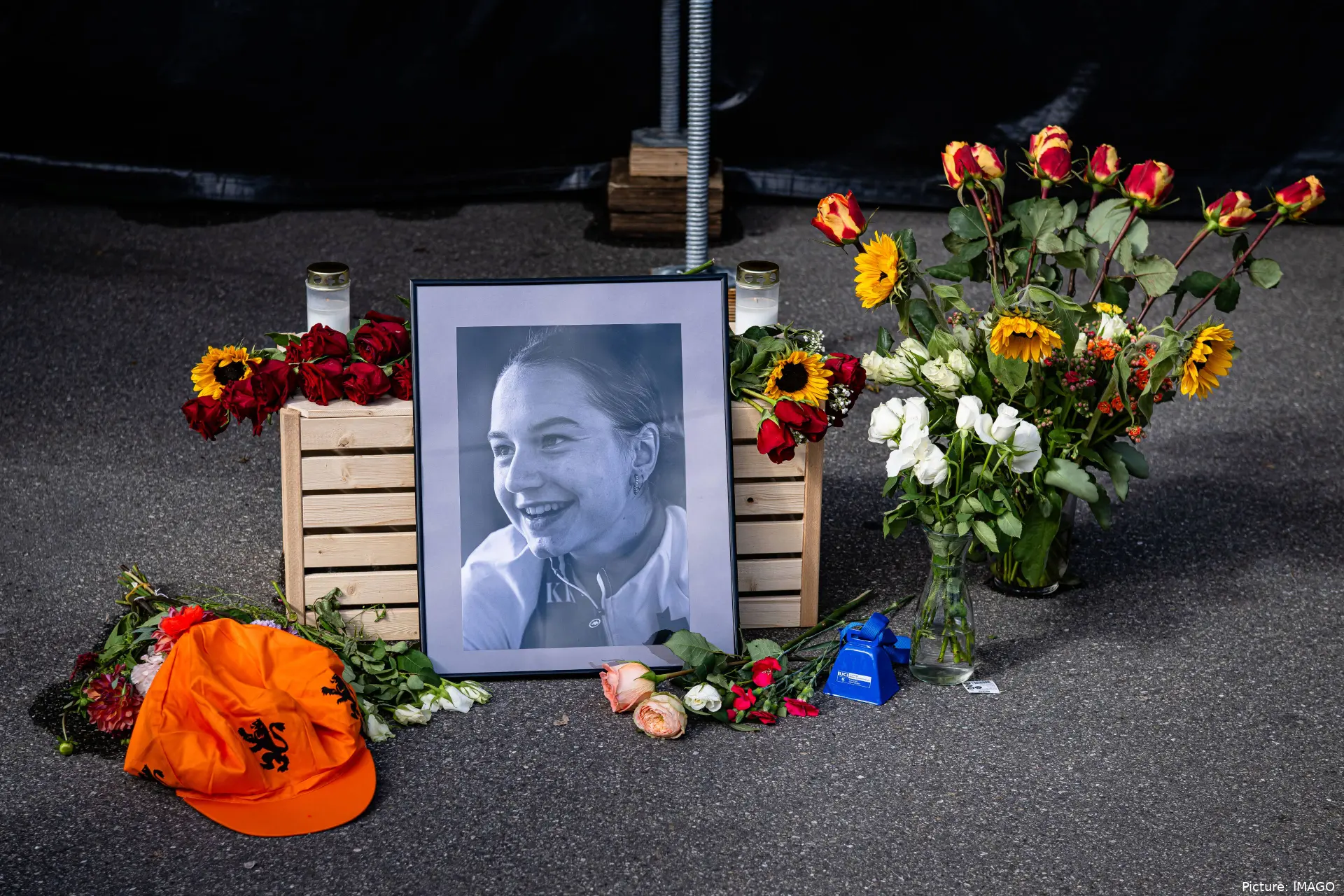
The UCI has confirmed it will deploy a GPS rider tracking system to enhance rider safety at this September’s Road World Championships in Kigali, Rwanda. The decision comes almost a year after the tragic death of Swiss junior Muriel Furrer at the 2024 Worlds in Zürich, which highlighted the risks of a fallen rider remaining undetected for too long.
In a statement, the governing body said: “The UCI, together with SafeR and in close collaboration with all stakeholders of professional road cycling, is constantly working to improve the safety of riders. The introduction of a GPS safety tracking system for riders is important and necessary progress in this regard. Thanks to this system, any incident or accident that might have gone unnoticed can be quickly identified, and it will be possible to assist the person concerned as quickly as possible.”
According to the UCI, “all riders in all categories (Men and Women Elite, Under 23 and Junior) will be equipped with a GPS safety tracking device attached under their saddle during all events at the 2025 UCI Road World Championships (road races, individual and team time trials).”
The technology, operated from the World Championships control centre, will allow real-time monitoring of each rider’s position and speed. Any unusual situations — such as a sudden stop on the course — will automatically trigger alerts. The UCI explained that in such cases, “the rider's exact position will be transmitted to the relevant parties in the convoy – organisers, UCI Commissaires, medical and security services – so that appropriate measures can be taken without delay.”
Tested in Romandie, but not without friction
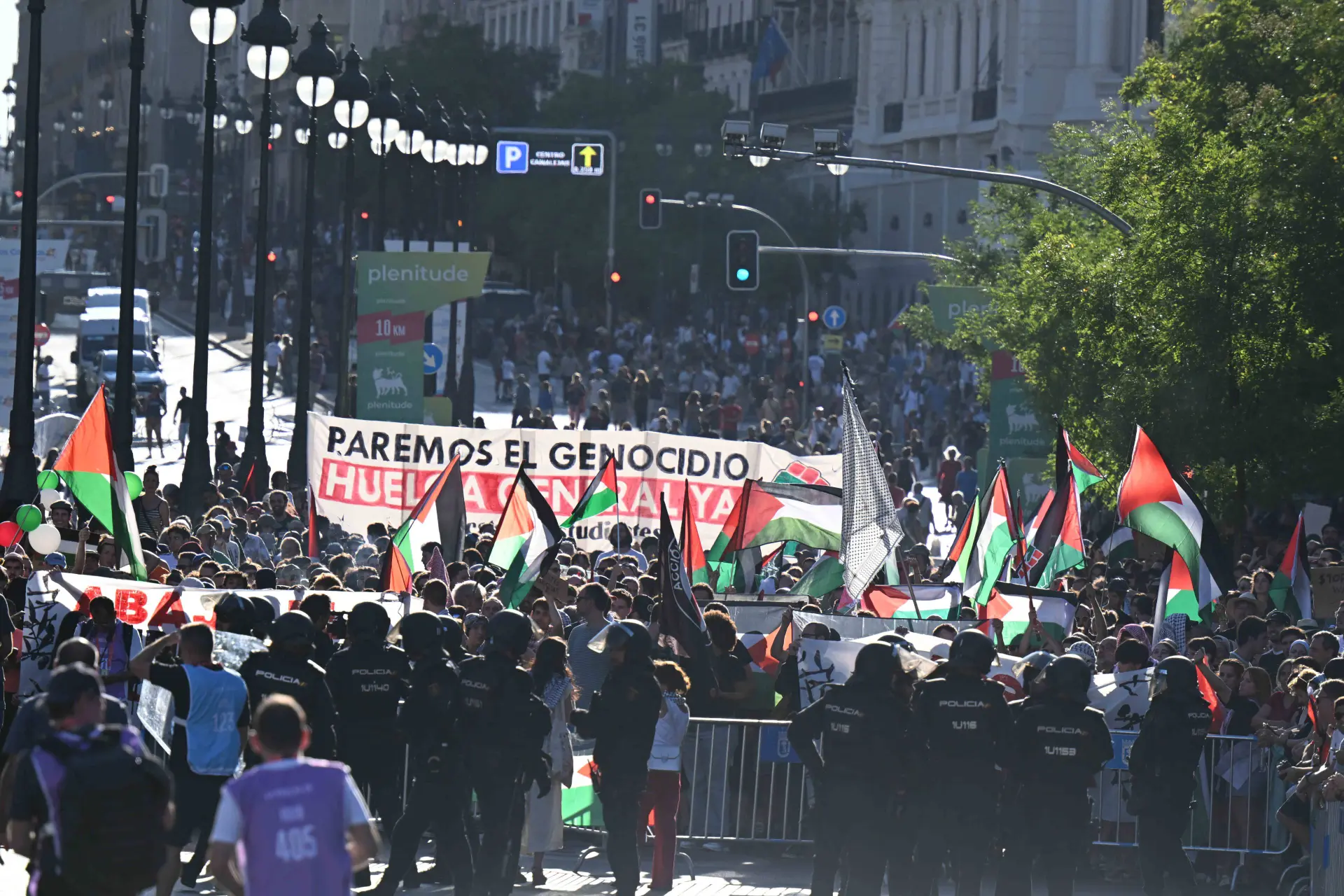
The GPS safety tracking technology was tested during the Tour de Romandie Féminin in August. The UCI said this trial “enabled it to be refined” ahead of its debut in Kigali. Yet those Romandie tests were marked by controversy: several teams refused to participate under the federation’s terms and were ultimately disqualified, underscoring the political and commercial sensitivities around data control in cycling.
The new system will be the most visible policy change since the death of Muriel Furrer, who crashed at last year’s World Championships in Zürich and was not immediately located at the roadside. Her case prompted louder calls for technology that could ensure no rider remains unaccounted for.
While the adoption of GPS tracking at the Worlds represents a step forward, questions remain over governance, access to live data, and long-term implementation across the professional calendar. For now, though, Kigali will mark the first time every rider at a World Championships — from juniors to elites — races with a digital safeguard beneath their saddle.

The UCI confirms introduction of GPS rider safety tracking system at 2025 UCI Road World Championships https://t.co/ypTDZzr2vw pic.twitter.com/9WlaAEa98k
— UCI_media (@UCI_media) September 19, 2025

Kieran WoodDeputy Editor-in-Chief
Kieran Wood is a sports journalist based in Wales and has been active in journalism since 2022. He regularly contributes to DartsNews.com and CyclingUpToDate.com, where he covers professional cycling and darts. In cycling, his work includes liveblogs from major races, including the Tour de France, the Giro d’Italia, and La Vuelta a España, alongside race reports and analysis. He has also conducted interviews with professional riders.
His reporting spans the full racing calendar, from one-day classics to stage races, with a focus on accurate, real-time coverage and clear contextual analysis. For statistics, results, and historical context, he regularly uses resources such as ProCyclingStats. To support reporting on rider activity and training context where relevant, he also references Strava.
In his work, Kieran places strong emphasis on careful sourcing, editorial accuracy, and updating articles as new, verified information becomes available.
claps 0visitors 0
Just in

Popular news
Latest comments
- EF’s “island of misfit toys” squad is probably one of my favorites in the peloton. They are fun to watch, always trying stuff - they ride with heart and panache, and their kits are excellent.wrsty20-10-2026
- 'Children these days'... Wout, since the caveman learned to say "Ug", older generations have always said this about younger generations. Not every young rider is a cowboy. So what's to say that the fact that Poels was respectful meant that his peers were equally so?
 Rafionain-Glas19-10-2026
 - "...In a weakened field" Most definitely ! YAWN !frieders319-10-2026
- Noted. But I had to appease his fans.MajorPayne19-10-2026
- I wonder if he'll race Challenge MallorcaRafionain-Glas19-10-2026
- Head to head time-splits: Jay Vine vs Remco Evenepoel: 10.5 km - Vine lost 45 seconds to Evenepoel 34.2 km - Vine lost a further 1:10, and was caught in the vicinity of that checkpoint. Note: I remember Vine getting caught before the second checkpoint, and ProCyclingStats log supports that, however, the gap at the second checkpoint was less than 2 minutes. 45.4 km - Vine lost only 16 seconds Of course, Vine lost less time in the middle section than the early section, but at the final segment rate, he'd have lost 15 seconds in the opening section and and 34 seconds in the middle. It is possible that Vine paced himself very well but that seems unlikely. In comparison with Stefan Küng: Kung lost: 26 seconds at T1. A further 1:11 by T2. A further 40 seconds by the finish. Relative to Evenepoel, Küng did slow down by the end. Maxime Decomble: Lost 47 seconds at T1. A further 1:20 by T2. A further 26 seconds by the finish. Mikkel Bjerg: Lost 37 seconds at T1. A further 1:34 by T2. A further 46 seconds by the finish. It is not concrete evidence that Vine cheated though it certainly doesn't absolve him. However, watching the race, I am 100% sure that Vine did not pull over and follow a different line when Remco passed him. Remco pulled away quite quickly, but the gap did not balloon and Vine definitely got aero assistance.Rafionain-Glas19-10-2026
- That ship has sailed years agovappaxbipmv19-10-2026
- He doesn't have to. I'd be perfectly happy if he loses SB if he then wins everything elsevappaxbipmv19-10-2026
- Please don't put Remco in the same sentence as Tadej. It's disrespectful to Tadej. Please make a note of this.KissinKate19-10-2026
- ....and you just described how americans are fleecing american fans as well. We don't even get the eurosport coverage you get. What you see on yurrup HBO is not available in this country. Trust me, being a cycling fan sucks everywhere.KissinKate19-10-2026
Loading
Write a comment