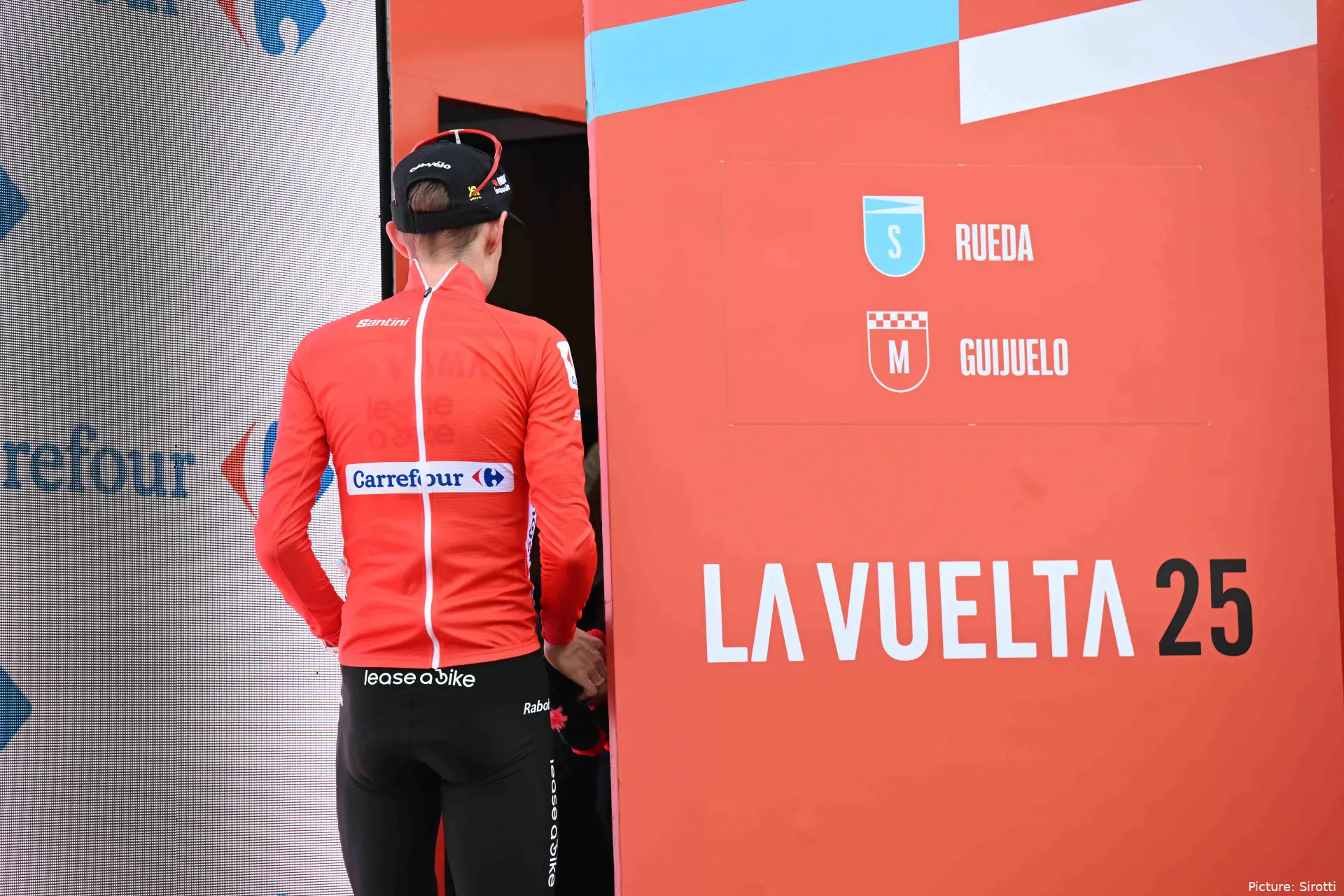
It is safe to say that the 2025 Vuelta a Espana was a grand
tour like we’ve never seen before. On paper, it went exactly as expected. Jonas
Vingegaard won the red jersey, and Joao Almeida was his closest challenger in
the GC, whilst Mads Pedersen comfortably won the green jersey, and Jasper Philipsen
was the fastest pure sprinter. But, the Vuelta was anything but normal. In
fact, the bike racing became a sub-plot to a huge political movement, as the
race was dominated by protests.
The 2025 Vuelta a España was supposed to end in Madrid with
the traditional sprint on the Paseo del Prado, a parade that usually celebrates
both the winner of the red jersey and the survival of three gruelling weeks.
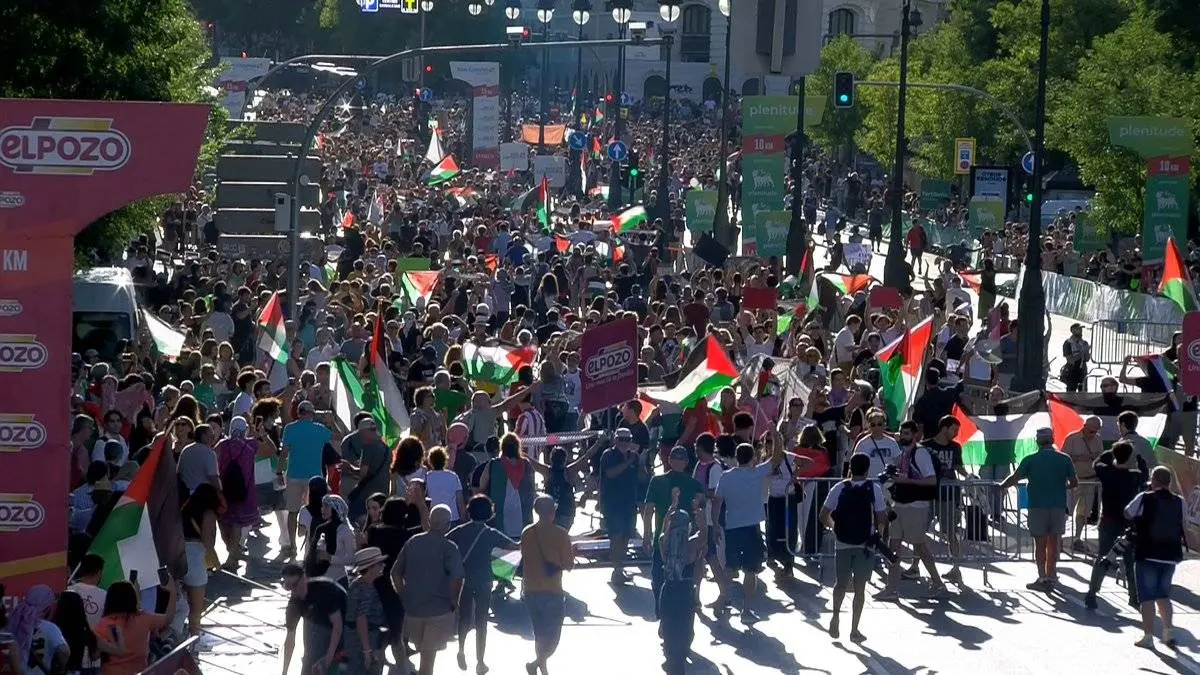
Instead, the race came to a chaotic conclusion when Stage 21 was halted by
pro-Palestinian protests that blocked sections of the course and forced organisers
to cut the stage short. It was a surreal and unprecedented moment in modern
cycling, leaving the general classification standings frozen and the final
podium ceremony deeply overshadowed by political turmoil.
Unprecedented yes, but hardly unexpected after three weeks
we have seen in Spain.
The Madrid incident capped a race already repeatedly
disrupted by demonstrations. From the opening week in Galicia to the decisive
mountain stages in Asturias and the late time trial in Valladolid, protesters
made their presence felt on multiple occasions. Race officials shortened
routes, neutralised finishes, and even cancelled a stage winner’s celebration.
By the time the peloton rolled into Spain’s capital, the tension had reached a
boiling point. For riders, organisers, fans, and the global audience, the
events of this Vuelta raised uncomfortable questions: why cycling is such an
accessible target, what freedom of expression means when it collides with
sport, and whether safety can truly be guaranteed in open-road races.
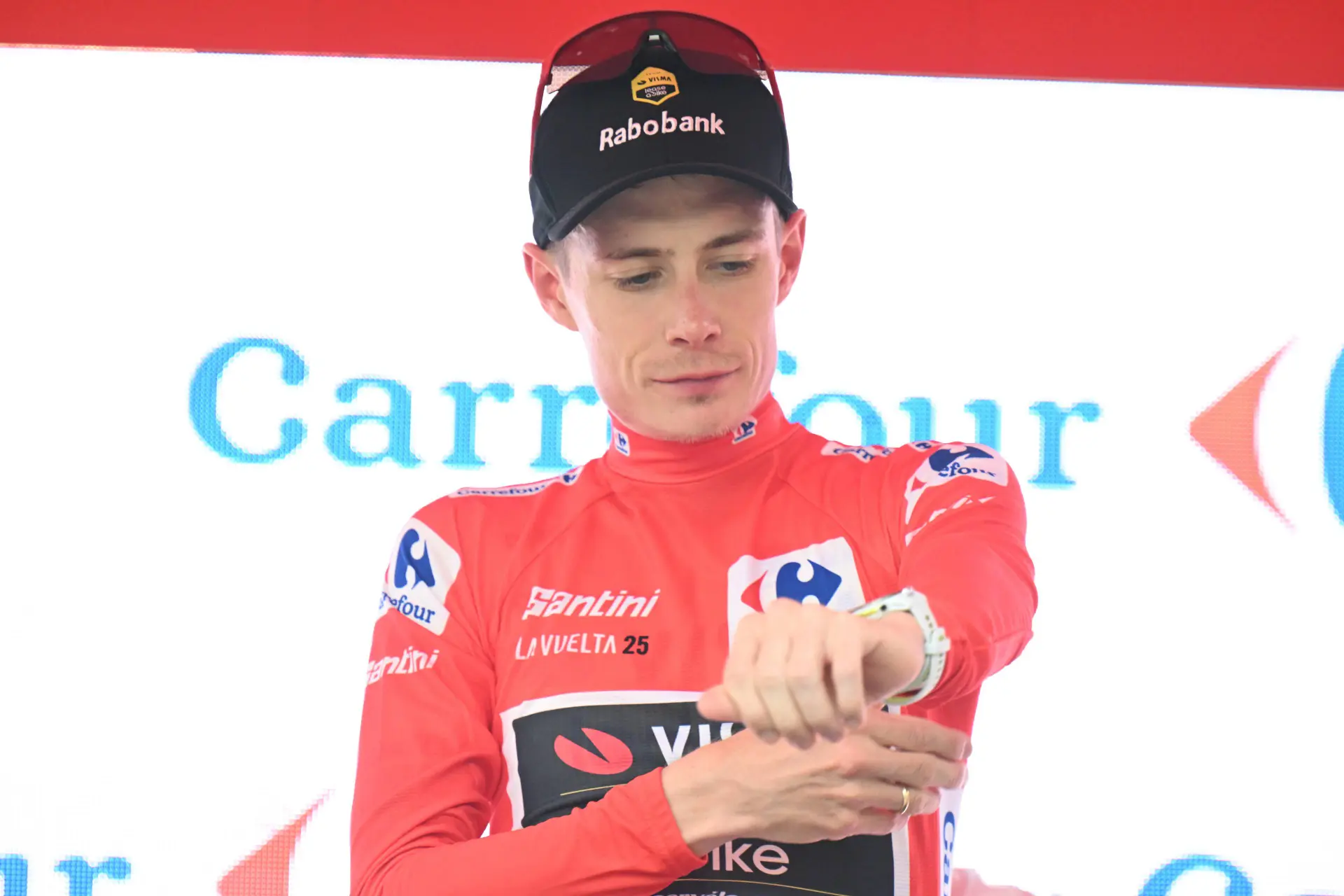
This article recounts how protests shaped the 2025 Vuelta,
explores the reasons behind them, and considers what the implications may be
for cycling and sport as a whole. Let’s take a closer look at the protests that
defined perhaps the most unique grand tour we will ever see.
Stage 5’s team time trial
The first major disruption came early, during Stage 5’s team
time trial, as protesters blocked part of the course ahead of the Israel - Premier
Tech squad. Riders were delayed and the race jury had to issue a time
correction, a decision that sparked debate about fairness and competitive
integrity. The incident served notice that demonstrators were willing to use
the race as a platform and that security preparations were insufficient to
prevent interruptions.
From a sporting perspective, it was a nuisance but not yet a
crisis. The time trial continued, times were adjusted, and the race moved on.
But within days it was clear this was not an isolated action, it was the
beginning of a campaign that would follow the Vuelta across the country.
Read also
Stage 11’s mayhem in Bilbao
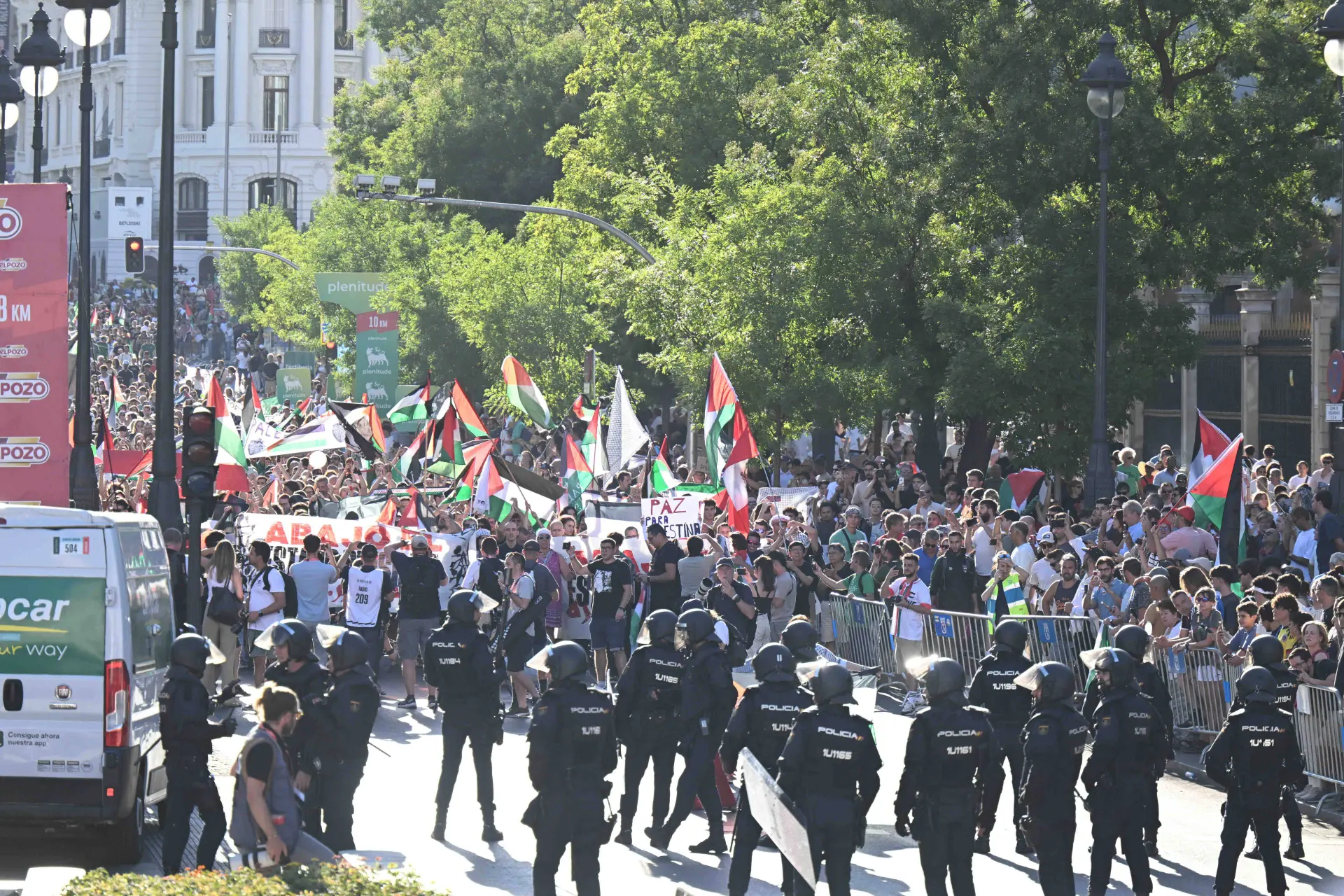
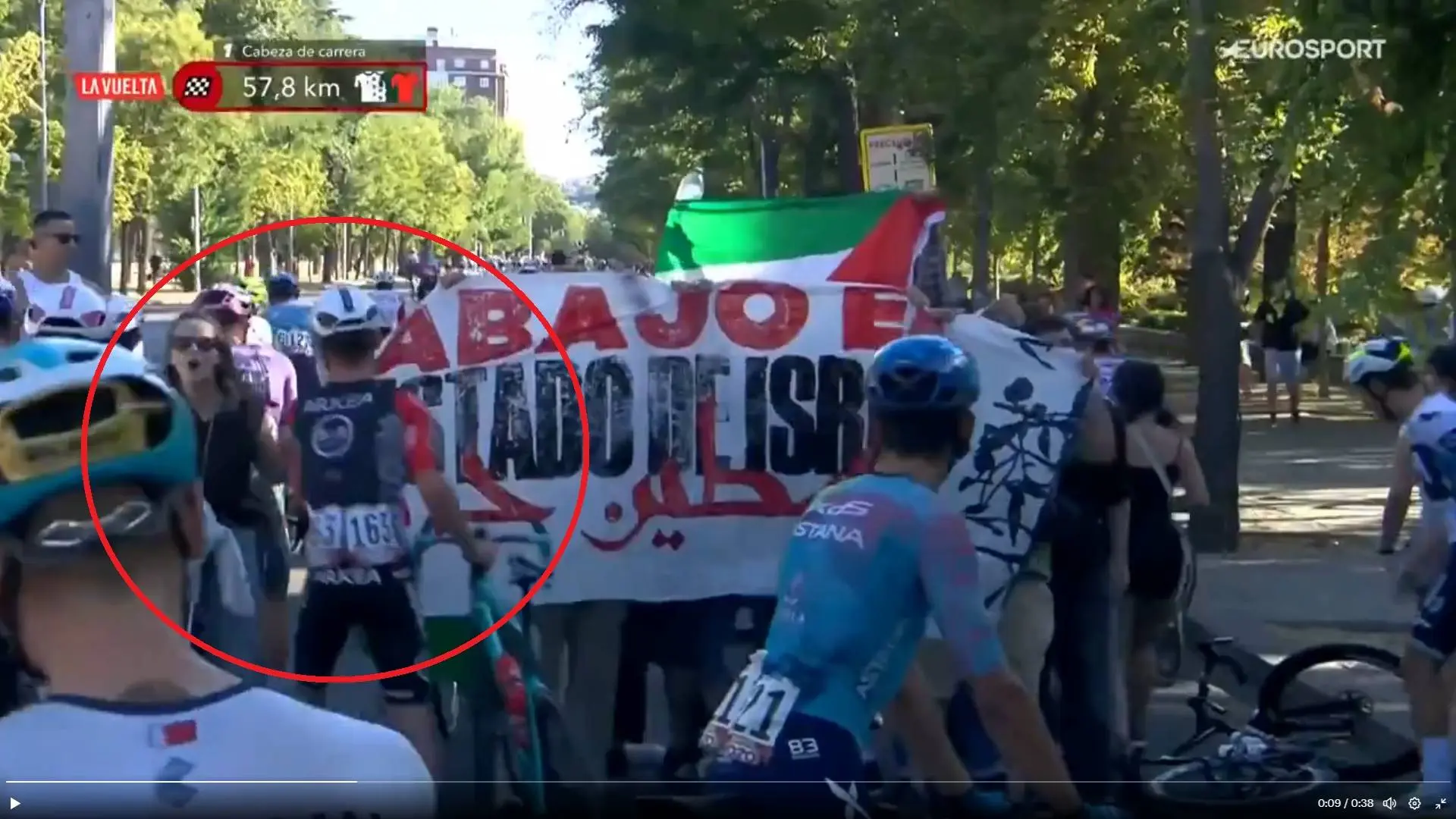
By Stage 11 in Bilbao, protests had escalated. Demonstrators
positioned themselves near the finish line, leading organisers to neutralize
the race three kilometres before the planned end. No winner was declared, and
official times were taken at the earlier marker. For riders, in particular Tom
Pidcock who had dropped Jonas Vingegaard, they felt robbed of a fair race, and cycling
fans felt deprived of a fair result. For the Vuelta’s image, it was an
unprecedented embarrassment: a stage of one of cycling’s grand tours finishing
without a victor.
This moment revealed the fragility of road racing. Unlike
stadium sports, cycling unfolds across hundreds of kilometres of public roads,
often through dense urban areas. Even with police escorts and road closures, it
is virtually impossible to guarantee that protesters cannot reach the course.
The neutralisation in Bilbao became a symbol of how exposed the sport is to
disruption
In truth, the Vuelta never got on top of things following
stage 11 in Bilbao. The balance between freedom of expression and rider safety
was never established, and the situated spiralled out of hand.
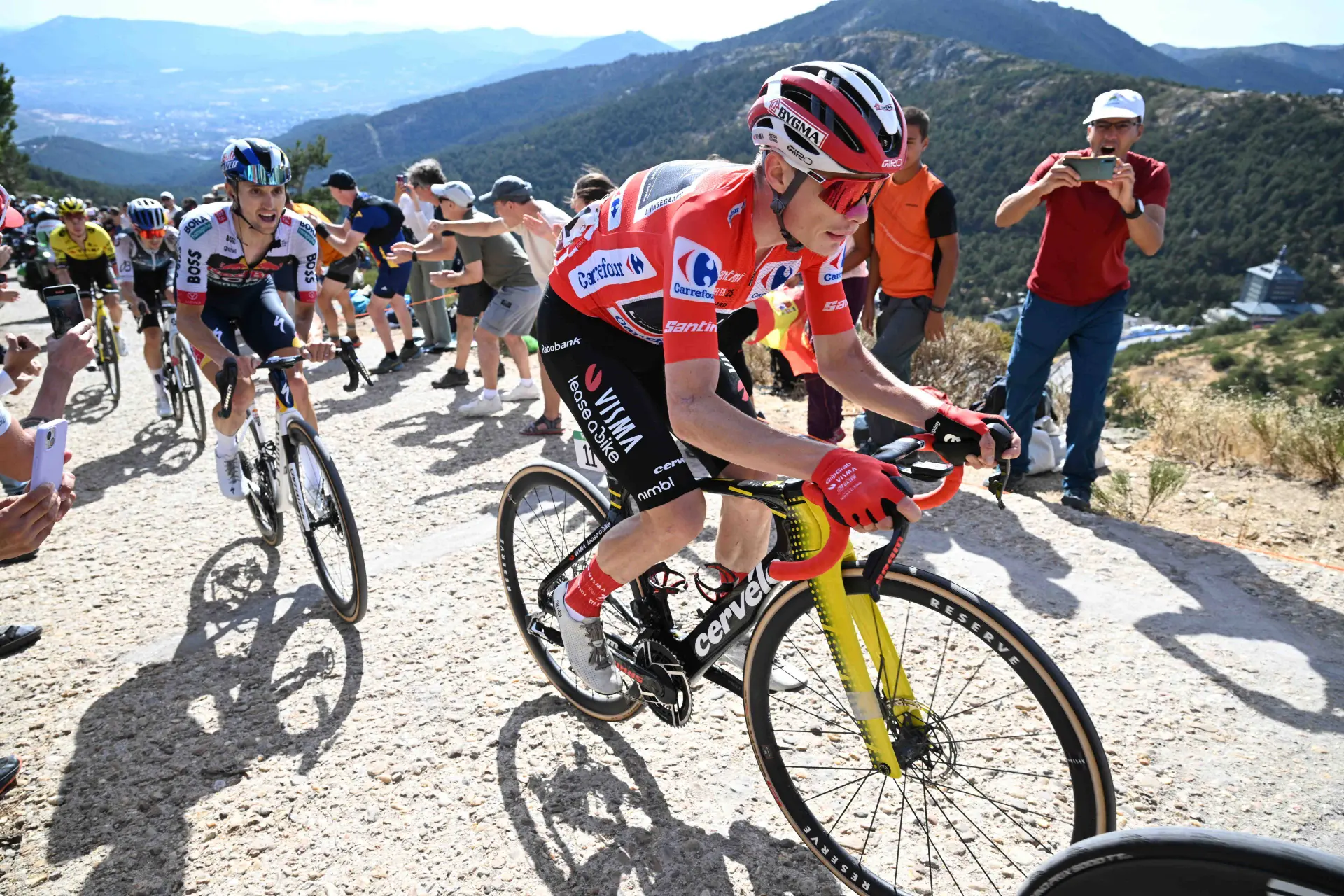
Stage 13 and the Angliru
The legendary climb of the Angliru was supposed to be one of
the highlights of the race, instead, it was nearly overshadowed by more
protests. Demonstrators blocked parts of the road at the base of the climb,
halting vehicles and delaying the caravan. Though the riders eventually
continued, the interruption broke the rhythm of the stage at the foot of the
climb. It also amplified concerns that high-profile mountain stages, where fans
gather in their thousands, were especially vulnerable as the fans were more difficult
to control.
This was not merely a case of inconvenience, as riders were
forced to navigate uncertainty on the road, unsure if further disruptions
awaited. The Angliru blockade demonstrated that protests could reach even the
most iconic points of the race, and the climb the heights of the race too.
Stage 16 and the missing finishing line
If Bilbao was embarrassing and the Angliru unsettling, Stage
16 was outright transformative. Originally planned to finish with a decisive
climb, the stage was cut short after protesters blocked access near the final
ascent. The finish line was moved eight kilometers earlier, changing the entire
character of the day. Attacks planned for the summit never materialised, and
general classification contenders had to recalculate their strategy on the fly.
For fans and analysts, this stage epitomised how protests
were now reshaping the outcome of the race itself. Bernal’s victory, his first
WorldTour stage win since 2021, came on a shortened course, and the sport truly
began to be influenced by geopolitical uncertainty.
Stage 18 TT cut in half
By the time the race reached Valladolid for Stage 18’s
individual time trial, organisers were already on edge. Originally set for 27
kilometers, the course was shortened to just 12 kilometers after security
services deemed it unsafe to proceed with the full distance. The time trial had
been billed as decisive for the general classification, but the truncation
blunted its impact.
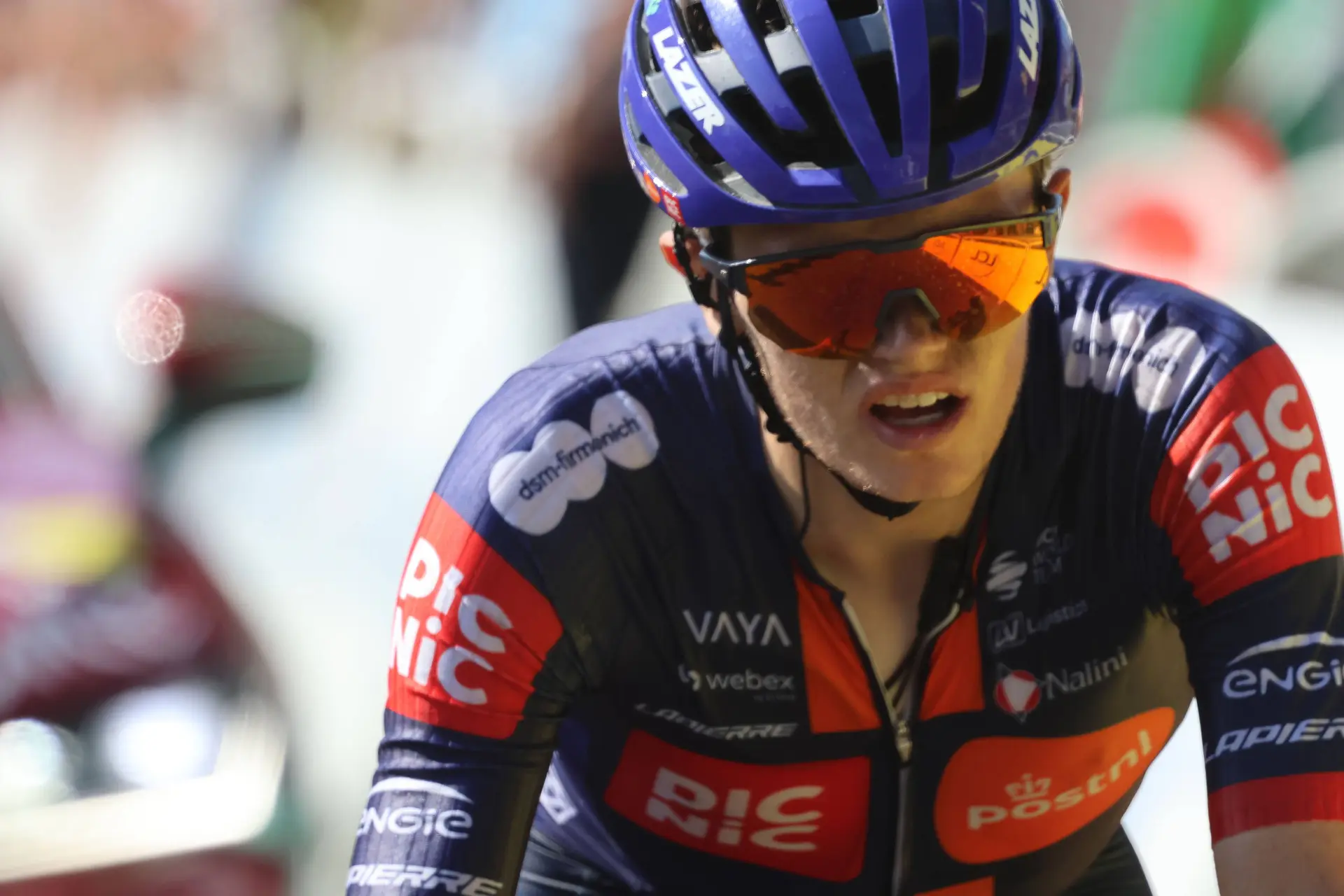
Fans were deprived of a true test of strength against the
clock. Riders, too, were frustrated: years of preparation can hinge on a grand
tour time trial, and to have it cut in half was a disservice to competition. Joao
Almeida took ten seconds out of Vingegaard, but it could have been more if the
distance was longer. Again, the Vuelta failed to stabilise the tension that had
led to so much uncertainty.
The final blow: Stage 21 in Madrid
The defining moment came on the streets of Madrid, the final
stage traditionally features celebratory champagne, smiling photographs, and a final
sprint. Instead, protests along the route forced organisers to suspend racing
and shorten the finishing circuits. Eventually, the decision was made to halt
the stage entirely, leaving classification standings frozen from the day before.
In truth, the stage was never going to be completed, and the events in Madrid
were the culmination of a protested race that never restored its image
following stage 5.
For the first time in modern history, a grand tour concluded
without its final stage being completed.
Why were the protests happening?
The demonstrations were organised by pro-Palestinian groups,
angered by Israel’s participation in the race through the Israel - Premier Tech
team. For activists, the Vuelta offered a global platform to highlight the war
in Gaza and what they described as complicity by sporting institutions. Their
tactics mirrored other sporting protests in recent years, where activists
disrupted tennis matches, pitch-invaded football games, or glued themselves to
roads during marathons.
Cycling, however, provided a uniquely vulnerable stage. With
races stretched across vast stretches of open road, often in regions with
limited security infrastructure, protesters had multiple opportunities to make
their point. Unlike football stadiums, there were no turnstiles or barriers to
keep them out.
The protests were not spontaneous; they were coordinated.
Demonstrators sought out high-profile stages, like Bilbao’s urban finish, the
Angliru’s mythic climb, and Madrid’s finale, to maximize visibility and reach.

Will cycling be forever changed by the events of the 2025 Vuelta a Espana?
Why cycling is so difficult to protect
Cycling’s beauty is its openness. Fans line the roads for
free, sometimes within touching distance of their heroes, but that
accessibility is also its greatest weakness when it comes to security. Even
with thousands of police officers deployed, closing every access point along a
150-kilometer route is truly impossible.
The Vuelta’s struggles reflected a broader challenge for the
sport. The Tour de France and Giro d’Italia have also faced occasional
disruptions, but never on this scale or with such consistent targeting. For
Spanish authorities, the Vuelta became a case study in the limits of control.
Before the race, barriers had protected sprint finishes, but even they failed over
the last three weeks in Spain.
Organisers now face a dilemma. Should routes be confined to
areas easier to secure? Should stages be shortened pre-emptively? Or should
cycling accept that, unlike other sports, it will always be vulnerable to
protest movements?
The bigger picture
The protests provoked mixed reactions. Some argued that
sport should be sacrosanct, that riders who trained their whole lives should
not see their races compromised. Others countered that freedom of speech,
especially in the face of humanitarian crises, cannot be dismissed.
This tension is not new. Sport has long been a stage for
political expression, from the 1968 Black Power salute to boycotts of the
Olympics. What made the 2025 Vuelta unusual was the frequency and intensity of
disruptions. Instead of a symbolic gesture, the protests became a structural
feature of the race.
Make no mistake, there are bigger things in the world than
cycling. For most, the inconvenience of a neutralised stage or shortened time
trial paled in comparison to the realities of war and displacement. Riders
themselves acknowledged this. Some expressed frustration at the interruptions,
but others admitted that perspective was needed. A delayed sprint is nothing
compared to human suffering.
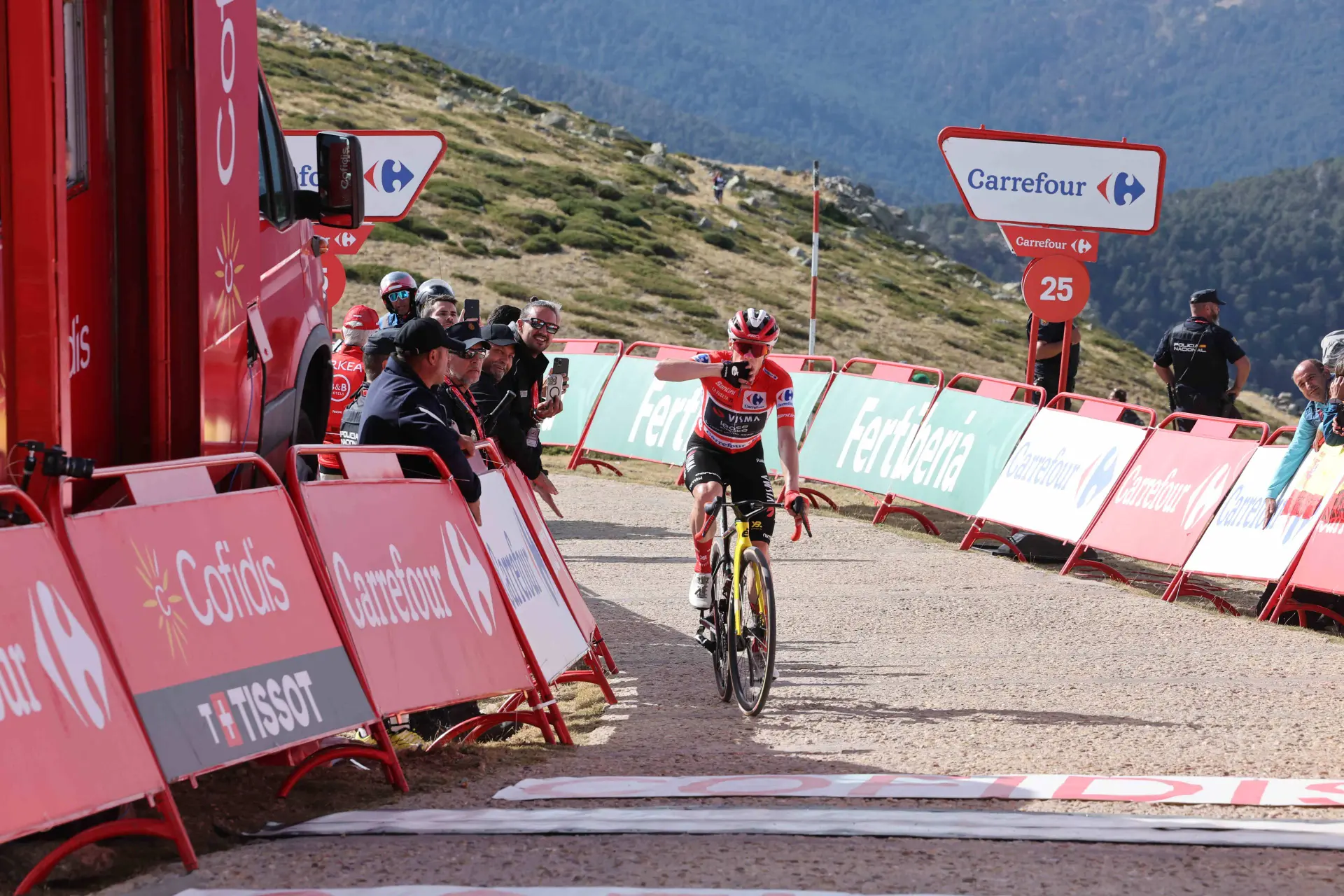
Rider safety
The overriding concern throughout was safety. Riders,
already navigating narrow roads and treacherous descents, faced the added risk
of sudden protests on the course. A misplaced banner, a human chain, or a
blocked vehicle could cause serious crashes. Team cars and television motos
were forced into last-minute diversions, increasing the danger.
Cycling as a sport is inherently dangerous, as we have seen
with the tragic accidents in recent years. Whilst freedom of expression is
paramount, it should not come at the expense of cyclists. Stage 21’s
cancellation in Madrid underscored that safety can no longer be guaranteed, and
that no spectacle was worth the risk of a mass collision.
What does this mean for the future?
Now we look to the future. How does cycling respond to this,
ethically, legally, and professionally?
The 2025 Vuelta may mark a turning point and organisers of
all three grand tours will now have to plan for protest risk as a central
factor, not a peripheral one. This could mean shorter stages, more rural
finishes, or even a discussion about the status of the Israel – Premier Tech
team. Some argue that cycling must engage directly with protest groups, opening
dialogue to reduce confrontation. Others believe harsher policing is
inevitable.
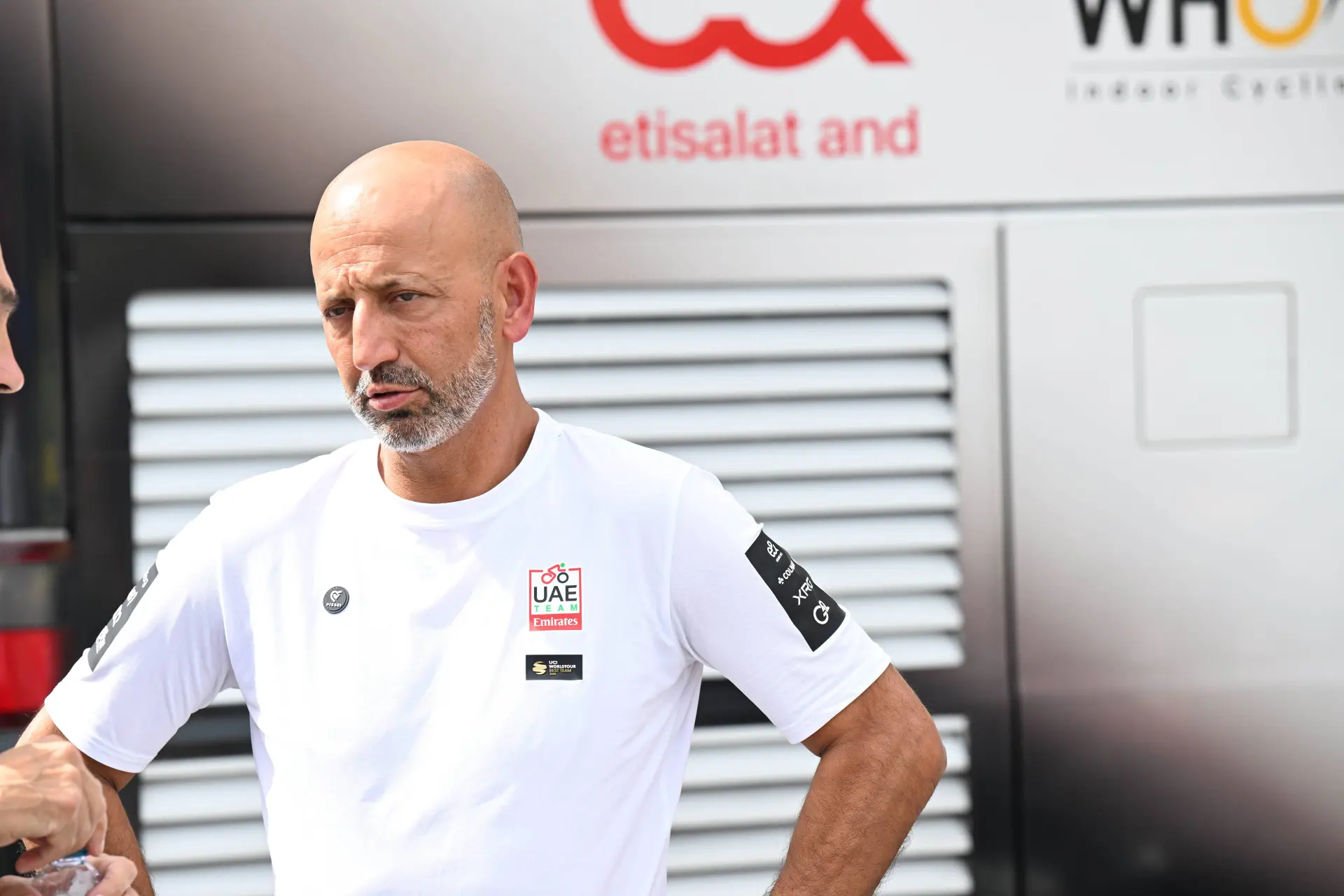
Whatever the path, the sport cannot ignore what happened.
For sponsors, broadcasters, and governing bodies, the credibility of the race
is at stake. For riders, the assurance that they can compete safely is the most
important issue. For fans, the romance of roadside access may now be shadowed
by anxiety about disruption.
At the same time, the Vuelta has fuelled a wider
conversation about the relationship between sport and society. Cycling cannot
exist in a vacuum; it rolls through towns, cities, and landscapes shaped by
politics. When demonstrators insist that Gaza matters more than a finish line,
they are reminding us that sport’s stage is inseparable from the world around
it.
A Vuelta like no other
The 2025 Vuelta a España will be remembered less for who won
the red jersey than for how the race was reshaped and stopped by protests. From
the team time trial in Galicia to the abandoned finale in Madrid, protests
turned the event into a contested space between sport and politics.
The people have spoken, and they overpowered a major
sporting event.
Des images des "podiums" de #LaVuelta25, organisés par les équipes sur le parking d'un hôtel.
— Le Gruppetto (@LeGruppetto) September 14, 2025
📹TV2pic.twitter.com/L9OHMbAdby

Fin MajorCycling Journalist
Fin Major is a UK-based writer at CyclingUpToDate and has been part of the team since 2024. He is the site’s main writer for FAQs and evergreen explainers and has written around 2,000 pieces for the platform. Alongside this work, he focuses on in-depth analysis and covers the biggest races on the calendar, including the Tour de France, the Giro d’Italia, and La Vuelta a España, providing clear context around performance trends, tactics, and key storylines.
In his reporting, Fin uses reputable data sources such as ProCyclingStats for results, statistics, and historical context. He places strong emphasis on careful sourcing, editorial accuracy, and updating articles promptly when new, verified information becomes available. Outside of writing, Fin is an active cyclist, which supports his practical understanding of the sport and its demands.
claps 0visitors 0
Just in
Popular news
Latest comments
- You can add weight to a bike and limit gears or make it single speed if you like. I doubt that would reduce crashes. It would just add another dymanique. All good and well, but It wont stop cars getting on to the course.Cyclingsbestfan18-10-2026
- Seixas is probably second best in the World on short climbs. But that hasn't translated as well to long climbs
 Rafionain-Glas18-10-2026
 - Idiotic fellaRafionain-Glas18-10-2026
- Nothing. Against Pogi nothingabstractengineer18-10-2026
- He didn't even try to sprint all outvappaxbipmv18-10-2026
- Campenaerts looked like a rolling pumpkin with that all orange leaders skinsuit !frieders318-10-2026
- He can take his dumb a$$ politics somehwere else !frieders318-10-2026
- good to have her back. fingers crossed she‘ll be able to stay!Ketterechts17-10-2026
- A tenner and he wins the Tour next year, too 😂anonymouscyclist17-10-2026
- the answer is either stick to classics or GTs but not bothabstractengineer17-10-2026
Loading
3 Comments