
The Tour de Romandie Féminin was supposed to be an important
even in women’s cycling, and cycling as a whole. Instead, it has turned into a
disgrace. On the opening day of the race, six of the biggest WorldTour teams
were disqualified after refusing to comply with the UCI’s rules on a new GPS
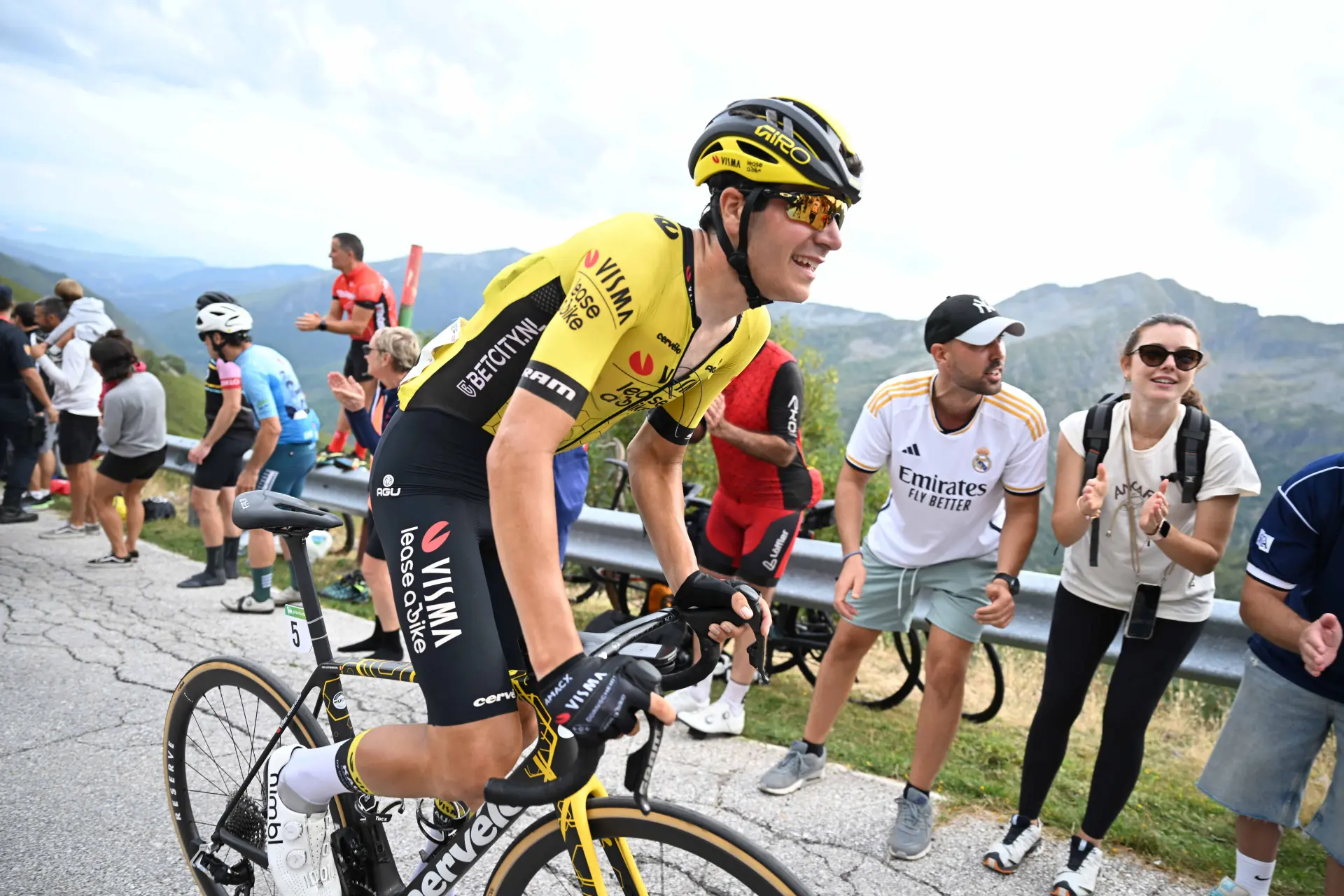
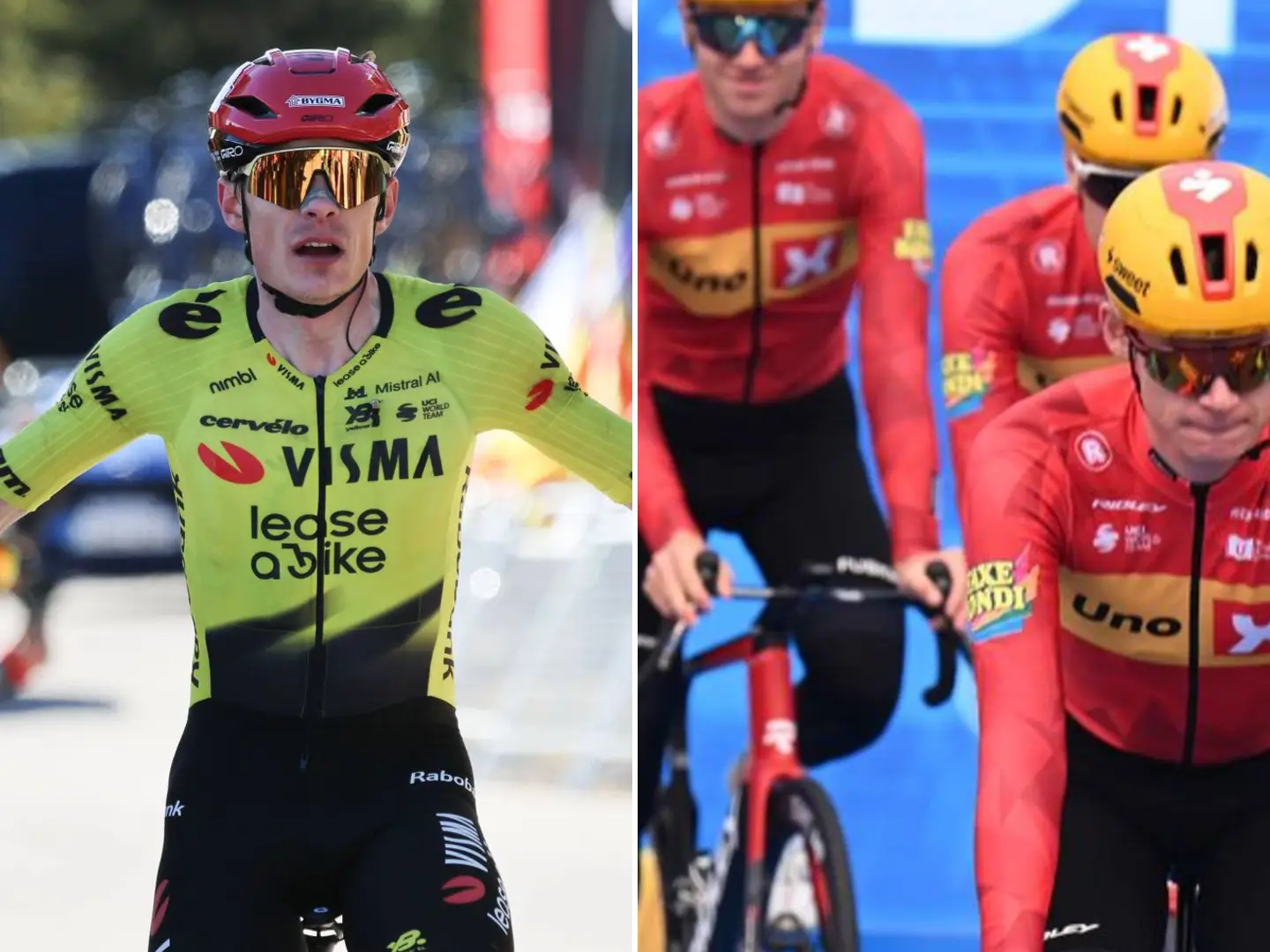
tracking system. Team Visma | Lease a Bike, AG Insurance-Soudal, EF-Oatly-Cannondale,
Canyon//SRAM, Team Picnic PostNL, and Lidl-Trek were all thrown out before the
racing had even started. This was not a minor dispute about logistics. This was
a fundamental clash between teams, organisers, and the governing body, and the
people left paying the price were the riders and fans.
None of the 3 main parties (the teams, UCI, and race organisers),
will take responsibility. To me, each of them have forgotten the harrowing
reason why this trial was supposed to happen in the first place, and that reveals
a damning truth about the current state of accountability in cycling.
The organisers released a statement that spoke volumes: “We
find it regrettable and unfortunate, to say the least, that a positive solution
could not be found.” That sentence alone sums up the utter failure of
communication and compromise that has plagued this situation. Instead of coming
together around an issue as important as safety, cycling’s stakeholders once
again descended into division.
The UCI, for its part, lashed out at the teams: “The
decision of these teams to oppose the specific rules for the event is
surprising, and undermines the cycling family’s efforts to ensure the safety of
all riders in road cycling by developing this new technology.” The
finger-pointing is clear. Nobody, not the governing body, not the organisers,
not the teams, is willing to accept that they could and should have handled
this better.
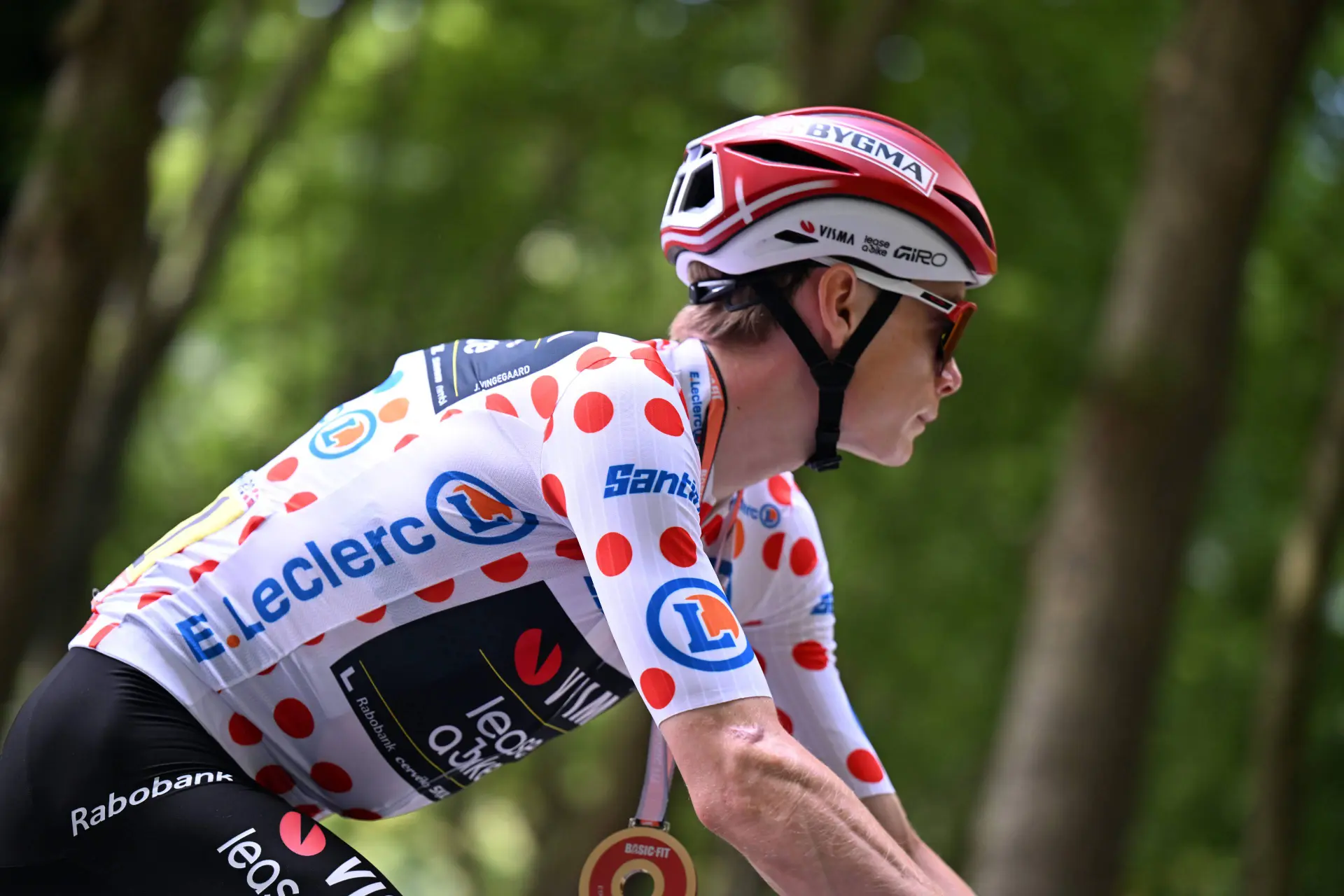
What is the new system?
Let’s remind ourselves why this technology is being tested
in the first place.
The new GPS tracking system was introduced as part of
cycling’s wider safety efforts. It was designed to ensure that riders could be
located quickly in case of a crash, particularly in difficult terrain or poor
conditions. This was not dreamed up in a vacuum. Nearly a year ago, the cycling
world was shaken by the death of 18-year-old Swiss rider Muriel Furrer at the
World Championships in Zurich. Competing in the junior women’s road race, she
crashed off the road and into a wooded area. Torrential rain had already made
conditions dangerous, and she suffered a severe head injury and, although she
was eventually airlifted to hospital, she did not survive.
What made her death all the more painful was the delay in
finding her. For a period of time, nobody knew exactly where she was. The
reality is impossible to ignore: if a GPS system had been in place then,
perhaps she would have been located faster. Perhaps medical care could have
reached her sooner. Perhaps she might still be alive, although of course,
nobody can say for certain. But the potential was there. And yet, instead of
uniting around the obvious need to improve safety, the sport has now descended
into a fight that has left one of the biggest women’s stage races in chaos.
In short, it is a disgrace. A young women unacceptably lost
her life, when she should have been at the start of a long a fruitful career.
The impact that will have had on her loved ones is harrowing, and this sorry
state of affairs at the Tour de Romandie will be doing nothing to ease their
pain.
The UCI, teams, and organisers, have one job: maximise
safety. No, cycling is never going to be a completely safe sport. But,the
closer it can be to 100% safe the better. At the very least, all the
stakeholders should be united in trying to achieve that.
Muriel Furrer was not just another name in the peloton, she
was a double silver medallist at the Swiss national championships, a rider with
clear potential. Her federation described her as “a warm-hearted and wonderful
young woman who always had a smile on her face.”
The UCI itself called her “a rider with a bright future
ahead of her.” British Cycling added that she was “a devoted young rider with a
bright future ahead of her and will be sorely missed by the cycling world.”
Tributes poured in from across the globe, from teams like Movistar to governing
bodies, all expressing grief at a life cut far too short. To honour Muriel
Furrer means to change the sport, to make sure such tragedies are less likely
in the future.
That is what makes the events in Romandie so appalling.
Earlier this month, the UCI presented the GPS project in glowing terms. In
collaboration with the SafeR campaign, they announced: “This represents an
important step forward in ensuring the safety of female cyclists, and the UCI
will continue to work closely with event organizers and all stakeholders to
implement this technology more widely in the coming seasons.”
On paper, that sounded like progress. But the reality on the
ground has been anything but collaborative. The teams were told to install the
devices themselves and accept liability for loss or damage in case of crashes.
That was never going to be accepted without resistance. Instead of finding a
compromise, whether through shared responsibility, insurance coverage, or
technical support, the UCI and organisers stood firm, the teams pushed back,
and the end result was catastrophic: six top squads excluded, the race
diminished, and the credibility of the sport in tatters.
What does this say to riders? It says that when push comes
to shove, safety is not a shared priority. It says that when technology is
introduced, the burden falls squarely on the athletes and their teams rather
than being a collective effort. And it says that, nearly twelve months after
Muriel Furrer’s death, the sport has learned nothing.
Of course, it is difficult to pin all the blame on one
party. The UCI deserves criticism for its rigidity and its lack of foresight.
The organisers failed to broker a solution that would have kept their star
teams in the race. And the teams, too, must accept some responsibility for
digging in their heels instead of finding a way forward. But ultimately, the
entire system has failed. When the governing body, the organisers, and the
teams cannot agree on how to protect riders, then what hope is there for improving
safety in the sport?
Cycling has always prided itself on being a community, a
“family” bound by shared risks and the reality of the dangers of racing on the
roads. The UCI itself used the phrase “cycling family” in its statement, yet a
family does not let internal squabbles come before the safety of its members. A
family does not ignore the memory of a lost child. Muriel Furrer deserved
better, and the current peloton deserves better.
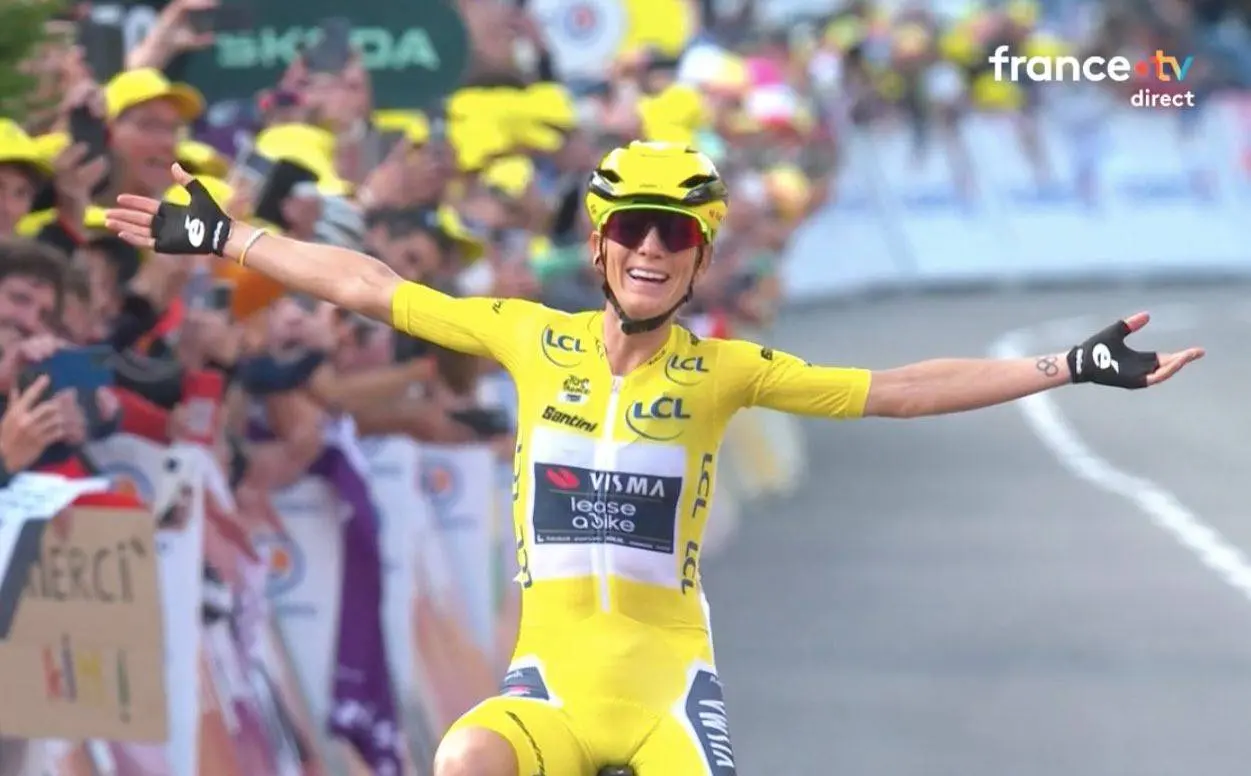
The fact that a pilot effort to protect riders has resulted
in humiliation for one of the sport’s biggest women’s races is beyond farcical.
It is a scandal. Professional sport cannot continue to treat safety as a
political football, to be kicked back and forth between organisations until
nobody takes responsibility. If cycling truly wishes to honour the memory of
Muriel Furrer, it needs to do more than issue condolences and stand for a
minute’s silence. It needs to get serious about change.
Until then, the disarray we witnessed at the Tour de
Romandie Féminin will stand as a damning symbol of a sport that claims to care
about its riders’ lives, but cannot even agree on how to protect them.

Fin MajorCycling Journalist
Fin Major is a UK-based writer at CyclingUpToDate and has been part of the team since 2024. He is the site’s main writer for FAQs and evergreen explainers and has written around 2,000 pieces for the platform. Alongside this work, he focuses on in-depth analysis and covers the biggest races on the calendar, including the Tour de France, the Giro d’Italia, and La Vuelta a España, providing clear context around performance trends, tactics, and key storylines.
In his reporting, Fin uses reputable data sources such as ProCyclingStats for results, statistics, and historical context. He places strong emphasis on careful sourcing, editorial accuracy, and updating articles promptly when new, verified information becomes available. Outside of writing, Fin is an active cyclist, which supports his practical understanding of the sport and its demands.
claps 6visitors 6
Just in
Popular news
Latest comments
- Agreed, but nobody thinks ahead that much, especially so-called fans, they are the first to demand their rights to joy and entertainment, regardless of the price their hero pays. You only have to look at boxing/rugby research on past athletes’ problems in retirement to see how little their OWN fans really care.Jumpyjohn26-10-2026
- He might very well accept lower salary voluntarily (whilst others might get pressured into that anyway over the coming years) in exchange for non financial benefits such a move would bring. Wouldn’t be the first rider to get positive results from a change of team and wouldn’t be the first star rider to do well in a smaller outfit. MVDP has never suffered from not being in a leading team, MP did extremely well before his team started expanding (maybe too) fast, PS certainly didn’t underdevelop until now. Everyone fits in best in a unique situation that won’t work for anyone else, we should all be striving for finding that.Jumpyjohn26-10-2026
- Always best to focus on “a good beginning is half the work” philosophy Which also makes mathematical sense. If you look at the probabilities of things happening in a chain, each event has less than one. For two to happen you multiply, the result will thus always be even less. The earlier in the chain you affect probability, the more often that is multiplied each time you add a subsequent link in the chain. Or oppositely, it’s extremely inefficient to focus on the last event in the chain because the chances of that happening AFTER all the other events have also happened is far too small to consider. And realistically, it is also obvious that if you allow uncertainty into event 1 or 2, not only do you enormously increase the chances of a last event, you also increase the chances of other non-considered events. In non-mathematical terms, one day a car might drive into a whole peleton. Oups, what did I suggest, oh no, we actually already saw this almost happening on video, it was only the drivers’ unexpected fast reaction to reverse that averted the possible cancellation of cycling for an extended period as the sport would have been forced to question itself way more than it has ever had to.Jumpyjohn26-10-2026
- This is Trump level like distortion of information, shame on you CUTD!!!! I will boycott for a week from tonight on and unlike all the Moulike characters here, I keep my promises.Jumpyjohn26-10-2026
- sounds positive news for Lidl-Trek...still dirty on them for not resigning Lucinda Brand and why they arent all in with sponsorship of the Baloise team in 'cross.
 Davide26-10-2026
 - yeah your point about accidents happening in a chain of events, not a single event, is key. no police or barriers at a crossing. a car gets on the road. a trailing cyclist doesn't have an escort. no radio and GPS is being used to track stragglers. and tragedy. break one thing in the chain and it could be accident avertedmij26-10-2026
- The doctors called the concussion severe, even at the scene of the accident, because that is the term for it. The concussion protocol is the best they can do right now, with further research being done. It makes sense for Tadej's concussion to be severe because the freak circumstances lead to twisting of his head (and body) as he fell at high speed. Look at reports on the Toronto research published in early 2025 for starters, with images of the brain showing the effects that persist after symptoms clear up. Btw if Tadej had ridden the EC and fallen, he could have suffered more serious injury to the spine as the vertebra would not have been fully healed. Also serious consequences if he had hit his head. Don't know why you are so keen to downplay the impacts.Hills3326-10-2026
- Complete bullshit headline. The best thing this website can do is commit suicide.Renz26-10-2026
- If he wants to retire, he can spend a couple of non intensive low key seasons at UNO-X for lower salary as well.abstractengineer26-10-2026
- we need facts about these accidents and see the stats about these facts to find what can be done and what cannot be done. That is the job of the UCI. This has been done in many industries, Airlines, and Spacecrafts. Once teh UCI sets the rules, then the organizers can decide upfront whether or not they want to hold the race or not. UCI also needs to make the rules applicable to all stakeholders including riders and staff about what to do and not do, for safety. Parachutes are the safest to exit a jet fighter/bomber but none are provided on a passenger aircraft. most safety mechanisms are not viable on a spacecraft. in industries most accidents are the result of a chain of events, a single link not happening will not cause that accident. all these things are thoroughly investigated. inspite of all the safeguards, accidents happen and will happen, because humans remain inherently flawed but following rules/procedures minimize the risk and stats, not an individual accidentabstractengineer26-10-2026
Loading
Write a comment