2026 Tour Down Under route is revealed - Old Willunga Hill headlines another World Tour opener
Cycling
The 2026 WorldTour season will, as usual, begin in Australia, with the Santos Tour Down Under scheduled from January 20 to 25, kicking off the international racing calendar.
Organizers have unveiled a challenging route that blends opportunities for sprinters with decisive mountain stages, including a historic triple ascent of Willunga Hill in the penultimate stage, which is arguably Australia's most iconic ascent.
This edition may be even more exciting than usual given that current World Champion and Tour de France winner Tadej Pogacar is rumoured to start his season there for the second time, aiming to add that race to his ever-growing palmarès.
This is the 2026 route
For only the second time in the event’s history, the race will open with a 3.6-kilometer prologue in Adelaide, testing riders’ early-season form against the clock. A special rule will force riders to tackle the prologue with a road bike instead of a time trial one, which might cause unexpected results.
Stage one, a 120-kilometer loop starting and finishing in Tanunda, includes three climbs of Menglers Hill, though on its less steep side. Despite over 1,500 meters of elevation gain, the profile still favors fast finishers, as the average gradient of Tanunda is just 3.9% and ends 15km from the finish line.
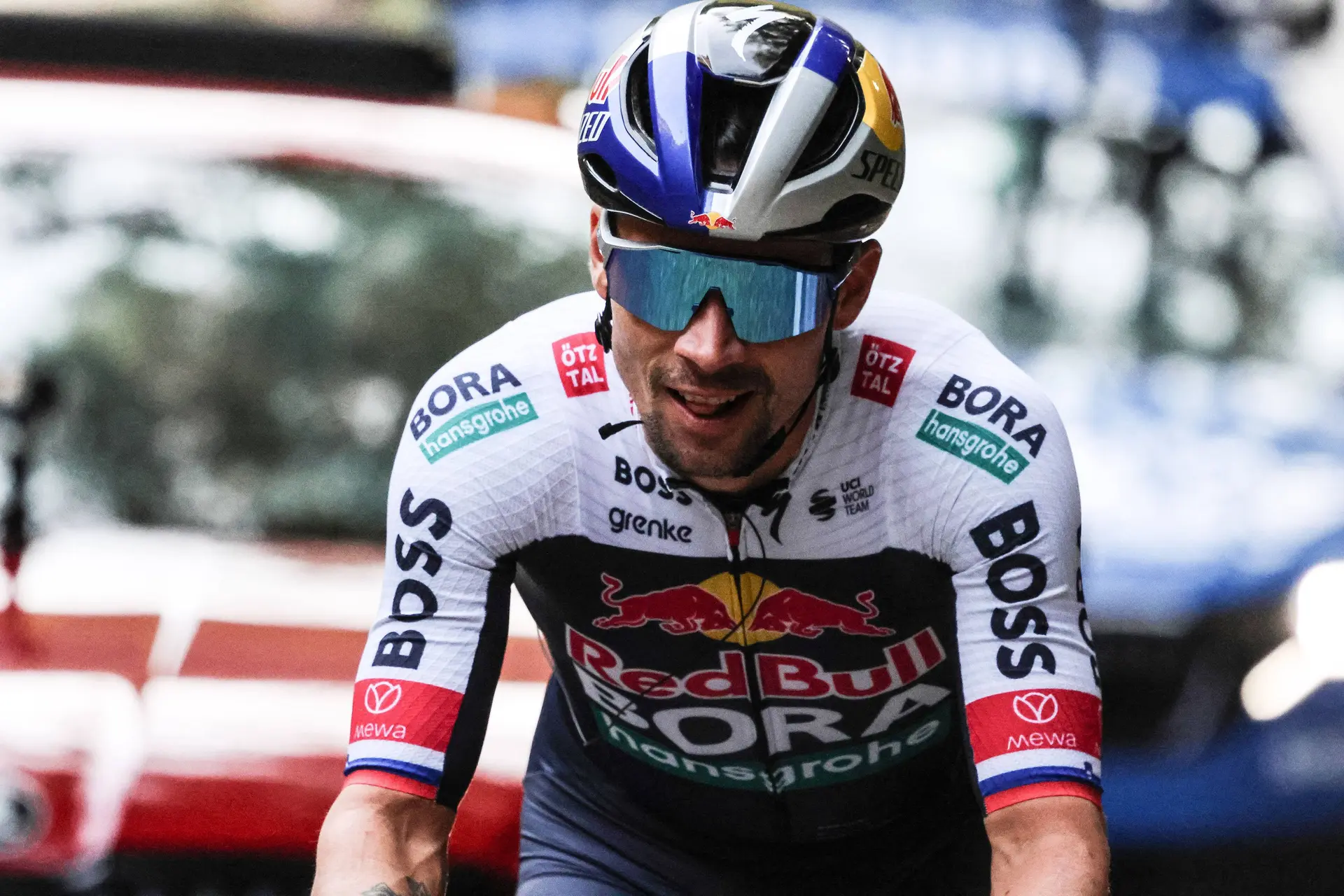
Stage two introduces a far tougher profile. Riders will face Norton Summit (10 km at 4 percent) right from the start before tackling two ascents to the brutal and explosive Corkscrew Road (2.4 km at 9.7 percent), the last one finishing less than 10km away from the finish line. It will be the first opportunity to test the general classification contenders.
Stage three offers a mixed terrain that again could suit sprinters or opportunists. A hilly day with, however, only two categorized climbs that aren't the steepest. Sprinters with good climbing skills have an excellent opportunity in this stage.
Stage four is set to be the queen stage, featuring three ascents of Willunga Hill (3km at 7.5%, with a steepest section of 11 per cent and 220 metres of total elevation gain) for the first time in the race’s history. The 176-kilometer route includes one early climb, a long flat section and two decisive ascents in the finale, where the GC is expected to be settled.
The race concludes with a final circuit around Stirling, a rolling stage that may give a last opportunity for attacks before the overall classification is finalized. The circuit features only one climb with an average gradient that does not seem too punishing on paper (2km at 4%). However, it includes a tough section with an 11% gradient that will be the perfect spot to set attacks.
Women’s race also returns with demanding mountain stages
The Santos Women’s Tour Down Under (January 17-19) will precede the men’s race, featuring equally demanding terrain.
The first day will be the queen stage for the women, as they will have to tackle Willunga Hills three times as well, although an easier section with just 4.2% average gradient. They will finish atop Willunga, so it will be the perfect scenario for a climber or even a puncheur to take the win and the first GC jersey.
The second day will feature a rolling terrain, with many hills to be passed throughout the day. It is not the best terrain for pure climbers, but they will climb Paracombe (around 1km at 2.2%, but a short 9.5% section) four times in the last part of the stage, which might make it hard for pure sprinters to survive.
The last stage will be decisive for the general classification, featuring a double ascent to Corkscrew Road (2.4km at 9.7%) that will end right before a short descent to the finish line in Campbelltown.
The women's peloton will remain in South Australia for a one-day ProSeries race, the Schwalbe Classic, on January 21: a flat 94.2-kilometer circuit around Tanunda with a flat profile that will allow the sprinters to finally shine.
Read also

Félix SernaCycling Journalist
Félix Serna is a writer at CyclingUpToDate and has been part of the team since 2025. He covers professional cycling across both the men’s and women’s calendars, with a focus on UCI rankings, race developments, and rider performance. His work includes interview-based reports, liveblogs, and tournament coverage designed to provide clear, accurate context throughout the season.
In his reporting, Félix regularly uses ProCyclingStats for results, statistics, and historical reference. He places strong emphasis on careful sourcing, editorial accuracy, and updating articles promptly when new, verified information becomes available. He holds a bachelor’s degree in International Studies.
claps 0visitors 0
Just in
Popular news
Latest comments
- A broken contract by mutual agreement is perfectly fine. The problem is if one side does it without the other agreeing which isn't the case in this situationvappaxbipmv09-10-2026
- Maybe Ineos are planning to concentrate on GC after recent statements about getting back to winning the Tour?Lozza09-10-2026
- lol maybe a better questionmij09-10-2026
- Does Ineos?Mistermaumau09-10-2026
- ThanksMistermaumau09-10-2026
- It depends on your religion or opinion of science but if you feel he did the right thing I suggest you go complain to guys like Mohorič, Mas, etc. for reminding him not to try to copy Senna too much.Mistermaumau09-10-2026
- yeah that was poorly written, but Gulio was in the pink, and they didn’t work for him to protect the jersey. they let a group get up the road. the transfers are out of hand. what is a contract for?mij09-10-2026
- does he make it two years?mij09-10-2026
- A lot of things should not be happening but everything seems to be getting worse, not just in cycling or sport or professional surroundings. People are abandoning (common) standards in their belief they are only responsible towards themselves and have lost the ability to care, consider or understand consequences for others. If you ride , you should have noticed by now. I’m not one to stick to rules per se but when, I don’t go round aggressing or criticising others who don’t either. On the bike you constantly get hooted, harassed, insulted or nudged off by drivers who broke at least double the number of rules you did before they point yours out. That said, I haven’t seen many specifics on this case yet so I’m not going to comment specifically, for now. If anyone knows more…Mistermaumau09-10-2026
- it is crazy. is this UAE at the end of Tadej’s reign? it happens!mij09-10-2026
Loading
2 Comments