ANALYSIS: Tom Pidcock's absence from cyclocross highlights Britain's strange lack of talent in cyclocross
Cyclocross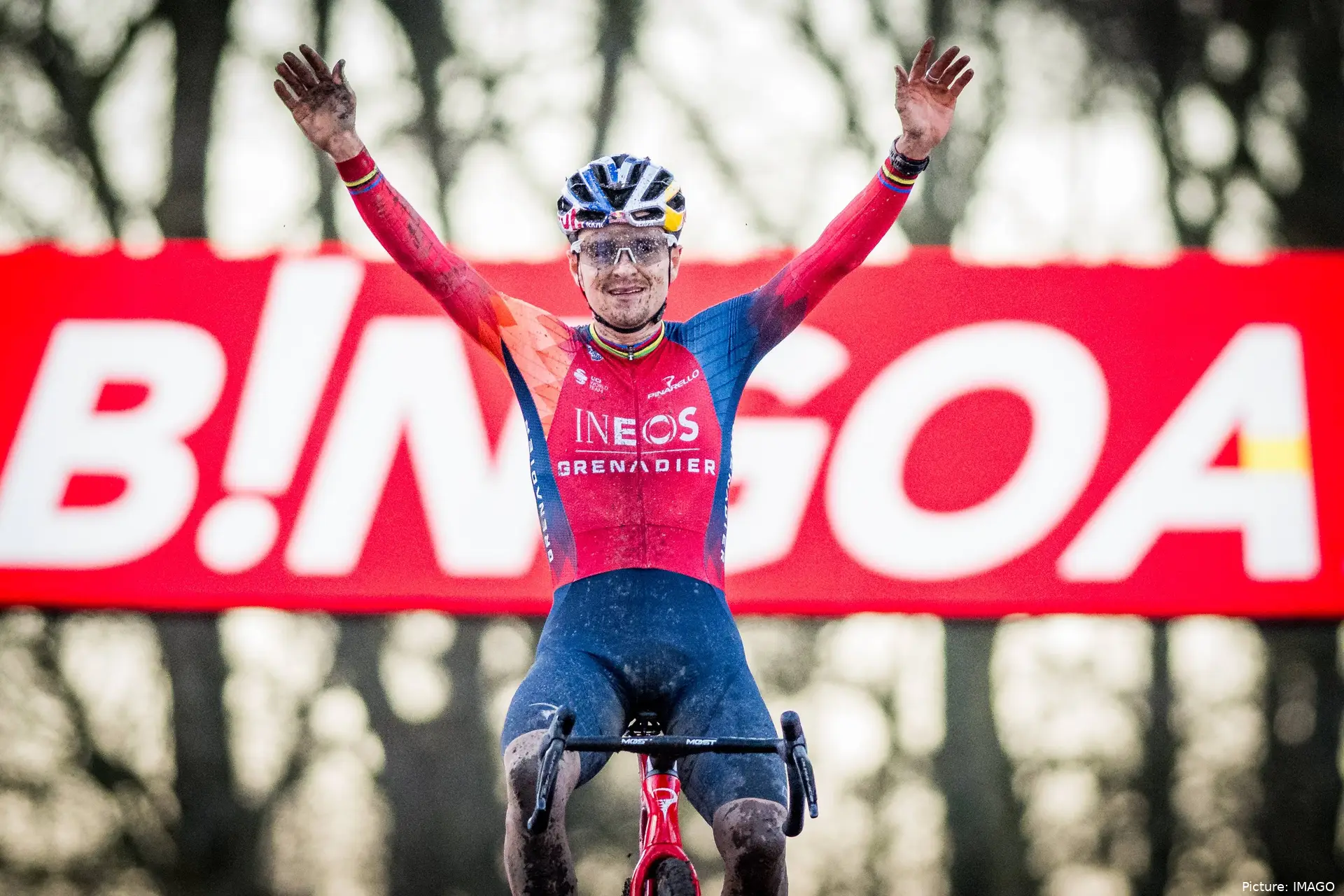
Tom Pidcock confirmed today that he will not race cyclocross
this winter, which is a notable absence for British cyclocross as its biggest
name steps away from the field. The 24-year-old, a former Cyclocross World
Champion, took to social media to explain his decision, citing the need to
settle into his new environment with Q36.5 Pro Cycling Team after a late
transfer from INEOS Grenadiers. While Pidcock remains committed to returning
next season, his absence raises broader questions about the state of British
cyclocross and highlights a missed opportunity for the sport to grow in the UK.
Pidcock's decision comes after a turbulent end to his time
with INEOS Grenadiers. Despite a strong performance at the Giro dell’Emilia,
where he finished second to Tadej Pogacar, his removal from the Il Lombardia
squad signalled growing tensions within the team. His transfer to Q36.5 Pro
Cycling Team was unexpected, and it’s clear Pidcock has prioritised stability
as he prepares for a busy road season in 2025. Stepping away from cyclocross
this winter allows him to focus on adapting to his new environment.

However, the news highlights a lack of depth with British
cyclocross. Pidcock has long been the face of the discipline in the UK,
offering rare moments of success and visibility for a sport that has failed to
establish a solid foundation in the UK, and without him, the cracks in British
cyclocross become even more apparent. Riders like Thomas Mein and Cameron Mason
continue to fly the flag, but their efforts remain overshadowed in a nation far
more interested in road cycling, mountain biking, and track cycling.
Why do Belgium and the Netherlands dominate cyclocross?
To understand why cyclocross struggles in Britain, it’s
essential to look at where the sport thrives. Belgium and the Netherlands are
synonymous with cyclocross and in these regions, the sport has a rich cultural
heritage spanning generations. The Flemish countryside, with its muddy fields
and short, steep inclines, provides the perfect battle grounds for cyclocross
racing. Winter weekends see packed race calendars and enormous crowds, with
fans braving the freezing temperatures to witness riders tackle brutal courses.
Read also


Cyclocross in these countries are up there in terms of popularity
and television viewership with football, and local heroes like Sven Nys, Wout
van Aert, and Mathieu van der Poel are household names, and their success has
only strengthened the sport’s standing. Events are broadcast live on national
television, and races attract tens of thousands of spectators, creating an
electric atmosphere. Sponsors, recognising the passion and engagement, pour
significant funding into the sport, ensuring its sustainability.
On the flip side, let’s take a look at the sport in the UK,
where cyclocross struggles to replicate this environment. The UK’s winter
weather and terrain are, in theory, ideal for cyclocross, but the
infrastructure, organisation, and fan engagement are nowhere near the level
seen in Flanders. While Belgium and the Netherlands celebrate cyclocross as a
premier winter sport, in Britain, it remains a niche discipline. Events draw
small crowds, media coverage is limited, and sponsorship opportunities are
scarce, but why?

Mathieu van der Poel and Wout van Aert are the dominant forces in cyclocross
The struggles of British cyclocross can also be seen in the
rankings, as Thomas Mein, a former national champion and silver medallist in
the team relay at the 2023 World Championships, is currently the highest-ranked
British rider in 28th position. At 25 years old, Mein competes for
Hope Factory Racing and has shown promise, but lacks the high-profile backing
or exposure that his Belgian and Dutch counterparts enjoy.
In the women’s field, there is of course Cat Fergurson. At
just 18, Fergurson looks like she could be the real deal in multiple disciplines,
and at the 2024 cyclocross championships she picked up a silver in the junior
race and also in the mixed relay. Fergurson is one of the brightest talents in
British cycling right now, and she picked up two golds on the track in the
omnium and the team pursuit at the world junior championships earlier this
year.
Cameron Mason, ranked 30th, is another key rider in British
cyclocross. The two-time national champion rides for Alpecin-Deceuninck’s
development team, and definitely has his fare share of talent and potential.
However, beyond Mein and Mason, the talent pool begins to thin, Jenson Young,
ranked 94th, is the next British rider on the UCI rankings. At 23, Young has
shown glimpses of promise, but like many in British cyclocross, faces an uphill
battle for recognition and resources that are essential to succeed.

What makes the situation more perplexing is that cyclocross
is arguably the perfect spectator sport for Britain. Races are short,
explosive, and easy to follow, making them far more accessible than long road
races or endurance events. The combination of mud, obstacles, and technical
skill creates drama and excitement, offering a unique spectacle for fans, and
the UK certainly has the weather for thrilling races.
So it’s clear that on paper, cyclocross should thrive in the
UK, but a lack of investment and cultural backing has stunted its growth.
A missed opportunity?
The absence of Tom Pidcock this winter magnifies the
challenges facing British cyclocross. Pidcock’s success has often been the
sport’s saving grace, bringing brief moments of mainstream attention, and his
World Championship victory in 2022 was a landmark moment, but it failed to
spark significant growth in the discipline. Unlike in Belgium and the
Netherlands, where young riders are inspired to take up cyclocross by local
heroes, the UK has struggled to capitalise on Pidcock’s success.
One of the key reasons for this is the dominance of other
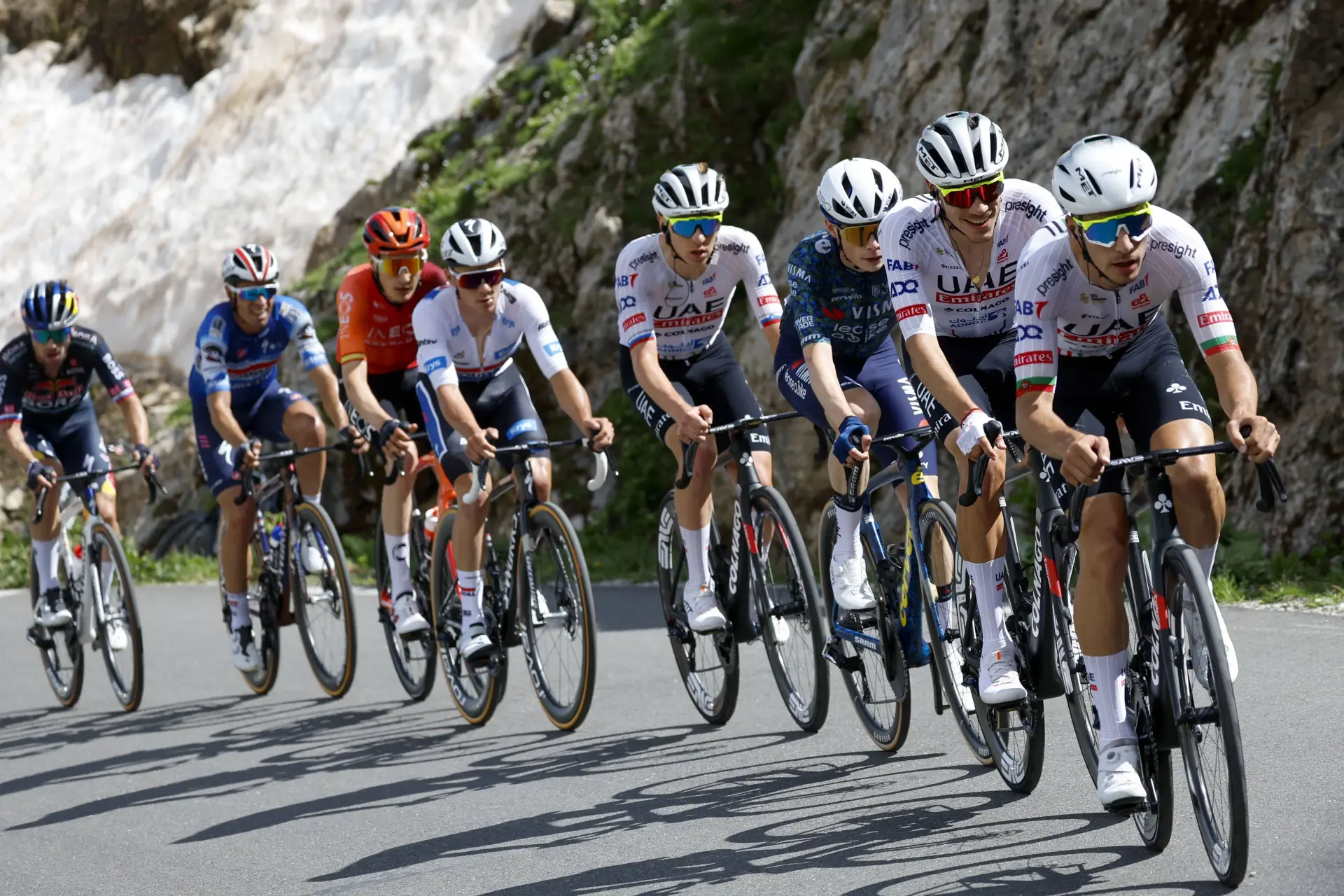
cycling disciplines in Britain. Road racing has been the primary focus for
British Cycling, driven by the success of riders like Chris Froome, Geraint
Thomas, and Mark Cavendish over the past decade. Track cycling has also been a
major priority, with Team GB’s superiority at the Olympics leading to
significant funding and media coverage. Even mountain biking has grown in
popularity, with Pidcock himself showcasing its value by winning the World
Championship this year.

British riders tend to find more success on the road or on the track
Cyclocross, meanwhile, remains the forgotten discipline, and
truly is still a niche sport. Without the same level of funding,
infrastructure, or fan engagement, it struggles to attract young talent or
major sponsors, and events are often held on a smaller scale, with fewer
opportunities for riders to compete at a high level.
What needs to change?
For cyclocross to thrive in the UK, several changes are
needed. First and foremost, the sport requires greater investment at the
grassroots level, as building a strong domestic scene with well-organised
events, clear pathways for young riders, and better financial support would
provide the foundation for long-term growth. Initiatives to bring cyclocross
into schools and local communities could also help to attract new participants.
Read also


Media coverage is another key area. In Belgium and the
Netherlands, cyclocross races are treated as major sporting events, with live
broadcasts and extensive analysis. In the UK, cyclocross rarely receives the
same attention, but greater coverage of domestic and international events could
help to raise the sport’s profile and show new fans exactly what they’re
missing out on.
Tom Pidcock’s decision to skip the cyclocross season is
understandable given his late transfer and the time he needs to gel with his
new squad. However, his absence will be felt amongst British cycling fans, as
there’s now very little chance that we will see any Brits towards the front of
the field this season. In a country with ideal terrain, passionate cycling
fans, and a proven appetite for cycling sports, cyclocross has all the
ingredients to succeed.

Whilst British riders try and spot a gap in the rain, or
find a bright enough day in the week to go for a ride, could they not instead
switch to cyclocross for the winter, where the weather is one of the many
aspects of a race?
Without greater investment, organisation, and cultural
backing, cyclocross will remain a niche discipline. Belgium and the Netherlands
have shown what cyclocross can achieve when given the right support, and
there’s no reason why Britain couldn’t replicate that success.

Fin MajorCycling Journalist
Fin Major is a UK-based writer at CyclingUpToDate and has been part of the team since 2024. He is the site’s main writer for FAQs and evergreen explainers and has written around 2,000 pieces for the platform. Alongside this work, he focuses on in-depth analysis and covers the biggest races on the calendar, including the Tour de France, the Giro d’Italia, and La Vuelta a España, providing clear context around performance trends, tactics, and key storylines.
In his reporting, Fin uses reputable data sources such as ProCyclingStats for results, statistics, and historical context. He places strong emphasis on careful sourcing, editorial accuracy, and updating articles promptly when new, verified information becomes available. Outside of writing, Fin is an active cyclist, which supports his practical understanding of the sport and its demands.
claps 0visitors 0
Just in

Popular news
Latest comments
- That's an excellent point. It's interesting that Vader came to that realization only after he learned that his contract wasn't going to be renewed.
 santiagobenites14-11-2026
- Indeed! A reluctant gift maybe. Even more reluctant gift from Roglic! Tho I can’t see that Rog would have beaten Ving anyway.Lozza14-11-2026
- That really nasty crash in 2022 Liege must have played a big part - broken ribs, pneumothorax. You only have to look at his points tallies pre and post.Lozza14-11-2026
- Yeah, good luck getting tv and race organisers like ASO etc to part with their cash!Lozza14-11-2026
- 36 and Ineos have bought a rider on the downward slope. Bring back Dave and Rob who could manage the team. How are Ineos going to win a grand tour with people past their sell by date.paultryan200214-11-2026
- Mmmm would he be making these comments when he was on the richest team when riding. I think not i suspect. If we want money put into the sport we need sponsors who are prepared to put the money in. No disrespect but his team are 2nd or 3rd div in football terms with riders over the hill or 2nd string riders. If i was a sponsor i would be looking at what publicity am i getting back and Tudor really are just making up the numbers really.paultryan200214-11-2026
- I see (elsewhere) that Alaphilippe had more to say than what got relayed in this stub. Me: he was very good early but his latter third trajectory was the pits. His old boss did what he could (huffed and puffed) but Julian couldn't get his greatness back. Sometimes I wonder if crashes that didn't look like much changed the course of the rider.flyer14-11-2026
- I wouldn't classify it as a gift because the nasty consequences of taking it from Sepp would have been great and would persist and he knew it.flyer14-11-2026
- Ok. Tratnik's good and Red Bull's better so Tratnik may get what he wants.flyer14-11-2026
- Ok. So just saying he wasn't enjoying racing anymore is some kind of explanation? Me saying I don't enjoy his explanation is more explaining than he did.flyer14-11-2026
Loading
3 Comments