“We shouldn’t be surprised if he struggles in the final hour” – Remco Evenepoel questions Paul Seixas as he names Tadej Pogacar clear Liège favourite
CyclingSaturday, 25 April 2026 at 10:09
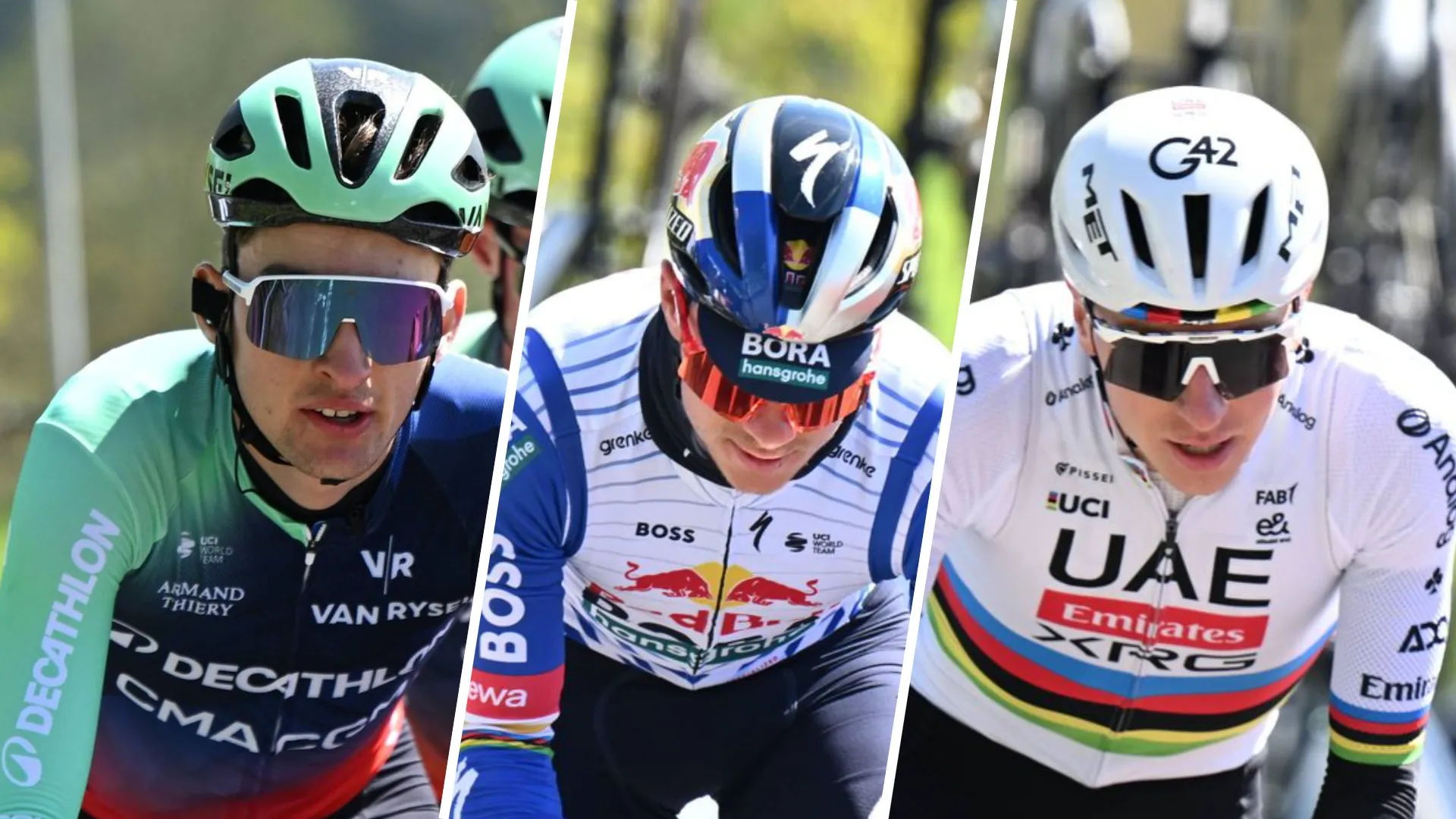
Remco Evenepoel arrives at Liège-Bastogne-Liège with clarity over where the race stands. In his view, the hierarchy is obvious. Tadej Pogacar is the man to beat, while the hype surrounding Paul Seixas comes with a warning.
“I don’t think that’s really a question. Pogacar wins everywhere he starts, apart from Roubaix,” Evenepoel said ahead of Sunday’s Monument. “If there’s one race where he has the least chance, it’s Roubaix. And he still finishes second twice. That’s not bad, I think. In Strade and in Flanders he comes in first. That says enough.”
That assessment sets the tone. Pogacar is the benchmark, even in a race where Evenepoel himself has already won twice.
Seixas hype meets Monument reality
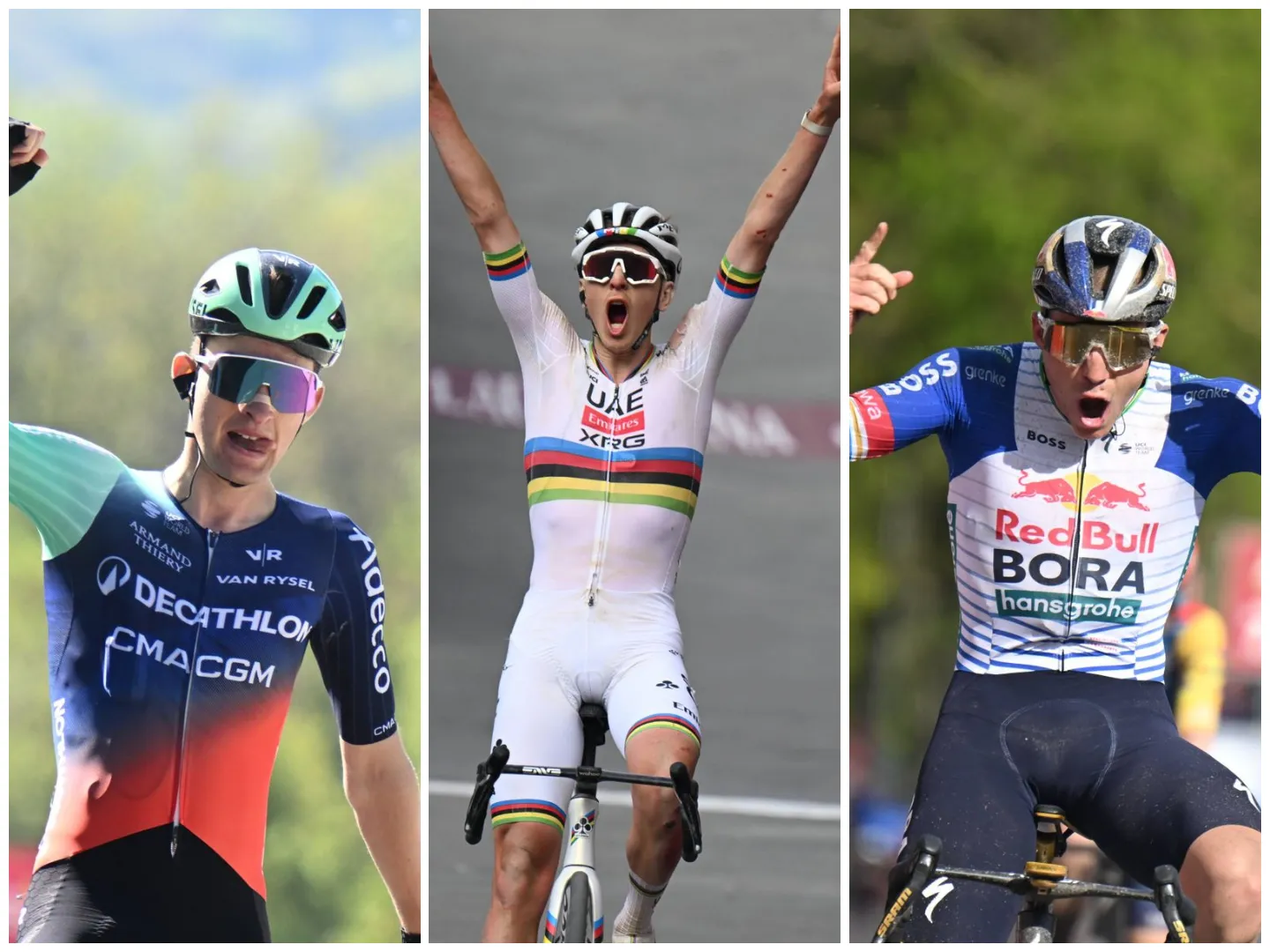
The emergence of Paul Seixas has added a new layer to this year’s race, but Evenepoel was measured in his response to the Frenchman’s rapid rise. “The weather conditions were also perfect on Wednesday, but what he did is still very impressive,” he said, referencing Seixas’ Flèche Wallonne victory. “On Sunday it’s 260 kilometres. He’s only 19. That’s a different story. We also shouldn’t be surprised if he struggles in the final hour.”
It is not dismissal, but it is a reminder. Liège-Bastogne-Liège is a different test, one that extends beyond explosive climbing into endurance, positioning and experience over nearly 260 kilometres.
A build-up focused on one goal
Evenepoel’s own preparation has been structured with Sunday in mind. His schedule has prioritised workload and progression rather than stacking results across the Ardennes week. “I rode the Volta a Catalunya, then the Tour of Flanders. At altitude camp I gained a few more percent. After that I had Amstel Gold Race. So it’s not comparable to last year.”
Skipping Flèche Wallonne was part of that approach. “Flèche Wallonne was never part of the plan anyway. Amstel Gold Race was six hours of racing, with some rain as well. We were purely thinking about freshness heading into Liège-Bastogne-Liège. Races often explode early, so fresh legs are definitely important.”

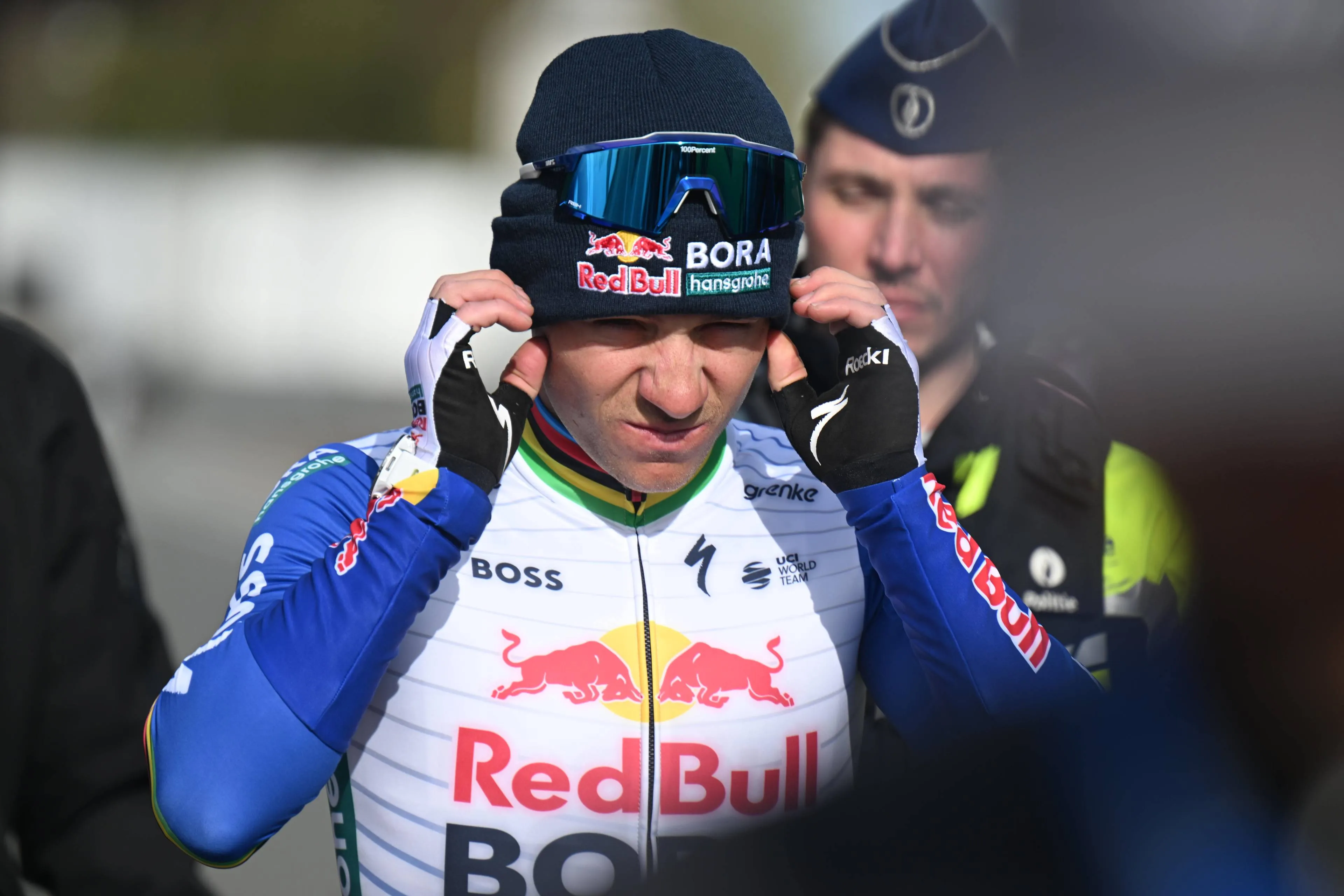
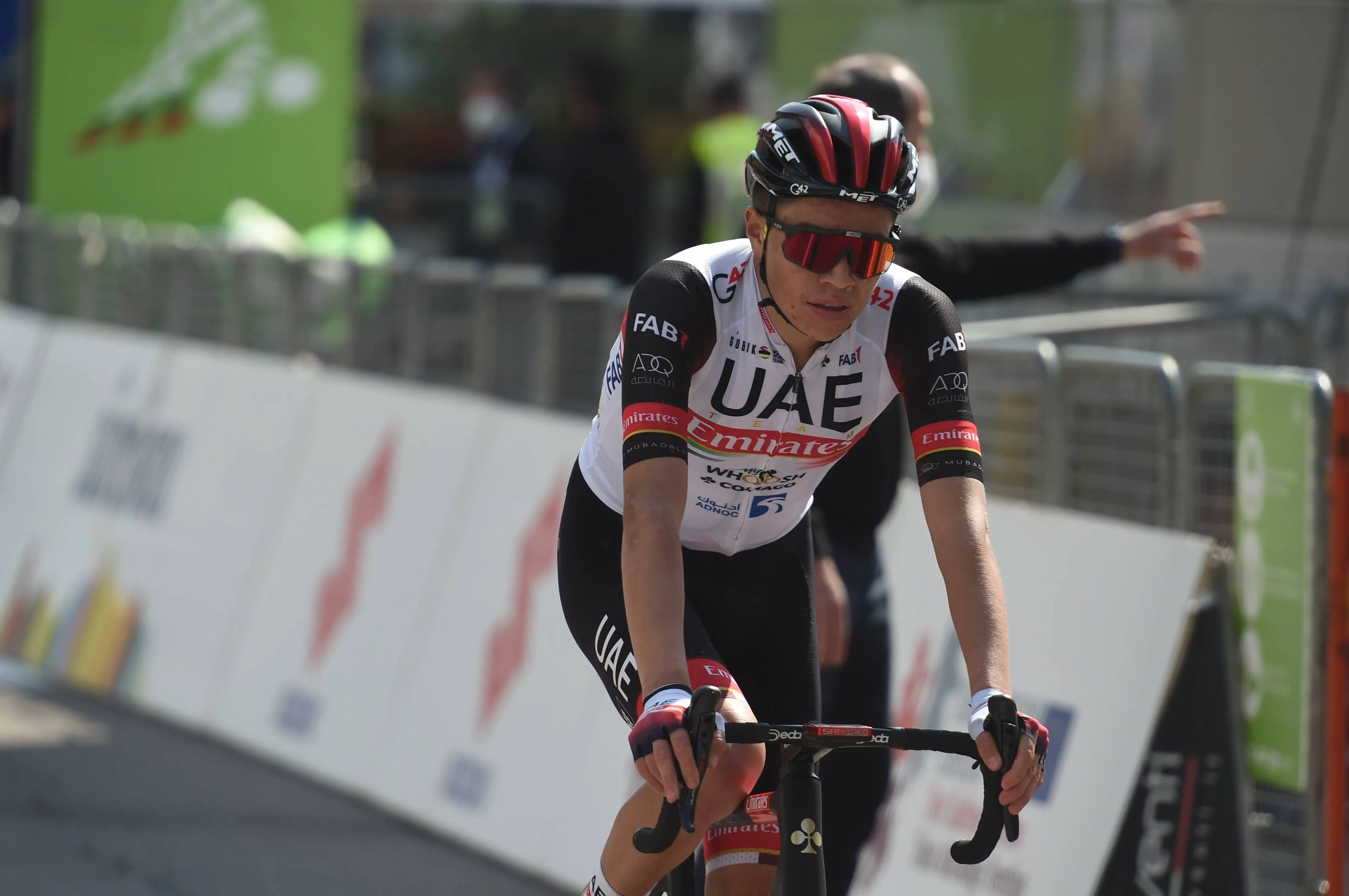
Remco Evenepoel during recon for Liege-Bastogne-Liege 2026
Expecting a familiar race scenario
Despite the evolving field, Evenepoel expects the race itself to follow a familiar pattern. “I expect to be able to go deeper into the race than last year. The weather will be nice. It’s always a bit the same here. It will come down to man against man again after La Redoute.”
That moment has defined recent editions, and it is where Evenepoel expects the decisive moves to form once again. “I’m starting in better condition than last year. One more time to give everything, and then it’s time for a bit of rest.”
Read also

Pressure, experience and perspective
For Evenepoel, the external noise surrounding Liège is nothing new. The pressure that comes with leading a Monument challenge has been constant throughout his career. “Do I feel pressure? There has been pressure since my very first race as a professional. And there will be pressure until my very last race. I trust myself and my team. That’s what matters most.”
That confidence is rooted not only in form, but in familiarity with the race itself. “The roads here do get worse every year. Sometimes it’s even dangerous. It might not be a bad thing if ASO did something about that. But it’s true that I really enjoy racing here. This has been my training ground for a long time. And of course, I’ve already won here twice.”
Experience on and off the bike
In the lead-up to the race, Evenepoel also spent time riding recon with Philippe Gilbert, a five-time winner of Liège-Bastogne-Liège. “It’s a great honour to ride with someone who has won here so many times. It’s also his home region. Philippe is one of the best Belgian riders of all time. It’s always nice to be out on the road with someone like that.”
Alongside that experience, Evenepoel also confirmed stability off the bike following his long-term agreement with Specialized. “The working relationship has continued to grow. There has always been very open communication. I received a great offer from Specialized. I didn’t have to think about it for long.”
A race defined by the strongest
Evenepoel’s view of Sunday is simple. The race will come down to the strongest riders in the final, with Pogacar setting the standard and emerging challengers still needing to prove themselves over the full distance.
Seixas may arrive with momentum, but Liège-Bastogne-Liège demands more than one decisive climb. It demands endurance, control and timing across nearly 260 kilometres. And if Evenepoel’s reading proves accurate, the final hour will reveal everything.
claps 1visitors 1
Just in
Popular news
Latest comments
- Hi Mou. I think most cycling fans - including Jonas - will agree with you, that Pogacar is the GOAT or at least a contender to be the GOAT. So I really don't understand your need to keep harrassing people in the comments in here.ColdeLaLozeGoneandDead25-04-2026
- If Lipowitz improves 2% he will still be worse than Seixas and still nowhere near Pogacar ... And what's that BS about dom Remco, ridiculousvappaxbipmv25-04-2026
- Only in your limited worldwhit2pet25-04-2026
- Remco is merely thinking about what would be best for Seixas. They are not too different. Remco was a big star at 19 (not quite as much as Seixas), and though he won the Vuelta and many, many, many big races, the GC hype didn't go as planned. The same could happen to Seixas. Although it would be better foe Remco if he hits a ceiling, it would still be disappointing
 Rafionain-Glas25-04-2026
 - The 3 of you sound like one and the same person, so it really doesn't matter, right?FredMan25-04-2026
- Jonas obviously meant exactly that, IMO.. Also, my guess is he realized how well the Giro contributed to Tadej's resurgence in '24 and '25, so he's optimistic it would help him just as well.FredMan25-04-2026
- I mean he may very well go down as the TT GOATbruins3025-04-2026
- Not sure what the big fuss is. His comments make sense. He also praises Seixas but says he's 19, and that to go against the best in the game right now we shouldn't be surprised IF he struggles in the last hour against pog/remcobruins3025-04-2026
- 😂😂😂hb5012525-04-2026
- Hey ColdeLaLoze, what did he write, I can't see anything??Cro-Cop-Hr25-04-2026
Loading
4 Comments