“Those cries, absolutely terrible” - Tour of Flanders crash sparks debate over how cycling shows its darkest moments
Cycling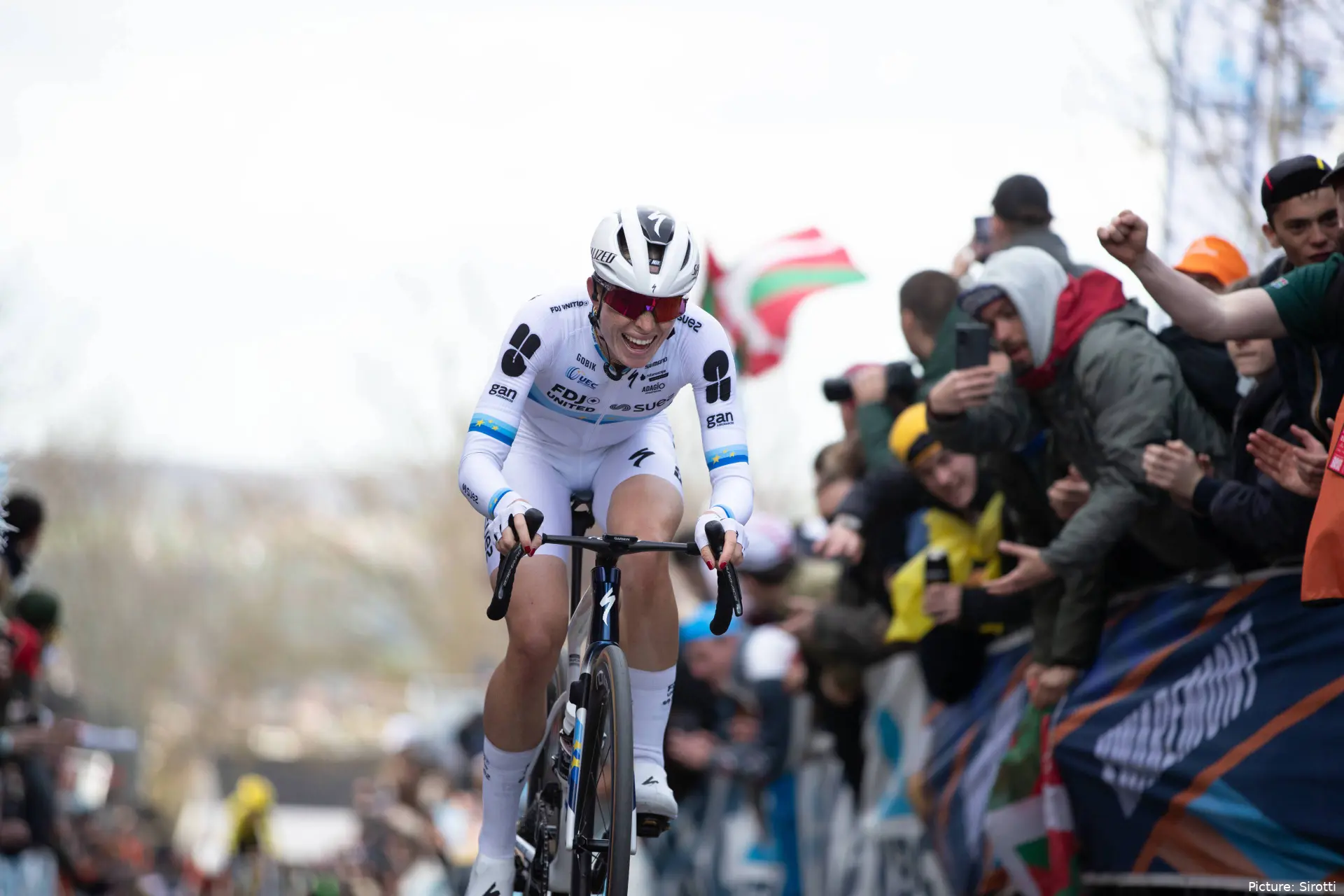
A heavy crash in the women’s Tour of Flanders has once again put the spotlight on a long-standing issue in cycling coverage, not just the incidents themselves, but how they are shown to those watching.
The fall, which brought down a large group of riders ahead of the Koppenberg and left both Marlen Reusser and Kim Le Court with fractures, quickly became secondary to the reaction around the broadcast. What unfolded on screen, and more notably through the audio, has reignited debate over whether cycling still gets the balance wrong when its most serious moments play out live.
When coverage crosses the line
As the cameras stayed on the aftermath, the tone of the broadcast shifted in real time. “We can hear the cries, really hard to listen to,” José Been said on commentary, before adding moments later, “Oh, those cries, absolutely terrible… what a terrible sight.”
Those lines have since been widely shared, not as commentary on the crash itself, but as a reflection of how it was being presented. The issue was not that the incident was shown. That is part of live sport. It was the decision to remain with injured riders, with clear audio of distress, long after the key sporting context had already been established.
A familiar debate in cycling coverage
This is far from the first time cycling has faced questions over how crashes are broadcast. Unlike many sports, races are covered through a centralised feed, meaning domestic broadcasters have limited control over what is shown. But that system has repeatedly produced the same outcome: prolonged shots of injured riders, often with little filtering of what the microphones pick up.
For a sport where the audience largely understands the risks involved, the value of that approach is increasingly being questioned. Showing a crash explains the race. Staying with it, and amplifying its most distressing elements, does something else entirely.

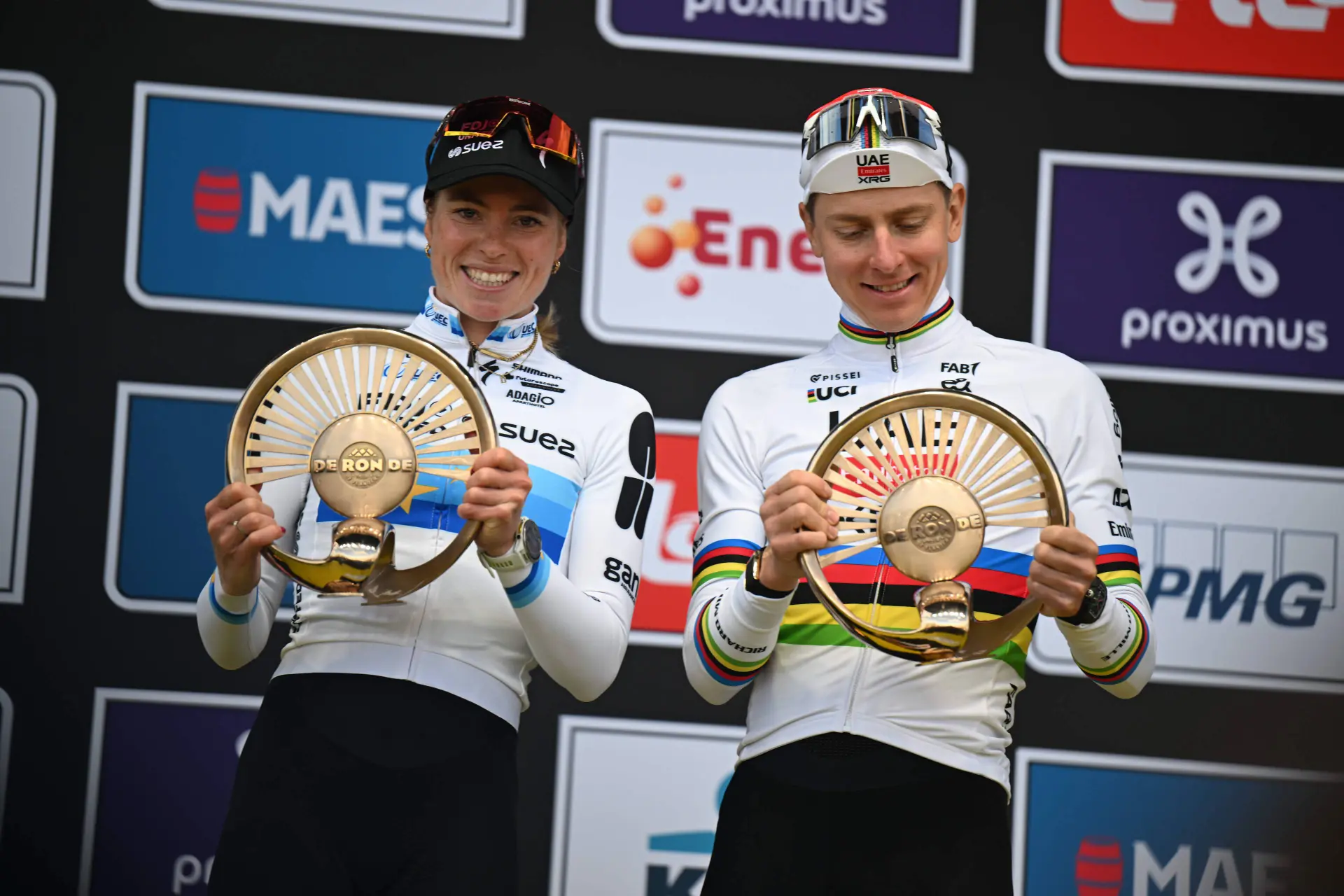
Demi Vollering took the win at the 2026 Tour of Flanders
The balance cycling still hasn’t found
The debate is not about removing crashes from coverage. That is neither realistic nor desirable in a sport defined by its unpredictability. It is about where the line sits once an incident has happened.
At Flanders, that line felt overstepped. The combination of lingering visuals and raw audio turned what should have been a brief, factual moment in the race into something far more uncomfortable. And in doing so, it has brought cycling back to the same unresolved question.
Not whether crashes should be shown, but how much of them really needs to be.
Not what you want to see 😢
— SBS Sport (@SBSSportau) April 6, 2026
Kim Le Court-Pienaar fractured her wrist, while Marlen Reusser suffered a lower back injury in this awful pile-up at Tour of Flanders ❌
Wishing all riders involved a speedy recovery 🙏#RVV26 | SBS On Demand 📺 pic.twitter.com/CxDZFCdb8V

Kieran WoodDeputy Editor-in-Chief
Kieran Wood is a sports journalist based in Wales and has been active in journalism since 2022. He regularly contributes to DartsNews.com and CyclingUpToDate.com, where he covers professional cycling and darts. In cycling, his work includes liveblogs from major races, including the Tour de France, the Giro d’Italia, and La Vuelta a España, alongside race reports and analysis. He has also conducted interviews with professional riders.
His reporting spans the full racing calendar, from one-day classics to stage races, with a focus on accurate, real-time coverage and clear contextual analysis. For statistics, results, and historical context, he regularly uses resources such as ProCyclingStats. To support reporting on rider activity and training context where relevant, he also references Strava.
In his work, Kieran places strong emphasis on careful sourcing, editorial accuracy, and updating articles as new, verified information becomes available.
claps 1visitors 1
Just in
Popular news
Latest comments
- Seixas best chance is obviously UAE. They are the best team in history of the sport and they developed pogacar into the goat. They also developed Del Toro to be nr 2 in world. Seixas would become unstoppable at UAE. Lets see if Seixas stays at decathlon but if UAE comes knocking its impossible to say no. Barcelone and real madrid combined into one team, thats UAE in cycling it feels like..miguel12-10-2026
- I think he does or goes to whichever team gives him the scope to become the rider everyone thinks he'll be when Tadej stops.. that simpleslappers6612-10-2026
- I remember at one time he was mentioned in the same breath as Seixas. no more. Onley has a lot of work to do to be deserving of that.mij12-10-2026
- I hope he goes to Bahrain-Victorious to mentor Jakob
 Rafionain-Glas12-10-2026
 - I hope he stays! Cycling is more fun with Primoz, even if he is not winning.mij12-10-2026
- yes for sure, there will be more chances for him at Euro than Lombardia. I wonder if that emotion wasn't also because he knows he has now been eclipsed by a younger rider w/o his goals being checked off. At least when Seixas over takes Tadej someday, Tadej will have accomplished his major goals. He still has Roubaix left, but Seixas isn't a threat there. And he should find a year to get Vuelta. Remco now is behind at least 2 riders w/o ever having won a Tour, one monument to his name, and the next few World Championships are not Remco friendly. I would still take Remco's wins though!!!mij12-10-2026
- Remco was at 100%. He raced as expected: 15th best on the climbs and then best in the sprint of the chasing group. Exactly what he did at Liège-Bastogne-Liège, where he was on similar form. His win in Amstel was comparable to Quebec or the EurosRafionain-Glas12-10-2026
- "inside the tent pissing out" is an idiom based on a quote from President Lyndon Johnson. Not sure if you're saying you don't understand the term. The full phrase is "it's probably better to have him inside the tent pissing out, than outside the tent pissing in."wrsty12-10-2026
- Pissing out?? Who is forcing them? They can follow Ayuso's example. And they can be leaders on another team. Ayuso's example again. :)MajorPayne12-10-2026
- Hmm it's an interesting take with certain disclaimers e.g. comparing them at the same age (Pogi wasn't given chances so early in his career so we will never know), the level of the competitors in the race or tour (really hard to compare, as you would be looking at multiple competitors, let alone comparing just Seixas vs Pogi). In any case, Seixas' future certainly looks very bright, especially as he has the advantage of youth, access to new scientific knowledge/methods that weren't around when Pogi started, and most importantly has Pogi as an extremely good example to aspire to (e.g. copying training methods, nutrition, tactics, race craft, etc., to list just a few...).Pogboom12-10-2026
Loading
1 Comments